
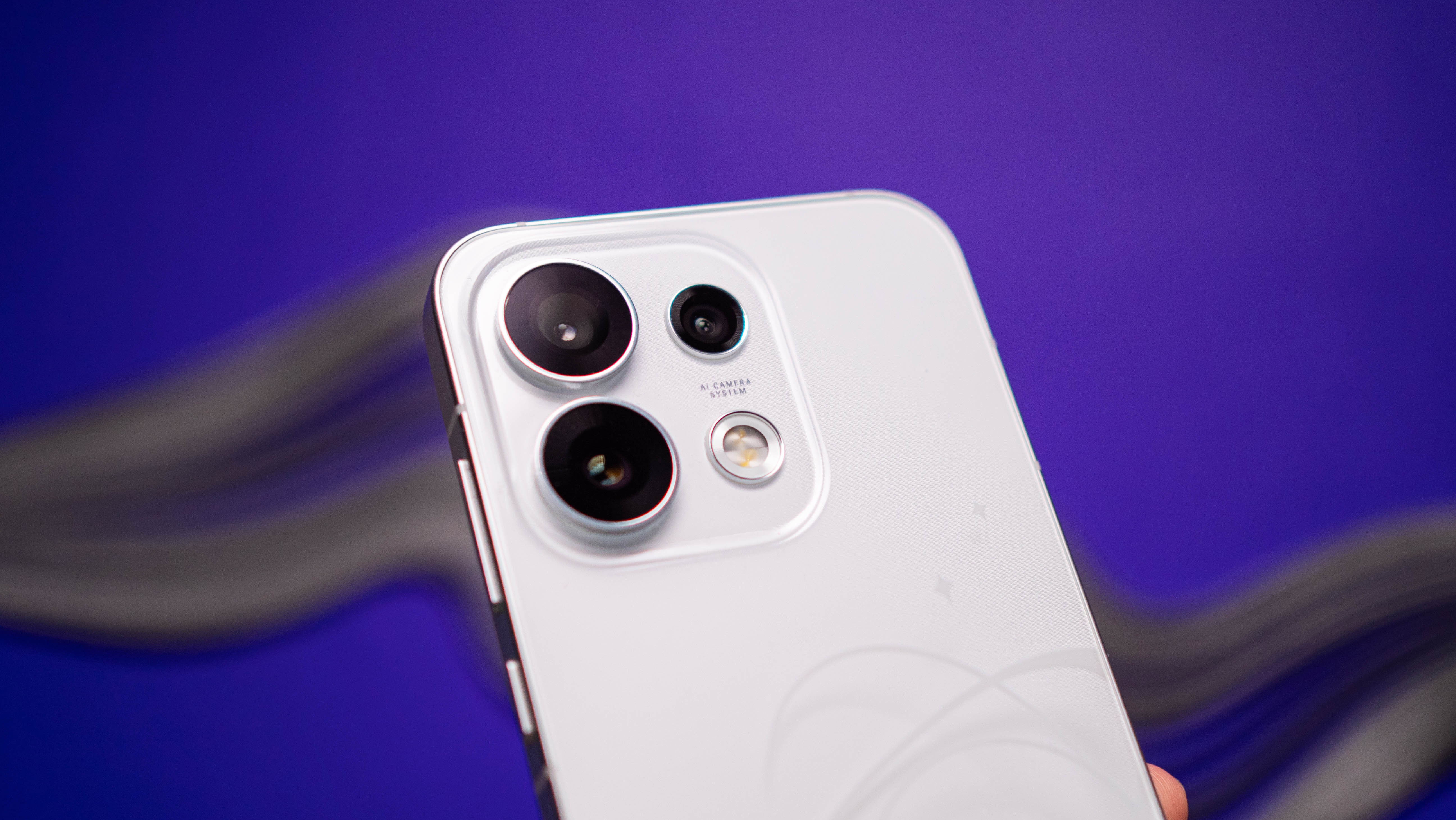
I enjoyed using the Reno 15 Pro, and the new imaging hardware was a revelation: the new 200MP camera and dual 50MP auxiliary lenses meant it could measure up to the likes of the Find X9 Pro. As is tradition with OPPO, the brand is following up the phone with the launch of a new model, the Reno 16 Pro — just in time to challenge the Xiaomi 17T Pro.
The Reno 16 Pro isn't too different to the 15 Pro; it has the same cameras, and retains the delightful compact design. You get a bigger 6,700mAh silicon-carbon battery, but only in select markets — Europe gets a smaller 6,000mAh battery this time.
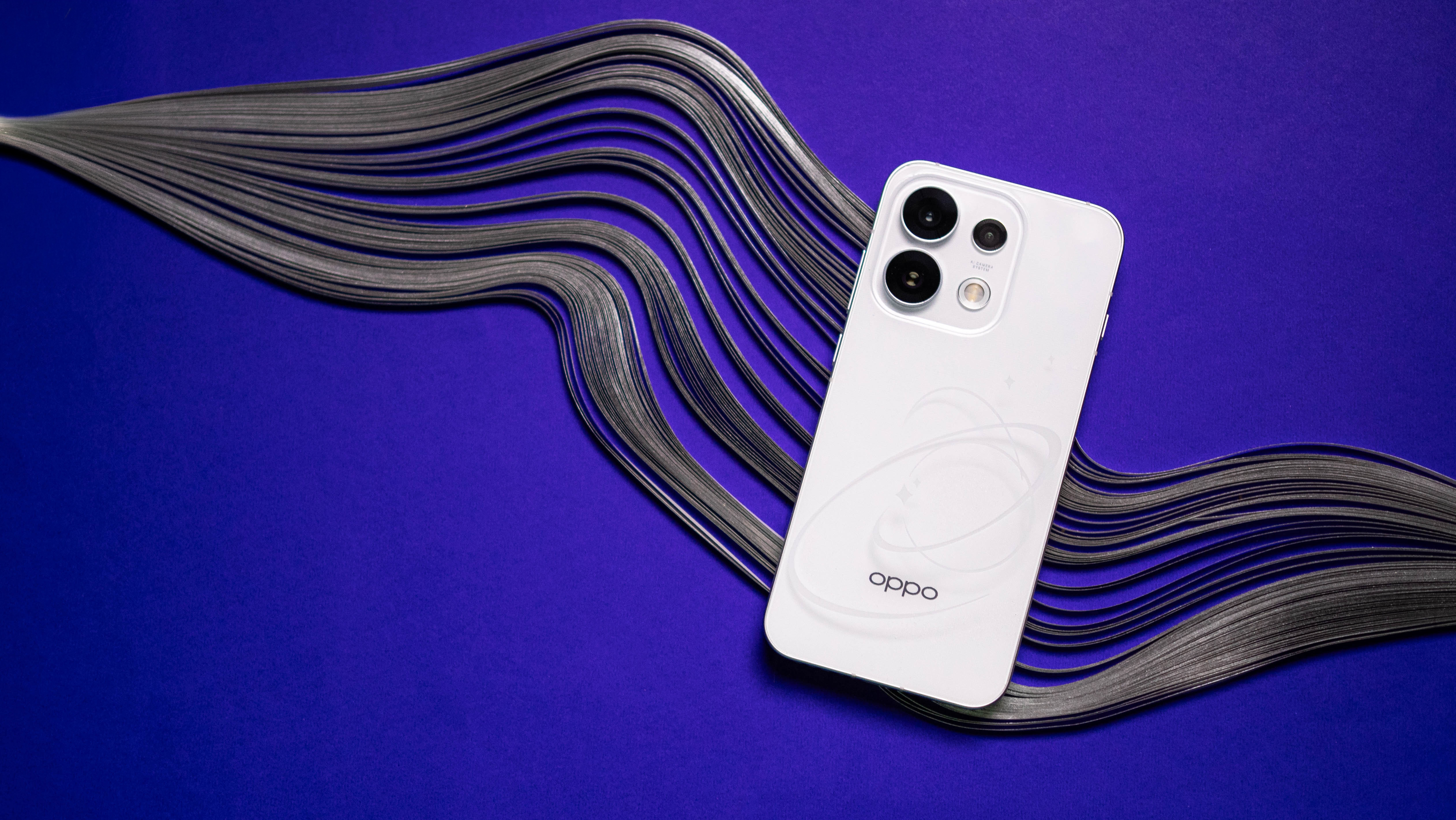
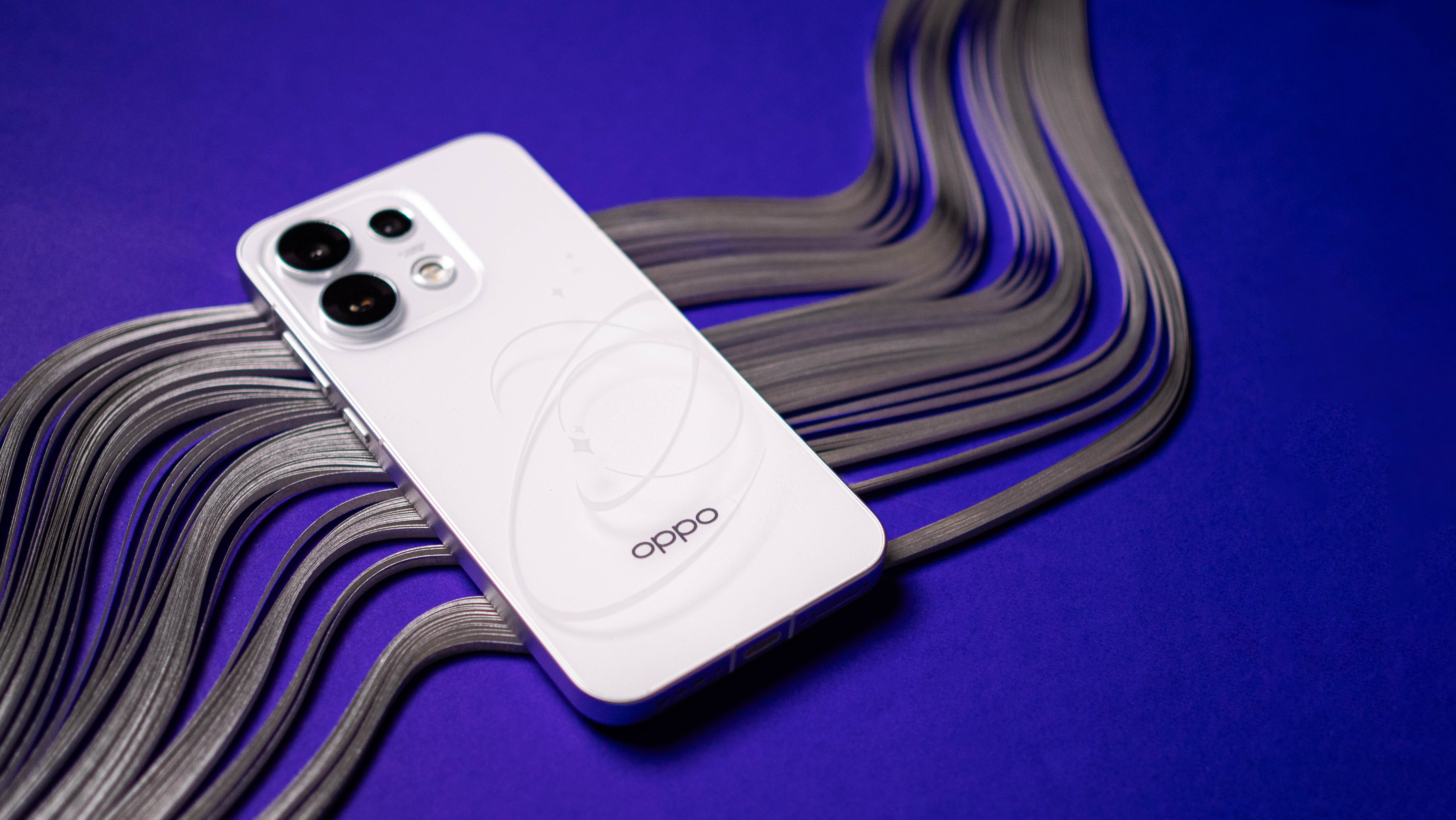
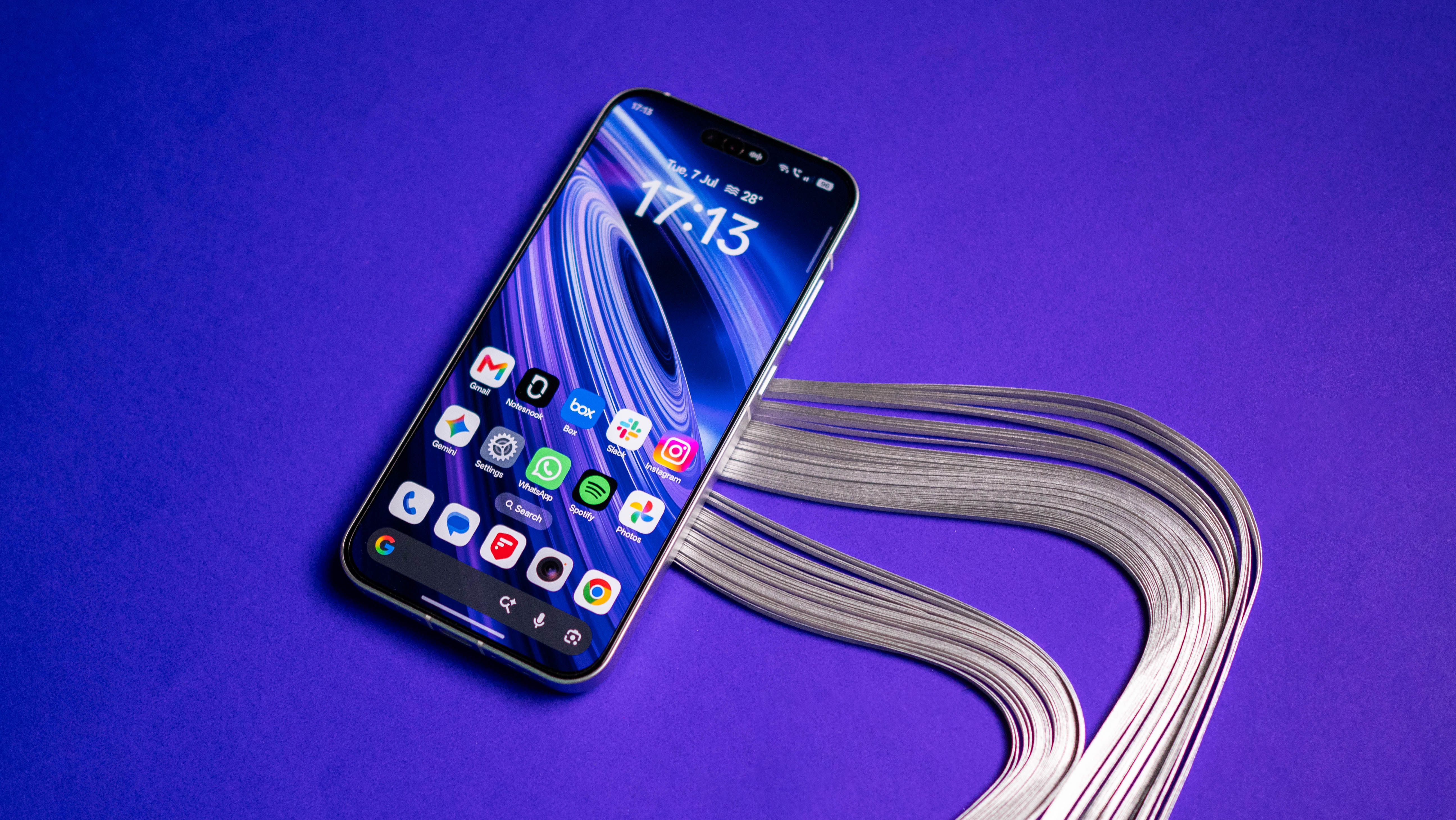
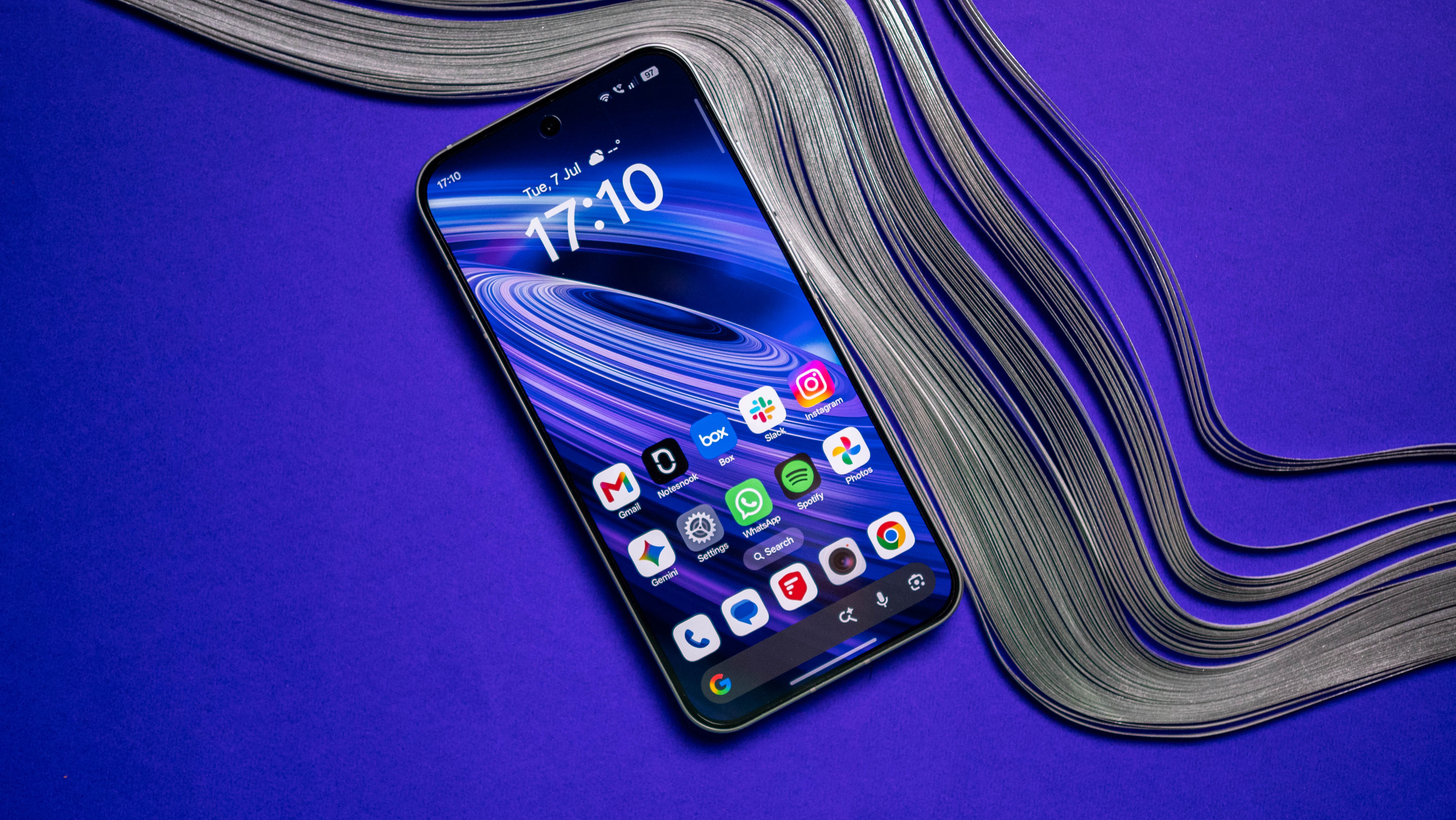
The biggest change is the rear design, or as OPPO calls it, the 3D Pop Planet Design. The rear glass uses a custom three-layer structure, and it creates a unique floating effect of a planet that seemingly shifts around as you move the phone around. It is undeniably cool, and I like that OPPO is constantly bringing fresh designs to its phones. The effect is limited to the Pop White model, and if you don't care for it, there's also a black model with a standard matte texture.
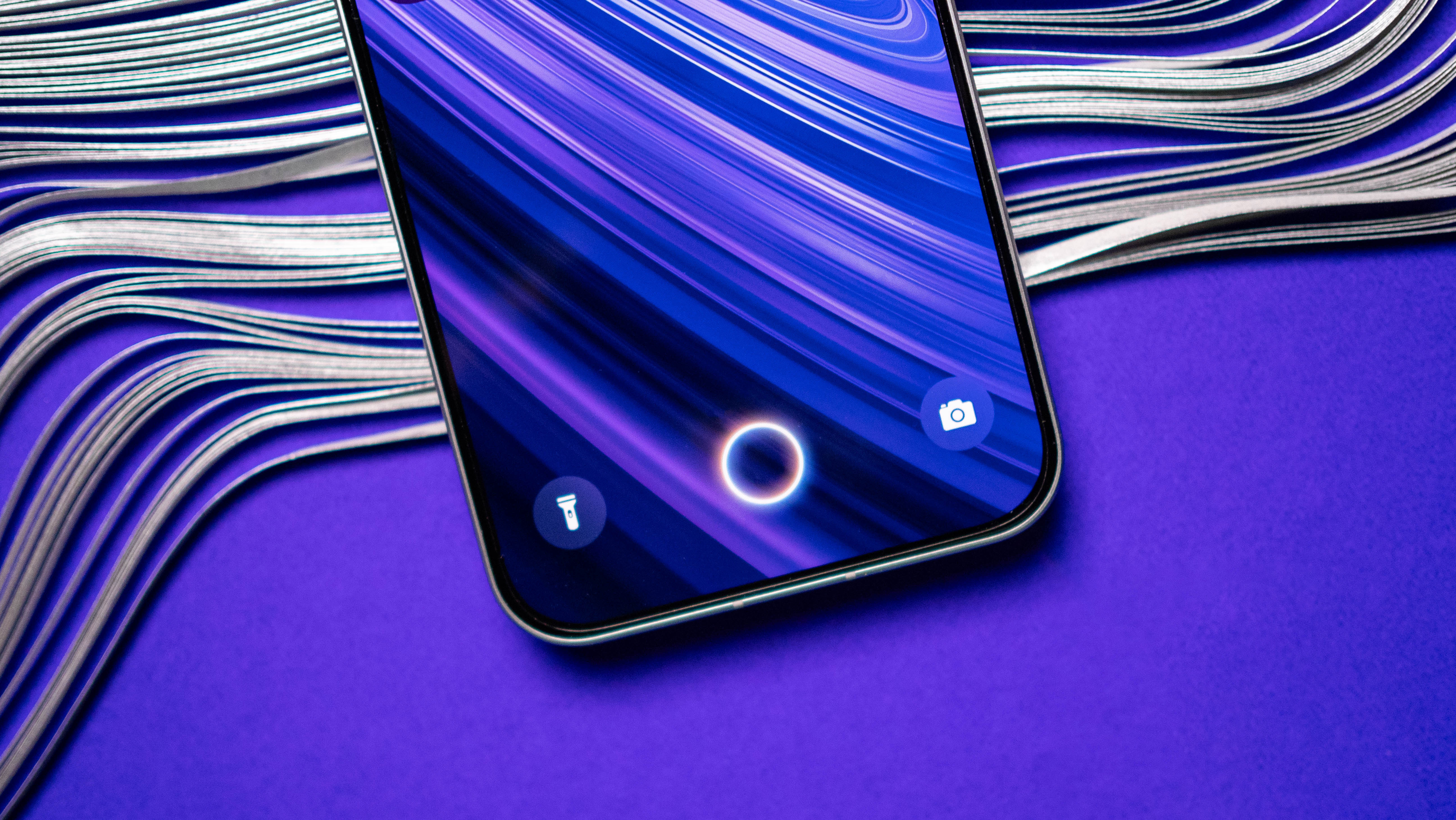
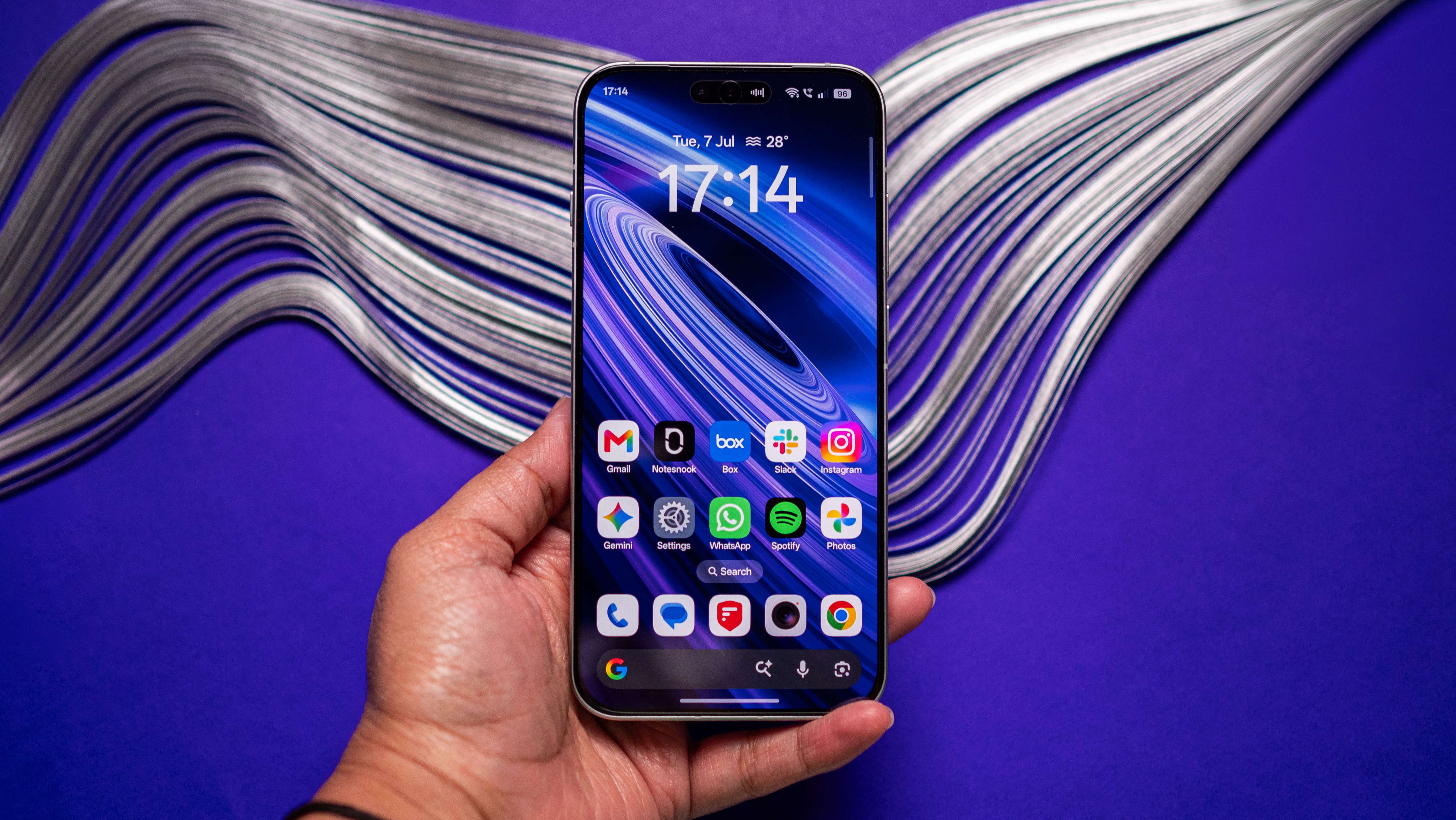
As striking as the design is, what I like the most about the Reno 16 Pro is its compact form factor. The phone retains the 6.32-inch AMOLED panel, and it is an absolute delight to use. The in-hand feel is just right, and it's using a similar choice of materials as the Find X9 Ultra and X9 Pro. Oh, and it retains IP68 and IP69K dust and water resistance as well, which is great to see. The only issue is that the fingerprint sensor is located a little too low on the panel, and that makes accessing it a bit of a hassle.
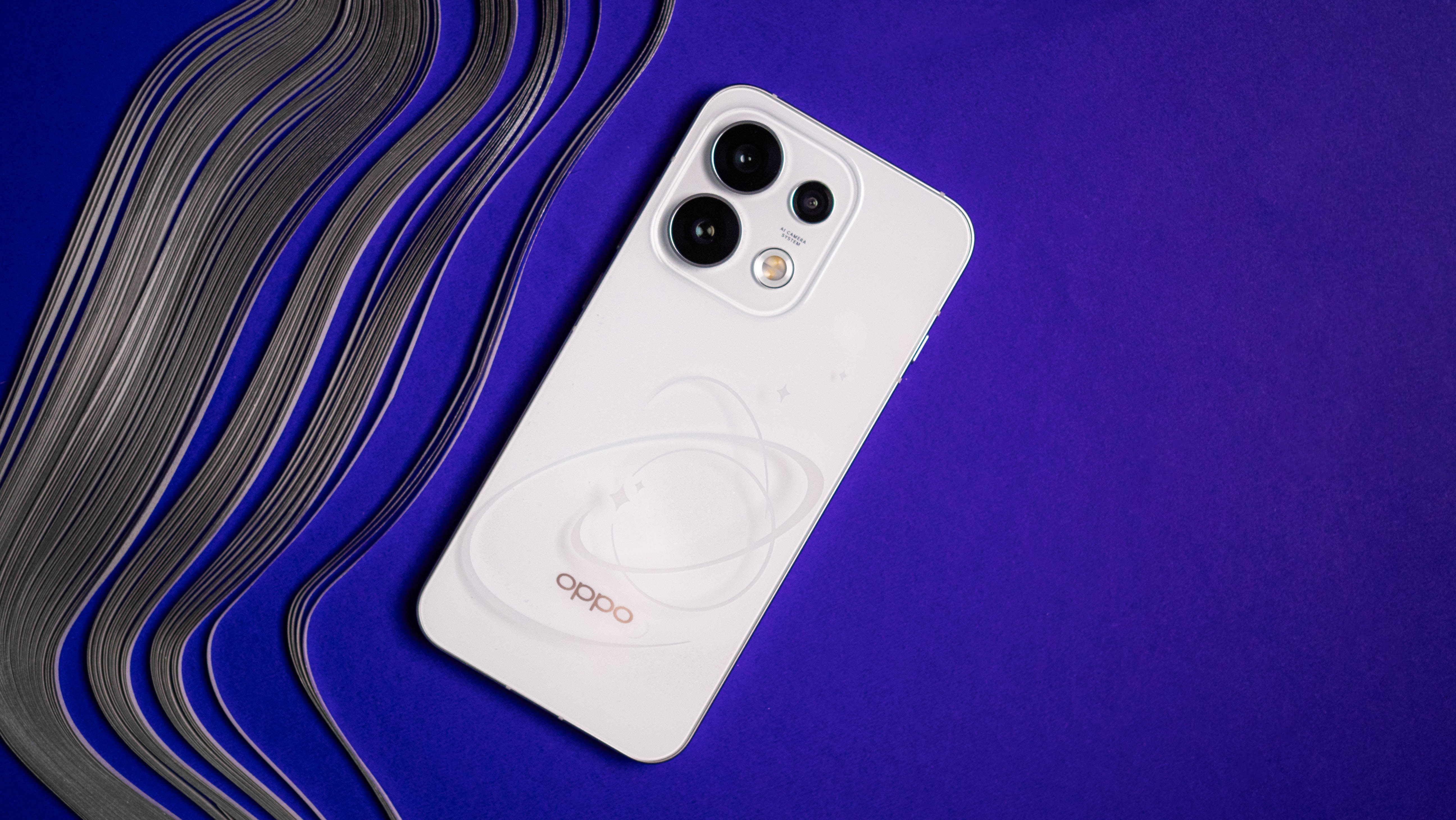
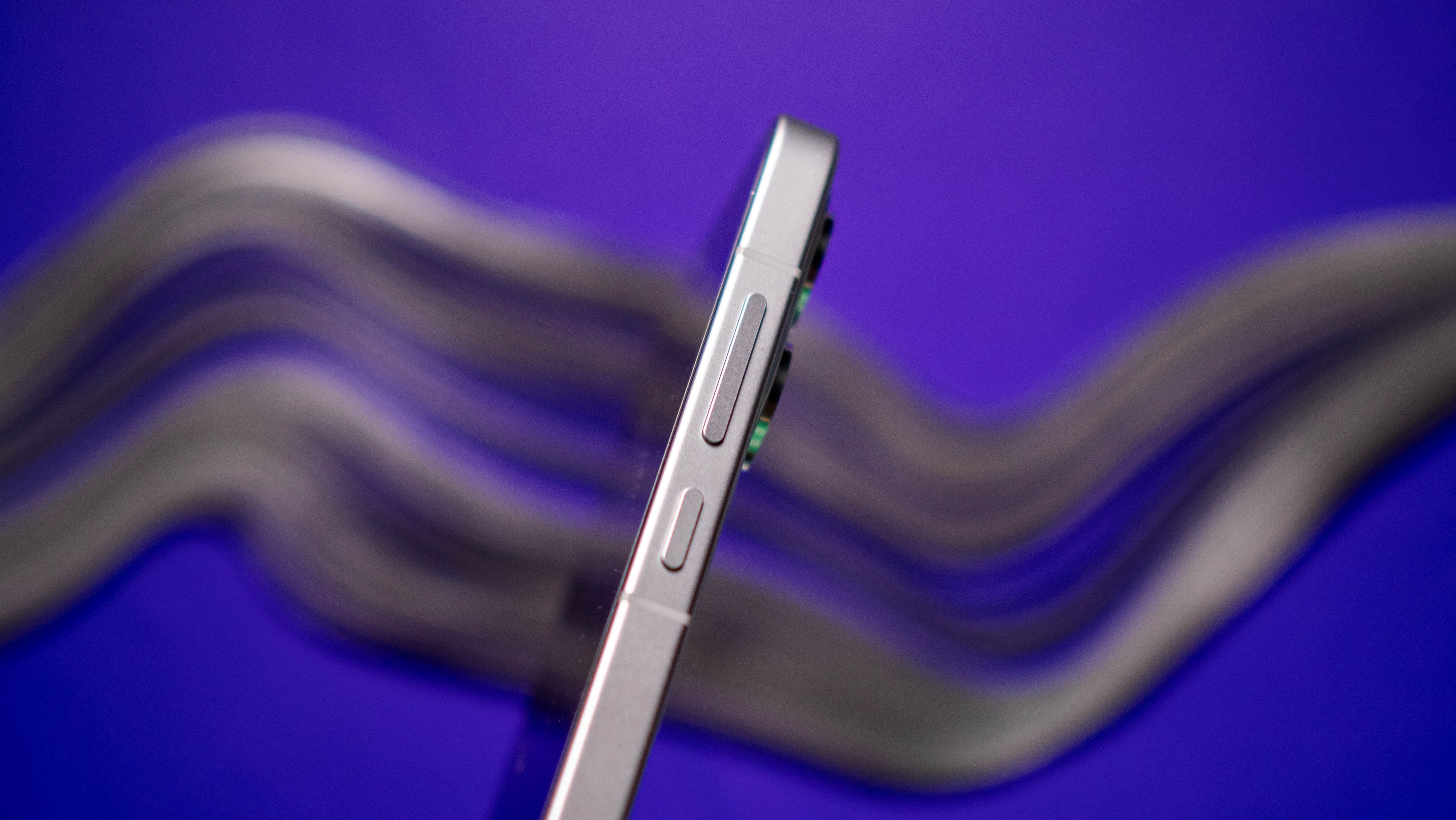
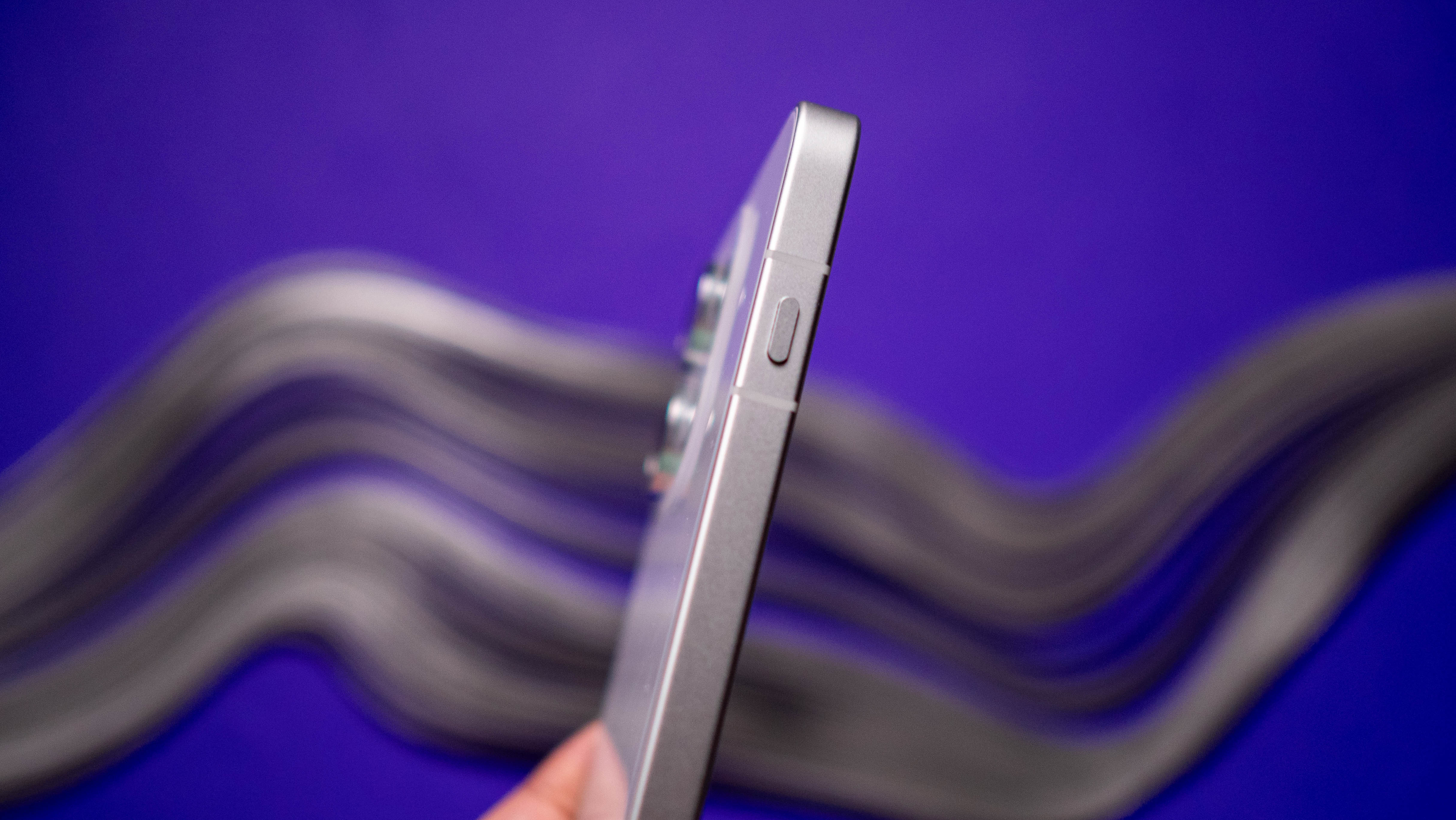
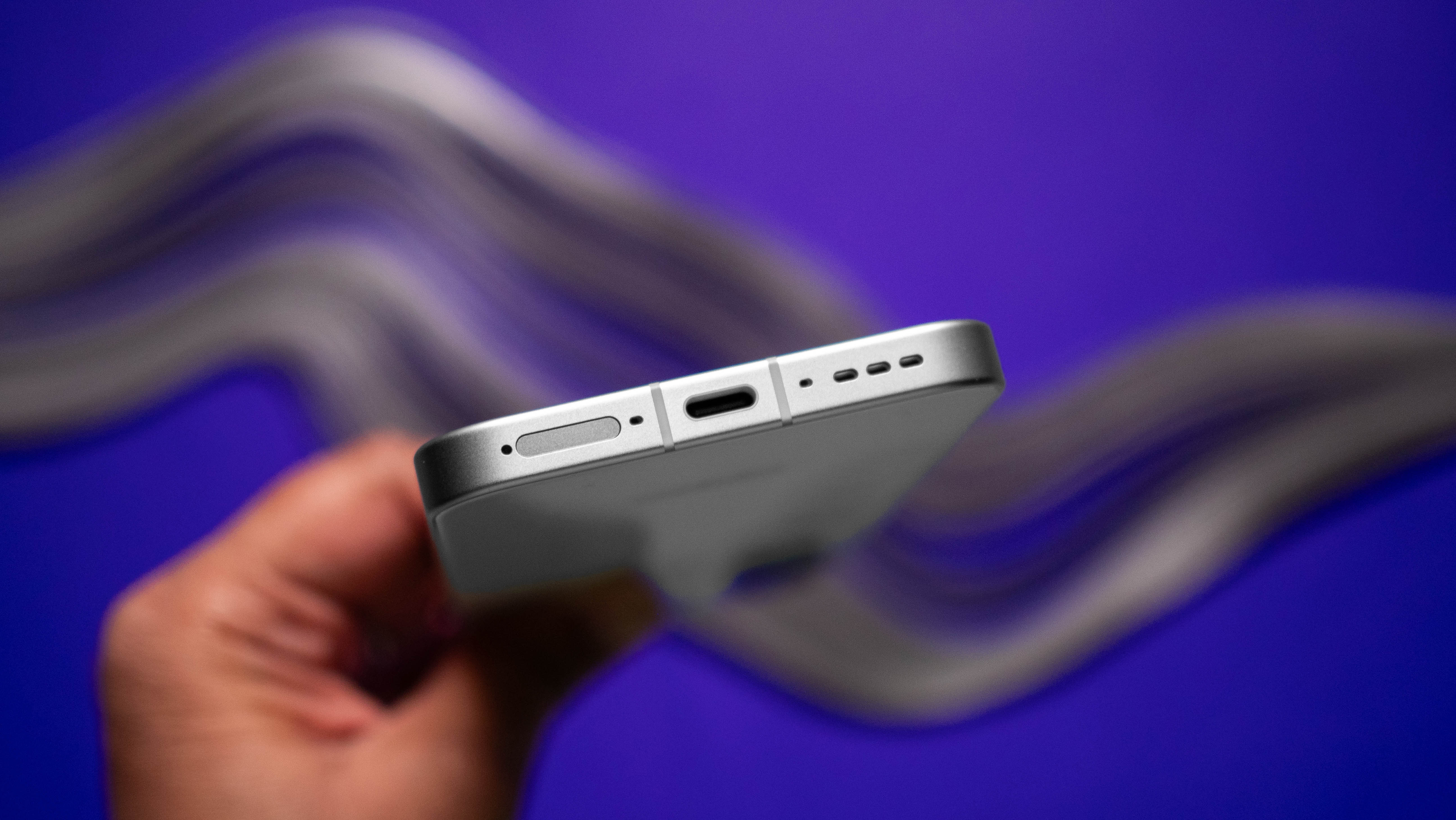
There's no doubt that the 6.32-inch AMOLED is one of the best in its class. It is one of the brightest in outdoor use, colors are vibrant out of the box, and you get all the usual customization options. There was an intermittent lag when I initially set up the phone, but a software update sorted that out.
The Reno 16 Pro comes with MediaTek's Dimensity 8550, which is identical to the Dimensity 8400 but with a slight boost in frequencies. OPPO should have used the Dimensity 9500 — like Xiaomi did with the 17T Pro — instead, because that platform uses the latest C1-Ultra cores and Mali-G1 Ultra, and is much better at gaming.
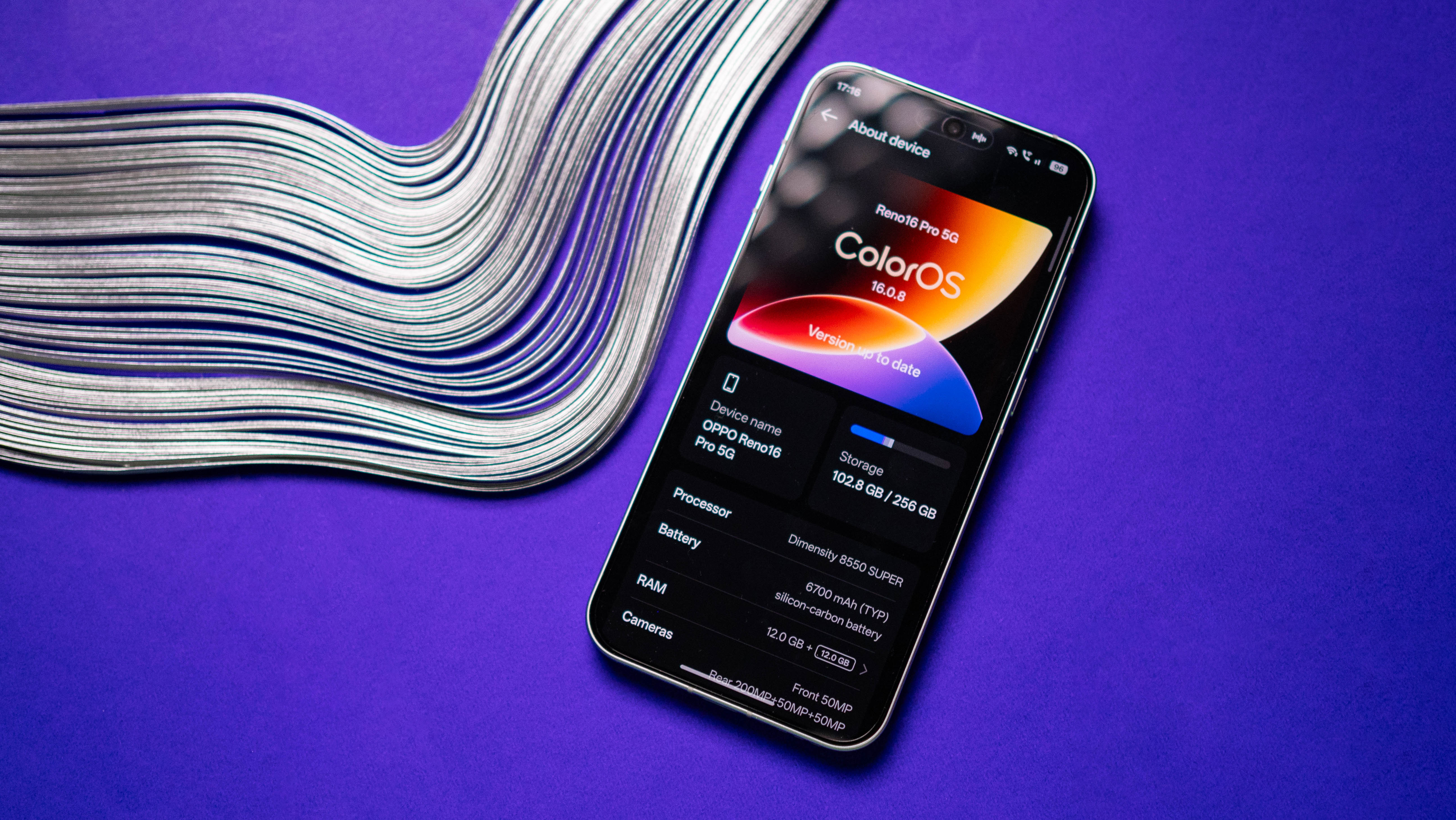
As it stands, the Reno 16 Pro is quite good at mundane tasks and handles demanding workloads, but it throttles during intensive gaming sessions, and it doesn't quite measure up to the 17T Pro in this area. That said, the 17T Pro is much bigger, so if you need a small phone with standout gaming potential, I'd suggest getting the Xiaomi 17 — it's now selling for the same price as the Reno 16 Pro.
Where the Reno 16 Pro truly comes into its own is the cameras. The sensors are unchanged, but you get a slate of new filters and effects. There's a 200MP Samsung HP5 main camera, 50MP tele lens, and a 50MP wide-angle module. You get a 50MP camera at the front, and it is one of the best you'll see on a phone today.
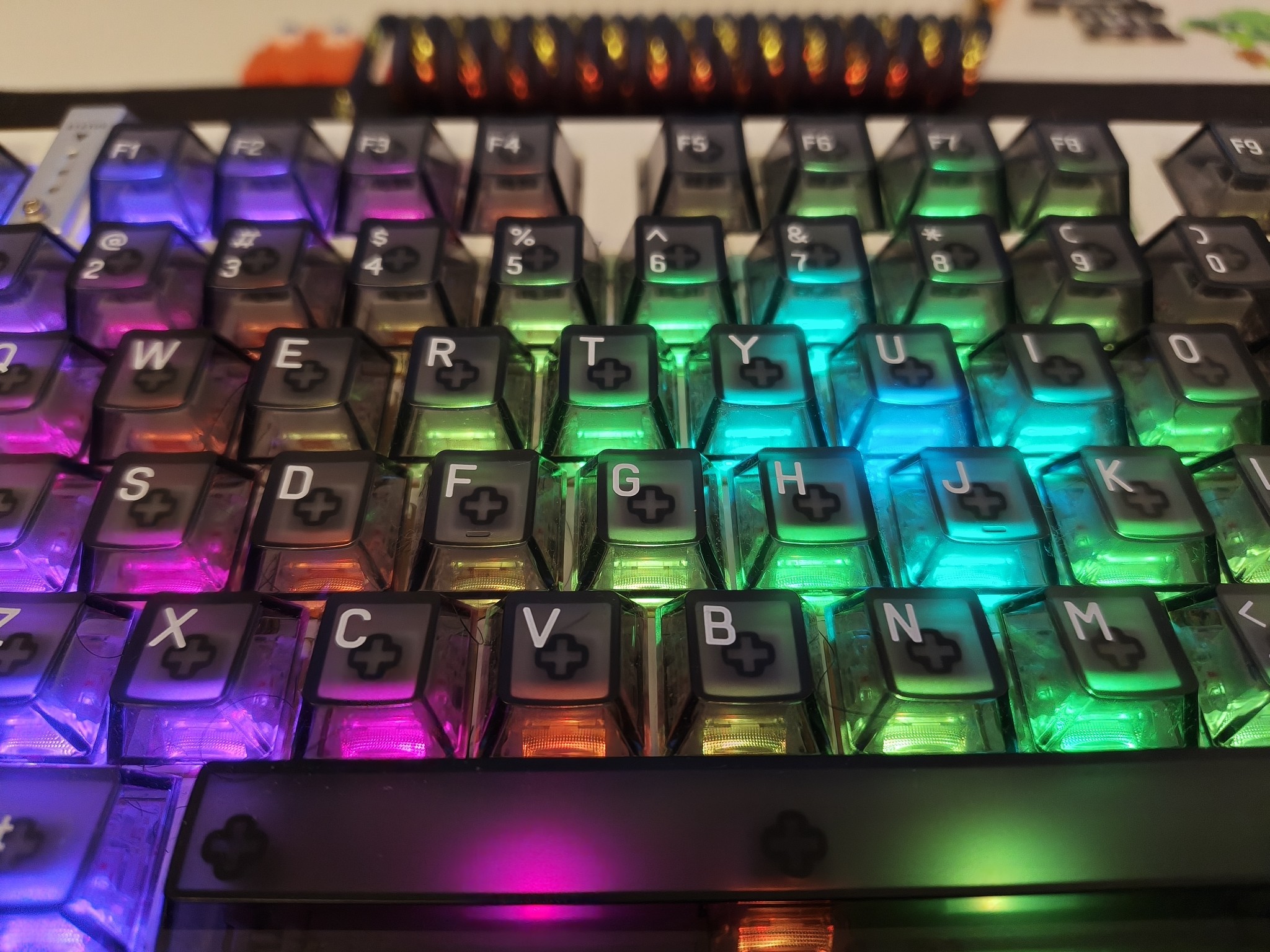




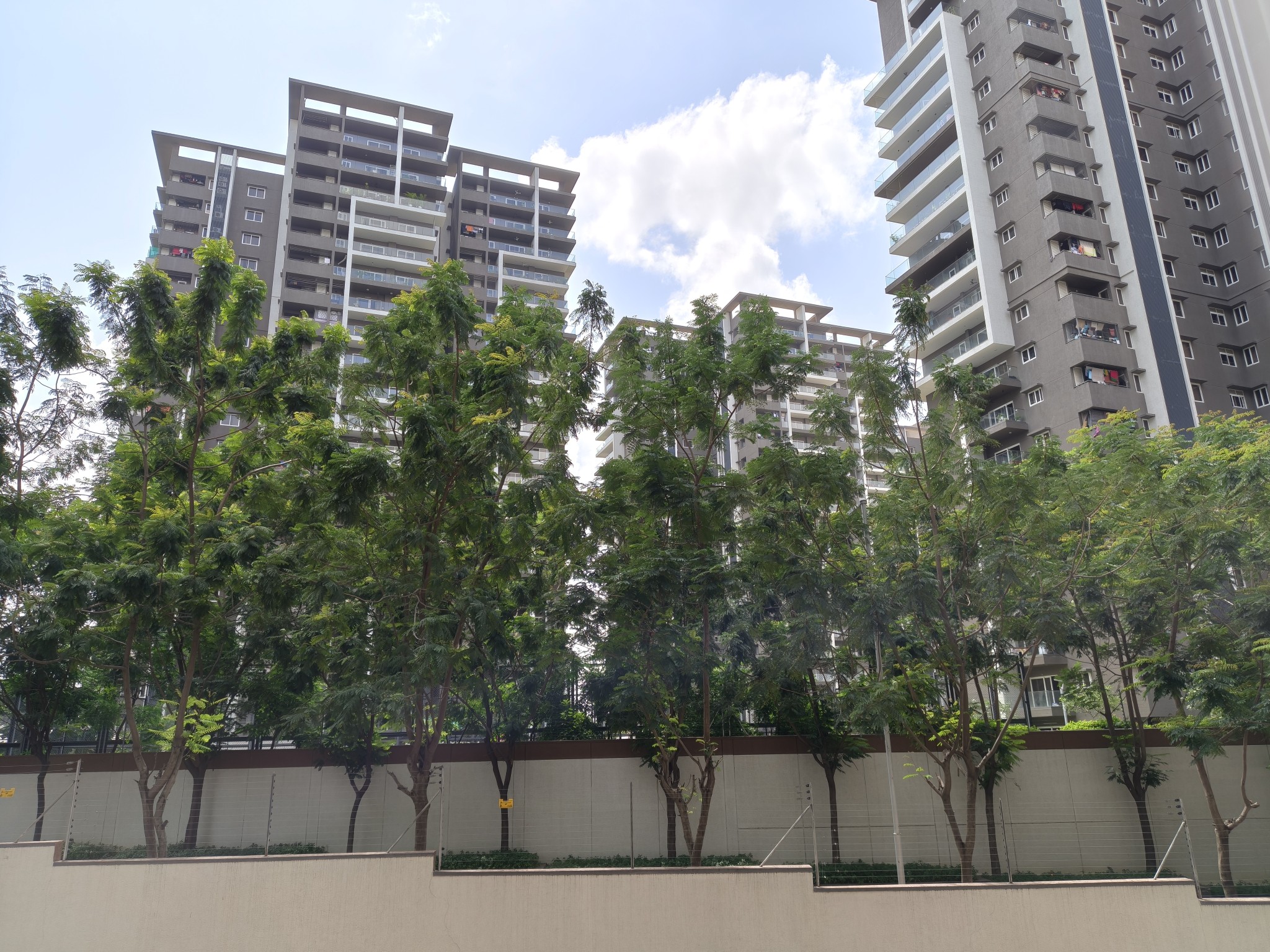



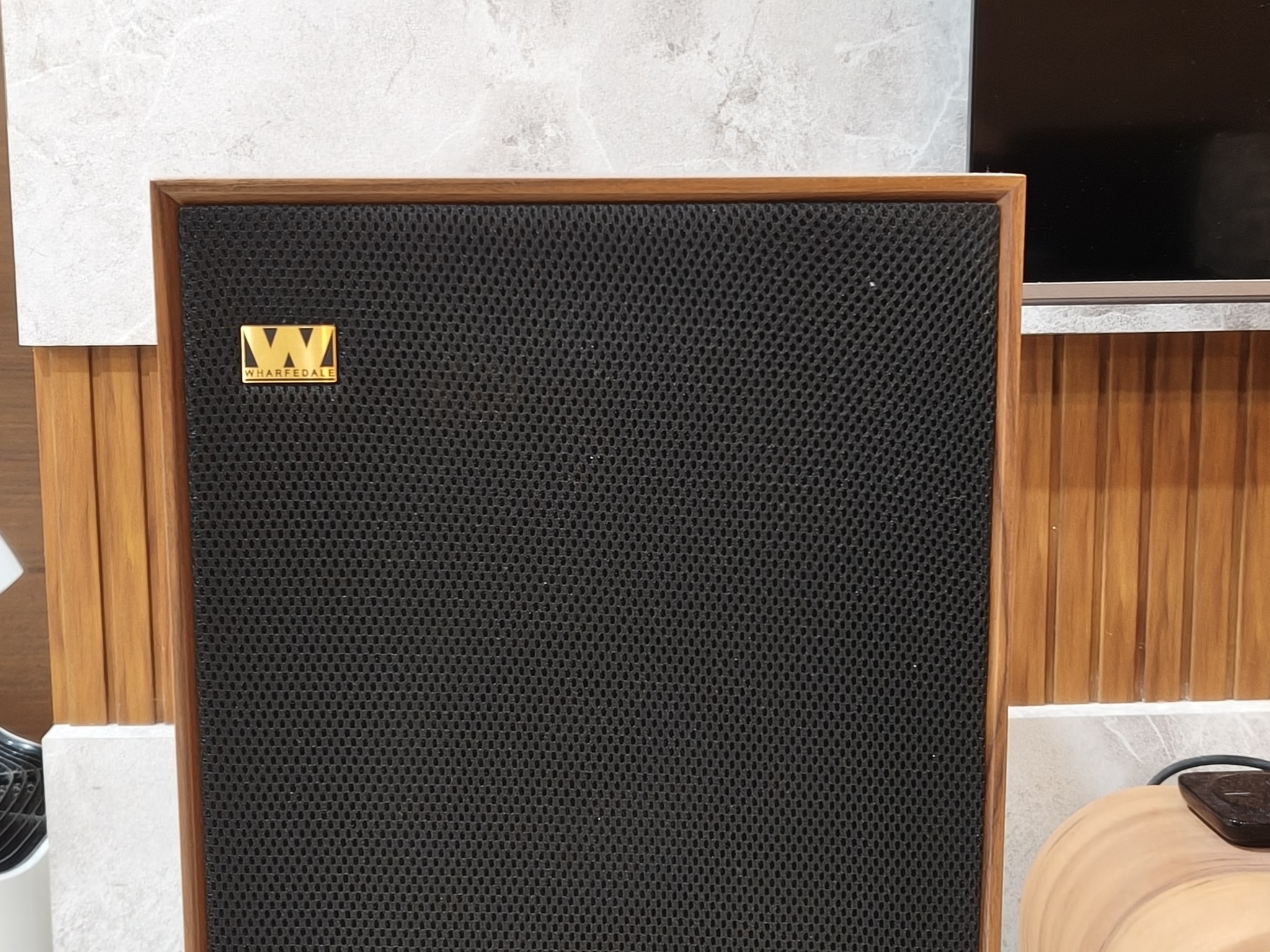
Predictably, the Reno 16 Pro does an outstanding job in just about any scenario. The main camera is fantastic by any measure, and it easily outshines other phones in its class. But what I like the most is that the telephoto and wide-angle lenses aren't just an afterthought; they're genuinely good in their own right. The tele lens has 3.5x optical zoom, and you get usable shots up to 7x without any visible grain or noise.
The phone doesn't quite manage shots on the same caliber as the Find X9 Pro or X9 Ultra, and that's the only shortcoming I can think of. Basically, you're getting flagship cameras, but the phone itself doesn't cost as much as Find X models, so if you intend to take a lot of photos and videos, the Reno 16 Pro is easily worthy of your consideration.
Reno models always sold well with younger audiences, and OPPO did a good job adding unique filters to the 16 Pro. You get 4K60 video out of all the lenses — including the selfie camera — and there's a new Pop mode that brings a little bit of vintage camera flair to the device. With eight filters available, you can heavily customize the look and feel of the shots when using this mode, and there's even the option to tailor the balance of each filter. I enjoyed using AI Remix Collage as well; it uses AI to create stickers effortlessly, and it's a fun tool.
Battery life is reliable; I'm using the model with a 6,700mAh battery, and I easily got over a day even with heavy use. I was able to eke out a day and a half on average with medium use, and with 80W charging tech, there's no need to plug in this phone overnight.
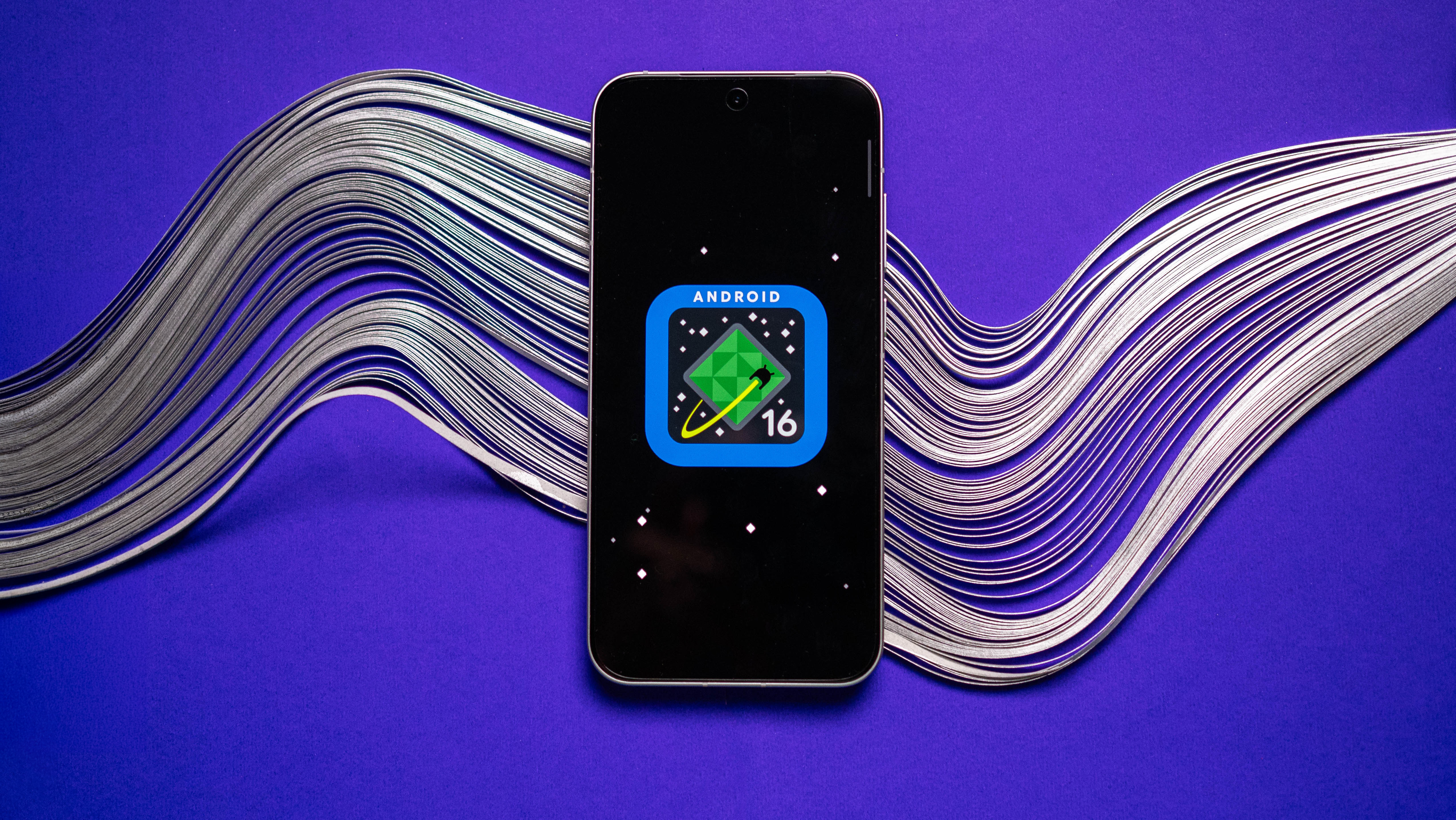
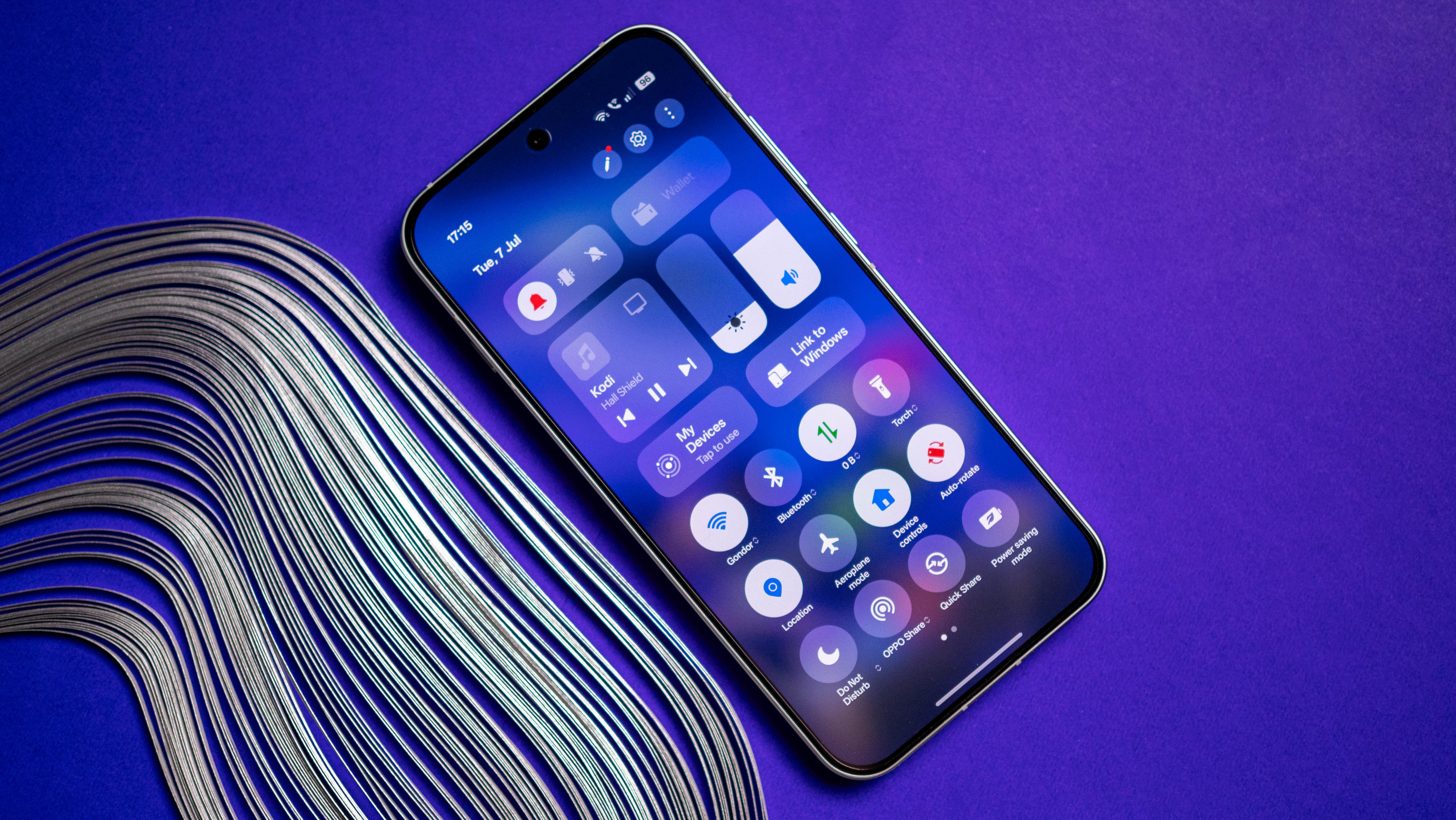
I like ColorOS 16 a lot, and it has the right blend of modern design, customizability, and fluidity. I used the skin predominantly in 2026 — thanks to the Find X9 Pro and X9 Ultra — and it is one of the best around on Android. The only issue is that the device won't get as many software updates, and that's annoying.
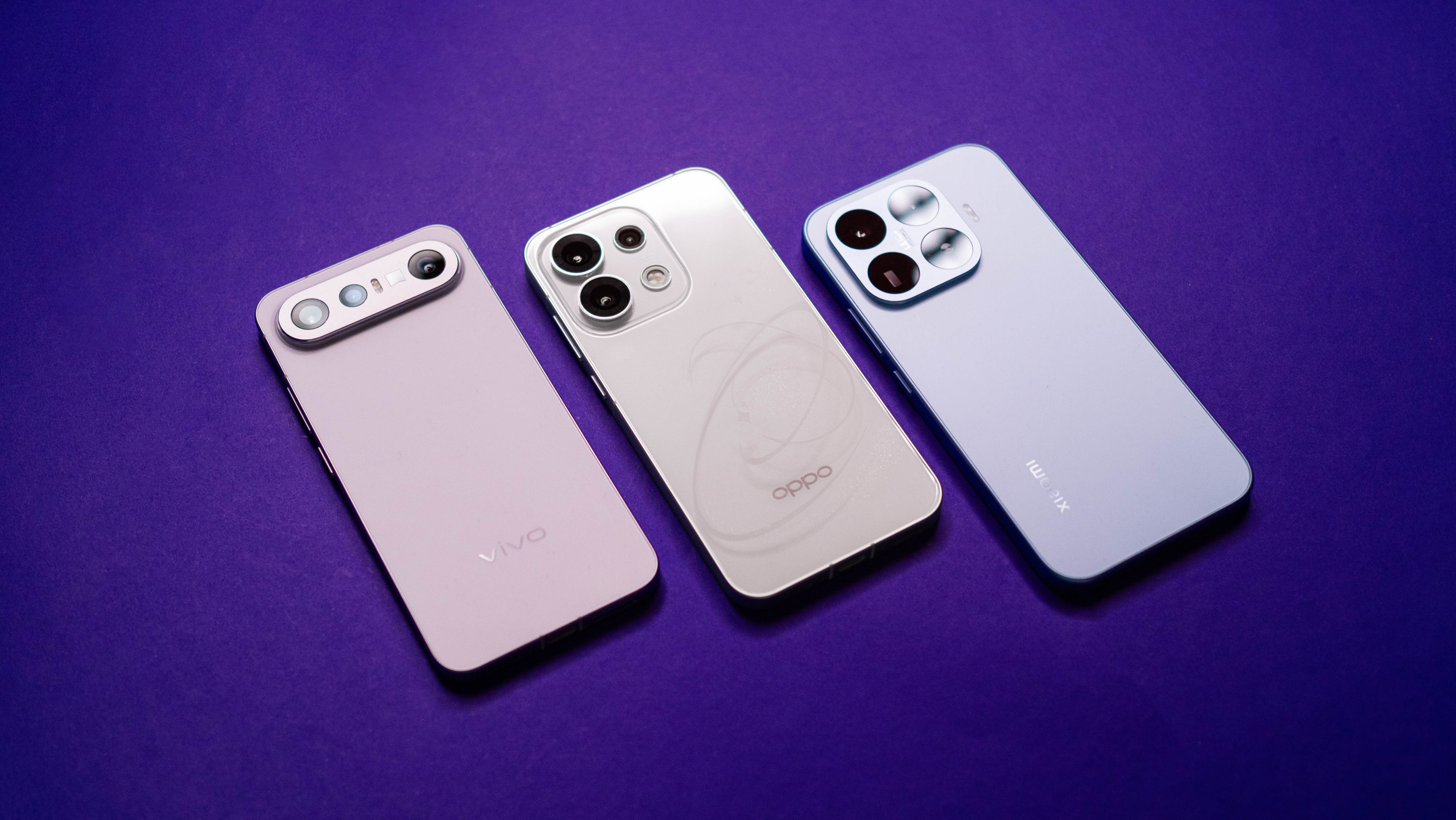
Now, let's get down to pricing. While the Reno 16 Pro debuted at an exorbitant £899 ($1,195) in the U.K., it's down to £749 ($996), and this is for the 12GB/512GB edition. It's a similar situation in other countries in the region, with the Reno 16 Pro now down to €899 ($1,022) from its €1,099 ($1,250!) launch price. Incidentally, this brings the phone in line with what the Reno 15 Pro debuted for earlier this year, and that model is still available for €799 ($908).
This is how much Find X flagships used to cost just a few years ago, but phone prices are getting increasingly higher, and the Find X9 Pro was introduced at €1,299 ($1,477). With RAM and storage demand exceeding availability, we should see even higher prices in the next 12 months. It makes sense, then, that OPPO didn't launch the Pro model in India, with the standard Reno 16 selling for ₹61,999 ($647) in the country.
The Reno 16 Pro isn't a sizeable upgrade, and if you're in a country where the 6,000mAh model is sold, you're not even getting as big a battery as its predecessor. There's also the fact that the 15 Pro is still a solid phone, so if you can get it on a deal, I'd suggest buying it while it's still available. Otherwise, the Reno 16 Pro is your best bet if you want flagship-level cameras in this category.

The Reno 16 Pro continues to excel in the areas that matter. It may not have huge upgrades, but it does enough to stand out, and with the price correction, you're not paying anywhere as much to get your hands on the phone.
from Latest from Android Central https://ift.tt/R7bIAh1
via IFTTT

Aucun commentaire:
Enregistrer un commentaire