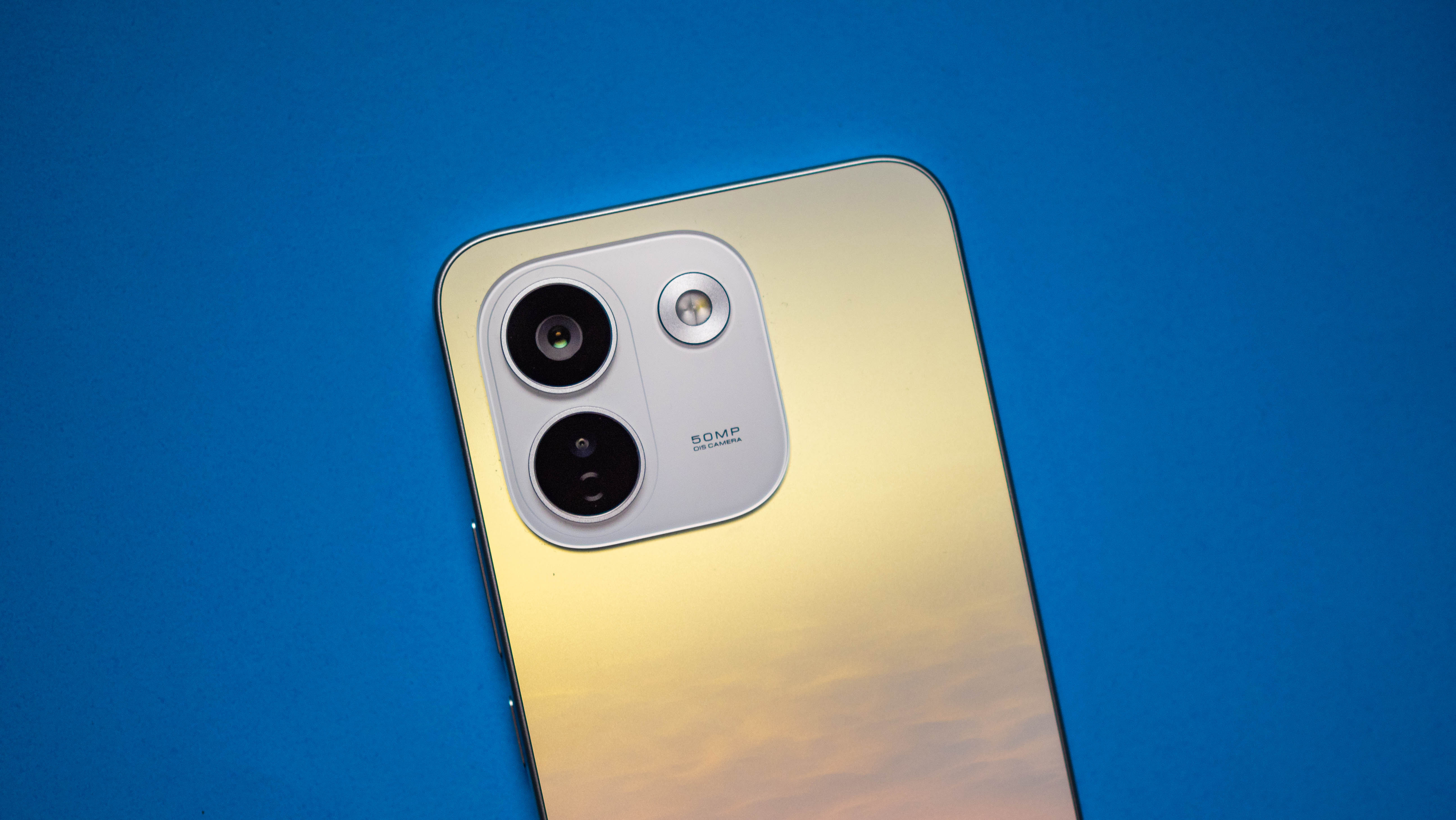
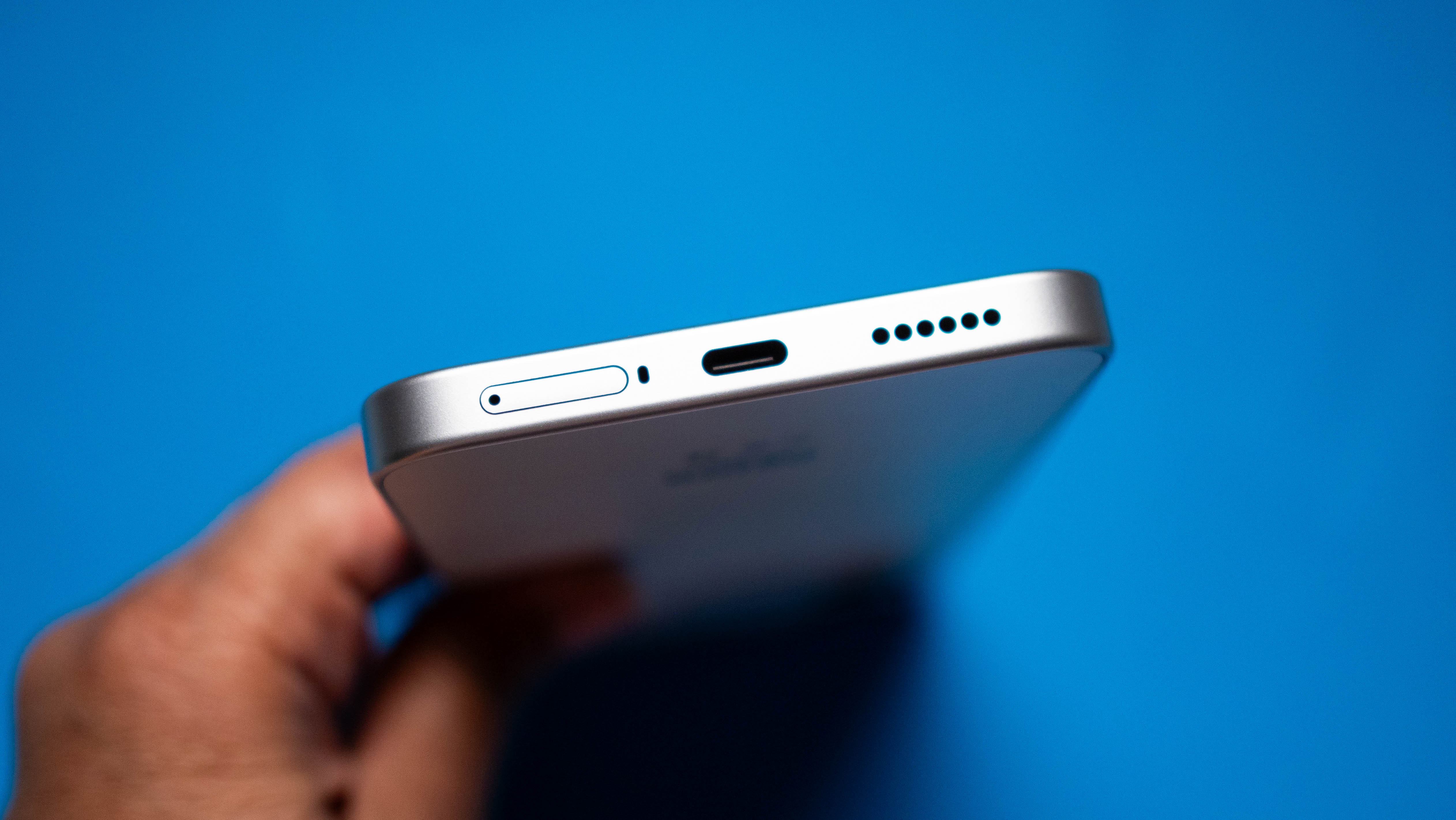
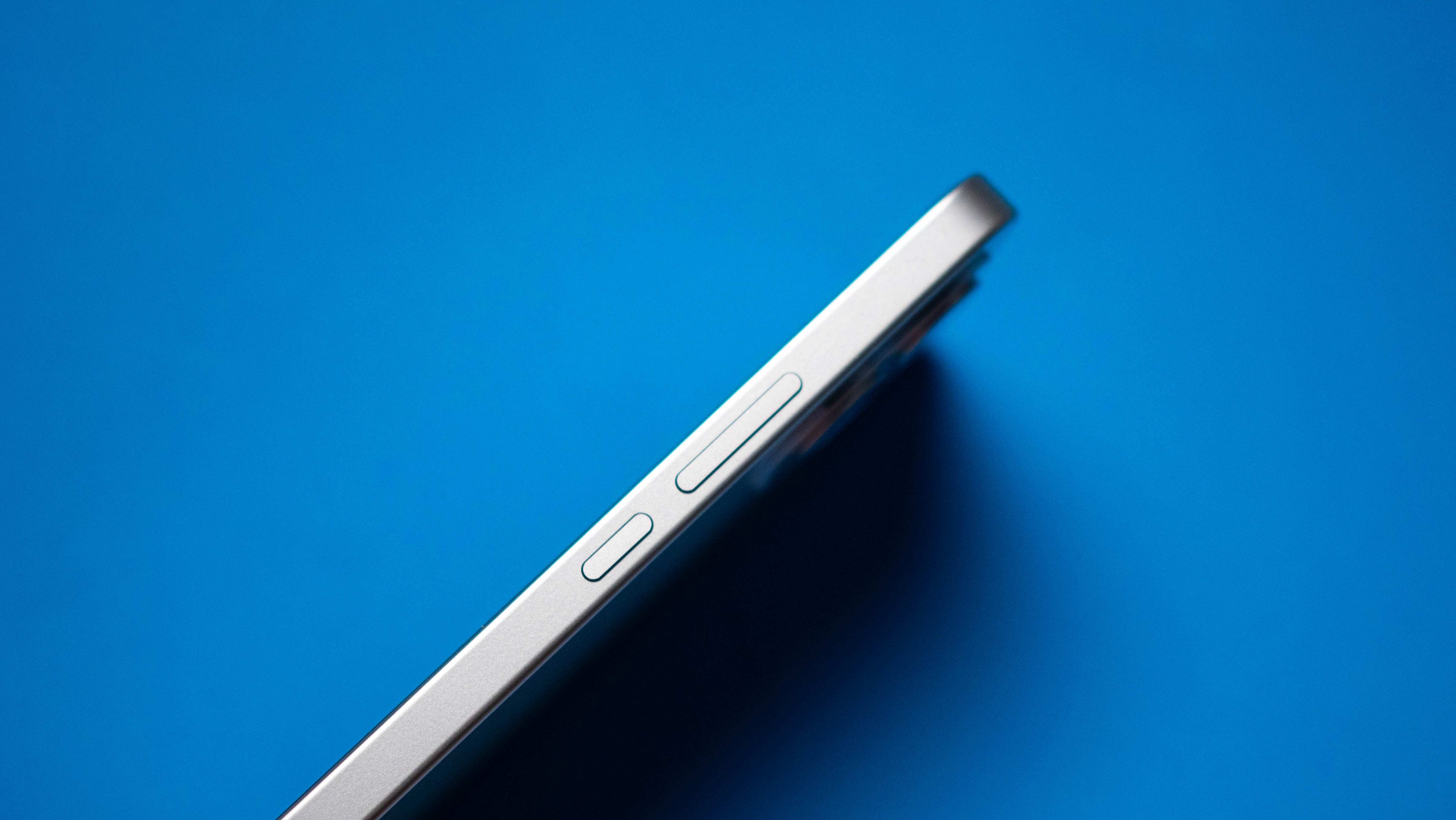
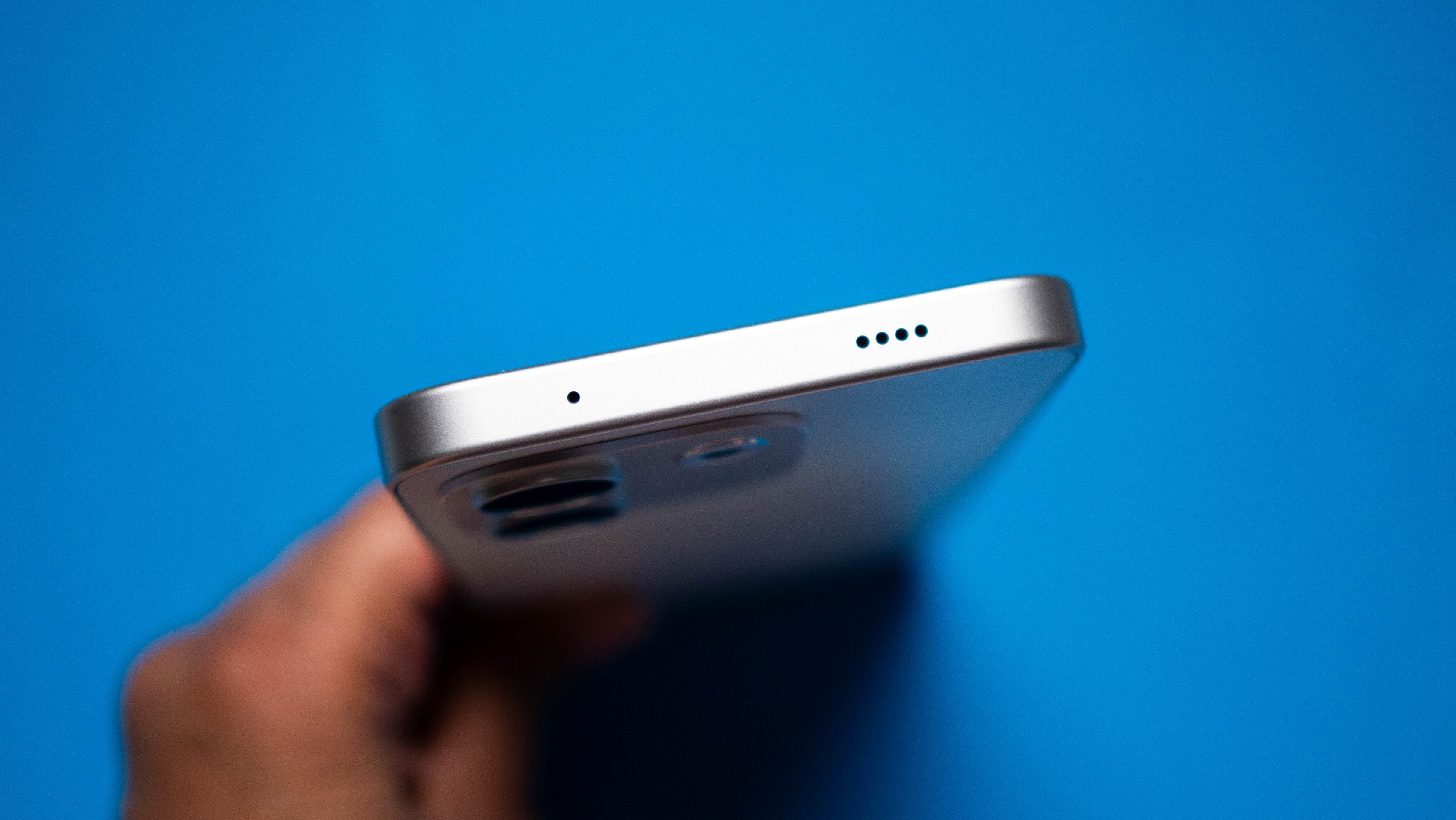
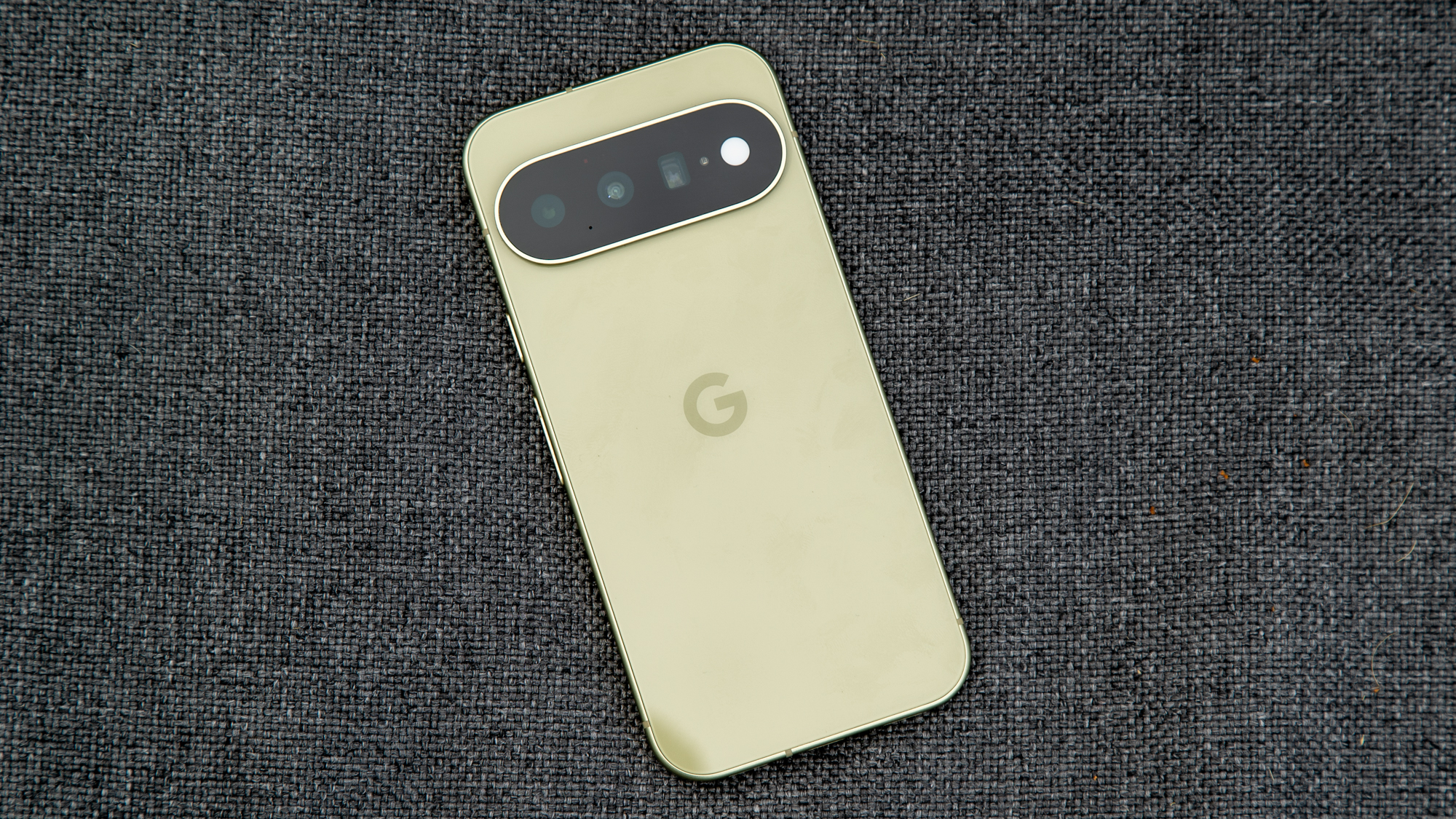
The Google TV Streamer has jumped from $100 to $150 at the Google Store and Best Buy.
Retailers including Amazon may still have older stock at the original price, but supplies could disappear quickly.
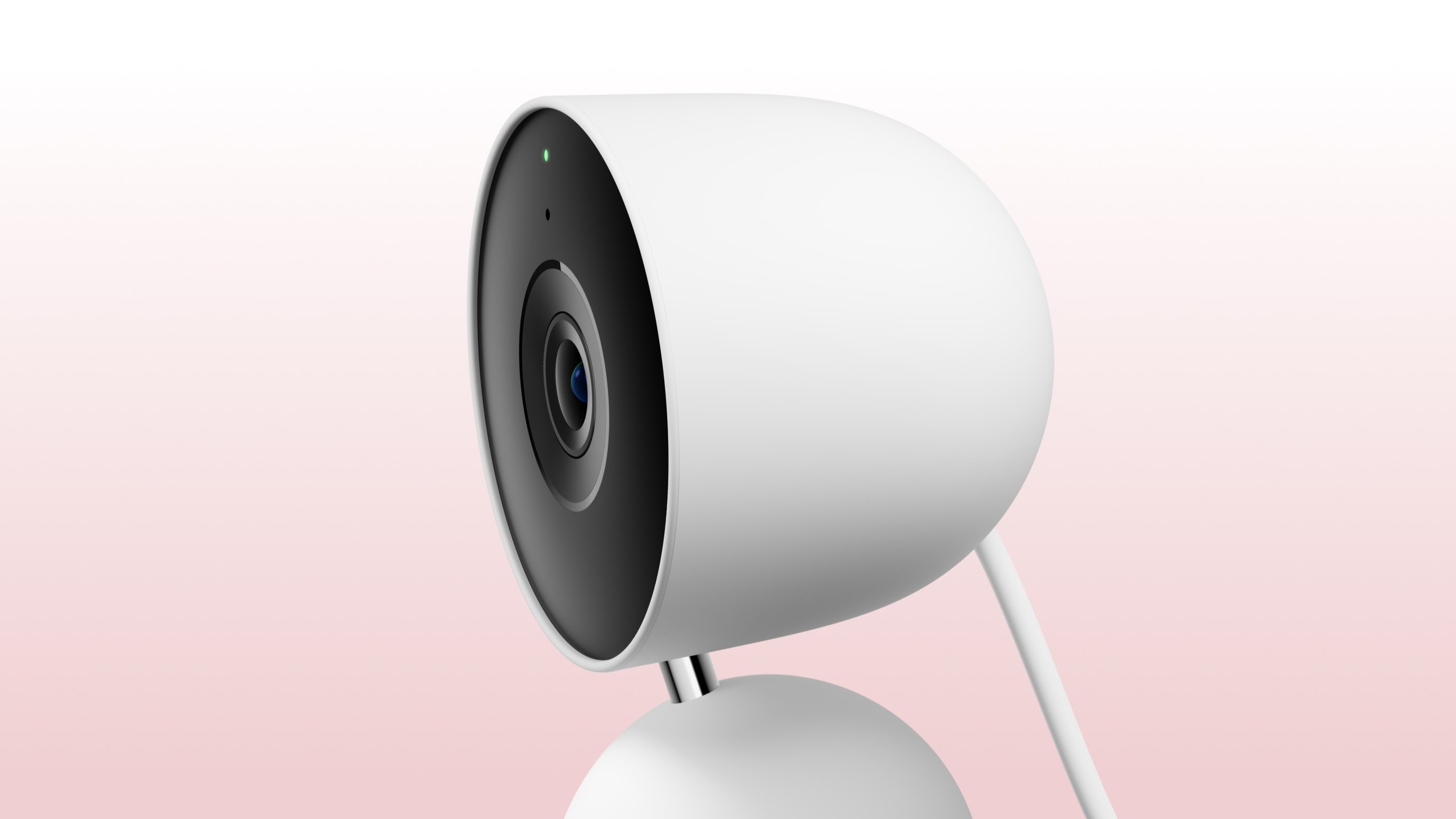
The Nest lineup also gets across-the-board markups, with all five Nest cameras and doorbells seeing price increases of $20 to $50.
If you've been holding off on picking up Google’s smart home hardware, your hesitation just got a lot more expensive. The tech giant has quietly increased prices across its streaming and security hardware lineup.
The Google TV Streamer arrived in 2024 for $100, replacing Chromecast as Google’s flagship streaming box. It was also pretty easy to find below that price, with holiday discounts knocking a few bucks off. Now, Google has quietly bumped up the device’s price by $50 to $150, as spotted by 9to5Google.
The new price is already appearing at Google Store and Best Buy, though some retailers are still selling remaining stock for $100. For example, not all listings have been refreshed by Amazon yet. If you are fast enough, you may be able to pick up older stock at launch prices before it is cycled out.
Google mentions increased component costs, with the Streamer’s 4GB of RAM and 32GB of storage making memory costs a likely factor behind the increase. Other recent Google hardware has already been under the same broader cost pressures.
(Image credit: Google)
The Nest lineup is taking a hit, too. Google has increased the price of all five of its currently available cameras and doorbells by $20 to $50. The battery-powered Nest Cam is now $200, up from $180, while the second-generation wired Nest Cam Outdoor jumps from $150 to $200.
The third-generation wired Nest Cam Indoor rises to $130 from $100. Both the wired and battery Nest Doorbells now cost $200, up from $180.
Interestingly, the Nest Cam with Floodlight bundle is still priced at $280, and the Nest Hub, thermostats, and the new Google Home Speaker remain unchanged for now.
These changes went into effect August 31, Google says, and with component costs still a big part of hardware pricing, it may be a lot harder to find these older launch prices.
from Latest from Android Central https://ift.tt/MotGAW2
via IFTTT
Android 17 QPR2 has officially hit Platform Stability with Beta 4, meaning APIs are locked and the update is in its final stretch focused entirely on system polish and bug fixes.
Google fixed several Pixel pain points, including overheating, unexpected reboots, gesture navigation, battery-limit charging, Recents, Bluetooth audio, and screen-recording issues.
Hardware support gets attention, too, with fixes for USB-C XR mirroring, 3D smart-glasses displays, and low-light Face Unlock.
Google’s Android 17 QPR2 beta cycle is moving into its final stretch. Beta 1 was released on July 20, with Beta 2 following on 3 August and Beta 3 only 11 days later. Now, Beta 4 has arrived with a long list of fixes, and more importantly, Android 17 QPR2 has reached Platform Stability.
That milestone means Google has locked the API surface for the release, giving developers a much more stable target for testing apps ahead of the update reaching users more broadly. QPR2 is a pretty small SDK update that has no planned behavior changes, so this build is much more about polish, stability, and fixing things that could make a Pixel frustrating to use.
Critical bug fixes
And there are a lot of things to fix. As per the changelog, Beta 4 resolves a bug in thermal management that could cause overheating and reboots. Another solution is for the 80% battery limit feature that takes way too long to finish charging the last 2%. Google has also fixed broken gesture navigation and a transparent status bar that could appear after full-screen video with specific display-cutout settings enabled.
You'll see that polish in everyday Pixel features as well. The search in the app drawer may stop accepting text input. Bluetooth call audio may be routed incorrectly through the phone speaker. The Recents screen may freeze or visually clip app cards. Google also fixed a bug with screen-recording audio that could cause microphones to be unavailable to apps such as Gboard and Gemini until a reboot.
There’s some interesting hardware cleanup, too. Beta 4 brings back screen mirroring for USB-C XR glasses and fixes blank screens in 3D mode for connected smart glasses. It also solved Face Unlock issues in low-light conditions that would take users straight to a PIN.
Android 17 QPR2 is also beefing up the protection against call-forwarding scams by limiting some USSD-based forwarding commands and requiring confirmation when users manually dial them.
Positive user feedback
Reddit users who own Pixels are giving surprisingly positive early feedback. One Pixel 9a owner called Beta 4 the most stable QPR2 build yet, with the lag gone and performance noticeably improved. Another Pixel 8 owner said that the phone now feels "fast."
Beta 4 isn’t perfect, though. Some testers complained about oversized text and a lower display resolution after installing the update, though one user said a reboot fixed everything. At least one tester also states that a Bluetooth routing issue for incoming calls has persisted across all four QPR2 betas, with them having to manually select the Bluetooth audio source.
Beta 4 is rolling out to a wide range of Pixel phones and tablets, with Pixel 11 support listed as “coming soon” for now. Some early beta testers on Reddit said a download of about 671MB on a Pixel 9 Pro XL, with a few rollout quirks and some confusion on the update screen.
If you're already a Pixel owner and are enrolled in the beta, you'll get the update over the air. Just know that if you leave the program after installing Beta 4, it can wipe your data.
from Latest from Android Central https://ift.tt/sezSbXU
via IFTTT
The Galaxy S27 Ultra could replace its 3x and 5x telephoto cameras with a single new 4x f/1.9 zoom camera.
The rumored 4x telephoto camera would match the native optical zoom of the iPhone 17 Pro.
Leaked CAD renders appear to show room for only one telephoto camera alongside the Galaxy S27 Ultra's main sensors.
A new leak may have revealed the new zoom camera Samsung is planning for the Galaxy S27 Ultra.
The Galaxy S27 Ultra is finally starting to take shape. We recently saw CAD renders of the Galaxy S27 Ultra that revealed a redesigned camera module with an iPhone 17 Pro-like horizontal camera plateau. Another leak also suggested that Samsung might finally increase the battery capacity on its upcoming flagship.
Until now, Samsung has used two different zoom cameras on its recent Ultra flagships, traditionally offering a combination of 3x and 5x telephoto lenses. But with the Galaxy S27 Ultra, it looks like Samsung could be changing that strategy.
(Image credit: Nicholas Sutrich / Android Central)
The company will reportedly switch to a single telephoto camera offering 4x optical zoom. Interestingly, that's also the zoom level Apple offers on the iPhone 17 Pro.
The recently leaked CAD renders also appear to leave room for only one telephoto camera inside the pill-shaped module next to the two main cameras on the horizontal camera plateau, so that could be where this new 4x camera sits.
Samsung is testing a super telephoto (1/1.9 4x)August 30, 2026
The leaker hasn't revealed the megapixel count or any other specifications of the new sensor just yet. But with the Galaxy S27 Ultra still around six months away, we expect to learn much more about the camera setup as we get closer to launch.
Of course, there's still plenty of time for Samsung to change things before the hardware is finalized. But between the redesigned camera module, rumored larger battery, self-healing display glass, and now this new 4x telephoto camera, we're finally starting to get a clearer picture of the direction Samsung could be taking with the Galaxy S27 Ultra
from Latest from Android Central https://ift.tt/YZLq1NH
via IFTTT
The memory crisis is affecting the mid-range phone category to a noticeable extent in 2026, and that is evident with the launch of the Redmi Note 17 Pro Max. Previous models in the series stood out for delivering the best hardware and value, but that hasn't been the case for the last two years at least.
While the Redmi Note 14 Pro+ had a great design and 200MP camera, it debuted with outdated software and shortsighted moves like missing 4K60 video. The Redmi Note 15 Pro+ had similar issues, and it cost even more while offering less in the way of features.
Annoyingly, the Redmi Note 17 Pro Max is even worse. Xiaomi is distracting buyers by adding a huge 9,210mAh silicon-carbon battery that ostensibly lasts up to three days, but there's no getting around the fact that this phone is slower, doesn't have as much memory, and isn't as good in daily use as its predecessor. The Note 17 Pro Max costs $499 at launch, and honestly, your money is better spent on just about any other phone.
Look, there are areas where the Redmi Note 17 Pro Max is better than other phones, particularly with battery life. Thanks to a 9,210mAh silicon-carbon battery, the phone lasts two and a half days with medium use, and even with heavy usage, you can get it to last two entire days. And when you need to charge it, there's 100W USB PD 3.0, so it takes just an hour to get to a full charge. Battery life is unquestionably the best feature on this phone, and Xiaomi even sells a model with a 10,000mAh battery (if the 9,210mAh unit isn't adequate).
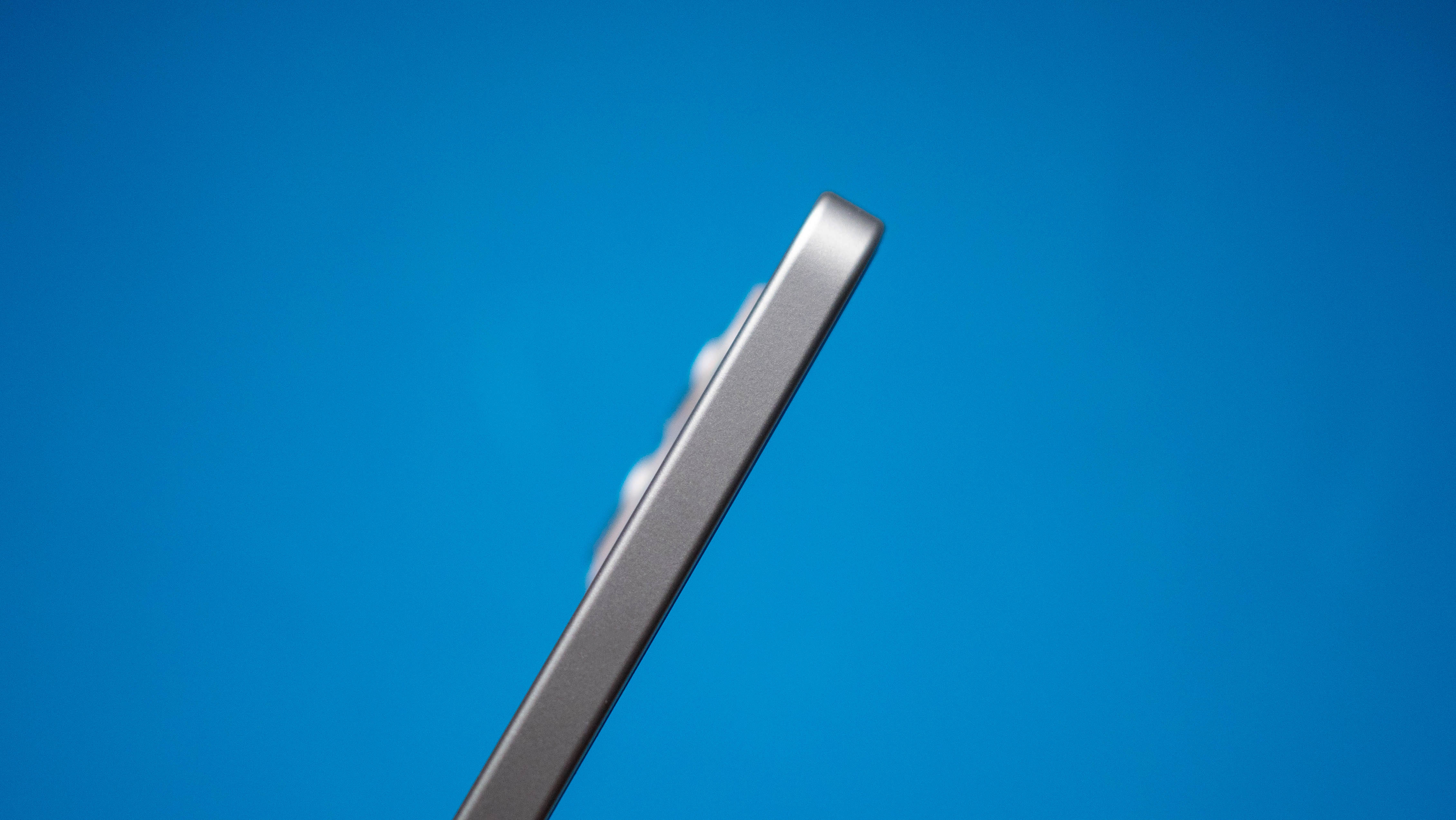
I like that the phone doesn't feel like a brick; it has a flat design and is good to hold and use, and it has similar dimensions as the Galaxy S26 Ultra, if a bit chunkier and 14g heavier. That said, it isn't unwieldy to use in the least, and Xiaomi deserves credit for the design. Also, the Note 17 Pro Max has better durability thanks to a new polycarbonate mid-frame, and it gets IP68 and IP69K ingress protection — like the best Android phones. But in classic Xiaomi fashion, IP69K isn't available on all global models.
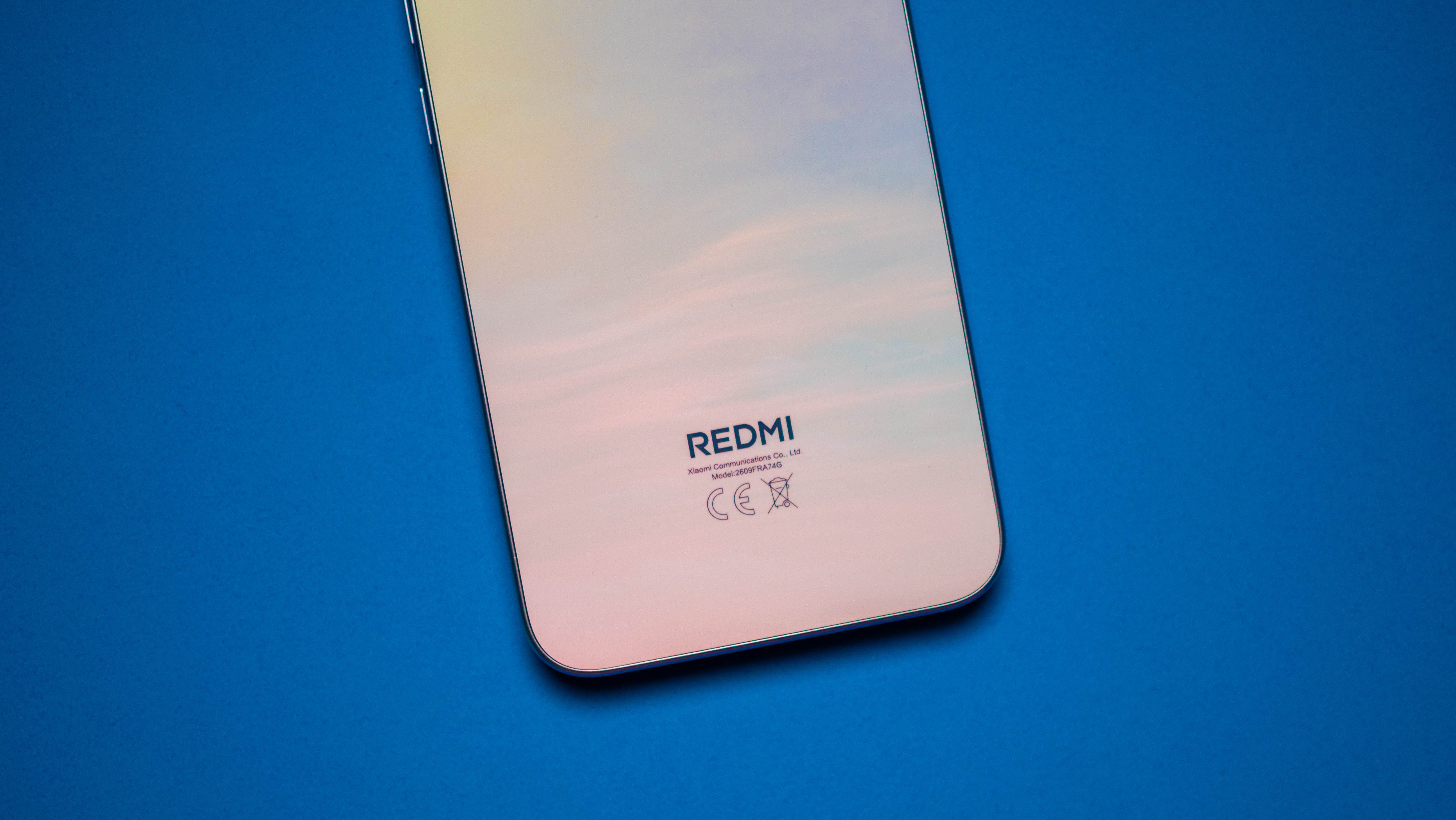
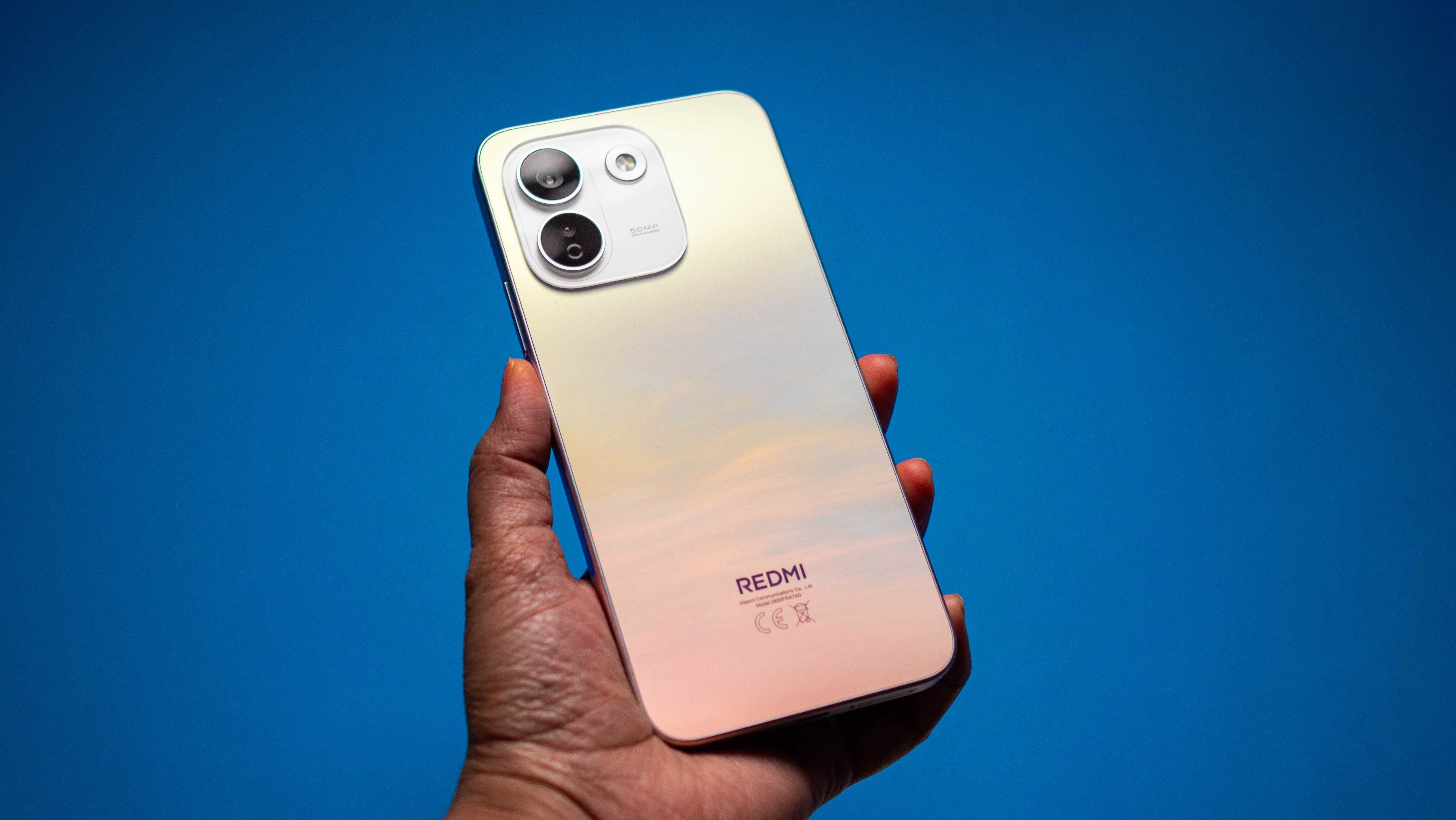
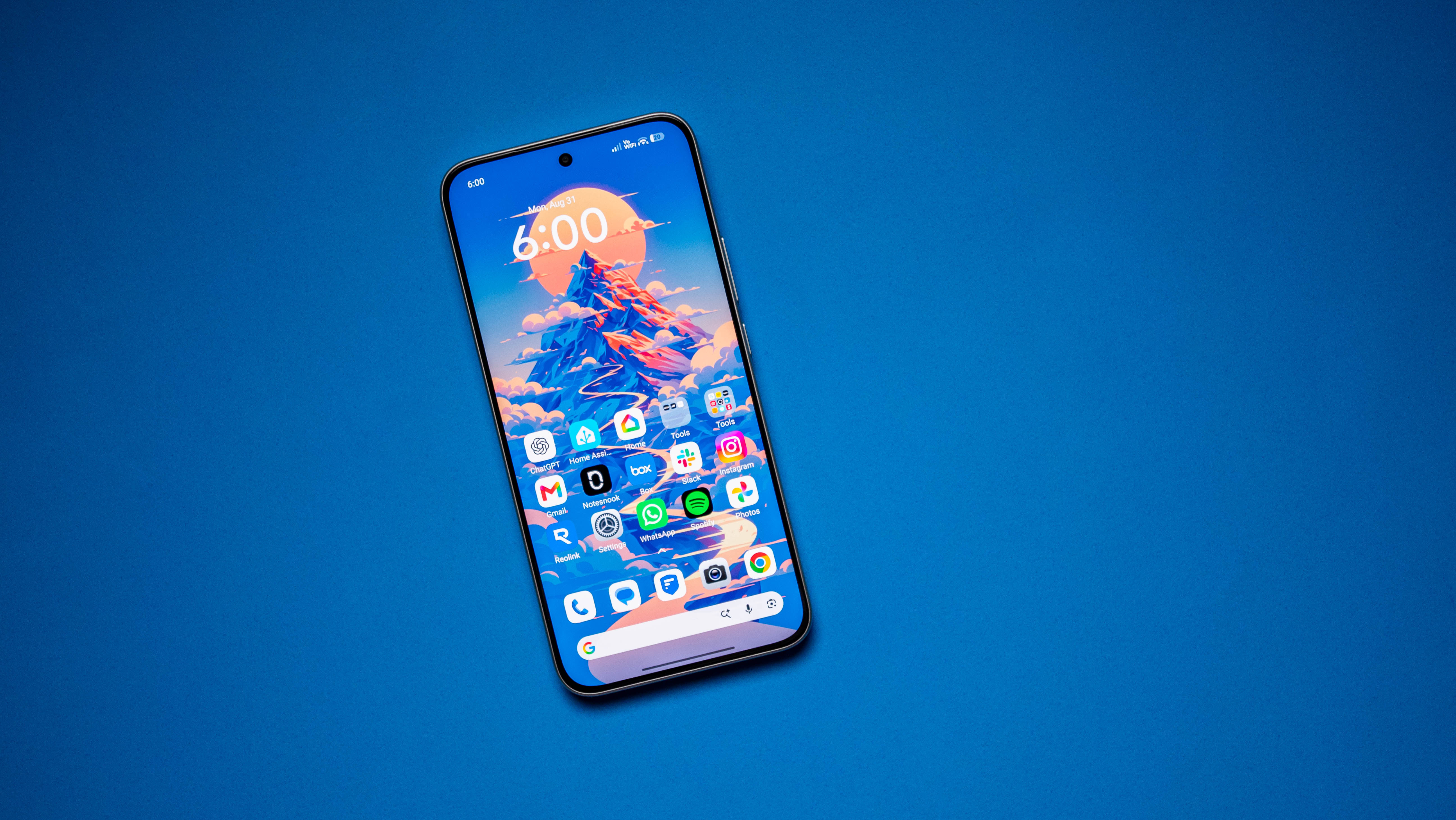
The Cloud Blush color looks good too. It has an iridescent pattern that subtly shifts as light reflects the body, and it adds a bit of elegance to the phone. The 6.83-inch OLED has good colors out of the box, and it gets bright in daily use. While a few Xiaomi phones had issues with HDR content, that thankfully isn't an issue here, and the 120Hz panel on the Note 17 Pro Max is pretty good overall. It doesn't get quite as bright as the 15 Pro+ when using both phones side-by-side, but I didn't notice any issues in outdoor use.
Okay, that's it for the positives. Xiaomi made a lot of changes to the hardware this time around, starting with the use of silicon. Last year's model came with a Snapdragon 7s Gen 4, so it is annoying to see Xiaomi move to the Snapdragon 6 Gen 5 with the Note 17 Pro Max. What's particularly insidious is that this chipset still uses the A78 and A55 cores, which are positively ancient at this point.
To give you some context, last year's model has the newish A720 and A520 cores, so the Note 17 Pro Max is a clear downgrade — and it shows in everyday use. There is noticeable lag when you're multitasking, and high-end gaming is an exercise in futility. Device manufacturers have made plenty of positive strides in bringing decent hardware to mid-range phones, but Xiaomi reversed all of that with the Note 17 Pro Max.
The Note 17 Pro Max starts with 8GB of RAM and 128GB of UFS 2.2 storage, and that is just not good enough in 2026. It is yet another area where this year's phone is a downgrade. On that subject, the 50MP main camera is decent if you take photos, but it once again misses out on 4K60 video — at this point, it's clear that Xiaomi doesn't want to offer this feature. It isn't quite as good in low-light situations, and the cameras overall don't hold a candle to the Pixel 10a.
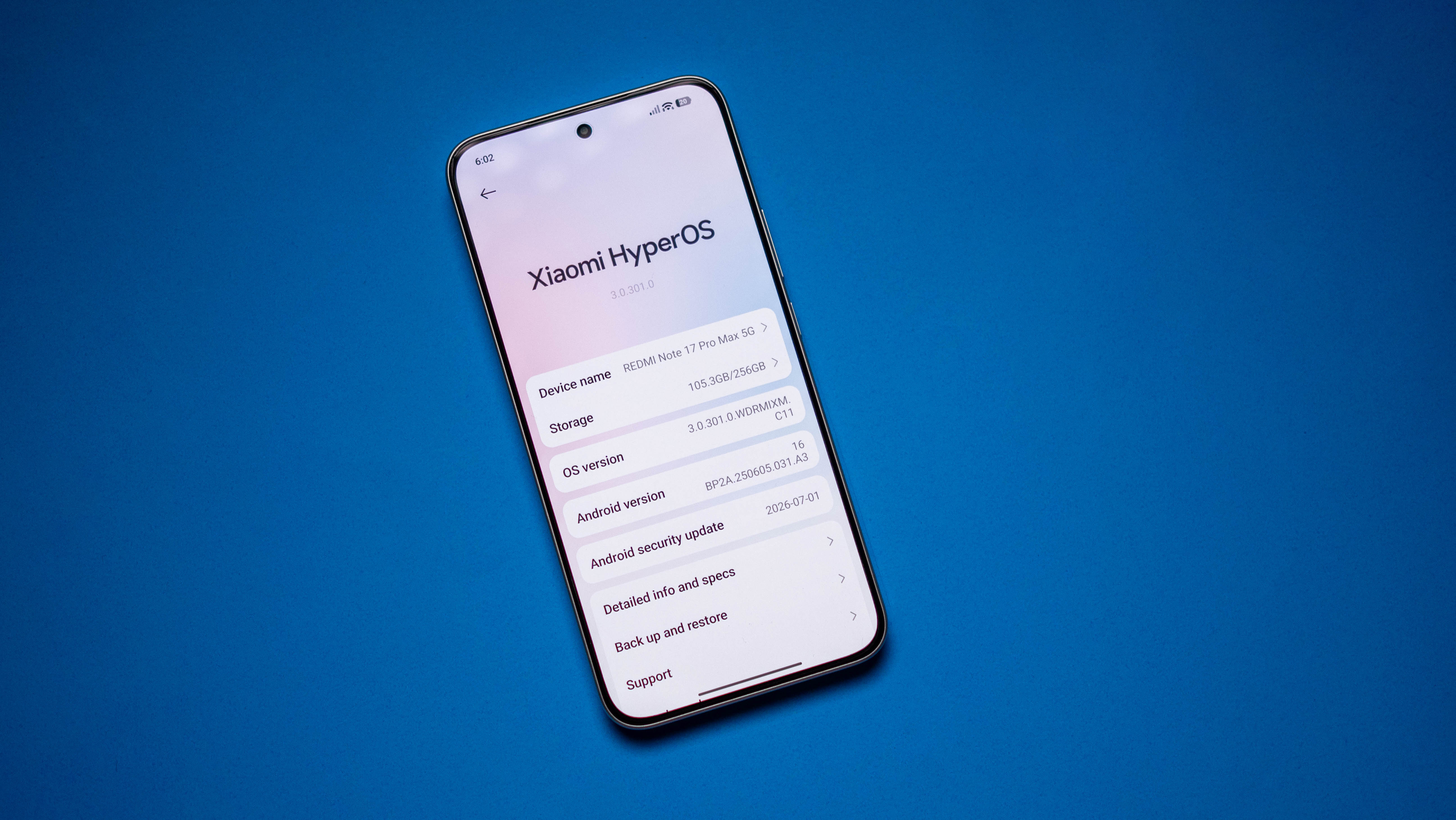
Then there's the software. The Note 17 Pro Max runs Android 16 out of the box, and I just don't get it. Google released the stable Android 17 build 74 days before Xiaomi introduced the Note 17 Pro Max, so it isn't like the brand had enough time to pre-install the latest version of Android. This is once again a choice, as it means Xiaomi doesn't need to deliver quite as many platform updates.
Yes, the Redmi Note 17 Pro Max has the best battery life of any phone I used in 2026, and it looks and feels good to hold and use. The OLED panel is vibrant, and the main camera is decent enough in this category. However, the downgraded hardware combined with 8GB of RAM and annoying bloat-ridden software means there isn't much of a reason to buy this phone — the Note 15 Pro+ is still a better choice in every area other than battery life. If you're looking to get a mid-ranger in 2026 and need something made by Xiaomi, my recommendation is the POCO X8 Pro.
from Latest from Android Central https://ift.tt/mKkButs
via IFTTT
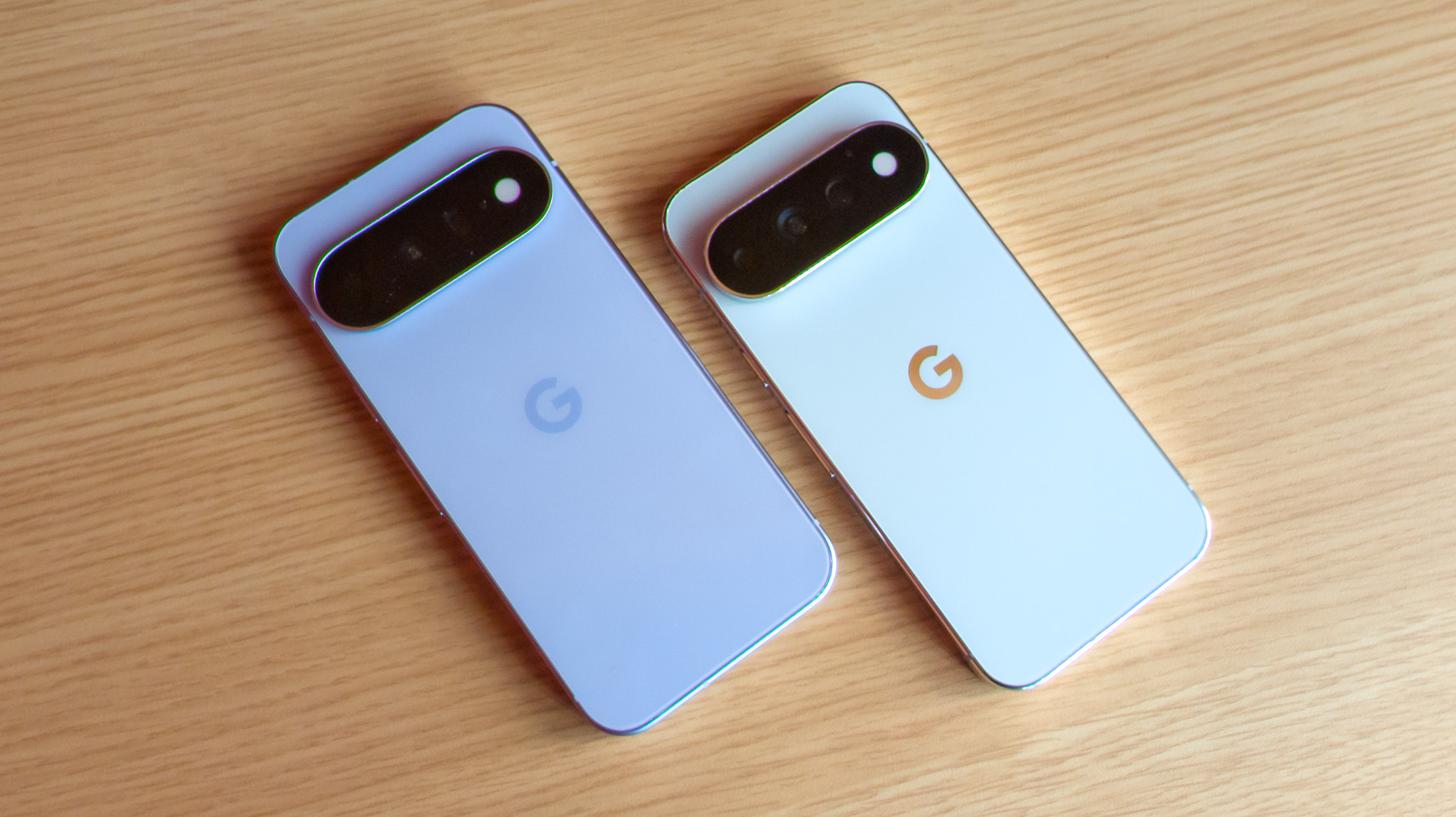
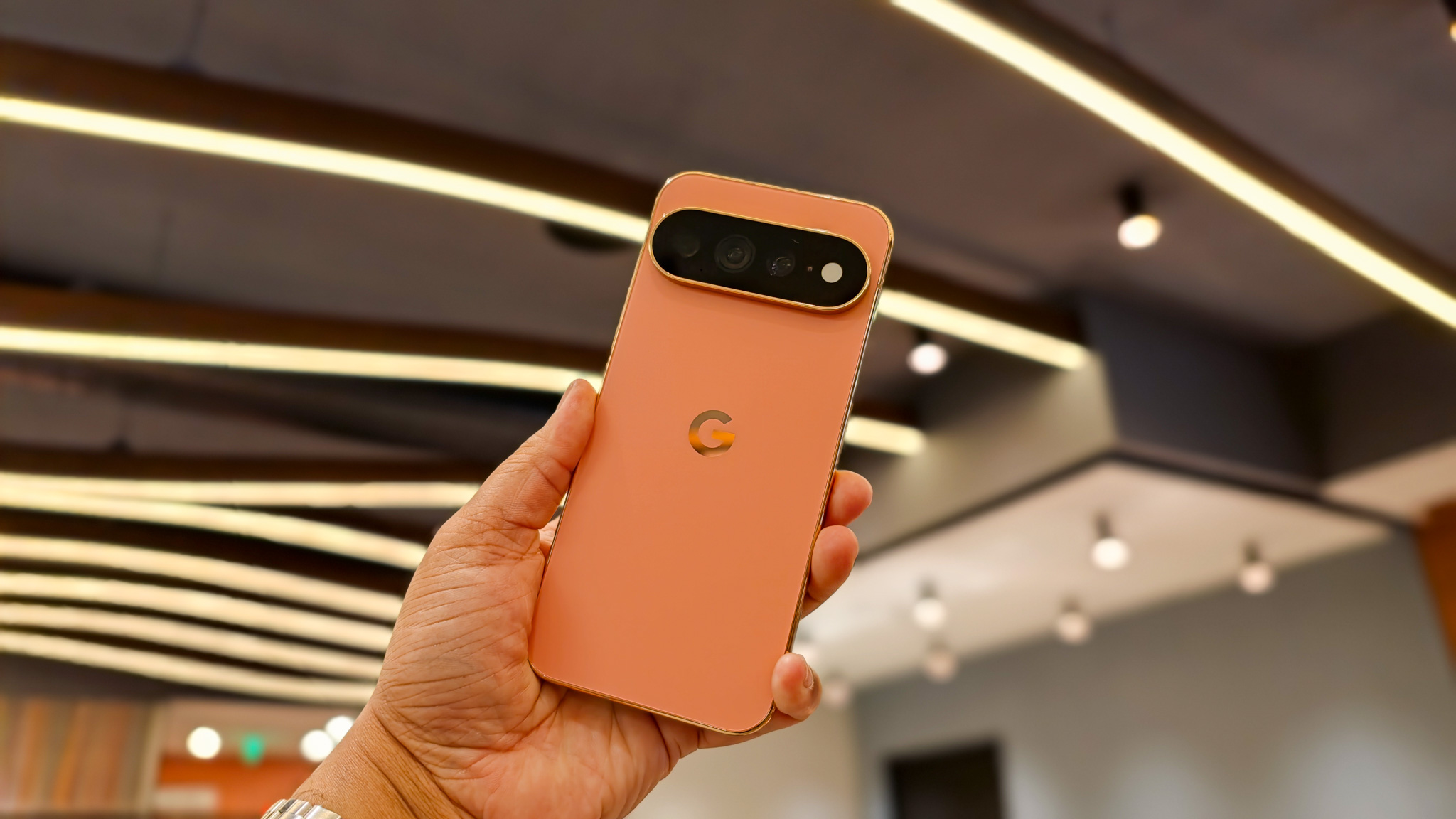
Google finally upgraded the base storage with the Pixel 11 series, among other notable upgrades and modifications. One thing remains constant, though, and that's the number of models launched. There's the basic Pixel 11, the more advanced but petite Pixel 11 Pro, and the larger-than-life Pixel 11 Pro XL.
Upgrades like increased internal memory, a faster processor, and the fancy HiLight in its RGB glory come at a cost; the Pixel 11 series starts at $100 more than the Pixel 10 series. The spike in RAM prices may also be to blame, but it doesn't matter who the culprit is. You're here to decide which of the three Pixel 11 models deserves your money the most.
So, how do you decide which Google Pixel 11 model you should buy? Each phone has something to offer and caters to a particular kind of user. Let's compare all three devices and come to a conclusion.
The baby Pixel 11 is the entry point to Google's 2026 flagship series. Following the across-the-board price increases, it sells for $899 with 256GB of storage and $1,019 for the 512GB variant. Both memory options come with 12GB of RAM. Unlike the Pixel 11 Pro and Pro XL, the Pixel 11 has different colorways.
The Pixel 11 supports faster 25W wireless charging than the Pixel 10. Other changes include the new Tensor G6 chipset, all the latest Gemini features, and some camera upgrades, though you still get the lowest-resolution cameras in the Pixel 11 family and no HiLight RGB light. Notably, the Pixel 11 has a slightly larger 4,985mAh battery compared to the Pixel 11 Pro's 4,850mAh.
For the price that you pay, the year-over-year upgrades aren't significant enough, making it really hard to recommend the base Pixel 11. It just doesn't make sense. You're better off purchasing the last-gen Pixel 10 at a much lower price, or adding $200 to score the Pixel 11 Pro.
The new and improved Pixel 11 Pro
(Image credit: Shruti Shekar / Android Central)
The Pixel 11 Pro retails at $1,099 for the 12GB/256GB variant. Meanwhile, the 512GB and 1TB variants bump the RAM to 16GB, priced at $1,219 and $1,449, respectively. The 11 Pro shares the same charging specs as the base Pixel 11, but for some reason it has a smaller battery than the Pixel 10 Pro and the Pixel 11.
The HiLight adds a glowing dot to your Pixel 11 Pro, so you can get more info about your notifications without picking up your phone. It has the same Tensor G6 chipset and advanced Gemini features as the rest of the Pixel 11 family.
The Pixel 11 Pro and Pro XL are nearly identical in every way except for size, battery capacity, and charging speeds. This is a rare instance where you truly get two different size options for the exact same flagship phone, including identical colorways. You get the same cameras on both phones, which is a huge bonus if you want a small phone that doesn't compromise on camera quality.
Choosing between the Pixel 11 Pro and Pixel 11 Pro XL comes down to size preference, then. If you're not keen on carrying a 6.8-inch device that is an ounce heavier than the petite Pro model, there's no need to upgrade to the larger, more expensive Pro XL. You might get a smaller battery, but the smaller display should consume less power than the Pixel 11 Pro XL, which should average out the uptime to some extent. Overall, this is the ideal Pixel 11 model for most people, as it delivers the most value for money.
Google stuffed the Pixel 11 Pro XL with features like a turkey stuffed with fillings on Thanksgiving, making it the most feature-rich model in the Pixel 11 series. Like the rest, the Pro XL starts at $100 more. The base memory variant costs $1,299 for 256GB of storage and a lower 12GB of RAM than the last-gen Pixel 10 Pro XL. The other two variants come with 16GB of RAM and are priced at $1,419 for 512GB and $1,649 for 1TB of storage.
The Pixel 11 Pro XL is equipped with all the latest features you would expect: the advanced Tensor G6 chipset with the Titan M3 security chip, Gemini's latest capabilities such as Rambler and Magic Capture, and the HiLight notification LED. The cameras have also been upgraded, elevating what was already a brilliant photography and videography experience.
Google pulled all the stops with this one, giving it the largest battery and fastest charging speed of the Pixel 11 trio. The big screen does make this the heaviest Pixel 11, though, and it has a smaller battery compared to the older Pixel 10 Pro XL. If you want the biggest, most powerful Pixel 11, this is the model to get.
What about the Pixel 11 Pro?
(Image credit: Nicholas Sutrich / Android Central)
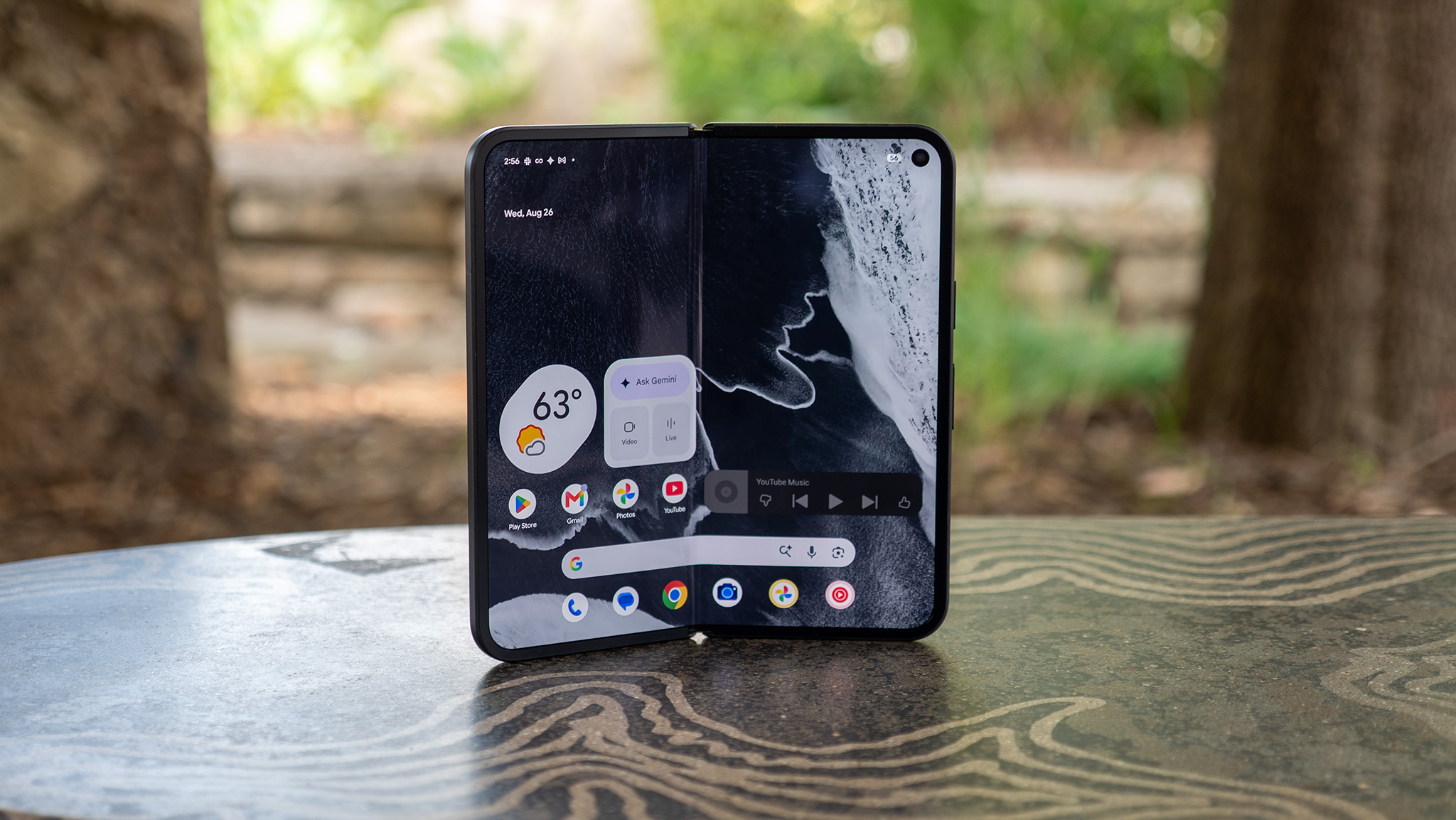
The Pixel 11 Pro Fold is technically part of the Pixel 11 family, but it sort of exists in its own sphere. However, if you're interested in foldables and curious about the Pixel 11 Pro Fold, we've got you covered in a separate article that discusses whether you should buy one. Just be prepared to pay a pretty penny if you do!
from Latest from Android Central https://ift.tt/lvi32Au
via IFTTT
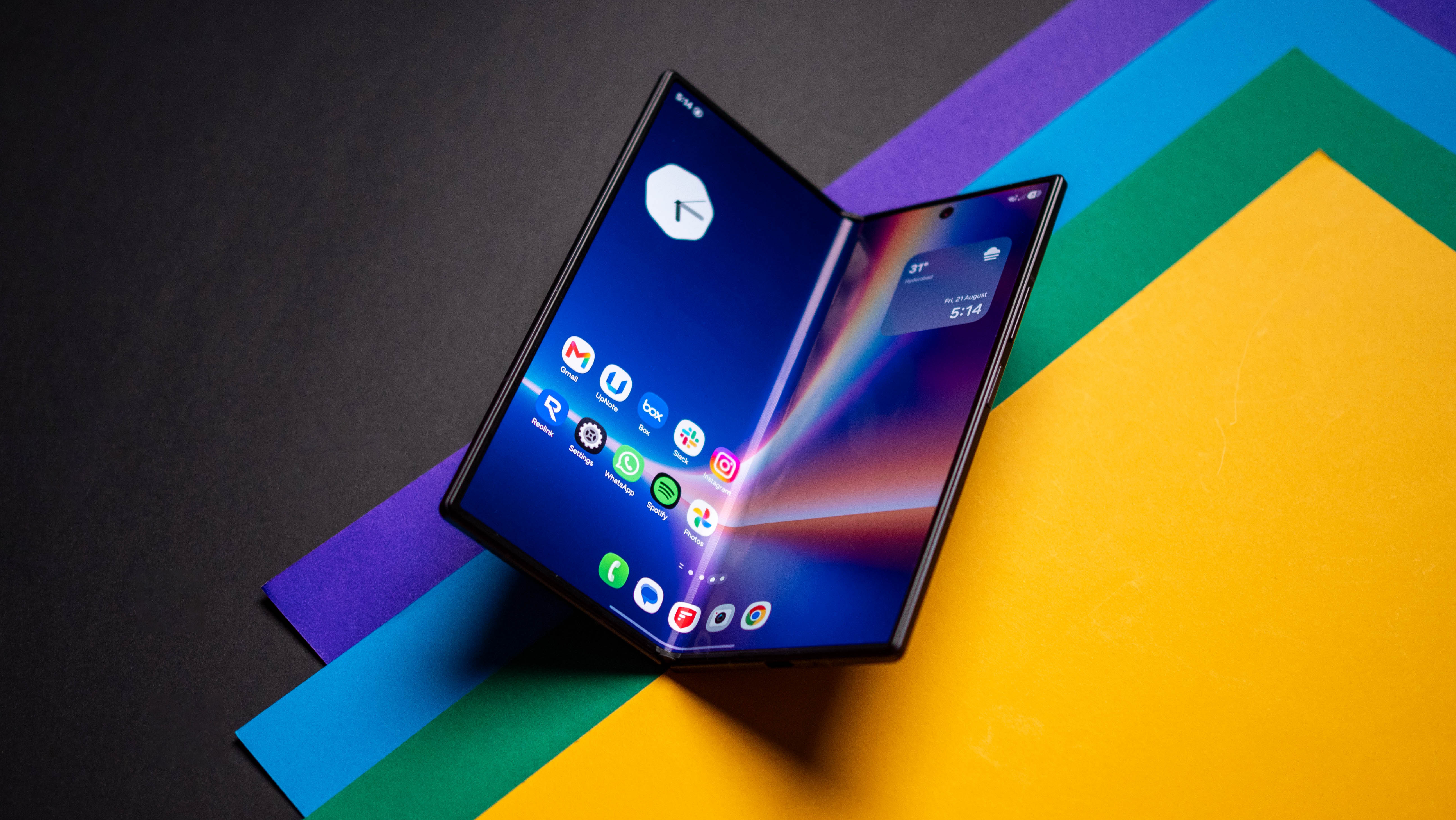
Samsung's book-style foldables have historically featured squarish (1:1) aspect ratios for their main displays, but the Galaxy Z Fold 8 changes that. It's a wider foldable with a 7.6-inch folding display that uses a 4:3 aspect ratio. As a result, the Galaxy Z Fold 8 is better for widescreen video and mobile games, such as modern TV shows, movies, and game titles you're likely to play on an Android foldable. The Galaxy Z Fold 8 makes a handful of compromises to get there, so it's not for everyone.
Luckily, the Android foldable market is ripe with options — and Apple is said to be gearing up to launch a wide "iPhone Ultra" foldable as well. For now, there are five Android phones I'd consider instead of the Galaxy Z Fold 8. Whether you're looking for great displays, long battery life, sharp cameras, or maximum durability, there's something for everyone here.
Samsung's Galaxy Z Fold 8 is fun to use, but it isn't the flagship foldable of 2026. That would be the Samsung Galaxy Z Fold 8 Ultra, which is a pricey pick at $2,100. This phone uses the same Snapdragon 8 Elite Gen 5 chipset and runs the same One UI 9 software. However, the Galaxy Z Fold 8 Ultra offers enough upgrades to be your top alternative to the Galaxy Z Fold 8.
The nearly square folding display is better for multitasking, but it's also larger, with an 8-inch folding AMOLED screen. The cover screen is bigger, too, at 6.5 inches, and its aspect ratio makes the Galaxy Z Fold 8 Ultra feel like a traditional smartphone.
The Galaxy Z Fold 8 Ultra is almost a millimeter thinner and is crazy light, weighing only 215 grams. Somehow, Samsung managed to cram a 5,000mAh silicon-carbon battery in this slim chassis — larger than the one in the regular Galaxy Z Fold 8.
Plus, the Galaxy Z Fold 8 Ultra includes a triple-camera system on the rear, headlined by a 200MP primary shooter. The ultrawide camera is upgraded to a 50MP sensor this year, and the system is rounded out with a 10MP telephoto. All these spec bumps combine to make the Galaxy Z Fold 8 Ultra a more well-rounded foldable than the Galaxy Z Fold 8, as long as you can live without the wide form factor.
Motorola Razr Fold
(Image credit: Derrek Lee / Android Central)
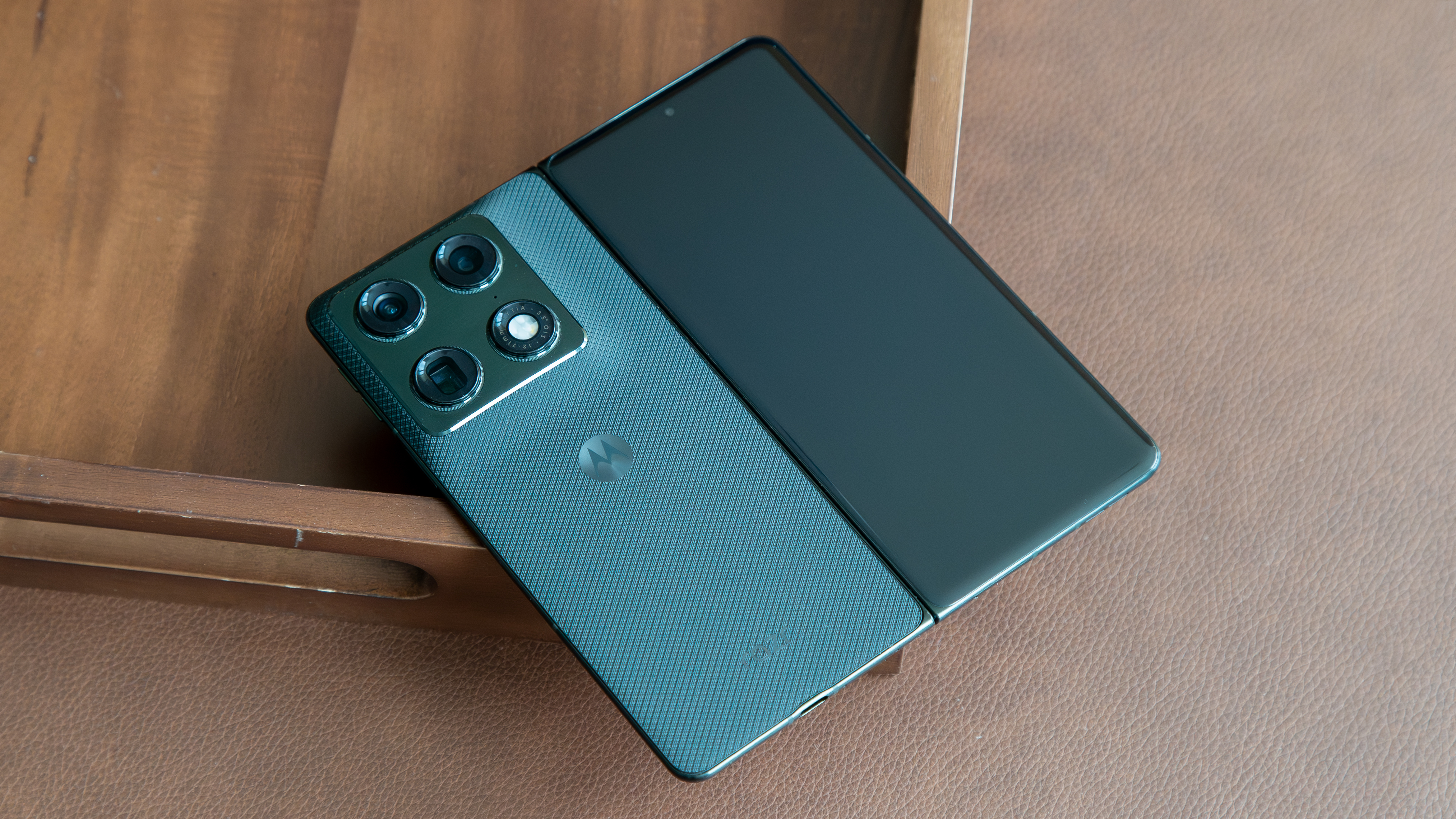
If battery life is your main priority, there's no better choice than the Motorola Razr Fold. It runs on a 6,000mAh silicon-carbon battery that charges at blazing 80W wired charging speeds and 50W wireless charging, as long as you use a proprietary charger. The Razr Fold has the largest foldable battery you'll find in the U.S., and it's still only 9.89mm thick. It is on the heavier side, but Motorola makes up for that with stylish vegan leather materials and a premium look.
The Razr Fold uses an 8.1-inch folding display that's larger than every other foldable on this list. It's also really bright at up to 6,200 nits. What's interesting is that the Razr Fold's 6.6-inch cover screen has a 165Hz refresh rate, making it more responsive than the Galaxy Z Fold 8.
Another perk of Motorola's first book-style foldable is its camera system, which we even compared to the Galaxy Z Fold 8 series. Every rear camera lens, from the primary shooter to the ultrawide and telephoto, uses a 50MP sensor. This gives you plenty of versatility, whereas the Galaxy Z Fold 8's ultrawide camera is low-resolution and lacks a telephoto.
The Razr Fold's base Snapdragon 8 Gen 5 chip might give you pause, but it shouldn't. Even without an "Elite" processor, the Razr Fold performs as it should.
Google Pixel Fold
(Image credit: Nicholas Sutrich / Android Central)
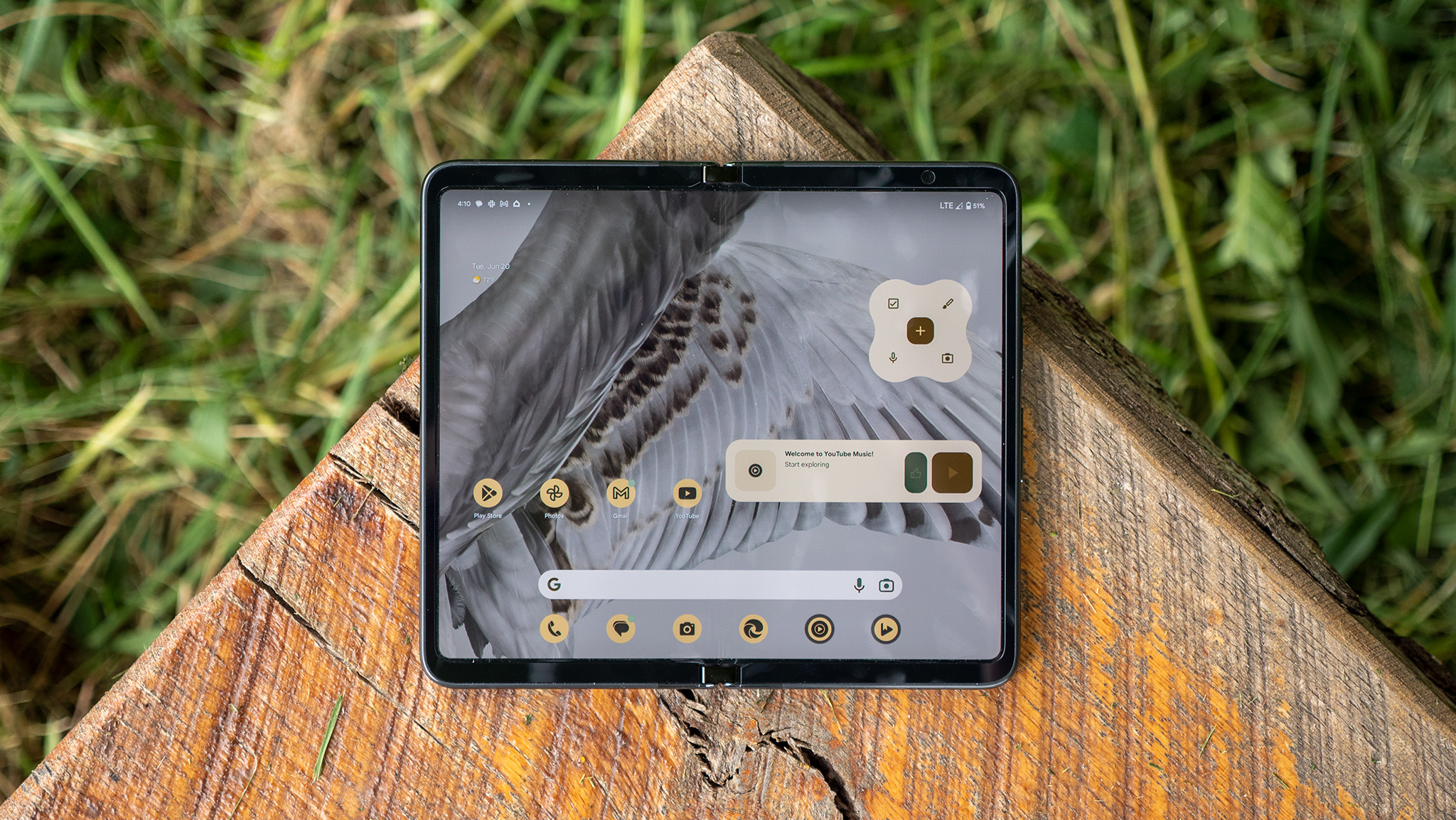
Samsung is trying to start a new foldable trend with the Galaxy Z Fold 8. Apple might introduce a wide foldable of its own with the iPhone Ultra, but until then, there's only one widescreen alternative to the Galaxy Z Fold 8: the original Google Pixel Fold. Released in 2023, the Pixel Fold has a 7.6-inch folding display with a wide 6:5 aspect ratio that feels similar to the Galaxy Z Fold 8.
If you're set on trying a widescreen foldable, the Pixel Fold is the only real alternative. The Tensor G2 chipset is showing its age, but the Pixel Fold's other core specs still hold up in 2026. You get a 4,821mAh battery, a triple-camera system, and a 5.8-inch cover screen. The phone is still fully supported with Android updates. You can run Android 17 on it today, and it's guaranteed to get at least Android 18.
What makes the Pixel Fold truly appealing is the price. If you can find it in new or refurbished condition, it'll be around $500 or less. On the secondhand market, it's not hard to find a Pixel Fold for $300 or less. That's a steal for a foldable, even one that's a few years old. It might be worth your while to track down an original Pixel Fold to get a Galaxy Z Fold 8 competitor with a wide-folding display at a low price.
Samsung Galaxy Z Flip 8
(Image credit: Derrek Lee / Android Central)
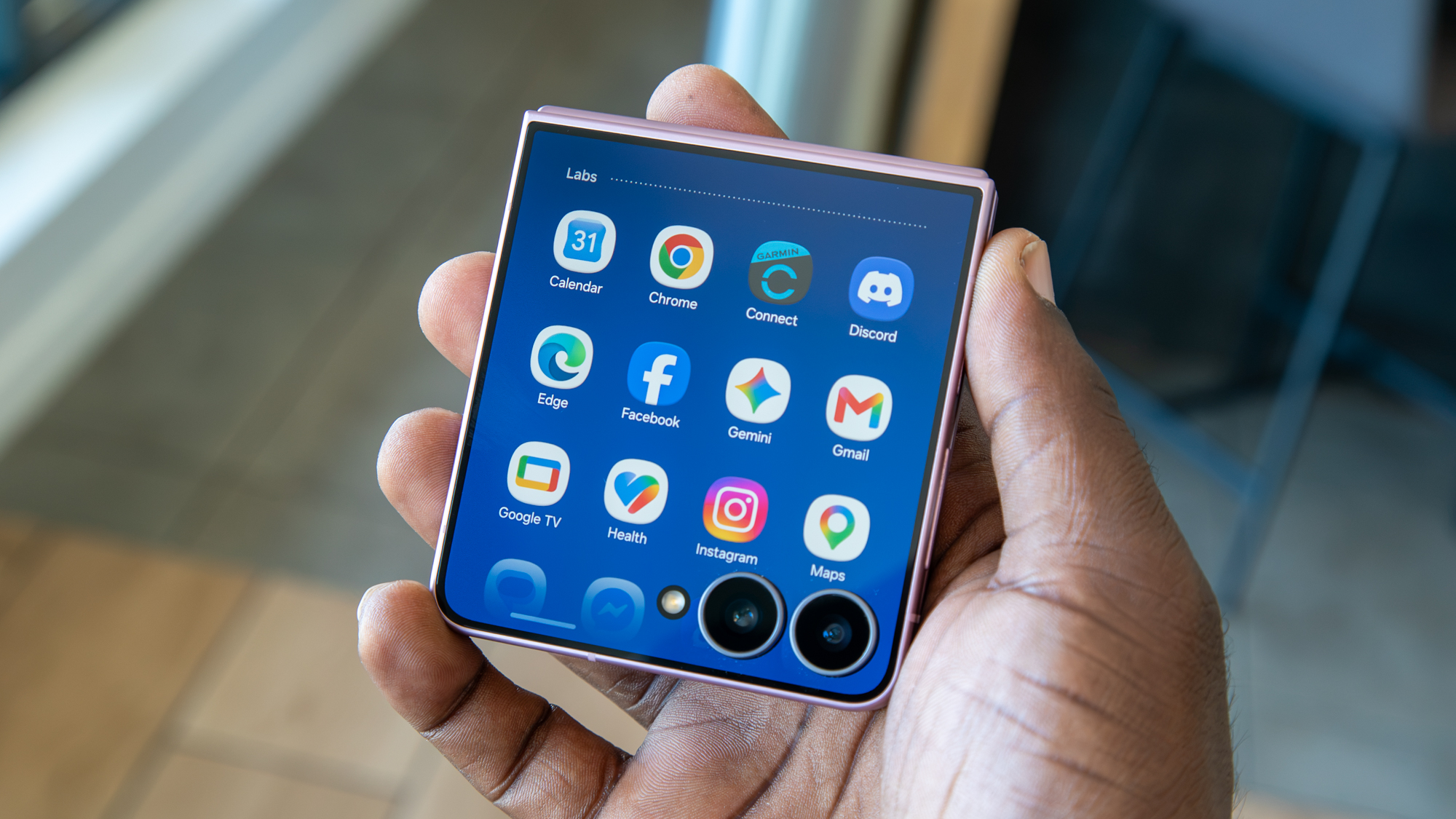
Part of the appeal of the Galaxy Z Fold 8 is its compact form factor when closed. Though it's a little wide, the Galaxy Z Fold 8's 5.5-inch cover screen is much more compact than modern Android phones. If you're intrigued by the smaller footprint, the Galaxy Z Flip 8 might be worth a look. As a flip phone, it's certainly a different experience than the Galaxy Z Fold 8, but it comes with practical benefits of its own.
The Galaxy Z Flip 8 is lighter than the Galaxy Z Fold 8 and measures only 85.7 tall when shut, making it disappear in your pocket. Plus, it has the same Snapdragon 8 Elite Gen 5 for Galaxy chipset, meaning you can expect similar performance across the two phones.
Samsung kept the same 4,300mAh battery in the Galaxy Z Flip 8, but it charges fairly fast at 25W via cable. That gets you about 55% of the battery in exchange for a 30-minute charge. The phone has a 6.9-inch display when unfolded, putting it in the Galaxy S26 Plus and Galaxy S26 Ultra territory. The 4.1-inch cover screen is usable, and the software is slowly getting better.
At $1,200, the Galaxy Z Flip 8 is about $700 cheaper than the Galaxy Z Fold 8. It might not be exactly what you had in mind when you started searching for a new foldable, but flip phones are fun, functional, and more affordable.
Google Pixel 11 Pro Fold
(Image credit: Shruti Shekar / Android Central)
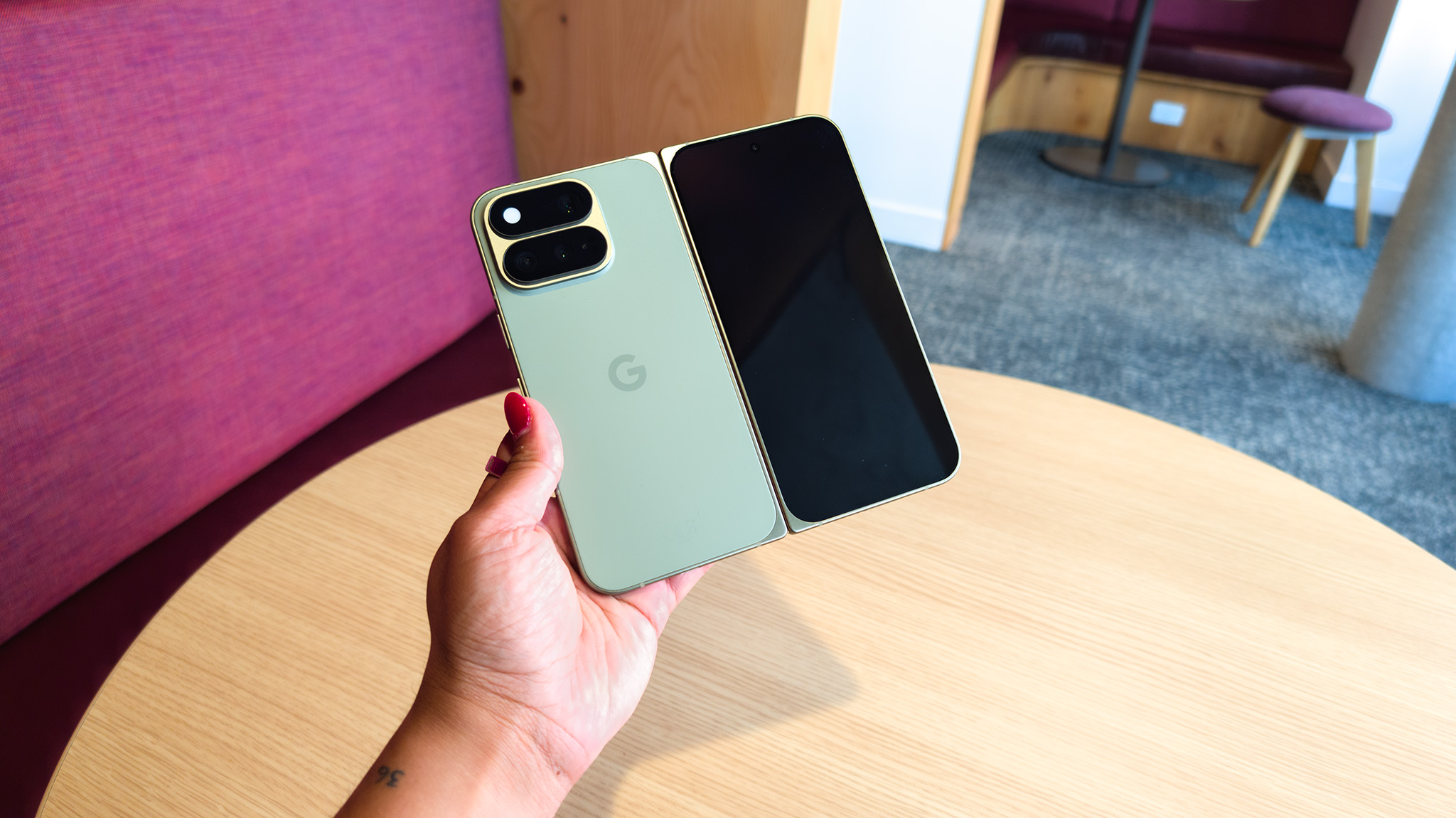
Google's Pixel 11 Pro Fold does two things better than any other foldable sold in the U.S.: durability and wireless charging. It's still the only foldable to be completely dustproof thanks to IP68 certification, meaning you don't have to worry about dust or sand working their way into your folding display assembly or hinge and causing trouble.
The Pixel 11 Pro Fold also has Qi2 magnets inside. This allows you to connect the Pixel 11 Pro Fold to Qi2, MagSafe, or Pixelsnap chargers and accessories without needing a third-party case. This time, the Pixel 11 Pro Fold isn't overtly thick because of its internal magnets. The foldable measures 10.1mm thick, which is respectable. The Galaxy Z Fold 8 is thinner, but doesn't have internal magnets.
Google has a few more tricks up its sleeve, like the Pixel 11 Pro Fold's HiLight feature, a colorful LED on the back flash that glows when you receive a call from a favorite contact or start chatting with Gemini. It's a bit gimmicky, but it makes the Pixel 11 Pro Fold unique. This is one of many Pixel-exclusive features on the Pixel 11 Pro Fold, such as Magic Capture and Camera Looks.
If you value IP68 and Qi2 as foldable features, you should choose the latest Google foldable over the Galaxy Z Fold 8.
Take your pick
If none of these foldables catch your eye, the Galaxy Z Fold 8 may indeed be the best option for your needs. Otherwise, consider traditional flagships, like the Google Pixel 11 Pro XL and the Samsung Galaxy S26 Ultra. While they don't have the large folding displays of the other phones on this list, these models are just as capable and cost hundreds of dollars less.
from Latest from Android Central https://ift.tt/hlB7HUJ
via IFTTT
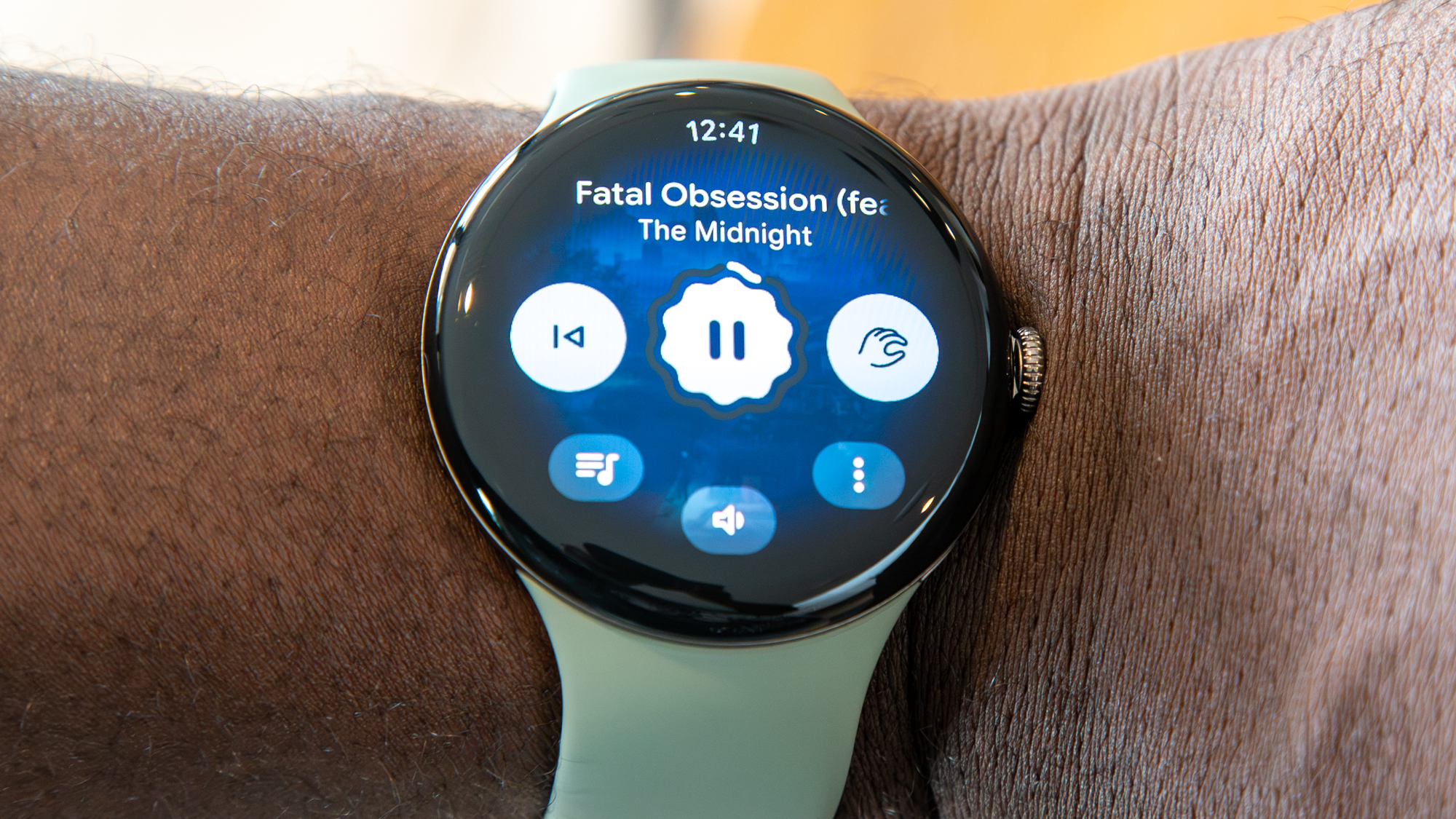
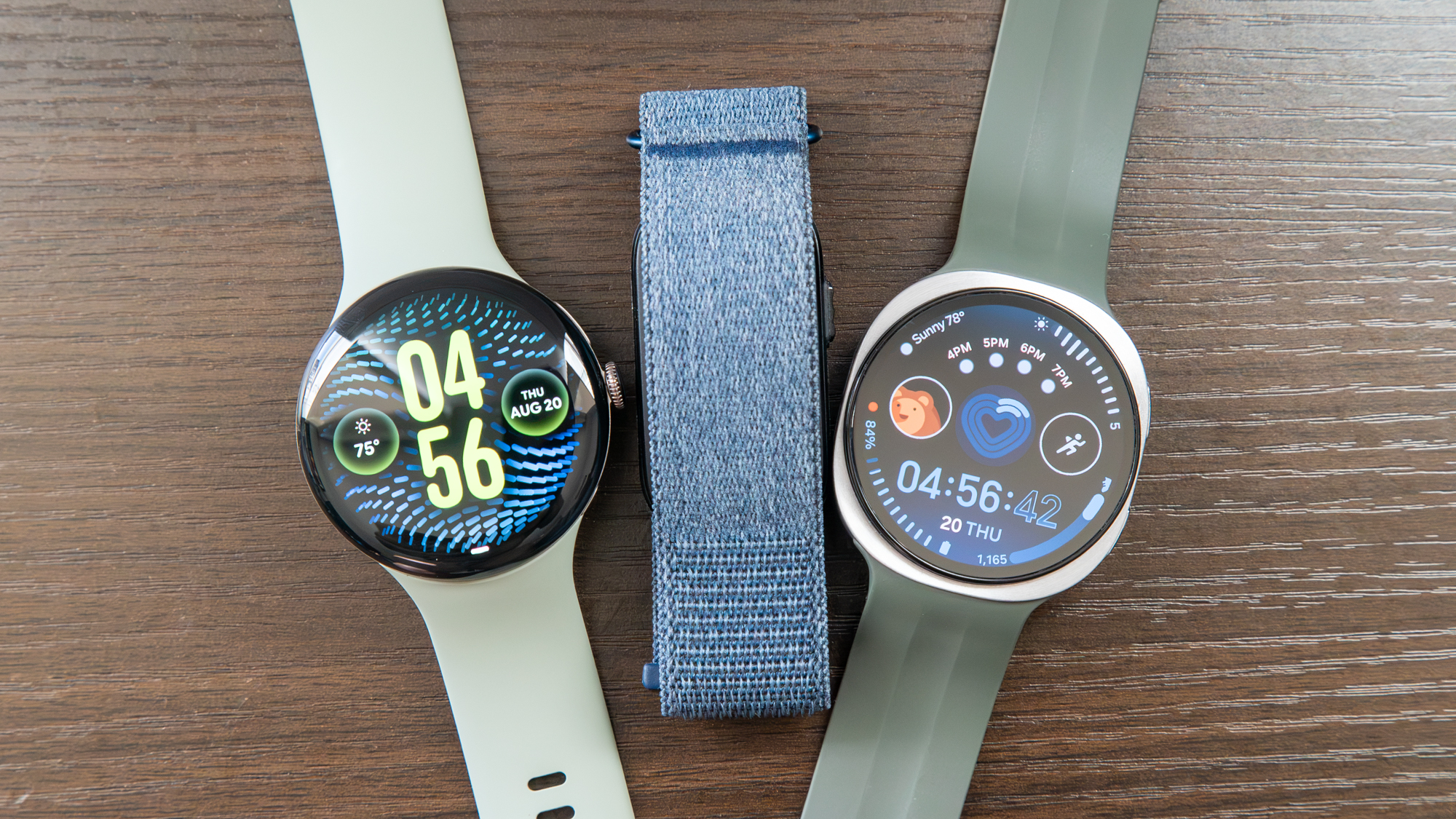
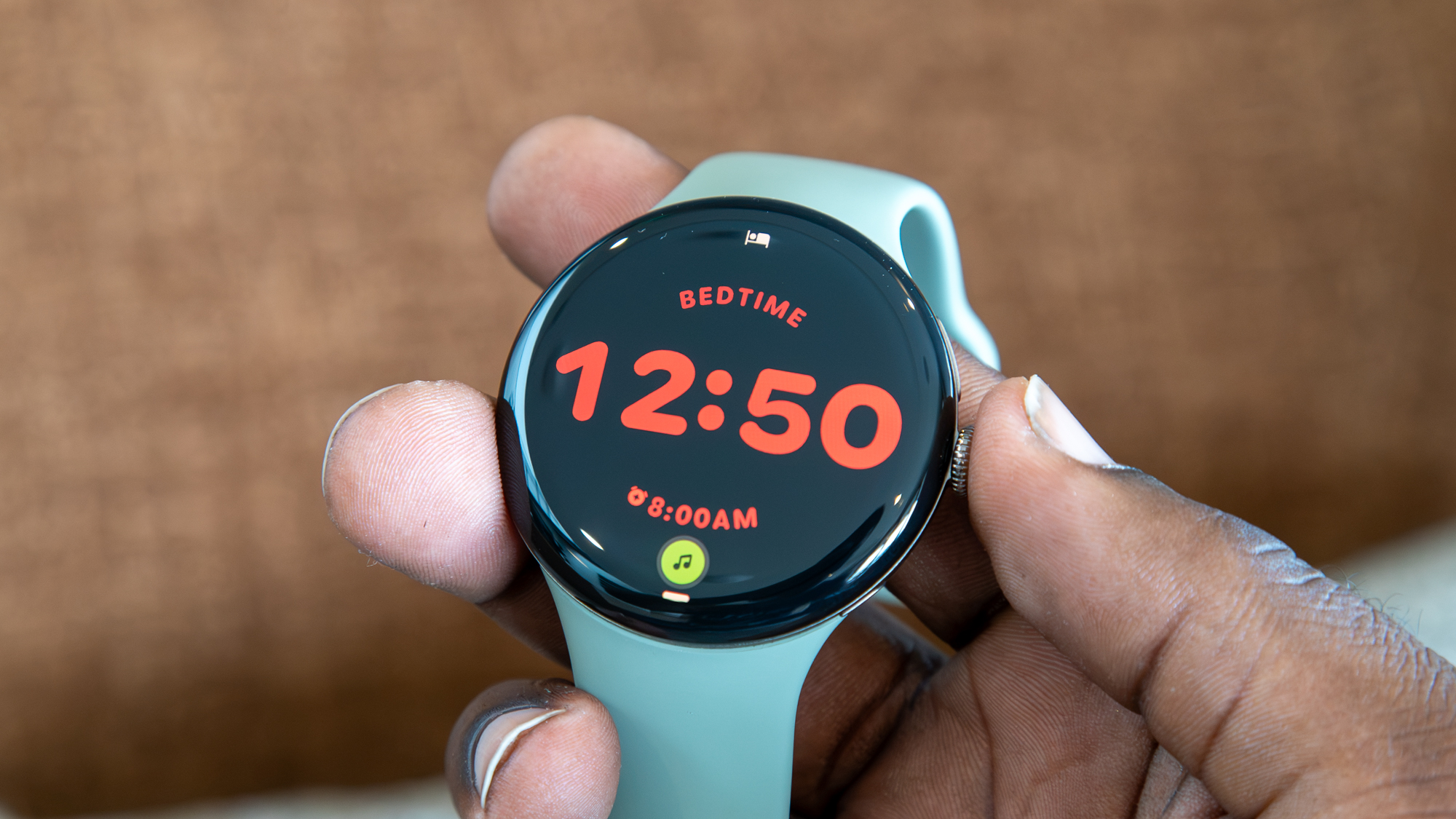
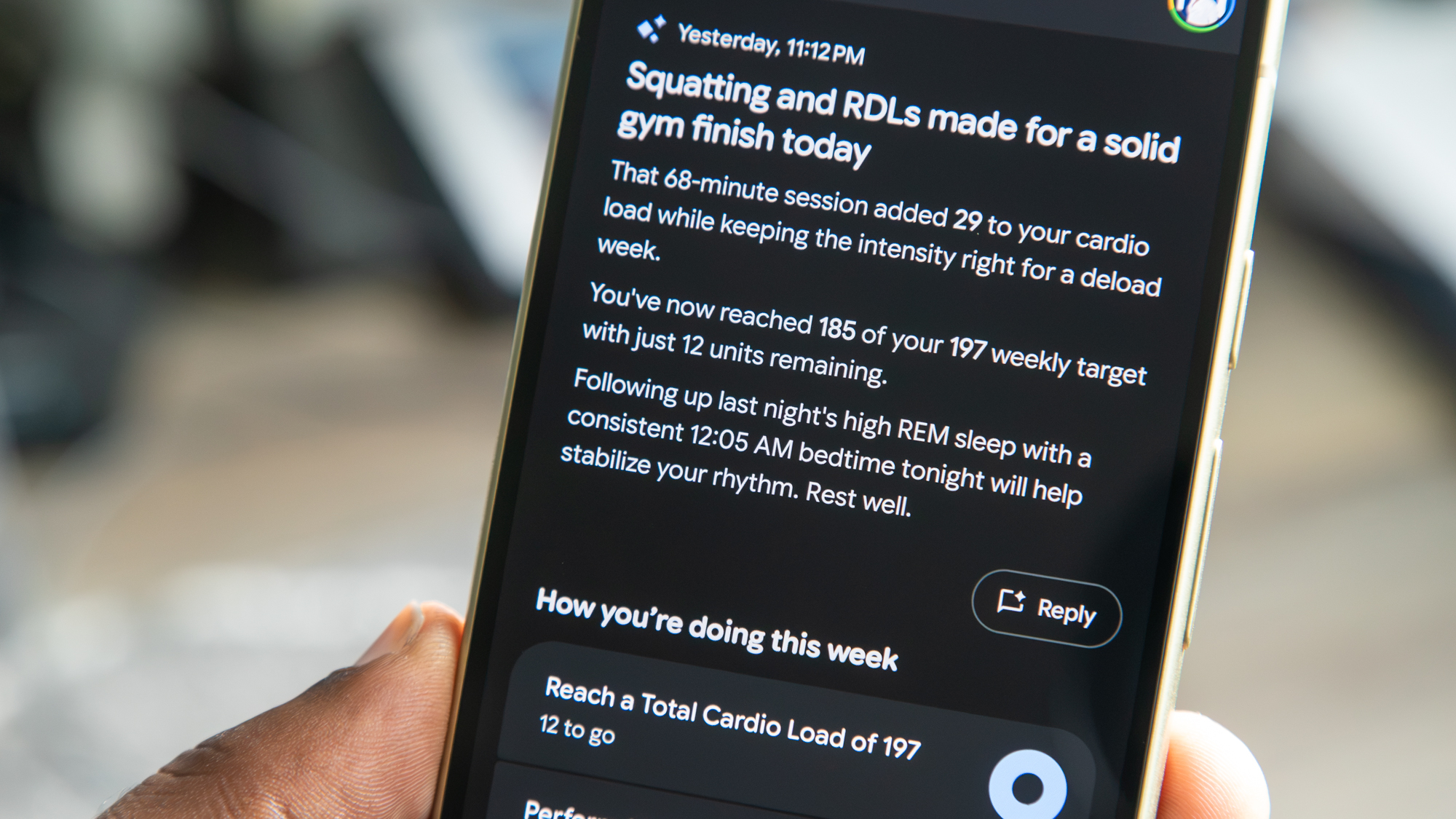
I admit I was a little disappointed to learn that the Pixel Watch 5 is powered by essentially a boosted version of the same chip from the previous Pixel Watch, rather than the new Snapdragon Wear Elite, which is positioned as a premium smartwatch chip for on-device AI and more.
However, after reviewing the Galaxy Watch 9 and testing the Pixel Watch 5 for two weeks, I realized that Google may have made the right choice by skipping the Wear Elite. As a result, the Pixel Watch 5 delivers smooth performance, supports new AI features, and maintains good battery life. Unfortunately, the one feature I was looking forward to isn't here yet.
The same charm
(Image credit: Derrek Lee / Android Central)
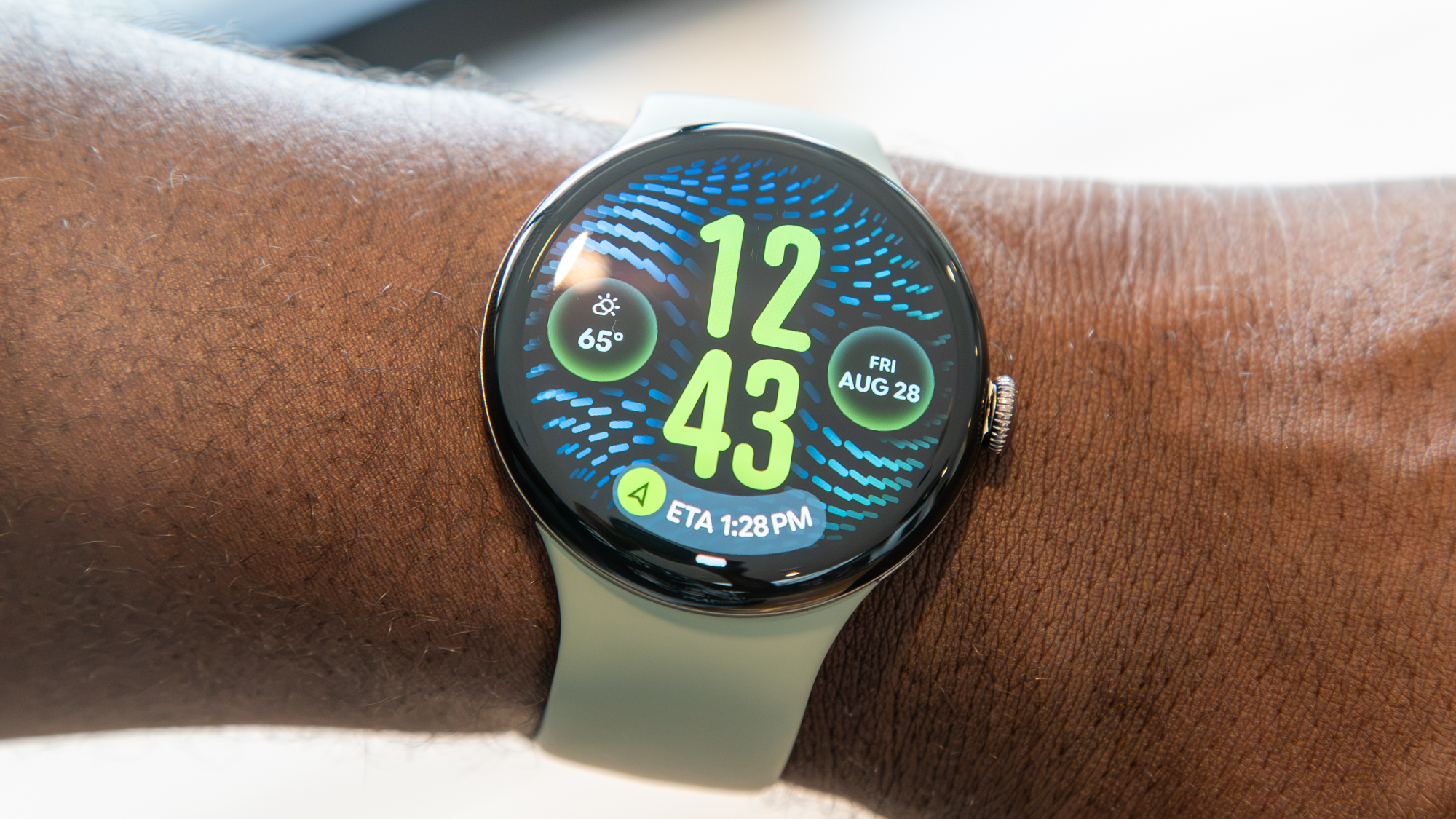
Aesthetically, the Pixel Watch 5 is no different from the Pixel Watch 4, with a sleek design that still feels fresh yet is also starting to get a little old. The domed glass screen is gorgeous, and the display is bright at 3,000 nits, although I still don’t really care for its shape, as it slightly warps content towards the center.
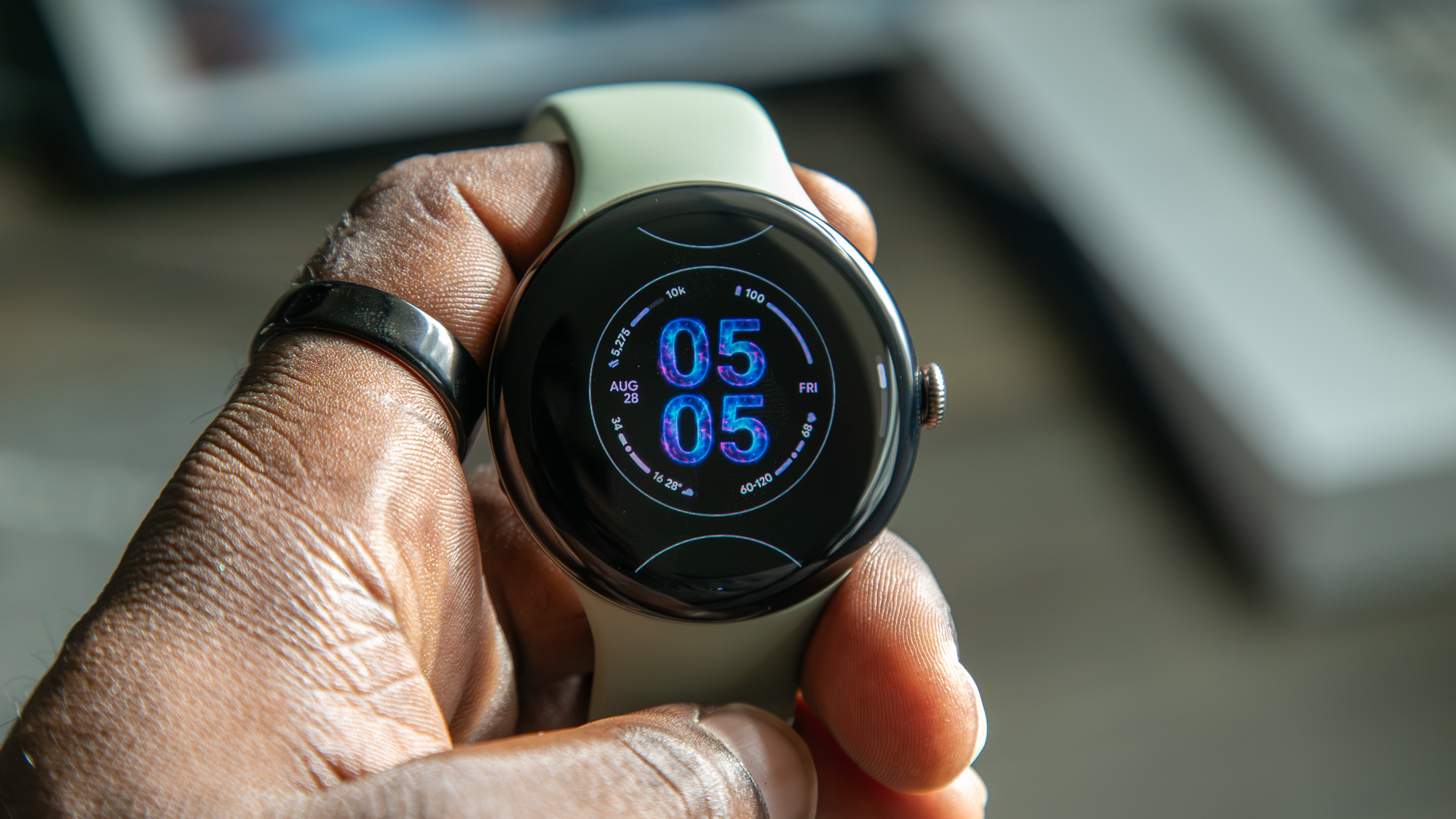
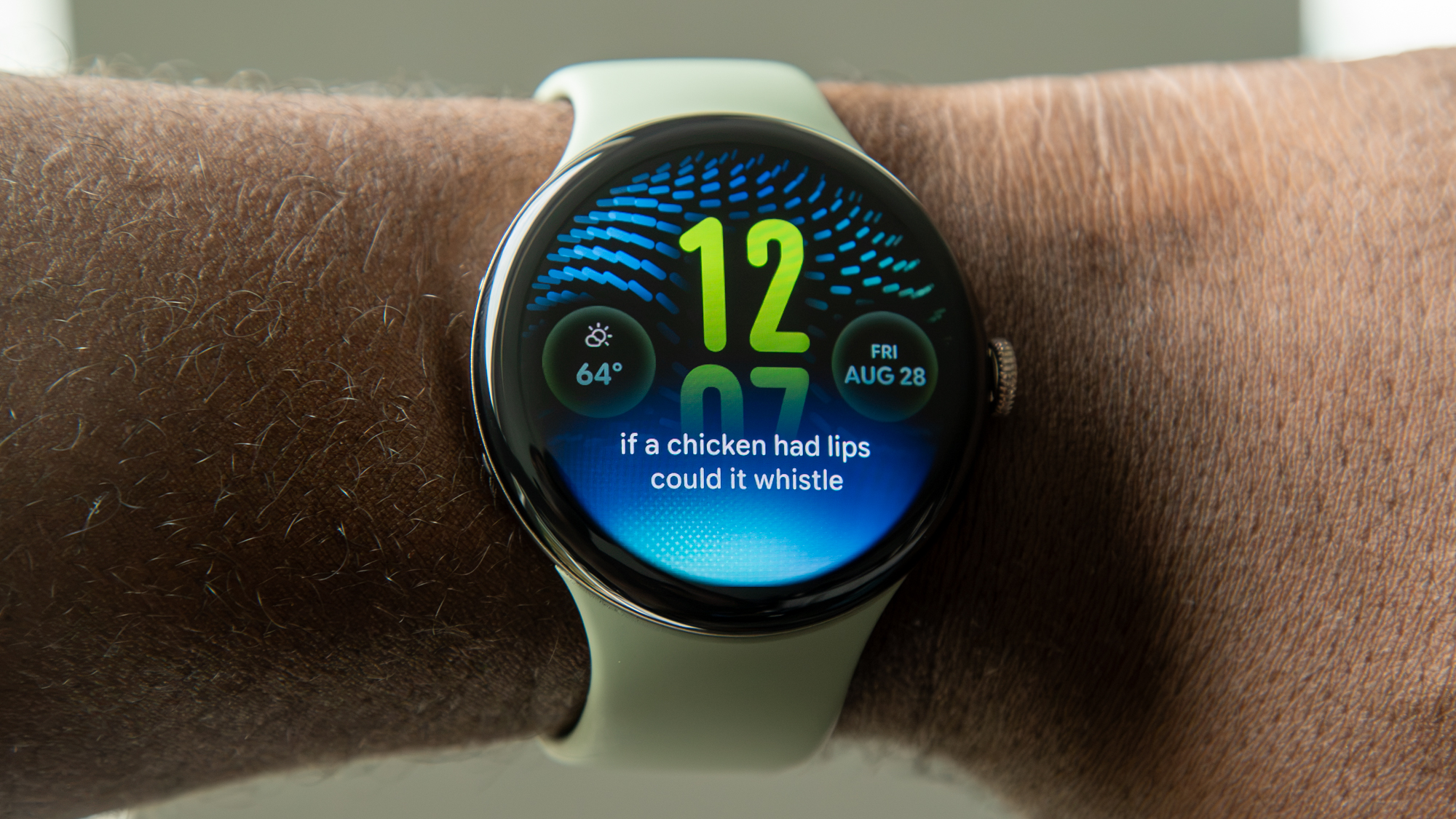
Otherwise, Wear OS 7 looks fantastic, and the UI is incredibly fluid thanks to Material 3 Expressive. Icons seem to shrink and expand as you scroll, and there’s a pleasant bounce to animations.
Derrek Lee / Android CentralDerrek Lee / Android CentralDerrek Lee / Android CentralDerrek Lee / Android CentralDerrek Lee / Android CentralDerrek Lee / Android Central
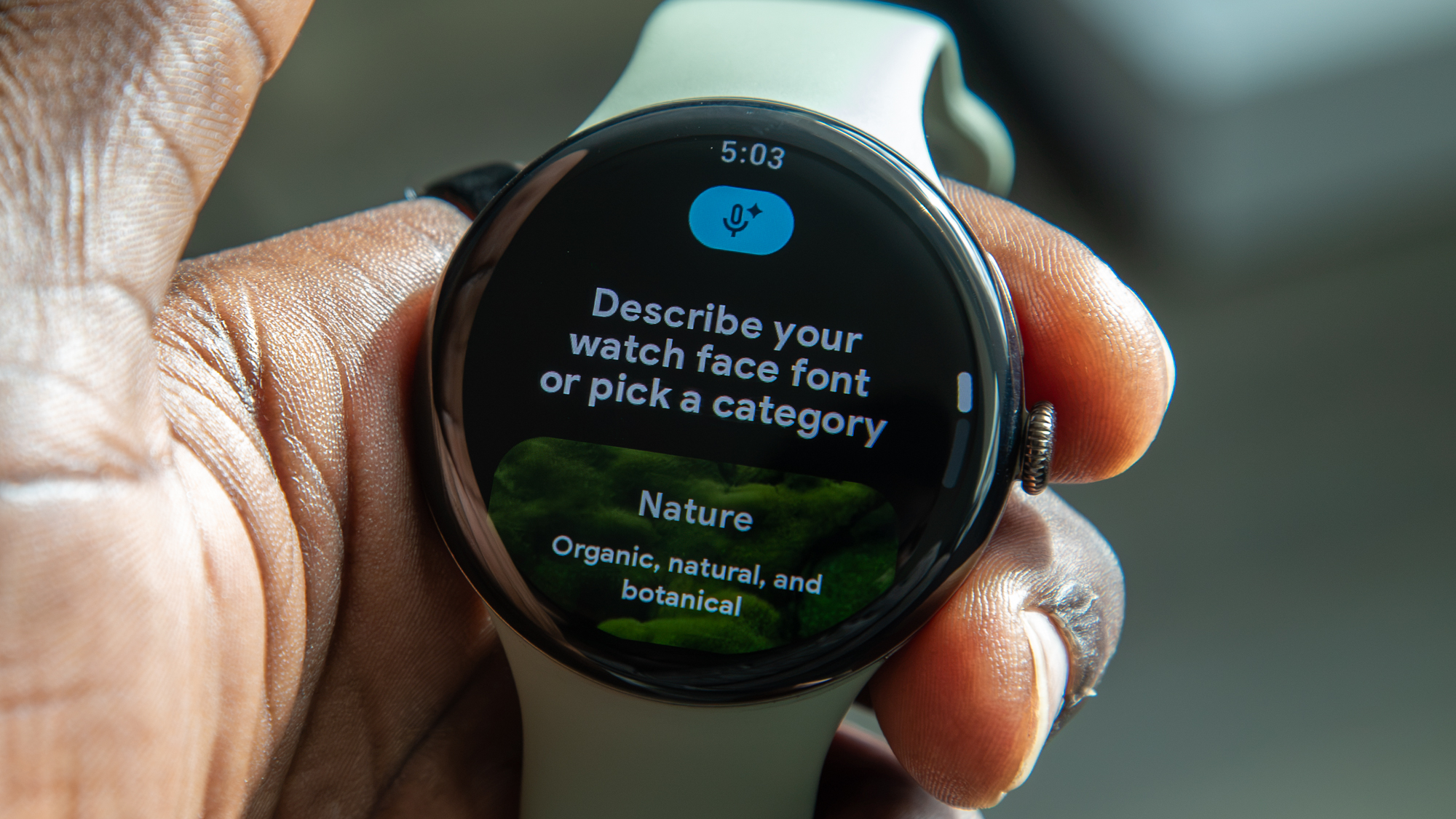
I like some of the new watch faces like Weave, although I tried creating my own watch face using AI, with… interesting results. It feels more like a way to theme a new watch face than to create a whole new style of watch face from scratch, which is fine but less compelling than I thought it would be.
I do wish that Google would take after Samsung when it comes to widgets. The current iteration looks great and is better at providing glanceable information, but freely stacking widgets on One UI Watch adds a layer of personal touch I would love to see here.
Don't touch me
(Image credit: Derrek Lee / Android Central)
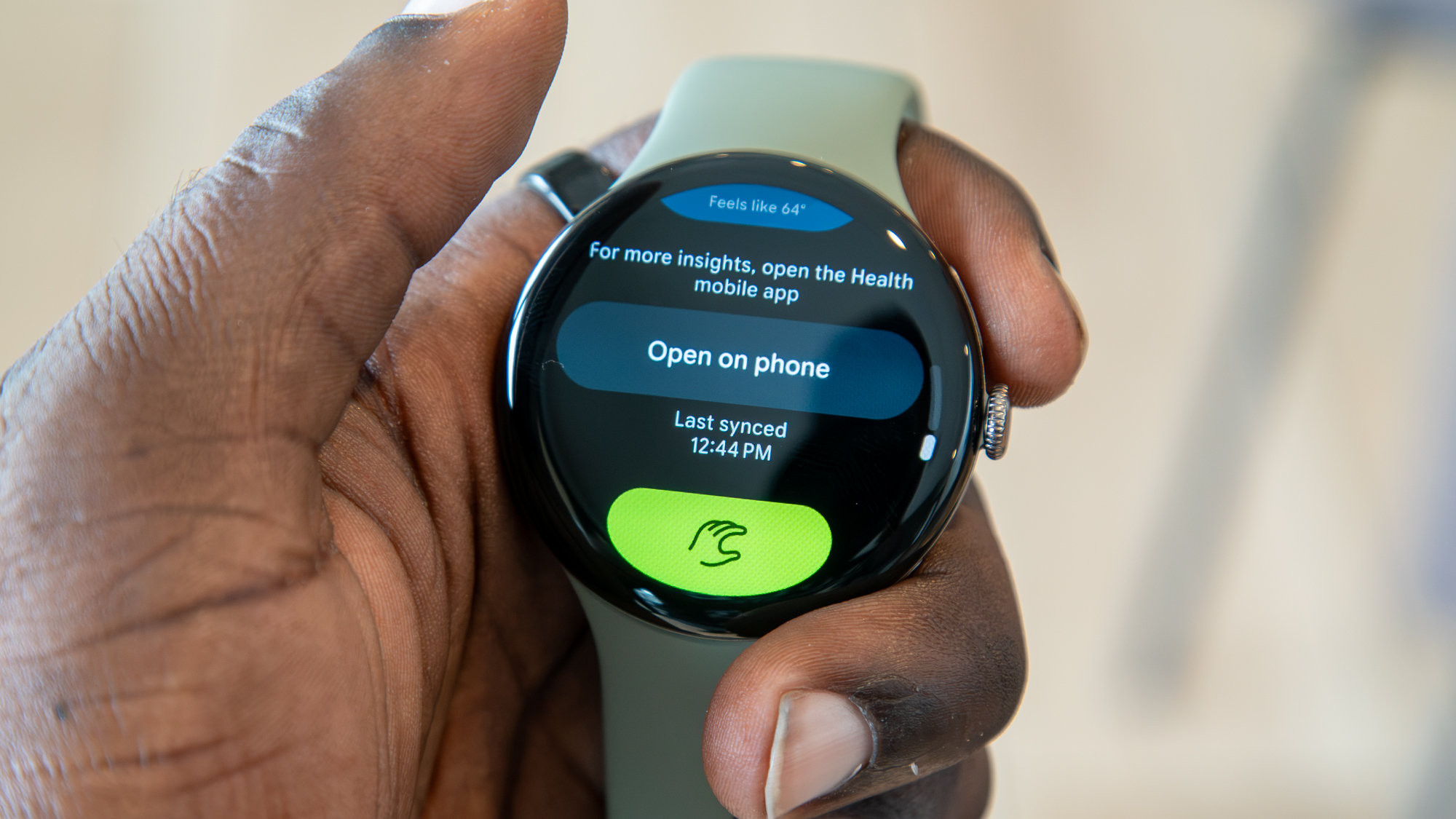
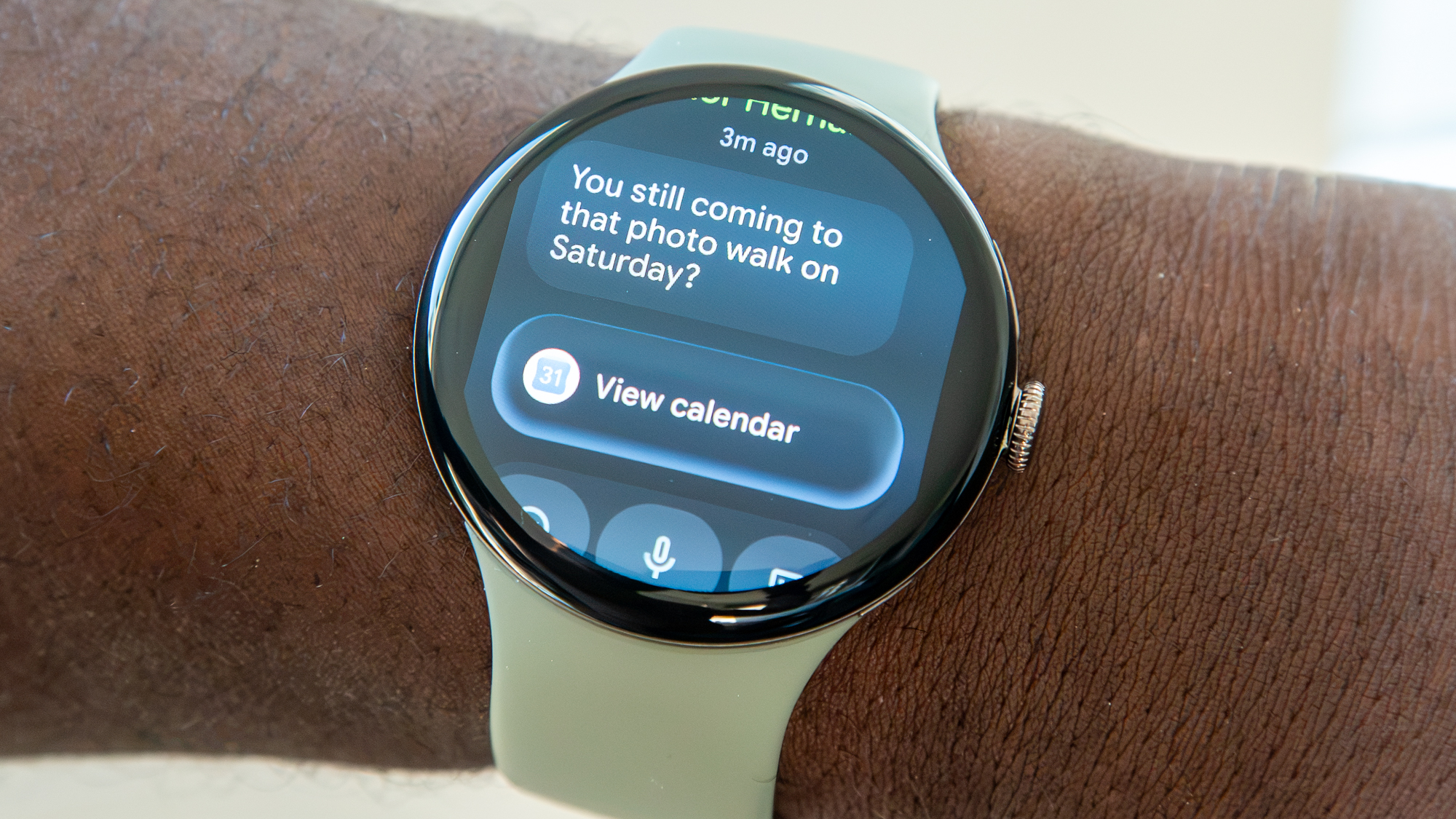
Gestures are much more prevalent in Wear OS 7. In fact, it constantly feels like the Pixel Watch 5 doesn’t want me touching its screen. As I go through my day, I receive a notification and pinch my fingers twice to open the notification panel, then again to scroll through my notifications, all without touching my display. I then twist my wrist to dismiss the panel.
(Image credit: Derrek Lee / Android Central)
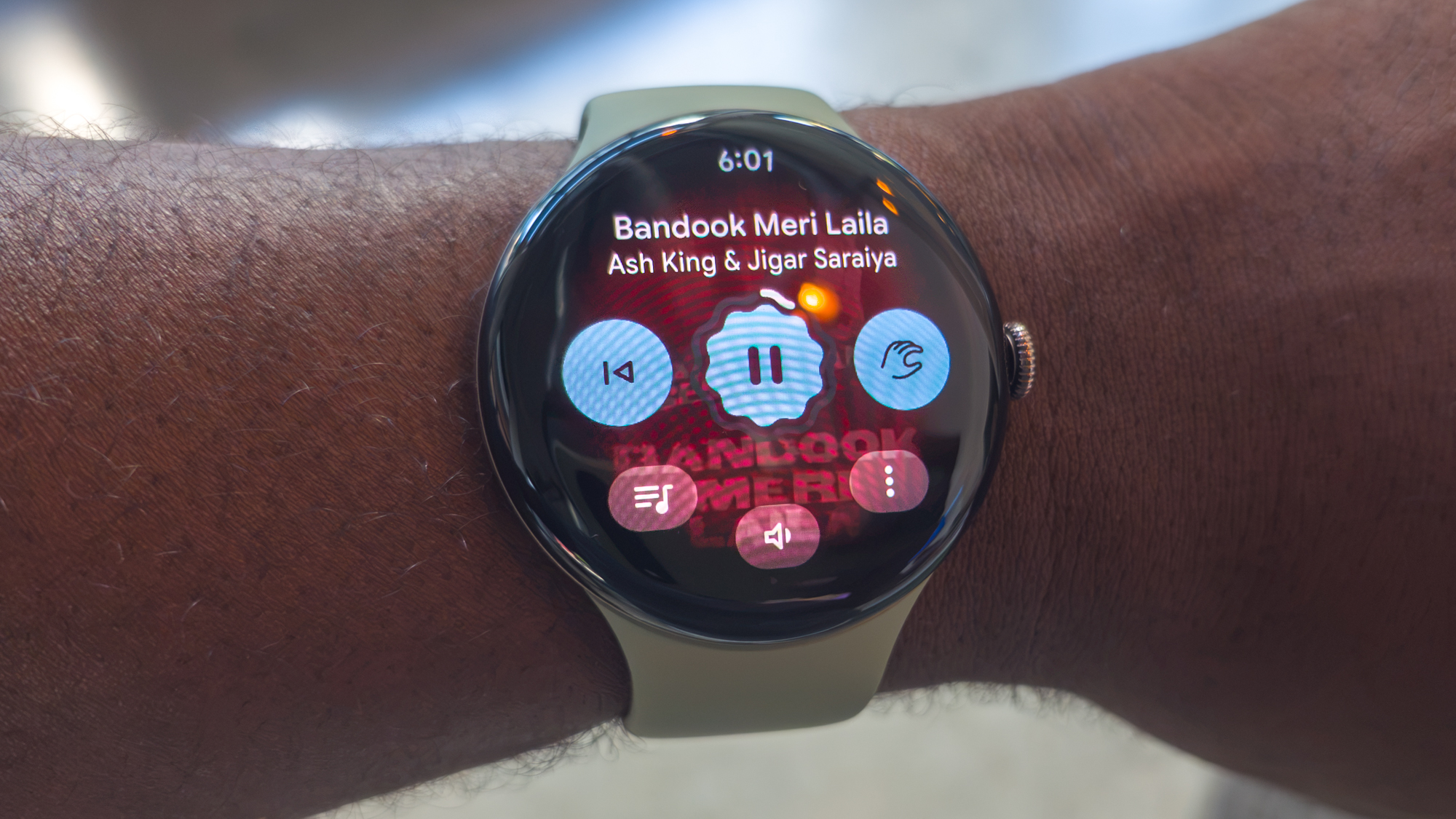
As I take a stroll through the neighborhood, I let my music and Google Maps guide me to my destination. I pinch my fingers again to open At a Glance, which shows my current Google Maps route, then pinch to swap between the route view and directions. Similarly, in media controls, I pinch my fingers to skip or pause/play the current song on YouTube Music, which you can thankfully customize.
Throughout my day, I raise the Pixel Watch 5 to my face to view the time or a notification, and notice a bright sliver of blue at the bottom of the display, signaling Gemini is ready to listen for any commands or queries. It's good at knowing when to either fade away or pick up what I’m saying, in case I want to check my Google Health stats, ask it a question about my schedule, or check on a package I’m expecting.
Gemini also gives me the occasional proactive prompts in my notifications to do things like set a reminder. And Gemini even works offline in a limited capacity, which is handy if you don’t have an LTE-enabled watch.
Derrek Lee / Android CentralDerrek Lee / Android Central
It’s surprisingly intuitive and works quite well, but make sure you set your wrist orientation correctly so the watch can better detect your gestures.
Health and fitness are... almost there
(Image credit: Derrek Lee / Android Central)
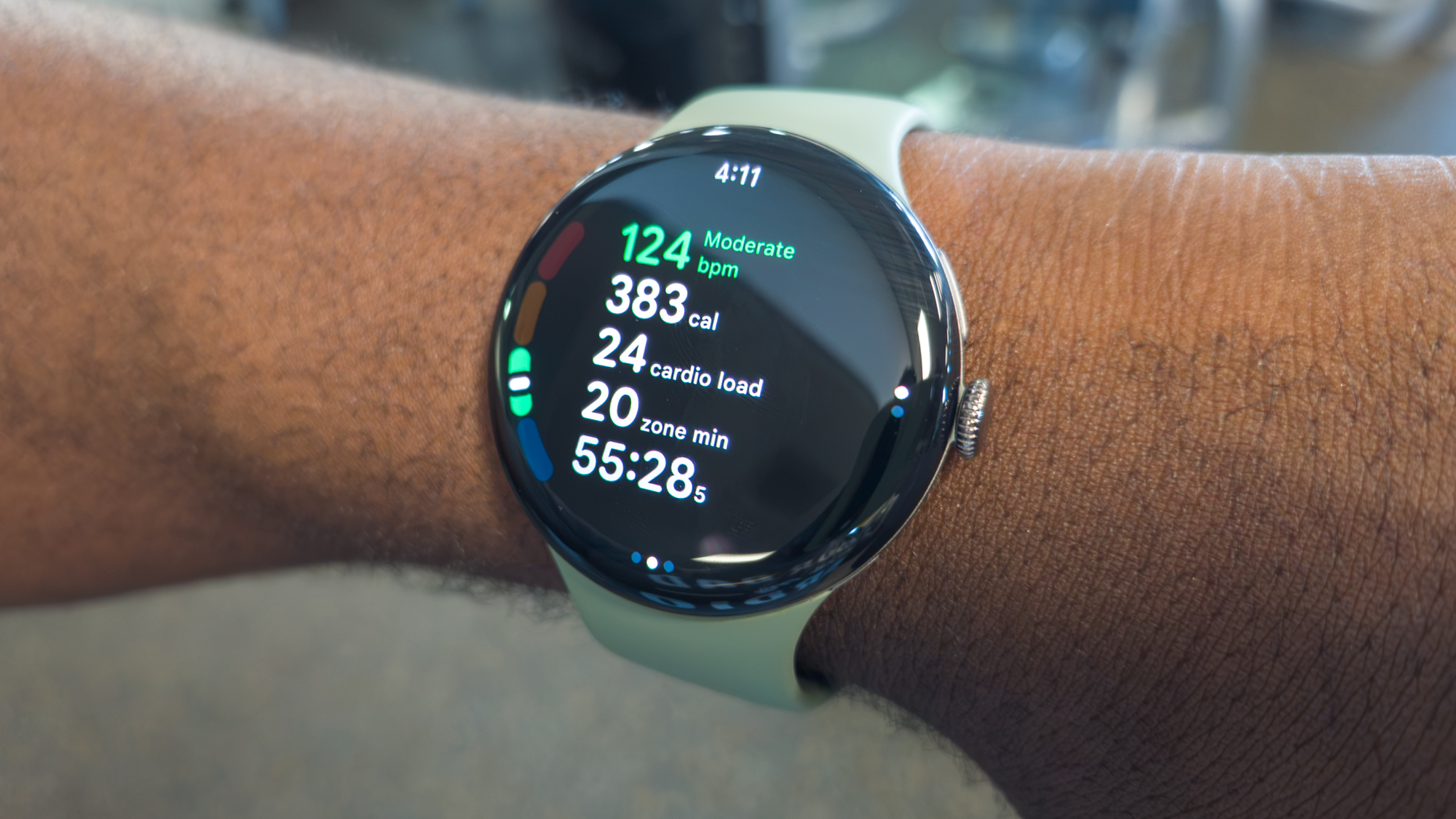
The Pixel Watch hasn’t been my favorite smartwatch for fitness, but the Watch 5 promises to be better in a few areas, even if I haven’t experienced all of them yet. I recently ran a 5K race and tracked the run using the Pixel Watch and two other wearables. For some reason, the Pixel Watch didn’t record my GPS data, but it did accurately record my run distance and later recorded my route on a long walk I took.
The Pixel also beat the Galaxy Watch 9 in a step test and more closely matched the Garmin Cirqa in heart rate data across several workouts.
(Image credit: Derrek Lee / Android Central)
There have been some updates to the workout screens, but unfortunately the new live-guided training sessions aren’t available yet. As someone who frequently works out, I’ve been looking forward to this feature the most. However, when it does arrive, I will do a separate deep dive into how it works and how it compares to Garmin’s workout tracking.
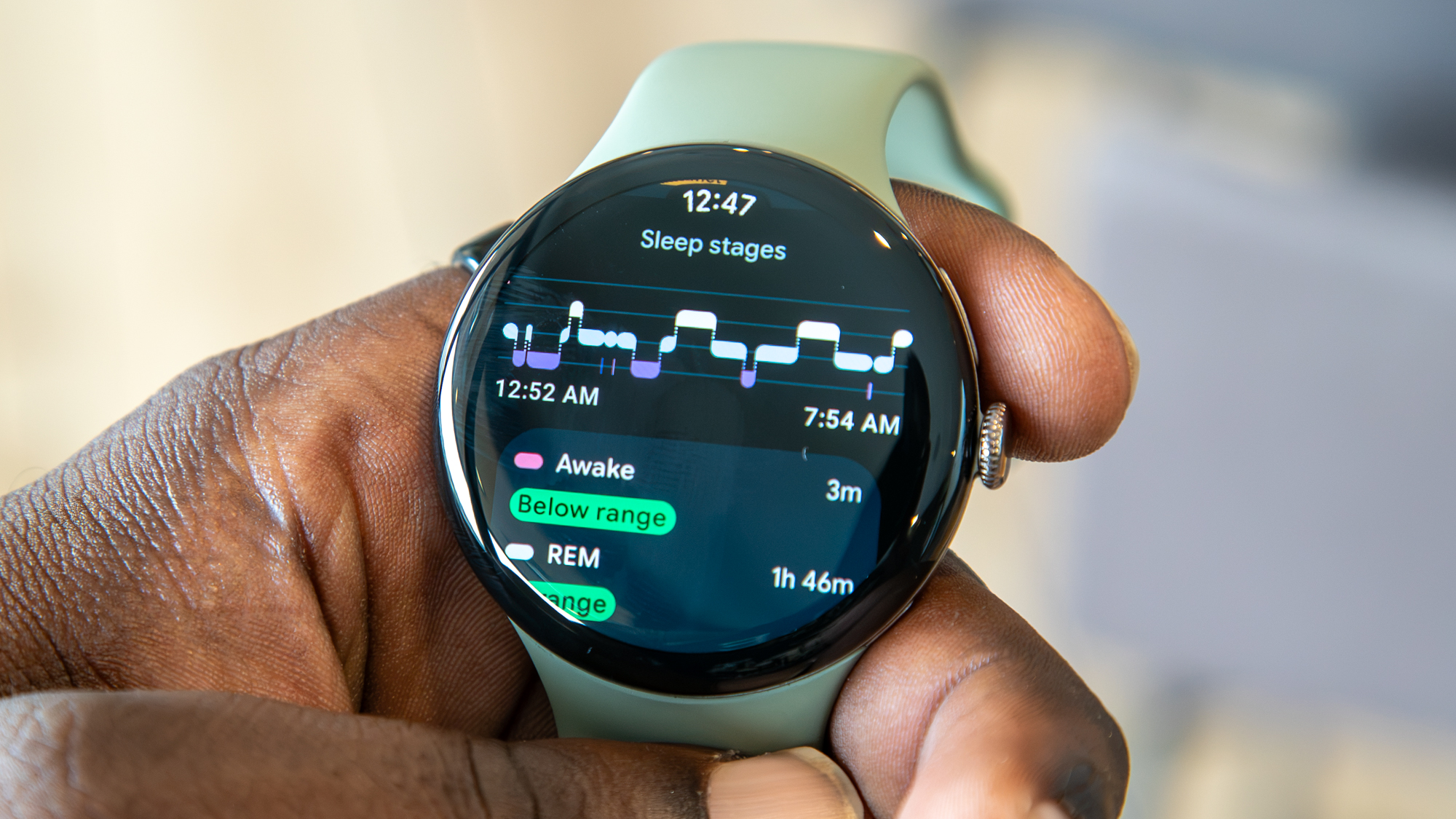
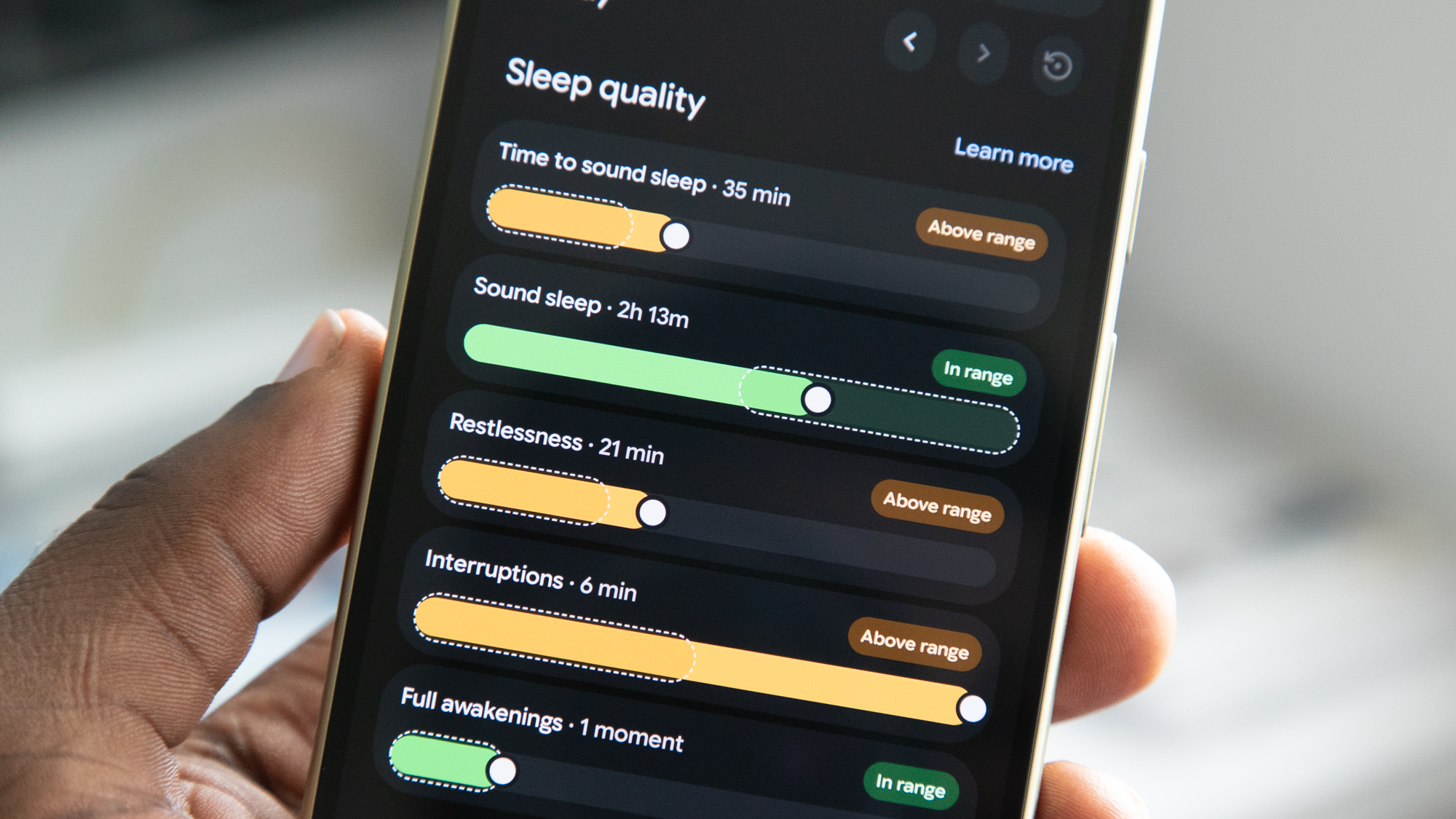
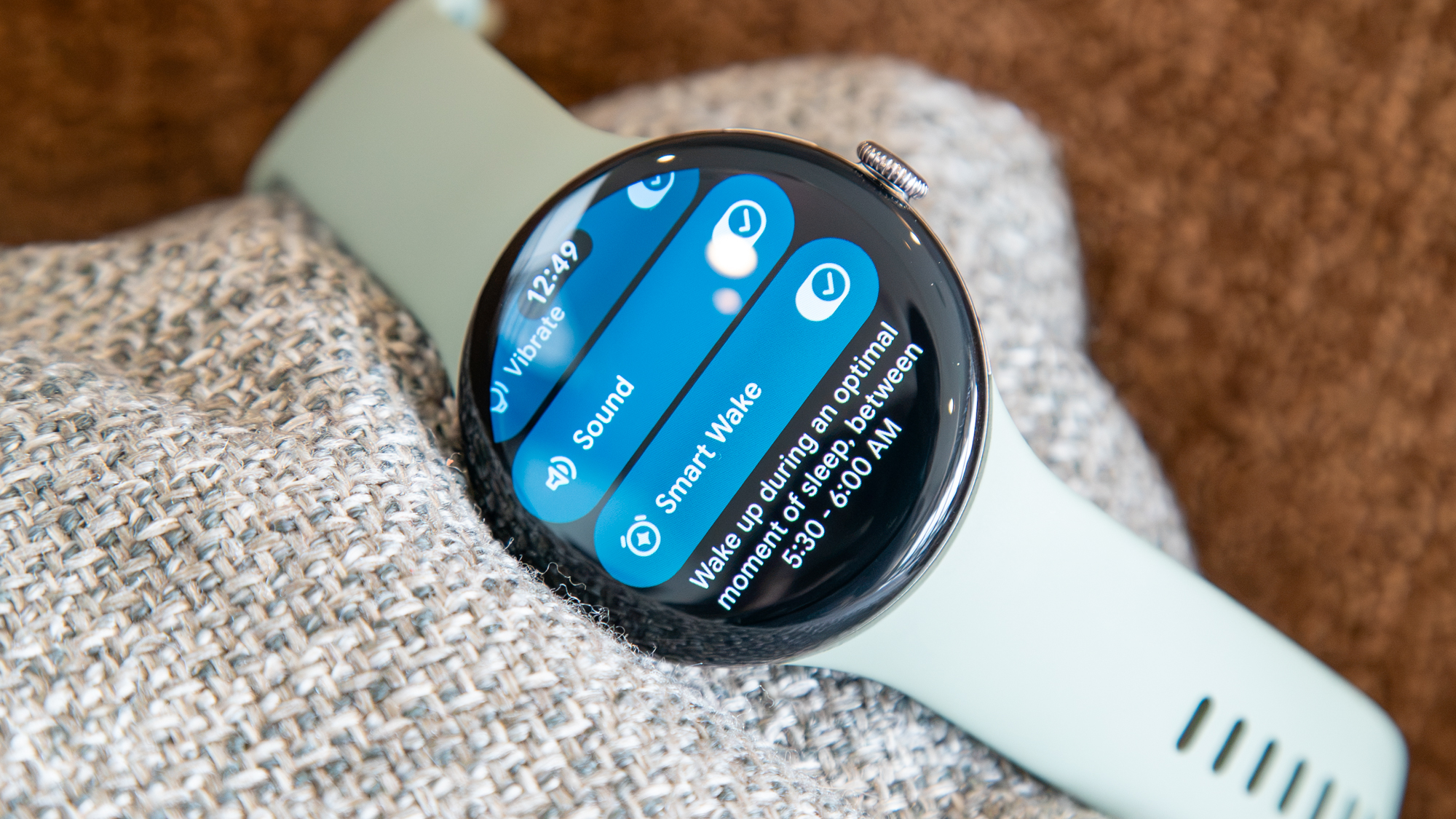
Google also claims sleep tracking has improved, and I’m inclined to believe it. The Pixel Watch 5 even picks up on moments when I'm particularly restless, though there was only one instance when it didn't track my sleep. I wonder if I was too restless that night, as I do recall waking up quite a bit.
Derrek Lee / Android CentralDerrek Lee / Android CentralDerrek Lee / Android CentralDerrek Lee / Android CentralDerrek Lee / Android CentralDerrek Lee / Android Central
Unfortunately, newer health features such as Insulin Resilience and Blood Pressure Trends are also unavailable at the time of writing, which is kind of a bummer.
Should you buy the Pixel Watch 5?
(Image credit: Derrek Lee / Android Central)
The Pixel Watch 5 is a great smartwatch, and one I could easily recommend over the cheaper Galaxy Watch 9 for one major reason: battery life. I easily get two days of battery life while tracking sleep and workouts, and occasionally spamming Gemini.
That said, I can’t recommend it over the Pixel Watch 4. The watches are too similar, and the Watch 5 is leaning on the promise of features that haven’t yet arrived at the time this review is written. That said, some of these features may not make it to the Watch 4 at all, so you'll have to decide if you want to take that chance.
from Latest from Android Central https://ift.tt/7w39kqP
via IFTTT
Google’s Pixel smartphones have never been the strongest in terms of raw power or customization, but they represent something of a consumer-friendly, accessible option for those who want an easy Android experience. The Pixel 11 is the latest representation of Google’s software and hardware coming together to showcase how far Android has come and how useful AI can be, even if we love to hate it.
I’ve been using the Pixel 11 for a few weeks now, and it feels like Google is navigating an interesting intersection between AI and social media, one that companies like Samsung are also starting to hone in on. The result is a phone that feels fresh, fun, and functional while remaining one of the best flagship options for your wallet.
It’s the small things
(Image credit: Derrek Lee / Android Central)
At first glance, the Pixel 11 looks and feels as small and pocketable as the Pixel 10. Unfortunately, the Pixel 11 is still quite thick at 8.6mm, making it chonkier than even the Galaxy S26 Ultra. It’s also pretty hefty, weighing closer to the S26 Ultra than the base S26.
On the plus side, Google made some small but welcome changes to both the design and some of the internals, which I think sort of make up for its hefty design.
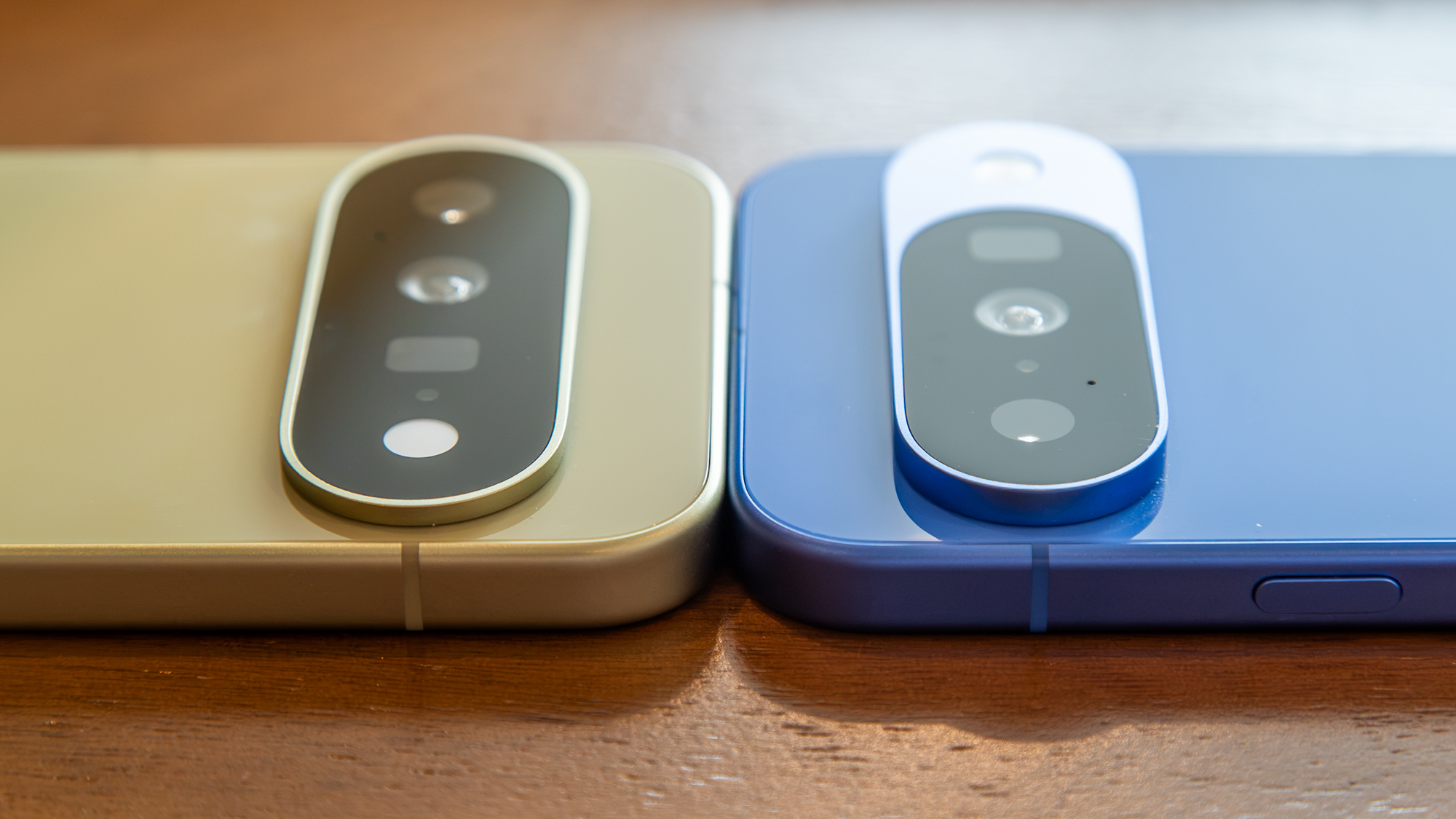
For example, the camera housing doesn’t protrude nearly as much as the Pixel 10, so it lies flatter on a table than its predecessor, despite having roughly the same camera sensors. The battery is also slightly larger, although Google probably should have opted for denser silicon-carbon batteries, which likely could have helped shave off some thickness. Still, battery life hasn’t been a problem for me, and I generally get a full day of use before needing to plug in.
(Image credit: Derrek Lee / Android Central)
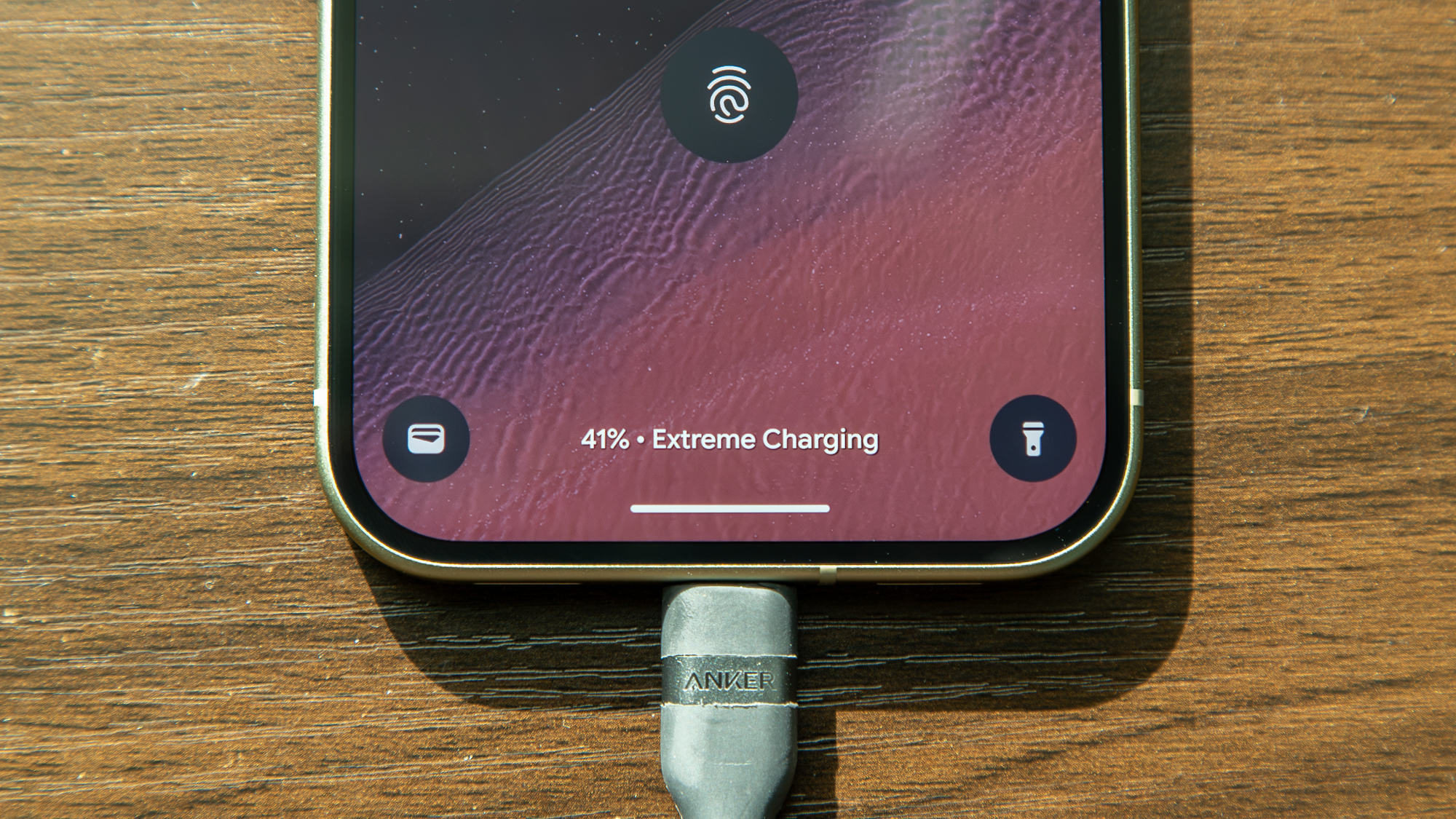
Fortunately, charging got a bit of a boost. The Pixel 11 still features 30W wired charging, which isn’t the fastest on the block, and I definitely find myself waiting longer than I’d like for it to charge.
Extreme Charging can help with this, although only somewhat. The hidden feature pauses apps in the background to keep the phone cooler for longer and allows for higher sustained charging speeds. Thus, I did see a 10% boost after 30 minutes of charging, bringing the phone from 0 to 50%.
(Image credit: Derrek Lee / Android Central)
Wireless charging is also much better, with seemingly stronger Qi2 magnets and faster 25W speeds, making it nearly as useful as wired charging.
The Pixel 11 gets social
(Image credit: Derrek Lee / Android Central)
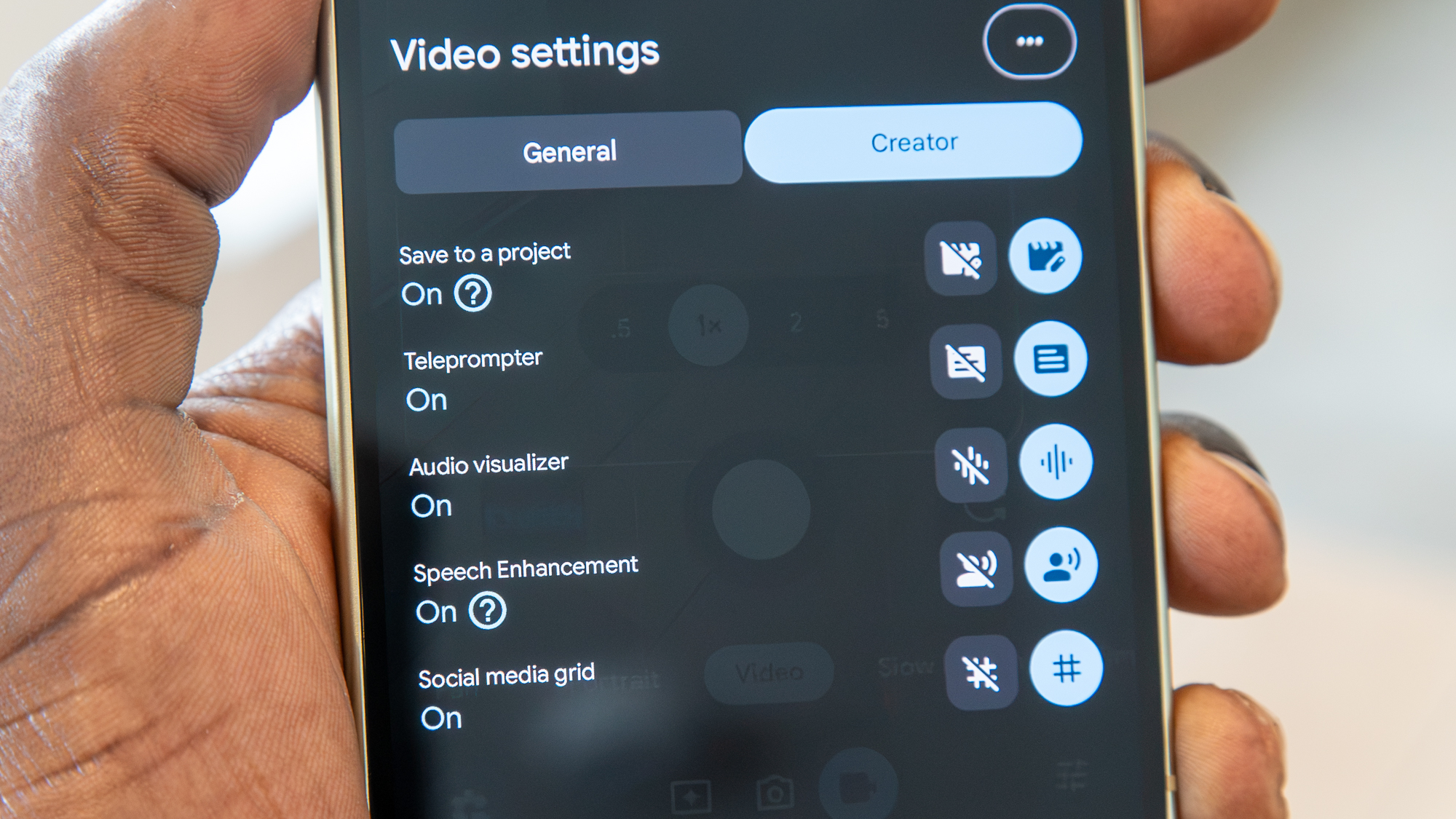
AI has been Google’s main focus with the Pixel lineup, but social media is also becoming more important, as seen in the latest Android 17 features like the built-in Creator Suite and Screen Reactions. In fact, two of my favorite new Pixel 11 features are at opposite ends of social media, with one that aims to give me the perfect photos to post while another prompts me to step back from scrolling.
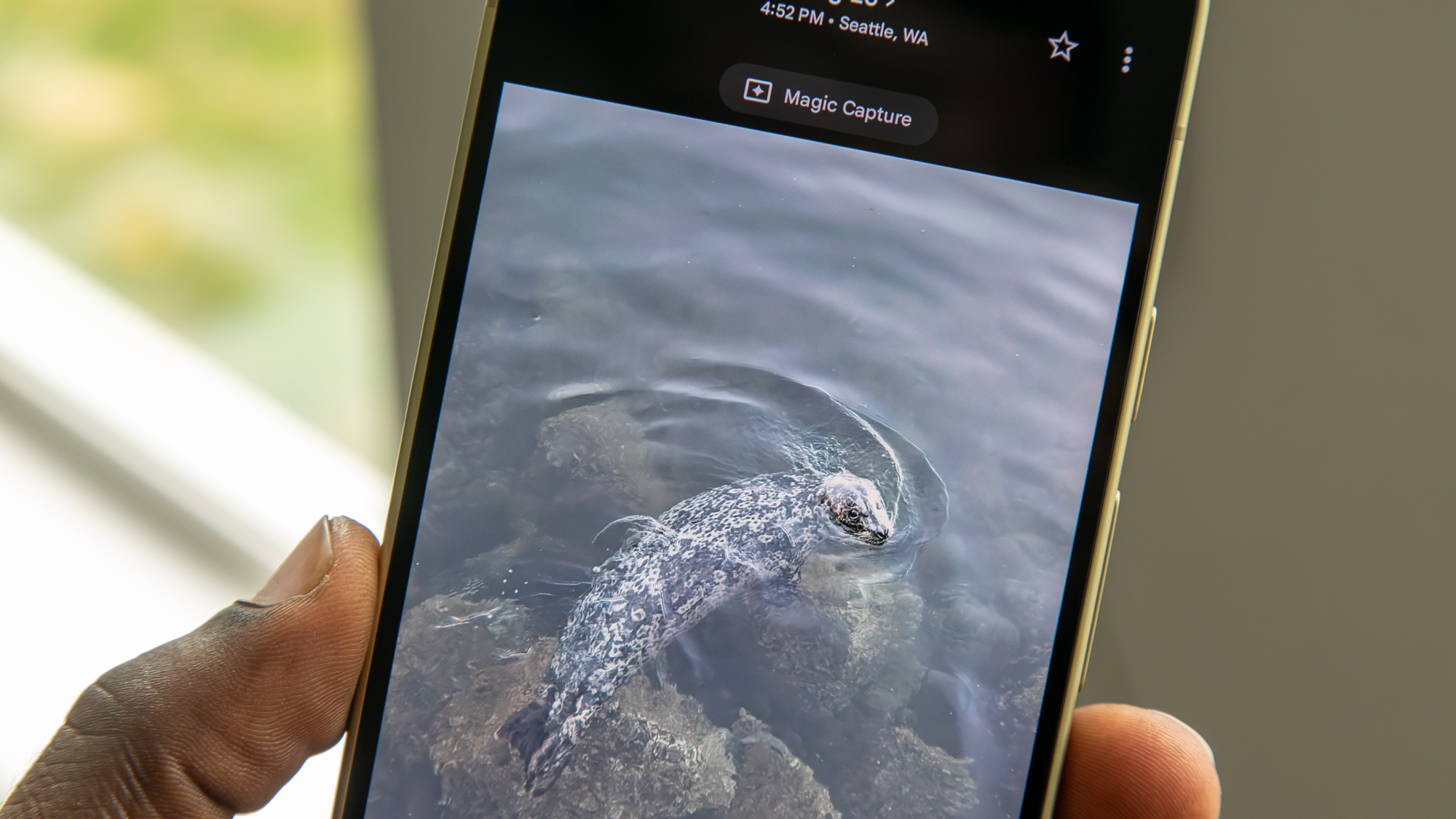
Magic Capture is a new built-in Camera feature that sits just to the left of Photo mode. With it, you tap the shutter button and start recording a video, while AI works in the background to automatically find the best moments and save images. This essentially automates the manual still-capture feature already available in Video mode, letting you focus on capturing the moment.
I used the feature at a party, and despite the challenging lighting, Magic Capture highlighted some great social media-worthy moments of my friends. I was also able to capture some cute images of harbor seals swimming in a waterway.
(Image credit: Derrek Lee / Android Central)
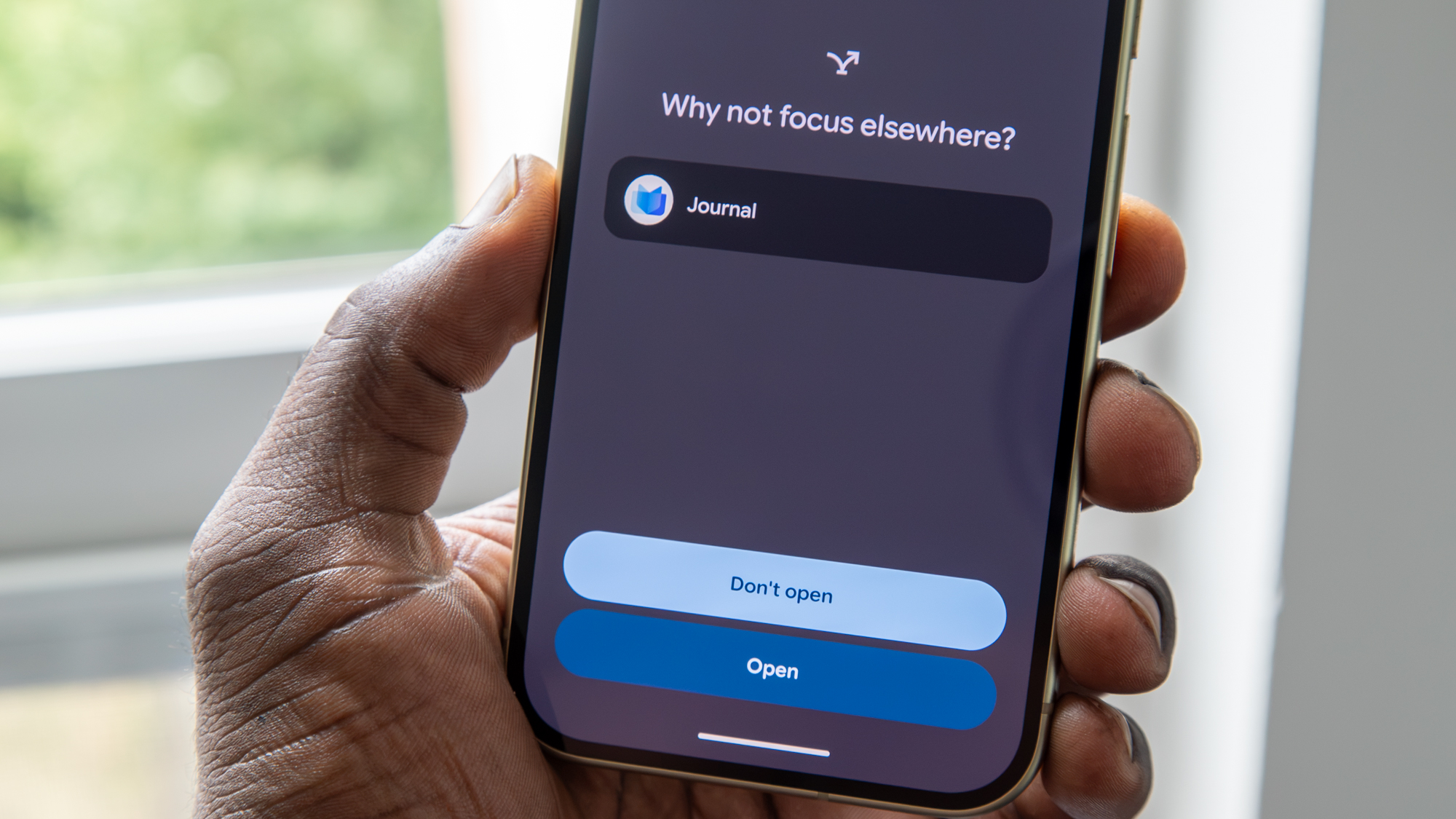
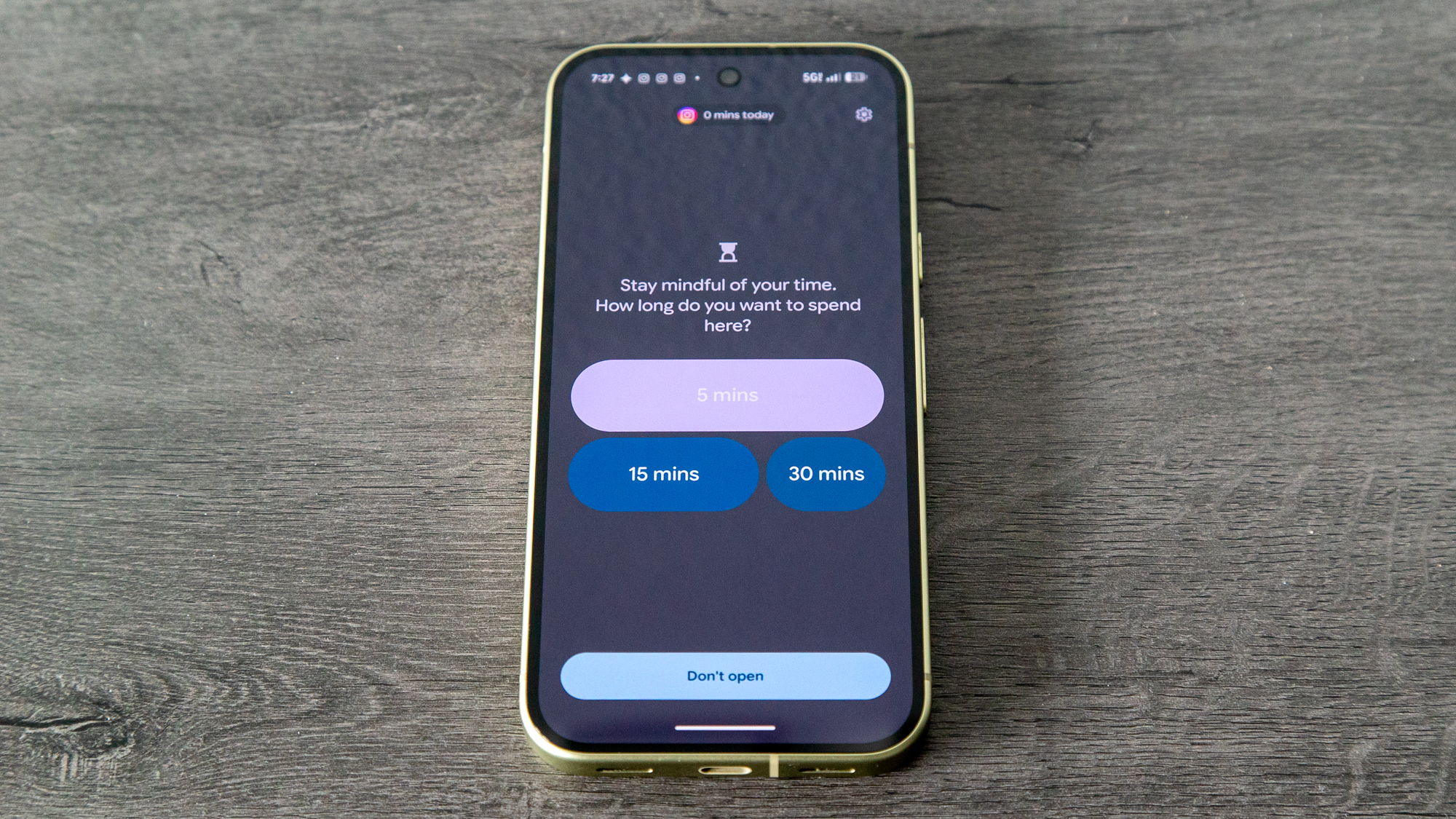
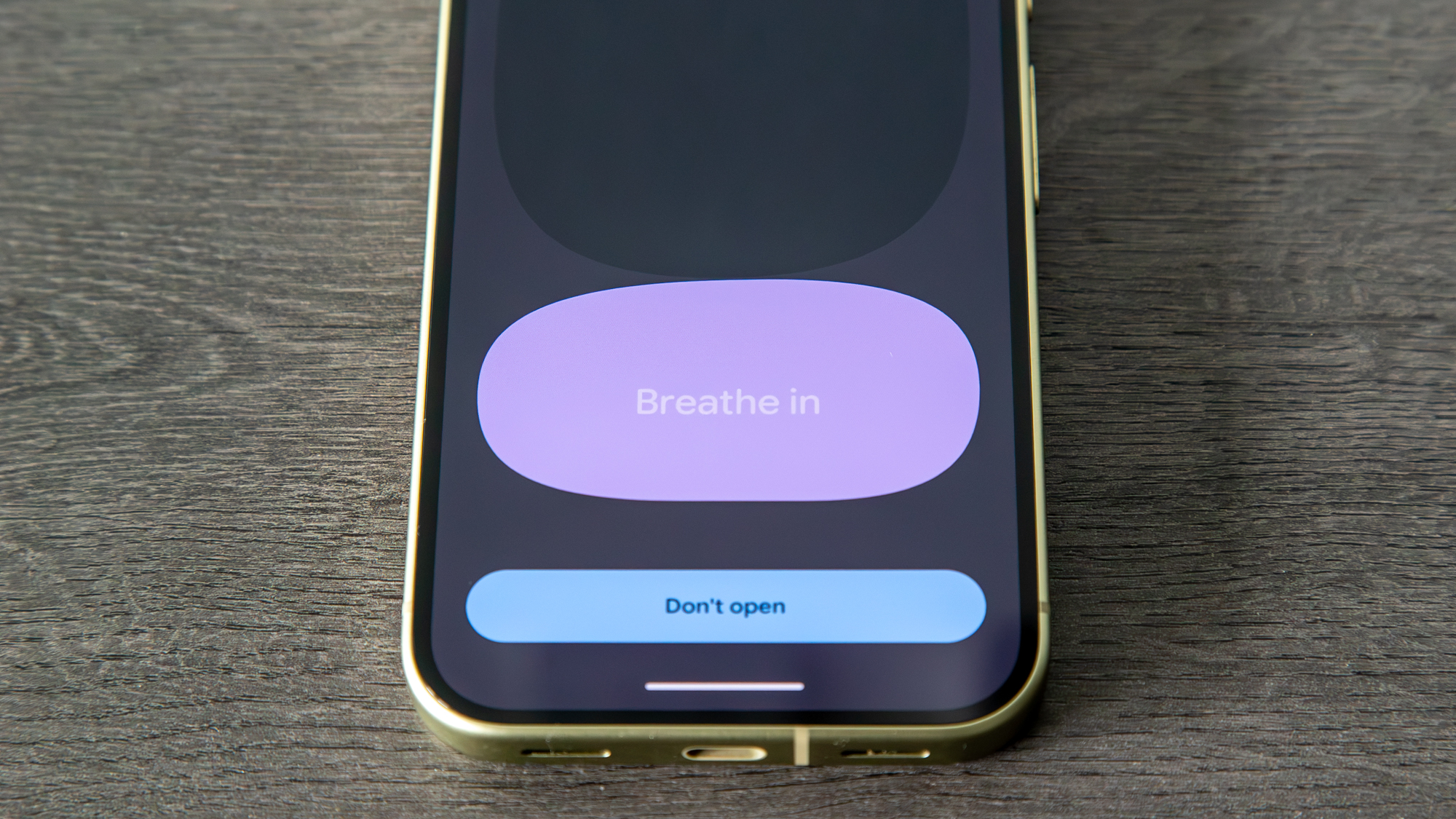
On the other hand, I know that Instagram is my biggest weakness and the main source of my procrastination. That’s why I actually appreciate what Pause Point is doing. This Digital Wellbeing feature activates when I open apps I find distracting, giving me a moment to breathe and reflect on whether I really need to open that app right now.
Derrek Lee / Android CentralDerrek Lee / Android CentralDerrek Lee / Android Central
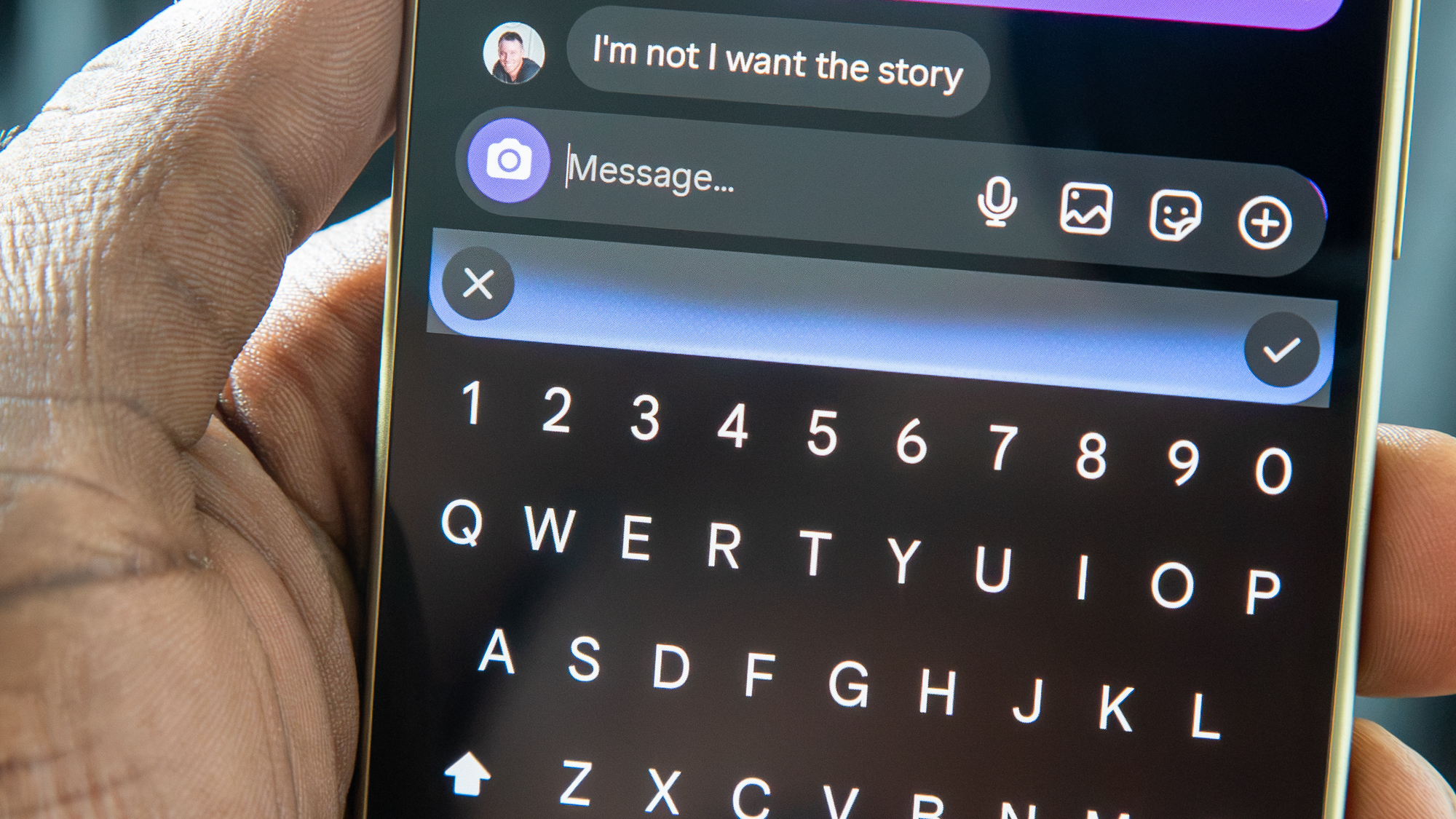
I enabled it specifically for Instagram, so that each time I try to open the app, it cycles through several options, prompting me to take a moment to breathe, think about what really matters to me, set a timer for the app, state how I feel while opening the app, or try another less distracting app instead.
When it’s done, I can continue to the app, but I often find myself not opening Instagram, mostly because of the friction of having to complete a task first. It’s surprisingly effective.
There’s AI too
(Image credit: Derrek Lee / Android Central)
You can find Gemini everywhere on the Pixel 11 if that’s what you want, and it actually feels more helpful than anything. When I wake up, Daily Brief pulls from my connected accounts and apps like Calendar and Gmail, keeping me abreast of upcoming events and things I need to remember.
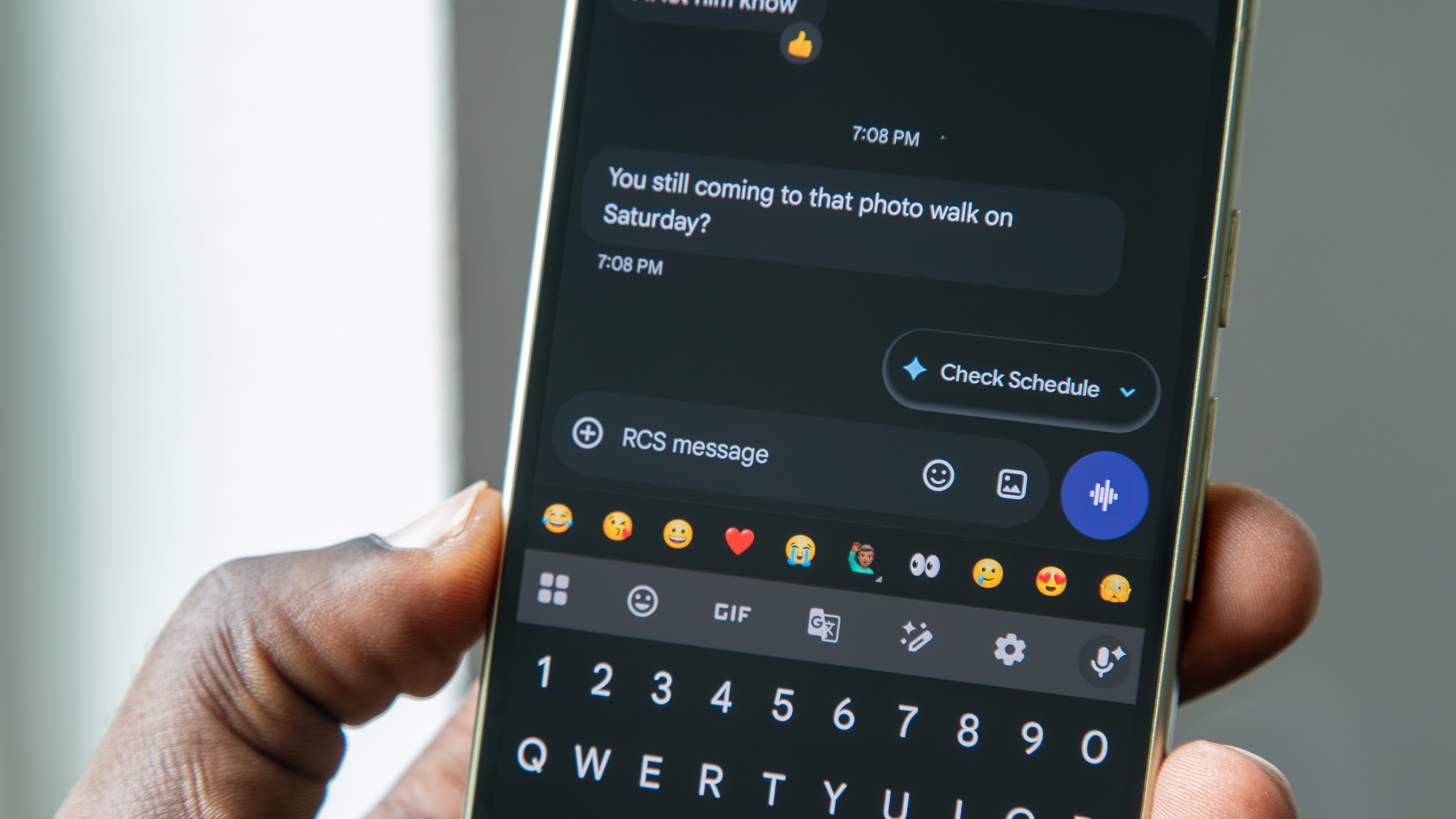
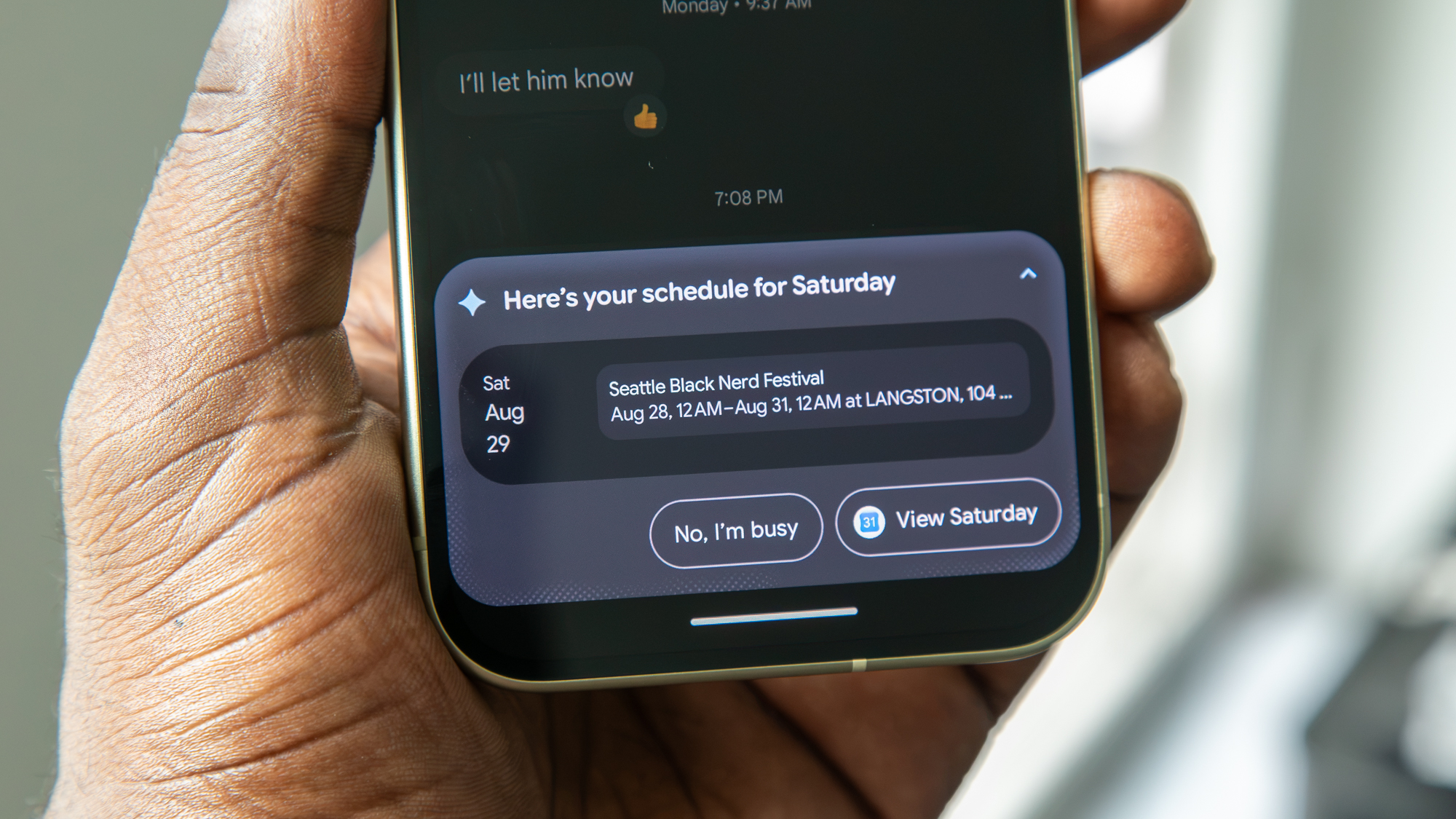
Gemini Intelligence also makes it easy to do things like order Uber Eats just by using my voice, and it helps when I least expect it. For example, a friend of mine texted me to ask if I was busy this weekend. Before I could respond, Gemini prompted me to check my calendar, which revealed I was planning to go to a festival.
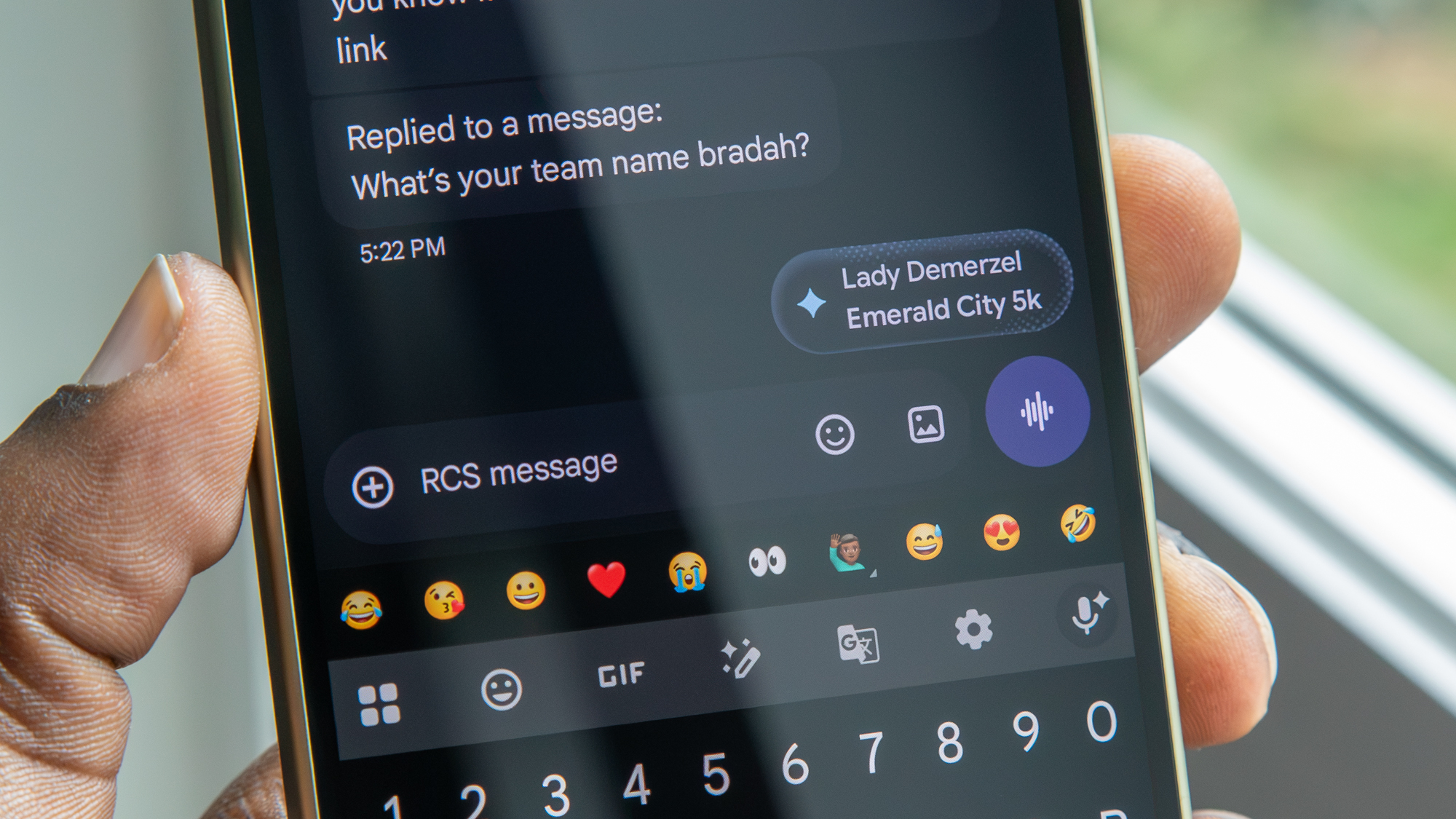
In another message, a friend asked what my team name is for an upcoming 5K I'm planning to run. Gemini suggested a previous team name I used during my last 5K, which just so happens to be the name I'm using for this new run.
It all happened without leaving Google Messages, which is the kind of frictionless AI interaction that I can appreciate.
Derrek Lee / Android CentralDerrek Lee / Android CentralDerrek Lee / Android Central
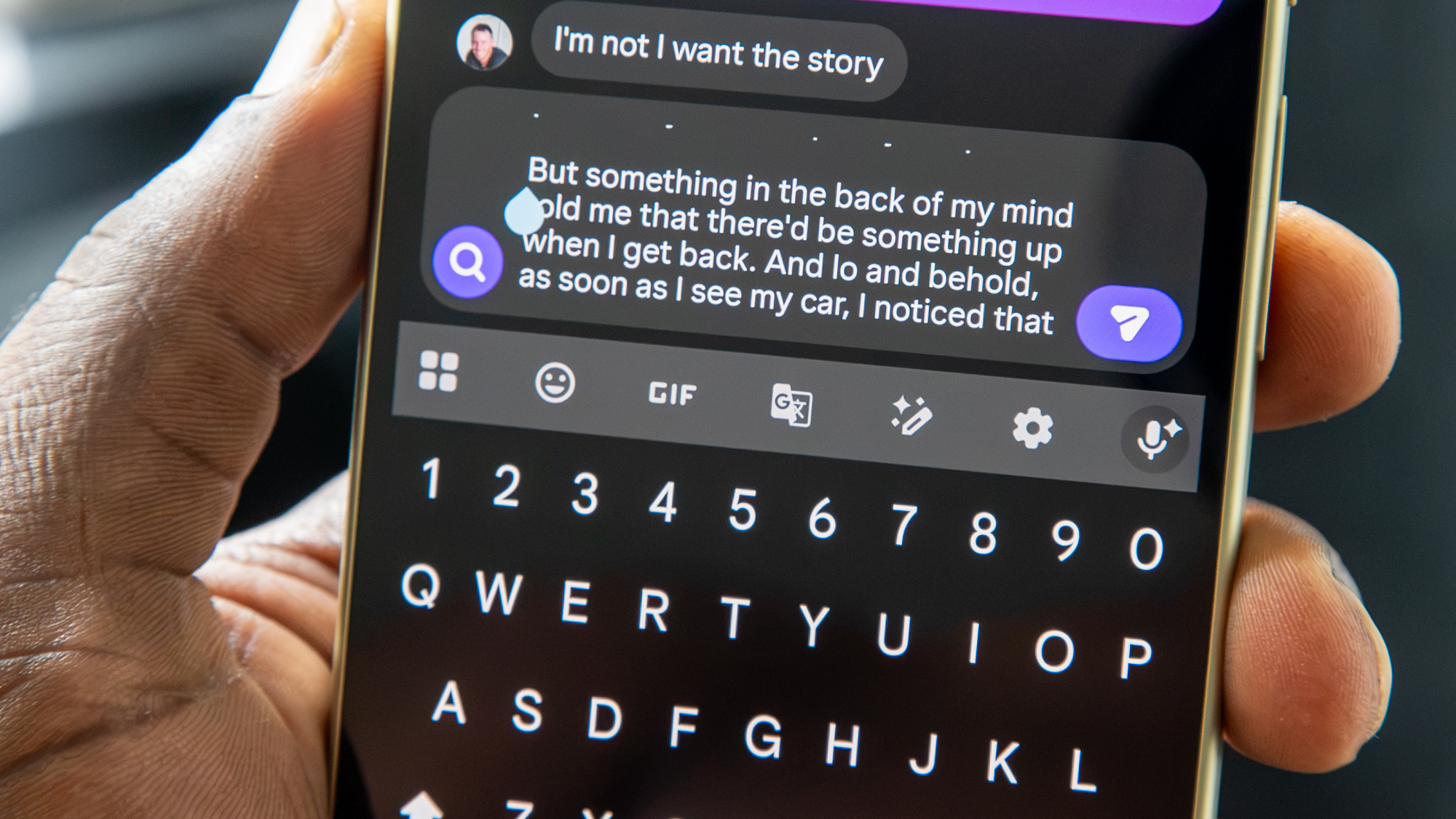
Rambler is also surprisingly useful, and it picks up the nuances of speech quite well, adding the appropriate punctuation and even quotation marks when it detects that I'm quoting something. It also separates my text into paragraphs at the right moments, and I haven't had to correct it once.
(Image credit: Derrek Lee / Android Central)
This is all powered by the Tensor G6, which prioritizes AI performance over anything else. Day-to-day use is fine, although don’t expect the Pixel 11 to be a gaming powerhouse. It also doesn’t sport the same vapor chamber as the Pixel 11 Pro, so it does get quite warm when gaming.
What about the cameras?
(Image credit: Derrek Lee / Android Central)
The Pixel 11 has the same camera layout as its predecessor, so there’s not much difference here. Compared to the Pixel 10, images from the Pixel 11 are largely the same but tend to lean toward the warm side, resulting in somewhat more vibrant images.
(5x) A bridge in the distance.Derrek Lee / Android CentralDerrek Lee / Android CentralDerrek Lee / Android CentralDerrek Lee / Android CentralDerrek Lee / Android CentralDerrek Lee / Android CentralDerrek Lee / Android CentralDerrek Lee / Android CentralDerrek Lee / Android Central(5x) Rows of trainsDerrek Lee / Android CentralDerrek Lee / Android CentralDerrek Lee / Android CentralDerrek Lee / Android Central(1x) A rooftop with flowers and plantsDerrek Lee / Android Central(2x) A rooftop with a cruise ship in the far backgroundDerrek Lee / Android Central(5x) A cruise ship in the distanceDerrek Lee / Android Central(10x) A cruise ship in the distanceDerrek Lee / Android Central(30x) A cruise shipDerrek Lee / Android Central
This is also the case when compared to the Pixel 11 Pro, which takes cooler photos. However, the Pro also benefits from slightly better imaging capabilities, and images at any zoom level tend to have more detail than on the Pixel 11.
Should you buy the Pixel 11?
(Image credit: Derrek Lee / Android Central)
The Pixel 11 costs $100 more than its predecessor, and while $899 isn’t cheap, you’re now getting double the base storage, faster charging, and the latest Tensor chip. Sure, it misses out on things like HiLight, which would have been really great to have, and there are still no Pro Camera features. However, you get most of the AI features, the same base 12GB of RAM as the Pixel 11 Pro, and the same charging specs, but for much less.
If you can go without those Pro features, the Pixel 11 feels like the one to buy.
from Latest from Android Central https://ift.tt/g8J73zk
via IFTTT