LightBlog

vendredi 3 juillet 2026

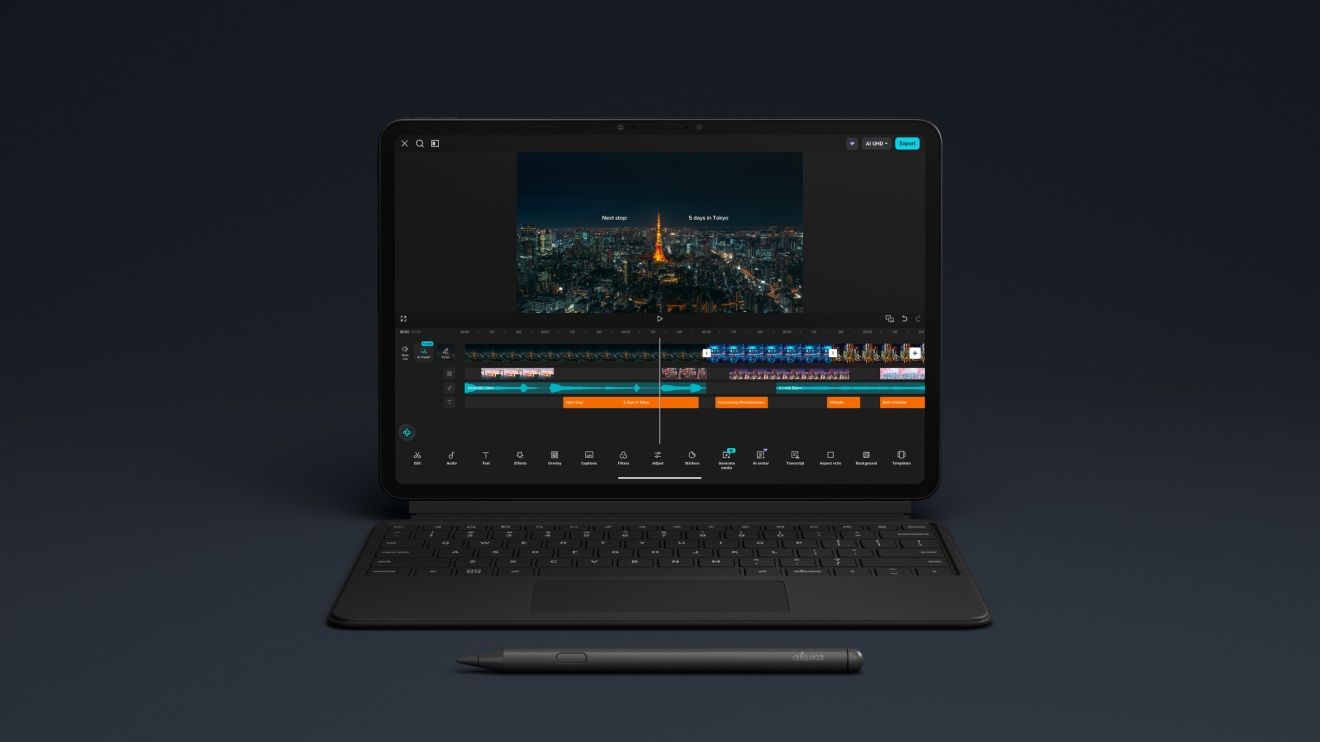
This exclusive T-Mobile deal gets you a powerful Samsung tablet for only $99 — but you're running out of time

Whether you're on the road or on the couch, tablets have become essential devices in today's world. They can also cost a pretty penny without a good deal attached, which is where companies like T-Mobile come in.

This weekend only, the iconic wireless provider will give you the Samsung Galaxy Tab S10 FE 5G for only $99 when you add a line with an eligible data plan on its website. That's a straight $500.99 discount, no trade-in required.

Samsung Galaxy Tab S10 FE 5G 128GB: $599.99 $99.99 with Tablet Unlimited Plus or higher at T-Mobile

In the market for a new couch companion? The Galaxy Tab S10 FE 5G is an excellent choice, and now T-Mobile will give you the 'Fan Edition' tablet for only $99 when you add a line with the Tablet Unlimited Plus plan (or higher). The exclusive offer expires on July 8th, however, so don't wait too long to make your move. View Deal

The Galaxy Tab S10 FE is designated a "Fan Edition" tablet because it takes the most popular features of more-expensive Samsung tablets and loads them onto a versatile, midrange package that should please just about everyone. Straight out of the box, you get a vibrant 10.9-inch 90Hz display with an included S Pen stylus that magnetically connects to the side of the tablet. The Tab S10 FE also boasts a sturdy aluminum build with IP68 water-and-dust resistance, which is rare for a tablet in this price range.

Under the hood, the Galaxy Tab S10 FE is powered by an efficient Exynos chipset with 12GB of RAM, plus you get a 12MP front-facing camera, expandable storage up to 2TB using microSD, and a large 8,000mAh battery should easily last a full day on a single charge.

Sure, there are more powerful Samsung tablets out there, but the Galaxy Tab S10 FE is a reliable, balanced choice for users who don't want to break the bank. This $500 discount from T-Mobile is just the cherry on top.

So what's the catch?

Like I mentioned above, you'll need to sign up for the Tablet Unlimited Plus plan (or higher) to enjoy the $500.99 in savings over 24 months. These data plans start at $25 per month using AutoPay, which you probably would've paid anyway if you plan to connect the tablet to a wireless network. You'll also need to cover a $35 activation fee and any applicable sales tax.

T-Mobile's Tablet Unlimited Plus plan gives you unlimited high-speed data every month, plus 15GB of mobile hotspot data, HD video streaming, and unlimited texting with 5GB of data in over 215 countries around the globe.


from Latest from Android Central https://ift.tt/7OsIGm2
via IFTTT

Google Home Speaker has a problem: users report incredibly slow response times

What you need to know

  • Google Home Speaker users have reported a glaring issue: their device's assistance has become incredibly sluggish.
  • Other users have experienced the same; however, this latency problem appears to affect more than the Home Speaker, as other Nest devices struggle, too.
  • Google has responded to this thread, stating a fix is being worked on "ASAP."

Google's latest smart speaker got off to a fast start, but users are reporting anything but good news, as problems emerge.

Earlier this week, reports surfaced on the Google Home subreddit from a user with a Home Speaker (via Android Police). The root of their report is that their Home Speaker has weirdly become sluggish. They say that the "First day all was smooth... the second day every single question (even 'hello') needs at least 30s of answer time." Troubleshooting provided no such relief from this issue.

Users started flowing into the thread, stating that others with the Home Speaker are having the same problem. The publication spotted another thread from a user that blows this problem wide open. It's not just a Home Speaker issue, but rather a Google smart home issue that's affecting a range of its products. The user says, "Everything is timing out."

They add that their smart home devices are all struggling with delayed or sluggish response times. Resetting has seemingly offered no aid in solving the issue. One user said, "Definitely noticed this since the update. Especially for simpler tasks which used to be snappier, eg turn on the light, change to warm white, set 50%." A subsequent report says they haven't noticed anything timed out, but rather their streamed content (like music) is stopping midway.

Google has become aware of this smart home problem. A community member says the company is "working on a fix ASAP." There's no clear timeframe for when we could see this, so users will have to tough it out as best as possible.

Updates were made to do the opposite

Google Home Speaker lifestyle image

(Image credit: Google)
Android Central's Take

It's a bit strange to see issues surface for something Google has tried to make faster. It's like being caught in the strangest whirlwind. An update will likely be required to solve this problem, the only thing is when will we see it?

It's interesting to see users bring up the fact that the Home Speaker "used to be" snappy with its response times for mundane tasks. Google rolled out an update for Gemini's home assistance in March, quickening its responses by ~30% to ~40%. This patch reduced the latency between the user giving the task and Gemini responding to it/following it.

Google's smart speakers were brought into the spotlight a week ago, as the company fixed a long-standing SiriusXM radio problem. Users had been receiving errors with SiriusXM on their smart speaker, stating, "I looked for that, but it either isn't available or can't be played right now." SiriusXM would work via the user's phone, just not on Google's smart home devices. All is seemingly well now after Google's patch.


from Latest from Android Central https://ift.tt/crwvoFU
via IFTTT

Samsung might bring Privacy Display to every Galaxy S27 model

What you need to know

  • Samsung is reportedly considering bringing its built-in Privacy Display to every Galaxy S27 model, not just the Ultra or the rumored Pro.
  • Unlike traditional privacy films, Samsung's solution is built directly into the OLED panel, preserving brightness and image quality while blocking side glances.
  • Samsung hasn't confirmed the feature's rollout or even the existence of the Galaxy S27 Pro, so these rumors should be treated cautiously.

Samsung's hardware-based Privacy Display may not be exclusive for much longer. Now a new report indicates the company is considering rolling out the feature across the entire Galaxy S27 series, potentially bringing one of its most useful upgrades well beyond the Ultra.

That’s a big shift from previous rumors that suggested Privacy Display would only extend as far as the rumored Galaxy S27 Pro. But now, new information from The Elec suggests Samsung is mulling the feature for all Galaxy S27 models — the standard Galaxy S27, Galaxy S27 Plus, the rumored Galaxy S27 Pro, and the Galaxy S27 Ultra.

Privacy Display first debuted on the Galaxy S26 Ultra, eliminating the need for traditional stick-on privacy screen protectors. Samsung’s solution is built into the OLED panel itself rather than a dark film, which always has an effect on brightness and image quality. This limits the display’s viewing angles so that when it’s on, only the person with the phone can see the screen clearly, and anyone trying to look from the side can see very little. It can also be set to automatically turn on when you open banking apps, read sensitive notifications, or enter passwords.

The tech itself is based on Samsung Display’s Flex Magic Pixel system, which combines two different kinds of subpixels. Both are active during normal use to provide a standard viewing experience. Turning on Privacy Display disables the subpixels at a wider angle, significantly reducing side visibility, with no external accessory required.

The wider rollout also coincides with rumors of a shake-up to Samsung's flagship lineup. A series of leaks suggest a new Galaxy S27 Pro alongside the standard, Plus, and Ultra versions, making a quartet of devices. The Pro should offer a ton of Ultra-grade features in a smaller form factor but won’t have the integrated S Pen.

Naturally, none of this is official. Samsung hasn't confirmed which Galaxy S27 models will get the Privacy Display or if the rumored Galaxy S27 Pro will even ever launch. There were also rumors that the company would launch a Pro-branded Galaxy S26 before settling on a three-phone lineup, so these reports should be taken with a grain of salt.

Android Central's Take

Hopefully this leak is accurate because Privacy Display sounds like a feature that shouldn’t be a luxury add-on. The feature does solve a real problem, and I would much rather see Samsung bring real privacy improvements to all flagships rather than keeping them behind the Ultra paywall. That said, if the company uses Privacy Display as yet another excuse to carve its lineup into even more confusing tiers, it risks overshadowing what is actually a genuinely useful innovation.


from Latest from Android Central https://ift.tt/zRVkxG8
via IFTTT

Samsung's Galaxy Glasses may work with your Watch and Ring in surprising ways

What you need to know

  • A couple of Galaxy Glasses leaks reveal the companion app, touch controls, and deep integration with the wider Galaxy ecosystem.
  • You'll presumably be able to pair the glasses, install updates, tweak settings, check battery life, and automatically sync captured photos and videos to your Galaxy phone.
  • Dual LED recording indicators are said to alert both the wearer and people nearby whenever the camera is in use.

Samsung has already confirmed it’s joining the smart glasses race, but until now we haven’t really had an idea of what it’d be like to use its forthcoming wearable. Now, a couple of fresh leaks have not only revealed the companion app for the Galaxy Glasses but also how Samsung plans to integrate the device into the rest of its Galaxy ecosystem.

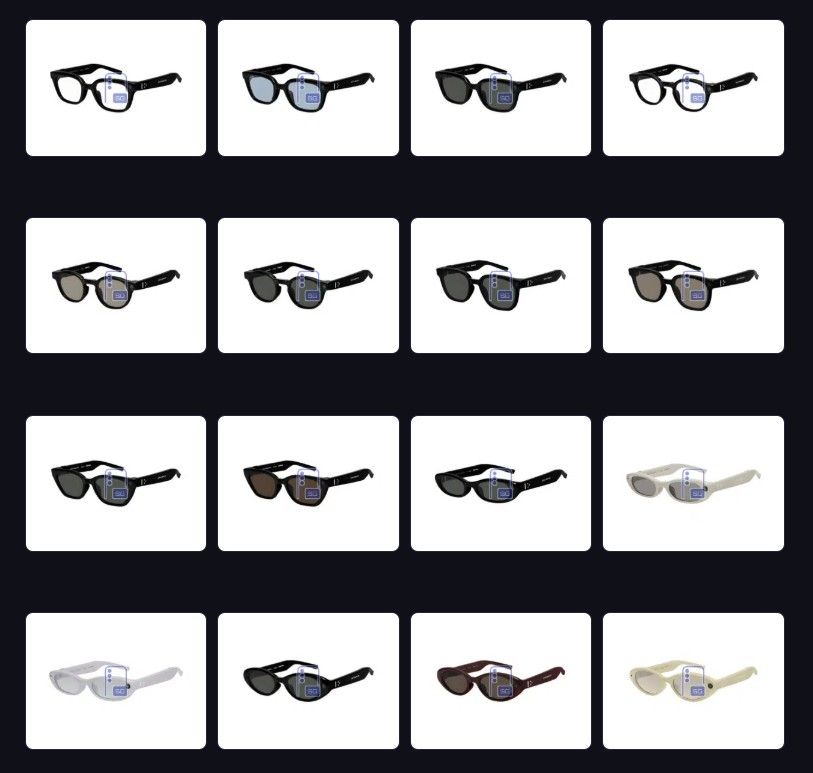
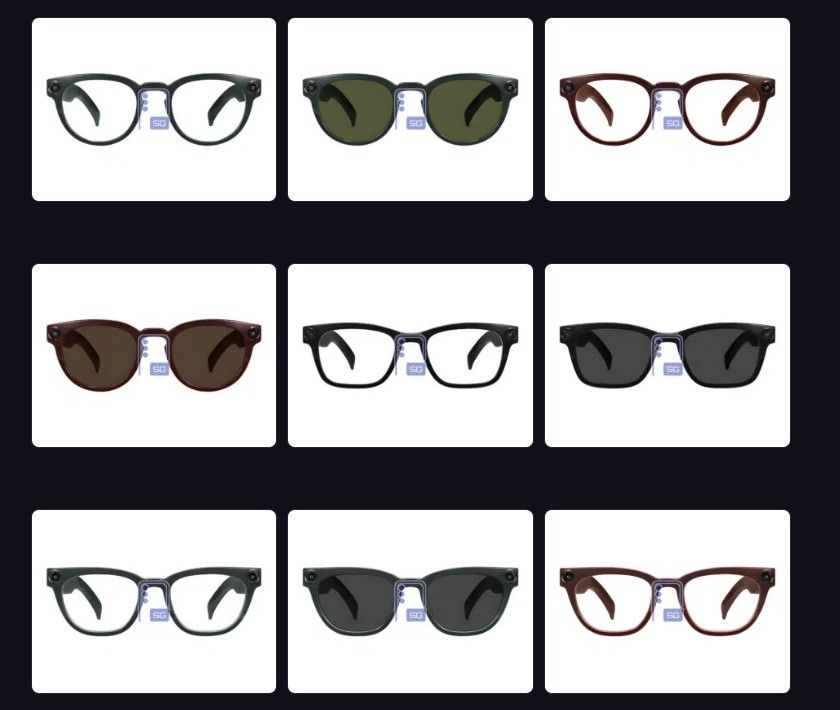
Thanks to SammyGuru, the newly leaked Galaxy Glasses Manager app offers us the clearest look yet at the software on which users will rely once the glasses arrive later this year. During setup, the app guides users through the process of granting permissions and putting the glasses into pairing mode before connecting the glasses to a phone. The onboarding screens also show Samsung’s Warby Parker-branded model, one of the two eyewear partnerships Samsung announced in conjunction with Gentle Monster.

Once paired, the app is the hub of control for the glasses. You will be able to install firmware updates, change the settings, and switch different features on or off. The main page also seems to show battery status and has a setting to automatically send photos and videos taken with the glasses directly to your Galaxy phone.

companion app for Samsung Galaxy Glasses
SammyGuru
companion app for Samsung Galaxy Glasses
SammyGuru

The software also hints at a number of native features, including camera controls, AI assistants, notification readouts, accessibility options, advanced features, and a Find my glasses tool to find lost frames. SammyGuru couldn't see every menu, as it didn't have a working pair of glasses connected, so there's still more under the surface.

Android Central's Take

Smart glasses won’t go mainstream just because they’re smart; they have to fit in naturally with the devices people are already using every day. It just makes more sense to be able to control them with a Galaxy Watch or even a Galaxy Ring, rather than shouting voice commands in public. That said, Samsung has to make sure all of this works seamlessly rather than being another ecosystem perk that's only useful if you've gone all-in on Galaxy hardware.

The leak also confirms what Samsung had teased about its software platform. The Galaxy Glasses run One UI XR, Samsung’s interface, which is based on Google’s Android XR platform and is the same software that will be found on Samsung’s upcoming XR headset.

In addition to the companion app, another report from the same source gives us some insight into how you'll actually control the glasses. Samsung appears to be combining physical buttons with touch gestures instead of going fully on voice commands. A touch-sensitive panel is said to be located in the right temple. To move to the next song, swipe forward with one finger, or swipe backward to go to the previous track. Use two fingers to adjust the volume and tap to pause/resume playback. The same tap gesture can also be used to answer incoming calls.

There’s also a dedicated camera button near the hinge. A single press captures a photo, while pressing and holding starts video recording. Pressing again terminates the recording session. Also rumored to be included are two LED indicators to make recording more obvious, one facing outward to let people around you know the camera is active, and another facing the wearer to serve as a personal recording indicator.

Samsung's software experience could also be a good place to stash captured media. The leak says that newly captured photos and videos may show up in the Now Bar on supported Galaxy phones so that users can preview or reframe their shots. A connected Galaxy Watch may also show previews of similar things. But perhaps the most interesting discovery is how much Samsung wants these glasses to integrate with its other wearables.

The companion app’s code also makes references to a standalone Galaxy Glasses Controller app that could be pre-installed on Galaxy Watches. Other code strings reference gesture actions tied to the Galaxy Ring, suggesting that users could eventually control certain Glasses functions with hand or finger gestures detected by the ring. Samsung has not said how these gestures would work, but the references suggest that the company is actively developing tighter cross-device controls.

Of course, none of these features are official until Samsung introduces the product. Even if the Galaxy Glasses’ full release does come later this fall, the tech giant is expected to tease more of its Android XR plans in the coming weeks.


from Latest from Android Central https://ift.tt/FcXdzVp
via IFTTT

jeudi 2 juillet 2026

Pixel users aren't receiving calls, but the issue might be Google's phone app

What you need to know

  • Pixel users have been raising an issue on Google's various subreddits and its Issue Tracker about a "missing incoming call" bug.
  • Users with a wide range of Pixel phones say their phones have been ignoring incoming calls, and rarely inform them that one has been attempted.
  • However, the problem could be with the Google Phone app, as this behavior has reportedly affected several phones for months.

Google Pixel users say they're suffering from a phone problem that no one (in this day and age) ever wants.

This Google Pixel problem reportedly concerns the phone's ability to receive calls, affecting a range of devices (via Android Authority). It's quickly become apparent through a Pixel subreddit report that this problem hasn't started in the past few days or weeks. Users state their Pixel has been missing calls for over a month. The original post (OP) says their Pixel 10 Pro XL "is not receiving calls after the last update." This was posted at the end of May.

They explain their situation, stating, "As mentioned since the last update people will call me and it won't go through. Just hangs on the calling screen and then hangs up. My wife said it happens routinely and she will have to call me 3 to 4 times and sometimes my phone will ring."

On their side, the user sees nothing. Their phone will remain idle with its display off. The user has run through a series of at-home troubleshooting steps (restarting, clearing cache, ensuring DND is off), but nothing has worked. Another user even further back reported this issue affecting their Pixel 7 Pro. Not only are users missing calls on Google's stable patch, but it's happening in Android 17 QPR1 Beta 5, too. This user says their Pixel 10 Pro XL only started missing calls after downloading the latest beta, adding that a thread has been opened on Google's Issue Tracker about it.

Android Central's Nicholas Sutrich brought this issue up earlier today after stating he's "had this behavior on several phones for months now." Sutrich adds that "it's a Google Phone app issue, not a Pixel issue." Android Central has reached out to Google about this missing incoming call issue and will update this post if we hear back.

This problem is dangerous

Google Pixel 10 Pro XL photos on Android Central

(Image credit: Apoorva Bhardwaj / Android Central)

A Google Community member did respond to one of the Reddit threads. We can at least assume the company is aware of the issue. This is a troublesome problem, especially if it's affecting the Google Phone app. That means more than just Pixels have this problem. There was one report that mentioned the Galaxy S25, so users should remain cautious.

The last memorable Phone app problem we've reported was more of an inconvenience than anything else. Earlier this year, the app constantly flipped its orientation. You'd typically want your call to remain in portrait, but the app would switch to landscape, messing up the buttons. Google fixed this by rolling out a "keep portrait mode" in the app's display settings.

Curiously, Google's Call Screen for Pixels was cited as a potential culprit behind this missing-call issue. The user on Reddit said that, after turning it off, their device would alert them to incoming calls as expected.

Android Central's Take

I'm surprised there isn't more urgency. Missing phone calls is an incredibly serious issue. I saw one person on Reddit mention that they have kids and older parents. There's no telling what could be wrong if they happened to miss a call. Their child could be sick, or their parents could've had something happen, too. The problem seems to have been escalating lately. Hopefully, this kicks Google into higher gear.


from Latest from Android Central https://ift.tt/emaB2UC
via IFTTT

The best Verizon deals of July 2026 — so many free phones

The summer sale season is upon us, and the Verizon deals are really heating up. Whether you're in the market for a flagship phone, innovative foldable, or budget device, I've collected the best Verizon deals of July 2026 into this guide.

Verizon has been a major player in the wireless scene for over 20 years, offering users a variety of plan options for every type of user (and budget) imaginable. The Big Three carrier also offers a ton of awesome deals on Android phones, with extra rewards for those who trade in or add a line with an eligible data plan.

Keep reading for all of my favorite Verizon deals of July 2026, and don't forget to check back later to see what's new: I add new offers to this list on a regular basis.

Verizon deals

Motorola Razr (2026) 128GB: $799.99 FREE with eligible unlimited plan at Verizon

The Motorola Razr 2026 has only been out since May 21st, but you can already get the innovative flip phone for FREE when you add a line with the Unlimited Welcome, Unlimited Plus, or Unlimited Ultimate plan at Verizon.View Deal

Samsung Galaxy S26 256GB: $899.99 FREE with eligible unlimited plan at Verizon

The Galaxy S26 has only been out for a few months, but you can already get the new flagship for FREE by adding a line with the Unlimited Welcome, Unlimited Plus, or Unlimited Ultimate plan at Verizon. View Deal

Samsung Galaxy S26 Ultra 256GB: $1,299.99 $5.55 per month with Unlimited Ultimate plan at Verizon

It's not hyperbolic to call the Galaxy S26 Ultra the most powerful Android phone of 2026, but this performance comes with a steep price tag to match. Fortunately, if you order the phone and add a line with the Unlimited Ultimate plan, Verizon will give you an S26 Ultra for only $5.55/month for 36 months.View Deal

Samsung Galaxy S26 Plus 256GB: $1,099.99 FREE with eligible unlimited plan at Verizon

Similar to the S26 deals that I described above, if you're interested in the super-balanced Galaxy 26 Plus, you can get the phone FREE by adding a line with the Unlimited Plus or Unlimited Ultimate plan at Verizon.View Deal

Google Pixel 10 Pro 128GB: $999.99 FREE with eligible unlimited plan at Verizon

Add a line with Verizon's Unlimited Welcome, Unlimited Plus, or Unlimited Ultimate plan and the carrier will give you the powerful Google Pixel 10 Pro for FREE! View Deal

Google Pixel 10a 128GB: $499.99 FREE with unlimited plan at Verizon

The long-awaited Google Pixel 10a finally hit store shelves on March 5th with a bunch of great deals in tow. Buy the midrange masterpiece from Verizon with a new line on the Unlimited Welcome, Unlimited Plus, or Unlimited Ultimate plan and you'll get enough promo credits to make the phone totally free. View Deal

Google Pixel 10 Pro XL 256GB: $1,199.99 $8.33 per month with eligible unlimited plan at Verizon

Add a line with the Unlimited Ultimate plan and Verizon will give you the super-powered Pixel 10 Pro XL for only $8.33 per month for 36 months, no trade-in required. View Deal

Motorola Edge (2026) 128GB: $529.99 FREE with eligible data plan at Verizon

The Motorola Edge (2026) is a versatile midrange phone with great battery life, IP69 durability, and solid performance from a MediaTek chip. Add a line with the Unlimited Welcome, Unlimited Plus, or Unlimited Ultimate plan and Verizon will give you the device for 100% free. There's also some trade-in credit up for grabs if you're looking to ditch an old phone. View Deal


from Latest from Android Central https://ift.tt/5r4jpDI
via IFTTT

mercredi 1 juillet 2026

PSA: Samsung Messages app on your Galaxy phone will stop working this month

What you need to know

  • Samsung Messages is shutting down this month, though the company hasn't confirmed an exact date yet.
  • Users on Android 11 and earlier are unaffected, and emergency calls still work after the shutdown.
  • Google Messages is the official replacement, and Samsung has made the transition fairly easy to do.

It's July, which means the month has finally arrived for the Samsung Messages app on Galaxy phones to shut down.

Back in April 2026, Samsung announced it would be shutting down its Messages app later this year. The company published an official notice on its U.S. website confirming the change and specifying July 2026 as the cutoff. That month is now here, which means the app could stop working at any point.

Samsung still hasn't confirmed the exact date, but the shutdown is expected to happen fairly soon. The company has already stopped preloading the Messages app on flagship Galaxy devices since 2024, and while users could still install it from the Galaxy Store, even that option was pulled with the Galaxy S26 Ultra earlier this year. A full shutdown now looks imminent.

It's over for Samsung Messages on Galaxy phones

Setting the default SMS app on Samsung Galaxy phone

(Image credit: Sanuj Bhatia / Android Central)

Users on Android 11 and earlier won't be affected and will still be able to use Samsung Messages on their devices. It's also worth noting that even after the shutdown, you'll still be able to use Samsung Messages on a Galaxy device to contact emergency services. However, you won't be able to send or receive messages from regular contacts.

Samsung has already confirmed it's transitioning Galaxy phones to Google Messages, and the company has made the switch fairly straightforward. We've written a detailed guide on how to move your messages from Samsung Messages to Google Messages that you can follow to transfer all your messages from the old app to the new one.

If you'd rather not use Google Messages, there are a few Samsung Messages alternatives worth exploring. That said, none of them are a true one-to-one replacement, so there's a good chance you'll end up going with Google Messages anyway.

Android Central's Take

I get why some people are upset about this. Nobody likes being forced off an app they've used for years. That said, Google Messages is in a much better place than it used to be, so the switch isn't as painful as it sounds.


from Latest from Android Central https://ift.tt/JUclbH7
via IFTTT

Samsung's wide foldable just got its first detailed specs leak

What you need to know

  • The Galaxy Z Fold 8 is rumored to adopt a wider 4:3 design to compete more directly with Apple's foldable iPhone.
  • Leaked specs point to a Snapdragon 8 Elite Gen 5 chip, 12GB RAM, up to 1TB storage, and a 4,800mAh battery.
  • Samsung could make the Fold 8 one of its lightest foldables yet, measuring just 4.5mm thick when unfolded.

It's officially July, which means we're finally in Samsung foldable season. And ahead of the company's rumored launch later this month, a new leak has revealed the full specs of the upcoming Galaxy Z Fold 8.

The Galaxy Z Fold 8 lineup is shaping up to be particularly interesting this year. Samsung is reportedly renaming what used to be the standard Galaxy Z Fold into the Galaxy Z Fold 8 Ultra, while the regular Galaxy Z Fold 8 is expected to become a wider, shorter foldable designed to compete more directly with Apple's rumored foldable iPhone.

Tarun Vats, who frequently shares One UI-related leaks on X, now claims the Galaxy Z Fold 8 will feature a 7.6-inch Quad HD+ internal display with a 4:3 aspect ratio. The cover display is said to be a 5.5-inch Quad HD+ panel with a 16:10 aspect ratio. Both displays will reportedly use Dynamic AMOLED 2X panels with support for up to a 120Hz refresh rate.

Product render comparing the sizes of Galaxy Z Fold 8 Ultra, Galaxy Z Fold 8, and Samsung Galaxy S26 Ultra.

(Image credit: X/@UniverseIce)

In terms of design, the Galaxy Z Fold 8 is rumored to measure just 9.7mm thick when folded and only 4.5mm when unfolded. Its full dimensions are said to be 123.9 × 81.9 × 9.7mm folded and 123.9 × 161.4 × 4.5mm unfolded. The phone is also expected to weigh around 200 grams, which would make it impressively light for a foldable.

Like Samsung's other 2026 flagships, the Galaxy Z Fold 8 is expected to be powered by the Snapdragon 8 Elite Gen 5 for Galaxy, the same chip found in the Galaxy S26 Ultra. It will reportedly come with 12GB of RAM and storage options of up to 1TB.

Coming to the cameras, the Galaxy Z Fold 8 is reportedly set to feature a 50MP primary camera alongside a 50MP ultra-wide sensor on the back. Both the cover and inner selfie cameras are also expected to use 10MP sensors.

Android Central's take

On paper, the Galaxy Z Fold 8 is looking like a very compelling package. It seems to check almost every flagship box although the biggest differentiator this year could end up being the price. I'm actually more interested in seeing how the regular Galaxy Z Fold 8 performs than the Galaxy Z Fold 8 Ultra this time around.

One welcome upgrade is the battery. The leak suggests Samsung is increasing capacity to 4,800mAh, which is larger than previous Galaxy Z Fold models. The phone is also expected to support Super Fast Charging 2.0, although the exact charging speed hasn't been revealed yet.

Samsung still hasn't officially announced its summer Galaxy Unpacked event, but the company has started teasing its next launch on Instagram, suggesting an official announcement may not be too far away.


from Latest from Android Central https://ift.tt/w0z8Thr
via IFTTT

mardi 30 juin 2026

Samsung hits restart with a viral marketing campaign ahead of the Galaxy Z Fold 8, Flip 8

What you need to know

  • The company has kicked off a new social media campaign on its Samsung Mobile and Samsung Mobile USA Instagram accounts after hitting reset and wiping every post.
  • Samsung says it's looking to tell a new story ahead of its Galaxy Z Flip 8, Fold 8 launch with a series of cryptic posts that users will be required to unravel and "decode."
  • It states that "when we're ready" it will reveal everything we're used to seeing about phones ahead of a major debut.

We've been anticipating the launch of Samsung's next foldables for months. Tonight (June 30), the company's kicked off a new social media campaign, and it's completely wiped its Instagram.

Samsung says it's "hitting reset" leading up to its Galaxy Z Flip 8 and Fold 8 launch. The company's new social media campaign focuses on Instagram, as it states its account feed will be wiped completely. This will take place before Samsung's wave of "cryptic teaser videos." While this might seem a bit odd, Samsung says there's a purpose behind this campaign.

The company is interested in telling a different kind of story. One that's inspired by "familiar cultural touchpoints." Instead of dropping various details about its next foldables, Samsung says it's going to invite theories and speculation. This campaign will involve a series of mysterious "simple and highly visual" posts that seem mundane. However, there's a deeper meaning to these clues and posts, which Samsung says will require users to "decode."

Certain aspects of these cryptic posts will unearth patterns that users will have to be sharp to spot. Samsung says it won't explain anything until it's ready. When that time comes, it will dive into features for its next foldables. Until then, you might want to try to emulate the great Sherlock Holmes.

The campaign begins on Samsung Mobile and Samsung Mobile USA.

What does it all mean?

There's quite a bit that we'd like to see from the next wave of Samsung foldables. However, there's a particularly strong focus on the Galaxy Z Fold 8 (and all the rumors surrounding the extra stuff). In terms of design, we're not expecting the Fold 8 to stray too far from what the Fold 7 offered. The Fold 7 was incredibly popular when it debuted, for more reasons than one.

The device integrated a thinner form factor, a refined hinge, and display upgrades, which captivated consumers. It would seem strange for Samsung to teeter away from this, but we'll have to see what this social campaign has in store. On the other hand, a Samsung exec, shortly after the Flip 7 and Fold 7 debuted, said the company was "thinking about" bringing the S Pen back. Such a return would require the device to thicken again after becoming so slim.

Android Central's Take

At the time of me writing this post, Samsung's social media accounts are completely wiped. There's not a thing there. And it's funny to see, considering they have nearly 2 million followers on one of them. Samsung is looking to generate a buzz. It wants the attention, it wants the hype, the eyes, the press. It's encouraged us to "follow along." So I shall.


from Latest from Android Central https://ift.tt/Dz35veX
via IFTTT

Google thinks you’re too lazy to read your own notes, launches AI video summaries instead

What you need to know

  • Google's NotebookLM now condenses massive documents and notes into 60-second, TikTok-style vertical videos.
  • The feature is fueled by Gemini 3.1 Flash-Lite Image, Google’s fastest and most cost-efficient image generation model, boasting four-second render times.
  • Google is also previewing a robust full-video generation model that supports natural language editing, multimodal inputs, and native audio syncing.

Nobody really enjoys reading through a massive stack of notes or a 50-page research document when they're cramped for time. Google knows this, and so it’s rolling out a huge upgrade to NotebookLM that takes your uploaded documents and turns them into bite-sized, 60-second AI-generated videos.

For the uninitiated, NotebookLM started out as a simple AI research assistant, but it’s now a powerful learning tool. The latest feature, Short Video Overviews, expands on the Cinematic Video Overviews we saw earlier. But the real star of the show is the engine that powers it: Google's new Nano Banana 2 Lite.

Officially dubbed Gemini 3.1 Flash-Lite Image, Nano Banana 2 Lite is Google’s fastest and most cost-efficient image generation model to date. You get a whopping four-second image generation time and a big jump in visual quality over the original Gemini 2.5 Flash Image (the first Nano Banana). This engine combines world knowledge with rock-solid consistency of character. It lets you quickly sketch accurate scenes, develop storyboarding tools and render legible typography for localized ads without compromising object fidelity.

Using Short Video Overviews in NotebookLM activates this model, which condenses your sources into a vertical video packed with narrative explanations and educational animations. It's purpose-built for people revising notes, presentations, or lengthy PDFs who just want the key takeaways. Before generating, you simply select "Short" from the output formats (alongside Explainer and Cinematic), pick your specific sources, and set the video's focus using a custom prompt or a suggested topic.

Short Video Overviews

(Image credit: Google)

Alongside this, Google also pushed Gemini Omni Flash into public preview. This model is aimed at full video generation, with conversational editing (relighting scenes and swapping characters with natural language) and multimodal inputs. It has native audio pairing for each video output and syncs on-screen text with kinetic movements.

Short Video Overviews aren't available to everyone just yet. The feature begins rolling out over the coming weeks to English-speaking users aged 18 and older. When it goes live, you’ll be able to access it on the web, Android and iOS, whether you’re signed into a regular consumer account or Google Workspace.

Android Central's Take

If you’re a student cramming for finals or someone who hates reading dense reports, turning a 50-page PDF into a digestible, TikTok-style recap is a massive win. But are we really so allergic to actual reading that we need an AI to hallucinate a 60-second clip from our notes? Google wants to sell the service as the ultimate productivity hack, but it feels disturbingly like a crutch for our fast-shrinking attention spans.


from Latest from Android Central https://ift.tt/1NnYrZ5
via IFTTT

Motorola gives its earbuds a luxury twist, but the Moto Tag 2 might be the bigger upgrade

What you need to know

  • Motorola's new Moto Tag 2 arrives in North America with Bluetooth 6.0, UWB support, Google Find Hub integration, and over 500 days of battery life.
  • It adds Find My Phone, remote camera controls, location sharing, IP68 durability, privacy protections, and support for third-party accessories.
  • The Moto Buds 2 Plus are getting new looks with Swarovski-studded Brilliant Collection and new Pantone color options while keeping the same hardware.

Motorola’s connected ecosystem is getting a little boost, but only one of its latest accessories is actually new. The company is bringing the all-new Moto Tag 2, an upgraded Bluetooth tracker that includes newer wireless technology, longer battery life, and tighter integration with Google's Find Hub network, to North America along with fresh color options for the Moto Buds 2 Plus.

In North America, the Moto Buds 2 Plus are available in the eye-catching Brilliant Collection, which pairs a PANTONE Violet Indigo finish with Swarovski crystals, or a more understated PANTONE Cool White. There is also a Canadian PANTONE Silhouette option available.

The Brilliant Collection includes 12 Swarovski crystals embedded in each earbud, plus another 41 hand-placed crystals around the Motorola logo on the charging case.

Moto Buds 2 Plus Pantone Indigo
Motorola
Moto Buds 2 Plus Pantone Cool White
Motorola
Moto Buds 2 Plus Pantone Silhouette
Motorola

The styling is new, but the hardware is the same. The Moto Buds 2 Plus still have Sound by Bose tuning, dual 11mm dynamic drivers with Knowles balanced armature drivers, Hi-Res Audio support, Spatial Audio on compatible Motorola phones, and Dynamic Active Noise Cancellation. Transparency Mode and six microphones with CrystalTalk AI also return to enhance calls and keep users aware of their surroundings when necessary.

Motorola hasn't skimped on features, either. Bluetooth 6.0, dual-device connectivity with auto-switching, wear detection, customizable EQ, Bass Boost, low-latency Gaming Mode, Audio Share, Fit Test, and Motorola AI integrations are still present on compatible devices.

Battery life is rated at up to nine hours on the earbuds alone, or up to 40 hours with the charging case, with a quick 10-minute top-up delivering up to two hours of listening. The earbuds also boast an IP54 rating, while the charging case comes with an IPX2 splash resistance rating.

Pricing hasn’t changed much either. The Swarovski Brilliant Collection edition is priced at $200 in the US, while the PANTONE Cool White version is $150. Availability begins June 30 through Motorola’s online stores.

Android Central's Take

The Moto Buds 2 Plus has a lot of meaningful upgrades beyond the flashy Swarovski crystals, and the Moto Tag 2 finally catches up to newer Android tracking features. That said, I can't help but feel Motorola is trying a bit too hard to convince us that crystals belong on earbuds. I’d prefer companies to spend more time on pushing battery life, smarter software, and better ecosystem features than dressing up gadgets like fashion accessories.

The bigger announcement is the Moto Tag 2. Motorola's new Bluetooth tracker includes Bluetooth 6.0 with Channel Sounding and supports Ultra Wideband (UWB) on compatible Android phones, helping you locate lost items more accurately.

It also works with Google’s Find Hub network, so Android users can find tagged items through the crowdsourced network of devices.

Motorola is also emphasizing practicality. The Moto Tag 2 runs for more than 500 days on a user-replaceable CR2032 battery, carries an IP68 rating for dust and water resistance, and works with Android 9 and newer devices.

Moto Tag 2 dangling from a bicycle

(Image credit: Motorola)

In addition to basic item tracking, it has Find My Phone, remote camera controls, location sharing, unwanted tracking alerts, and end-to-end encryption and works with third-party accessories. Those additions make it more versatile and address growing privacy concerns around Bluetooth trackers.


from Latest from Android Central https://ift.tt/iXLx1UP
via IFTTT

After 25W, Qi2 chases 50W wireless charging with the WPC at Xiaomi HQ

What you need to know

  • Recently, the World Power Consortium held a Qi Off-Cycle meeting at Xiaomi's HQ in Beijing, China.
  • Xiaomi and several more companies were there to discuss a new Qi2 charging standard: 50W.
  • The major talks have concluded, but there's more work to be done, and it's been reported that Qi2 50W might not debut until 2028.

Times are changing, and it looks like the World Power Consortium (WPC) wants to upgrade Qi2 to match what consumers are looking for.

It was reported by ITHome (Chinese) that the WPC's Qi Off-Cycle meeting at Xiaomi's HQ in Beijing, China, was to discuss the future of the wireless charging standard (via 9to5Google). Specifically, Xiaomi is spearheading the future of Qi2 by chasing a 50W charging standard. The publication reports that Xiaomi is focused primarily on "small inductance, low voltage, high power solutions" (machine-translated). Each of these is said to directly influence safety/charging efficiency, coil module loss, and more.

In short, what this new 50W direction wants to solve is "high-powered wireless charging."

The publication states that the meeting featured Xiaomi, as well as "over 20 companies" that have been working alongside it and the WPC to advance the Qi2 wireless standard. The companies met in Beijing to talk about Qi2's 50W "interoperability verification" and to highlight the prototype testing stage. These companies have been encouraged to continue working together to push 50W through, so the market (and consumers) can see it in their future phones.

However, there's nothing official just yet. Right now, what Xiaomi and its partners have been working on is just the groundwork. It's been reported that following Xiaomi's partnerships with domestic companies, Qi2 50W could be a reality by 2028.

25W was almost a year ago

The official Google Pixelsnap Qi2 wireless charger and dock for the Google Pixel 10 series

(Image credit: Nicholas Sutrich / Android Central)
Android Central's Take

It's all about giving users options, right? But if you see that wired charging is still the best route, why would you even look or think about a wireless charger? Xiaomi and its partners and other companies involved with the WPC and Qi2 see this issue and are actively working to solve it. It's pretty clear that this will take some time, but it's probably worth it.

Let's not forget that in July 2025, the WPC announced Qi2 v2.2.1. The version numbers equates to the wireless charging we have today: 25W. The WPC highlighted this new version as being "more powerful" than the original Qi2. A primary critique from consumers about wireless charging is its speeds. They're slow. The latest 25W version aimed to solve that, but it hasn't quite nailed that yet.

Charging speeds were previously stuck at 15W, and now they're 25W. However, if Xiaomi has anything to say about it, things won't stay there for long. It's not satisfied with 25W charging, and consumers aren't either. At the time, iPhones were among the first to bring this to its consumers, with Android makers adopting it soon after. There's a chance we'll see a similar occurrence whenever Qi2 50W arrives.

The WPC was also confident that even more Android phones would see Qi2, and that's thanks to Google and Samsung.


from Latest from Android Central https://ift.tt/36SwLM0
via IFTTT

Walmart just doubled the price of its cheapest Google TV stick, and you already know why

What you need to know

  • Walmart has doubled the price of its cheapest Onn FHD Streaming Stick with Google TV, from $15 to $30.
  • Logged-in Walmart users still see the old price, but anyone not signed in is already seeing the higher tag.
  • Rising AI infrastructure demand is pushing up memory component costs, which is trickling down to budget devices.

Walmart makes some of the most affordable Google TV sticks under its Onn brand. But if you were planning to grab the company's cheapest streaming stick, you'll now have to pay double what it originally cost.

Walmart introduced the Onn FHD Streaming Stick with Google TV back in 2023 for just $15. The smart stick then pushed the price up to $20, but now, as spotted by 9to5Google, Walmart has bumped the Onn FHD Streaming Stick all the way up to $30.

As spotted by the publication, logged-in users are still seeing the original $15 price tag, but anyone not signed into a Walmart account is now seeing the $30 price. A similar thing happened with the mid-tier 4K Plus model first, so it's likely only a matter of time before the base variant sees a permanent increase as well.

Bottom of the Onn Google TV 4K Pro

(Image credit: Andrew Myrick / Android Central)

The move comes shortly after Apple raised prices on several of its devices, including the Apple TV. Walmart hasn't made any official statement, but the likely reason is the same one driving price increases across the industry: AI.

The push to build out AI data centers is driving up demand for memory components, which are also used in consumer tech hardware, and that's pushing component costs higher across the board. Since budget products already carry thin margins, it's natural for companies to pass those increased costs on to customers, and that appears to be exactly what's happening with Onn.

It's not the first time Walmart has raised prices on its streaming sticks, either. The Onn 4K Pro already costs $60, which is $10 more than the previous generation, while the Onn 4K Plus went from $30 to $40. Now the company's most affordable option is taking the same hit.


from Latest from Android Central https://ift.tt/Co0fY12
via IFTTT

lundi 29 juin 2026

You can reserve your WhatsApp username this week to keep your number private

What you need to know

  • WhatsApp announced the beginning of its global username reservation period for the platform.
  • Users can begin reserving their desired username this week on WhatsApp, which lets them share this instead of their phone number for added privacy.
  • Small business owners and content creators can "claim" their usernames from Facebook or Instagram and port it into WhatsApp.

In the name of privacy, WhatsApp is rolling out username reservations, and this is how you can get started.

Today (June 29), WhatsApp announced that its "introducing usernames" to the platform this week. Users can keep their phone numbers to themselves and instead put their chosen username front and center. What's more, WhatsApp is adding a "key" to help users "control who contacts you by your username." To avoid overlap, the messaging platform is kicking things off with a reservation period before the username feature launches officially "later this year."

What's rolling out is a new Username option in your WhatsApp account settings (Settings > Account > Username). Tapping that will give an initial splash screen and a button to create one. The system will check to make sure your username hasn't already been taken. If it has, you'll need to create a new one. Additionally, the secondary level of security is the "key."

If you specify that only people with your key can contact you, WhatsApp will generate a unique string of numbers for you. However, you must share your username and this generated key before someone can start texting or calling you.

WhatsApp states that there is no "registry" or suggestions for usernames. People must know your name (and key, if you've chosen that) before they can contact you. For content creators and businesses on Facebook or Instagram, users can "claim" their username and transfer it to WhatsApp.

Reserved under...?

Users can begin reserving their desired usernames on WhatsApp, so they can share that instead of their phone number.

(Image credit: WhatsApp)

WhatsApp states usernames are rolling out "gradually over the coming months." The app will inform you when you can begin doing so in your country.

We've been hearing about usernames on WhatsApp for a while now. The messaging platform rolled out a few contact-focused features a while ago. The main goal was to give users the option to save contacts from WhatsApp web and Windows devices. It gave more flexibility when interacting with contacts, as the only way you could do so prior was on your primary phone.

However, the platform said this was done to begin setting the framework for usernames in the future. This would be that future. Global reservations for usernames are beginning this week, so users should start thinking ahead of time and get to it ASAP.

Android Central's Take

Usernames are simple. If you grew up playing multiplayer games, you'd know the feeling. They represent who you are (in a way), and are like fun codenames when you're playing games. The thing about phone numbers is that they're so personal. They literally connect you with someone else. If someone has it, they knew exactly how to reach you. Not everyone's ready for that kind of commitment, and I think usernames can solve that.


from Latest from Android Central https://ift.tt/AYVkn9I
via IFTTT

YouTube Shorts just borrowed more of TikTok's best tricks

What you need to know

  • YouTube Shorts is getting a major usability upgrade with 2x playback, a clutter-free viewing mode, improved recommendation controls, and a redesigned Like button.
  • You can now speed through Shorts at 2x by holding either side of the screen, making it easier to skip slower content without leaving the video.
  • A new Clear screen mode hides on-screen clutter with a single tap, giving videos a cleaner, more immersive viewing experience.

YouTube is giving Shorts one of its biggest viewer-focused updates yet, making the experience cleaner, faster, and a lot more familiar for anyone who’s spent time on TikTok.

The rollout brings four major improvements to the Shorts player interface, including a faster playback experience, a clean viewing experience, improved feedback controls, and a new Like button, as per YouTube's announcement. The headline addition is 2x playback speed.

Shorts had previously been limited to normal playback speeds, while standard YouTube videos offered various playback controls.

clear screen feature in YouTube Shorts

(Image credit: Google)

With the new change, you can now hold either side of the screen to temporarily double the speed of playback. Then, release your finger to return to normal. If you want to keep it at 2x, just swipe down with the screen held.

Another welcome change is the addition of a new "clear screen” mode. Watching Shorts often means an overlay full of buttons, captions, usernames, and other interface elements. Now you can hide almost everything on the screen with just one tap, leaving only the video itself. Tap again if you want the controls restored. The feature is a close copy of TikTok’s Clear Mode, but it’s an improvement many Shorts viewers have been asking for.

YouTube is also altering the way viewers engage with Shorts. The familiar thumbs-up icon is being replaced with a heart, aligning the visual language of Shorts with other short-video platforms. It looks different, but it functions the same: tap it and you’re still giving the video a thumbs up.

The dislike button is dead

The bigger switch is dislike. YouTube is removing the dislike button from the Shorts player entirely and will provide users with more direct controls over recommendations. Viewers are asked to select “Not interested” or “Don’t recommend this channel” from the three-dot menu instead of just disliking a video. These tools, YouTube says, provide more accurate signals about what kind of content people actually want to stop seeing, which helps improve future recommendations rather than just relying on a simple thumbs-down.

But creators don’t need to worry about losing their historic data. The current dislike counts for Shorts will still be available in YouTube Studio. At the end of June, however, Google will stop collecting new dislike counts for Shorts, while long-form videos and live streams will continue to show dislikes like they do today.

Another quality-of-life improvement that comes with these changes: viewers can mute Shorts right from the player, making it easier to browse silently without having to use the device’s volume controls.

Android Central's Take

I think this is the kind of updates shorts has been needing for a while. Scrolling should be less frustrating and more purposeful if you could zoom through slower videos, hide the clutter on the screen, and fine-tune recommendations without resorting to a vague dislike button. That said, it’s hard to look past how many of these additions feel like they were lifted from TikTok, rather than truly original thoughts. By now, YouTube appears more interested in closing feature gaps than blazing its own trail.


from Latest from Android Central https://ift.tt/ifozBqd
via IFTTT

Prime Day is over, but Samsung's best cheap phone is STILL selling for a record low price at Amazon

Prime Day 2026 has come and gone, but you may be surprised at the number of Android phone deals that are still hanging around. One notable example of this would be the 256GB configuration of the Samsung Galaxy A57 5G, a midrange masterpiece that is still chilling with a 16% discount, days after the sale's end. That price decrease drops Samsung's 'budget king' to the lowest price ever recorded, no trade-in or Prime membership required!

The Galaxy A57 5G is the 'budget king', and now it's cheaper than ever before

Samsung Galaxy A57 5G 256GB: $609.99 $509.99 at Amazon

Samsung's latest midrange masterpiece, the Galaxy A57 5G is an approachable Android phone that doesn't skimp on flagship-level specs. Grab the 256GB version from Amazon today and you'll score a historic 16% off your purchase.

Want to save even more? The 128GB version of the phone is also receiving an 18% discount, knocking the price down to $449.99 for a limited time.

💲Price comparison: Samsung - $509.99 | Best Buy - $449.99 (128GB version)View Deal

Although it often gets overlooked next to similarly-priced options like the Google Pixel 10a, the Galaxy A57 5G is an incredible phone in its own right, boasting a lovely 6.7-inch OLED display, versatile triple camera system, and IP68 water-and-dust protection, which is a rarity at this price point. 

The A Series Samsung phone also comes with a durable aluminum-and-glass construction while still weighing less than Google's phone. Under the hood you get an efficient Exynos processor with 8GB of RAM and a 5,000mAh battery that should easily surpass a full day on a single charge. 

On the other hand, the Galaxy A57 doesn't offer wireless charging support, the AI features are a bit lacking compared to some Samsung phones, and you only get six years of OS/security updates compared to Google's guaranteed seven. Still, the Galaxy A57 is a sophisticated smartphone that feels way more premium than its price would suggest. 

Would I recommend buying the phone at full price? No. But slap on a historic discount and the midrange masterpiece becomes a seriously good value. 


from Latest from Android Central https://ift.tt/4RsDzbn
via IFTTT

The portable Samsung T9 SSD is STILL selling for a record-low price after Prime Day — but how much longer can it last?

It's no secret that SSDs and other storage devices are absurdly expensive right now, and it doesn't seem like that's changing any time soon. Fortunately, Prime Day gave us a few solid deals on portable SSDs and other storage devices, and even though that sale has officially come to a close, there are still a few leftover discounts hanging about.

One of my favorite leftover deals is this offer that slashes 38% off the 1TB T9 SSD by Samsung, knocking the price of the storage device down to $179.99 for a limited time. Up until Prime Day, the 1TB SSD was floating around $250, so this is no small discount — it essentially amounts to $0.18 per gigabyte. And the best part is that, unlike many of the official Prime Day deals we saw last week, you don't need to be a Prime member to enjoy the savings.

Samsung 1TB T9 Portable SSD: $287.99 $179.99 at Amazon

Finding a good deal on a storage device can seem like an impossible task in 2026, but Amazon is making things a bit easier by slashing 38% off the portable 1TB T9 SSD by Samsung. This compact solid state device boasts shockingly fast transfer speeds with high-end encryption and a durable build that you can take anywhere.

Need more than 1TB of storage? It's worth mentioning that the 2TB and 4TB configurations of the device are also receiving 39% and 30% discounts, respectively.View Deal

Whether you're a photographer, musician, or business professional, if you're dealing with large files on the go, the Samsung T9 is the ideal companion. This compact device boasts read-and-write transfer speeds of up to 2,000MB per second, plus you get regular firmware updates with AES 256-bit password protection and a high-end thermal cooling system that keeps your SSD running smoothly, no matter how heavy the usage.

The SSD is also built from durable materials and has been drop-tested from up to 9.8 feet in height, so you can take it with you anywhere without worrying about the safety of your most important files. If something does go wrong, Samsung also offers a five-year warranty.

Indeed, the Samsung T9 is a powerful storage device for on-the-go file management, and this is a good price. If you're planning to upgrade your storage setup this year, I'd recommend jumping on this deal before Amazon's leftover Prime Day deals expire. After all, the current RAM crisis isn't going away any time soon, and if you miss this discount, you'll likely have to wait until Black Friday to save this much cash on a portable SSD by Samsung.


from Latest from Android Central https://ift.tt/OMs725m
via IFTTT

samedi 27 juin 2026

It took a while, but Google's finally fixing a SiriusXM radio issue on its smart speakers

What you need to know

  • Google states a fix is rolling out late in June for a bug that impacted several of its smart speakers and SiriusXM radio.
  • Users given multiple errors a month ago, when reports surfaced, and were unable to get their content to stream via a speaker.
  • While this issue gets resolved, Google's also debuted its new Home Speaker and expanded Gemini for Home to more partners.

Google has been busy with new launches and bug fixes since May. This week, it's been reported that a major fix is on the way for a satellite radio problem.

About a month ago, users on the Google Home subreddit reported a sudden problem attempting to listen to SiriusXM radio on their smart speakers (via Android Authority). Getting down to brass tacks, Google responded to this month-old thread this week, stating "We've resolved an issue impacting the ability to stream SiriusXM on some Google Home devices." These "issues" Google refers to were highlighted by the thread's OP (original poster), who states their smart speakers were unable to stream any content.

Specifically, the user states their device would consistently give them the following error: "I looked for that, but it either isn't available or can't be played right now." They checked their Google Home settings and ensured their SiriusXM subscription was properly linked. Spoiler alert: everything was fine. Further investigations showed that they could listen to the radio via the app, just not through their speakers.

Many more reports on the subreddit stated similar issues. After contacting Google Support, users were told to run through normal troubleshooting procedures. Many users already said they did this on their own, to be fair. However, through these reports, Google acknowledged it was an issue, at least that's what users said after contacting support.

Now, over a month later, a fix for the radio issue is coming through for Google Home smart speakers.

New speaker on the block

Google's new home speaker

(Image credit: Google)

In the time that these issues were reported, Google launched the Home Speaker, its future of smart speakers and AI assistance at home. For $99, the Home Speaker is the brand's first device built completely around its AI, Gemini. The AI is capable of understanding normal speech, meaning users don't have to constantly remember and throw buzzwords around. The AI can act on multi-step commands, and users can engage in follow-up questions to keep their conversations going.

Since Gemini is so tightly integrated, we all know what that means: Gemini for Home is at its core. When Google expanded its availability to more countries, the company improved Gemini's response times by 40%. What's more, it improved the AI's ability to understand what device users are talking to about to (hopefully) avoid mistaken commands. On a related note, Google opened Gemini for Home to hardware makers and carriers.

This means consumers will likely see more devices hitting the market that support Google's AI natively.


from Latest from Android Central https://ift.tt/e3FtTxB
via IFTTT

vendredi 26 juin 2026

Hurry! There's still time to grab one of Samsung's best smartphones of 2026 at an all-time low

We're in the final stretch of Prime Day, so there's a bit of pressure to make sure you get everything in your cart before the deals end. Well, if you're still trying to figure out which new phone to buy, consider the search over, because this Galaxy S26 Plus deal just dropped the phone to its lowest price since launch.

When the Galaxy S26 Plus was released earlier this year, it retailed for $1,099, or $100 more than its predecessor. However, despite the price increase, Prime Day is slashing more than $300 off this rather excellent phone, meaning you pay less than the base model Galaxy S26.

An expensive phone deserves a deep discount, and right now it doesn't get any deeper than this 31% deal on the Galaxy S26 Plus, which brings it down under $800. For a 2026 flagship smartphone, that's an incredible steal!

Price comparison: Best Buy - $799 | Samsung - $799View Deal

✅Recommended if: You're in the market for a new flagship smartphone with good cameras, great battery life, and tons of AI features.

❌Skip this deal if: You prefer smaller phones like the base Galaxy S26 or you want Samsung's cool new Privacy Display feature, which is only available on the Ultra.

I've used the Galaxy S26 Plus on and off since it launched earlier this year, and there's no doubt it's a fantastic phone. It plays a delicate balance between the cheaper S26 and pricier Galaxy S26 Ultra by offering a large display, a big battery, and fast 45W charging.

It misses out on some Ultra features, like a secondary telephoto lens, 60W charging, and the very cool Privacy Display that can keep onlookers from seeing the contents of your display.

That said, you still get the excellent One UI experience with smooth animations, the latest features like AirDrop support, and tons of Galaxy AI capabilities like advanced photo editing and a revamped Bixby. And with Gemini Screen automation, you can let the AI handle your Uber Eats orders while you sit back and relax.

The Galaxy S26 Plus may be the awkward middle child of the S series, but you shouldn't sleep on it when it's this cheap.


from Latest from Android Central https://ift.tt/iHJS3br
via IFTTT