
When I heard that the Galaxy Watch 9 would be powered by the Snapdragon Wear Elite, I was excited about the prospect of a proper flagship Qualcomm chip on a smartwatch. That’s not to say recent chips have been bad, but it finally feels like Qualcomm is putting its best foot forward- enough that Samsung is finally willing to ditch its own Exynos chips.
However, after testing the Galaxy Watch 9, I've questioned whether a premium smartwatch chip of this caliber is really necessary. Sure, performance is great, but I haven’t exactly struggled to use smartwatches powered by Qualcomm’s last two chipsets. And in the pursuit of power, the Galaxy Watch 9 seems to suffer in one major area, which makes me think Google had the right idea after all with the Pixel Watch 5.
A smartwatch comfortable enough to sleep with
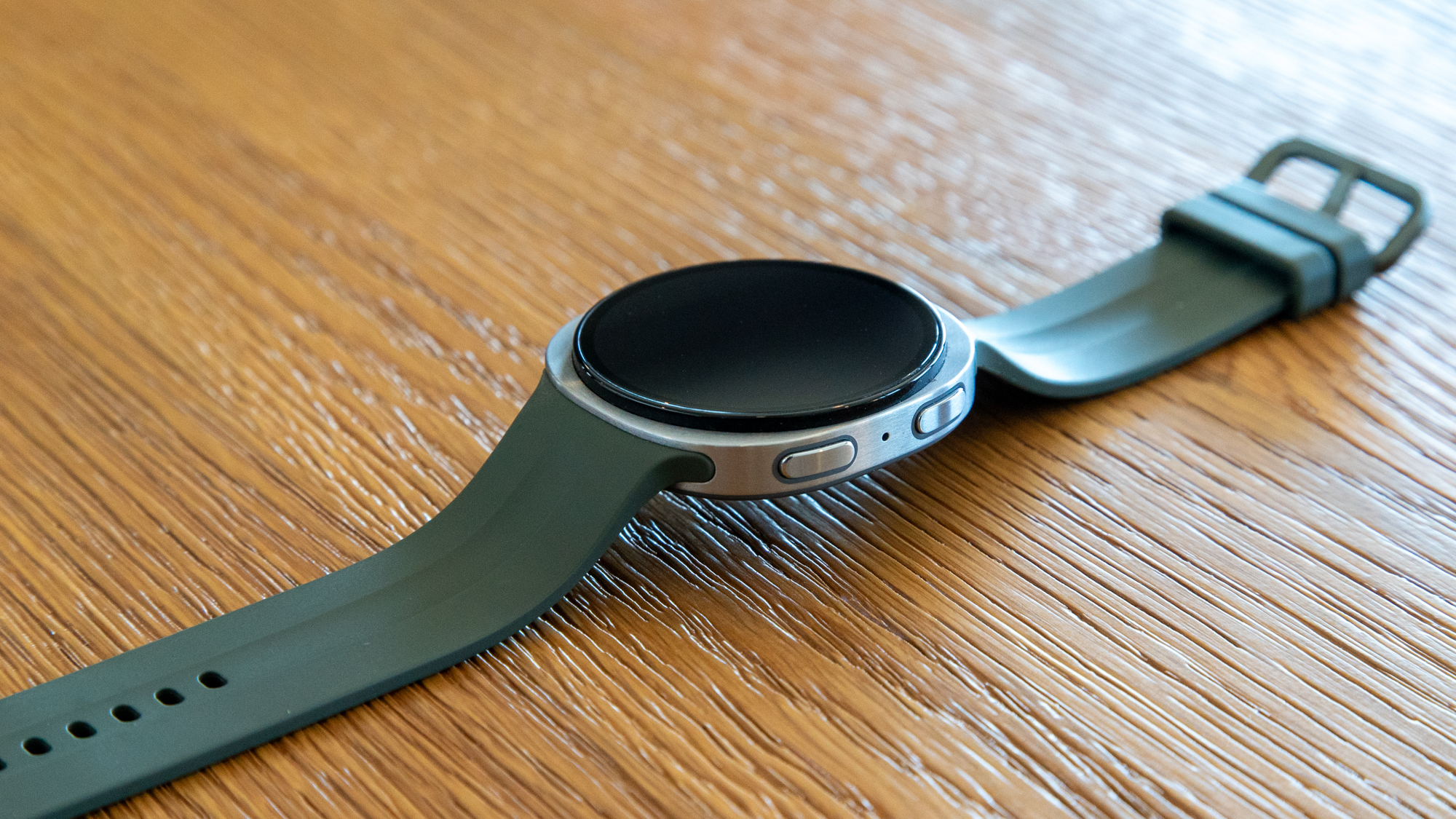
The Galaxy Watch 9 continues a trend it started with the Watch 8, with a thin, lightweight design that's pretty much identical to its predecessor. It has a circular display encased in a square-ish and feather-light aluminum chassis, making it probably the most comfortable smartwatch I've used.
At just over 34g, it's not quite as light as something like the Fitbit Air or Garmin Cirqa, but it's more than comfortable enough to wear while sleeping. That's important because many of the Galaxy Watch 9's health-tracking features count on the ability to monitor your sleep.
Beyond the watch case, the proprietary Galaxy Watch 9 sport band is light and flexible, allowing it to sit relatively flat on a surface and more flush with your wrist, which should help with health and fitness tracking.
More scores, more to keep track of
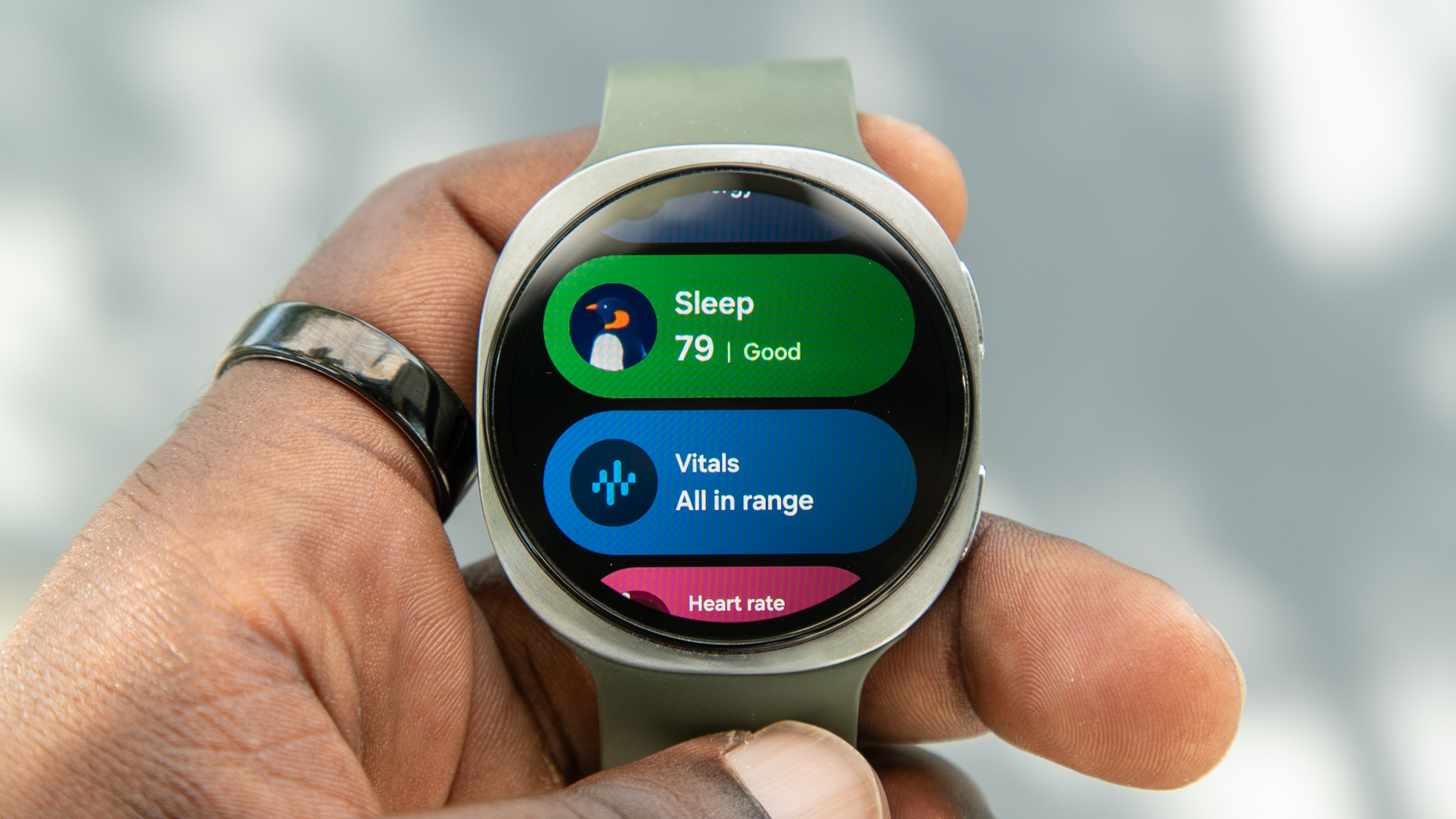
The Galaxy Watch 9 builds on Samsung's previous smartwatches and features pretty much all the major health-monitoring capabilities you could want in a smartwatch, including newer ones like Blood Pressure Trends.
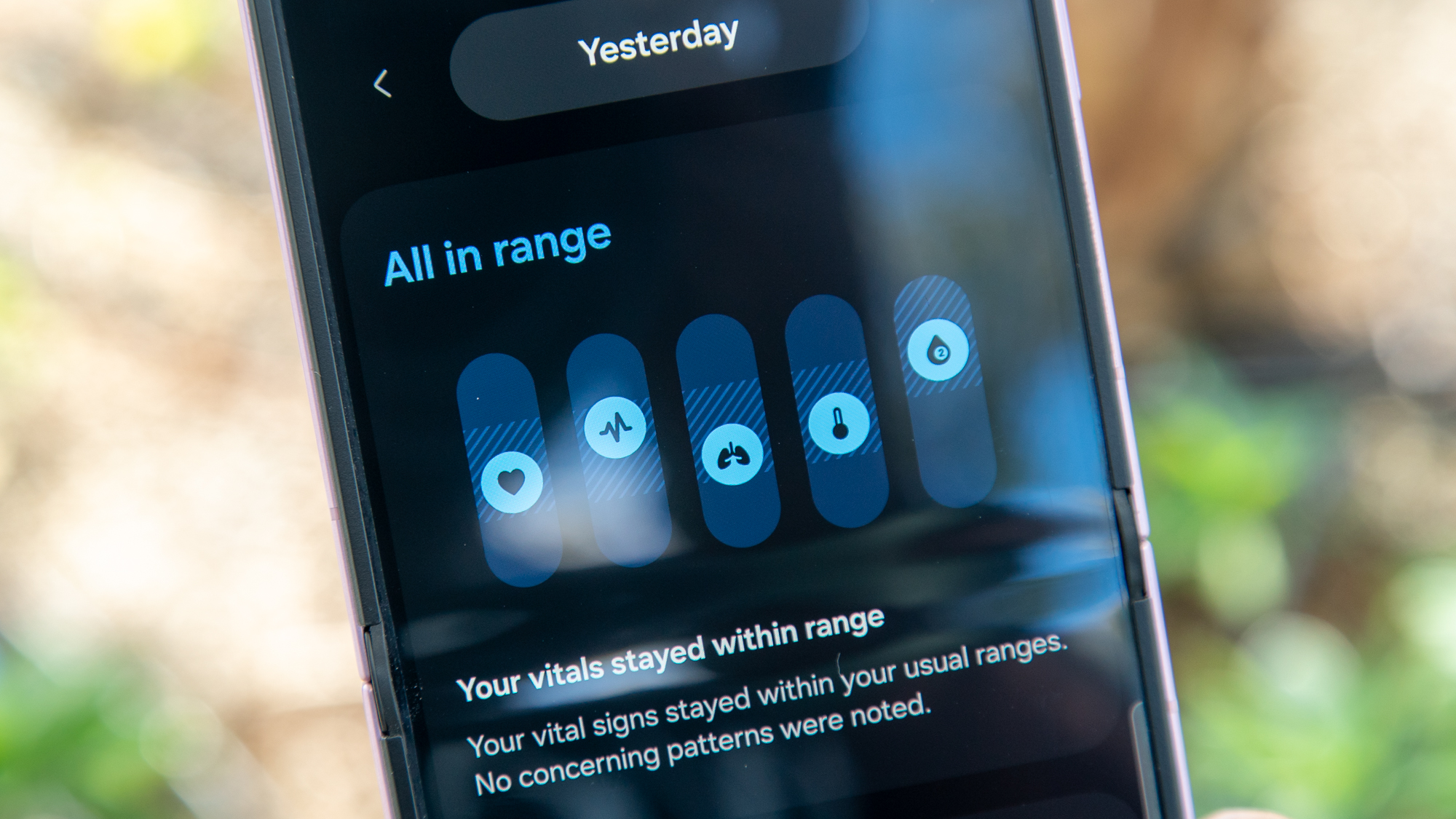
In addition to a Sleep score and Energy score, the watch now provides a look at my Vitals, a new, easy-to-understand view of my major health metrics as I sleep, allowing me to check if anything is off-kilter and find ways to address it.
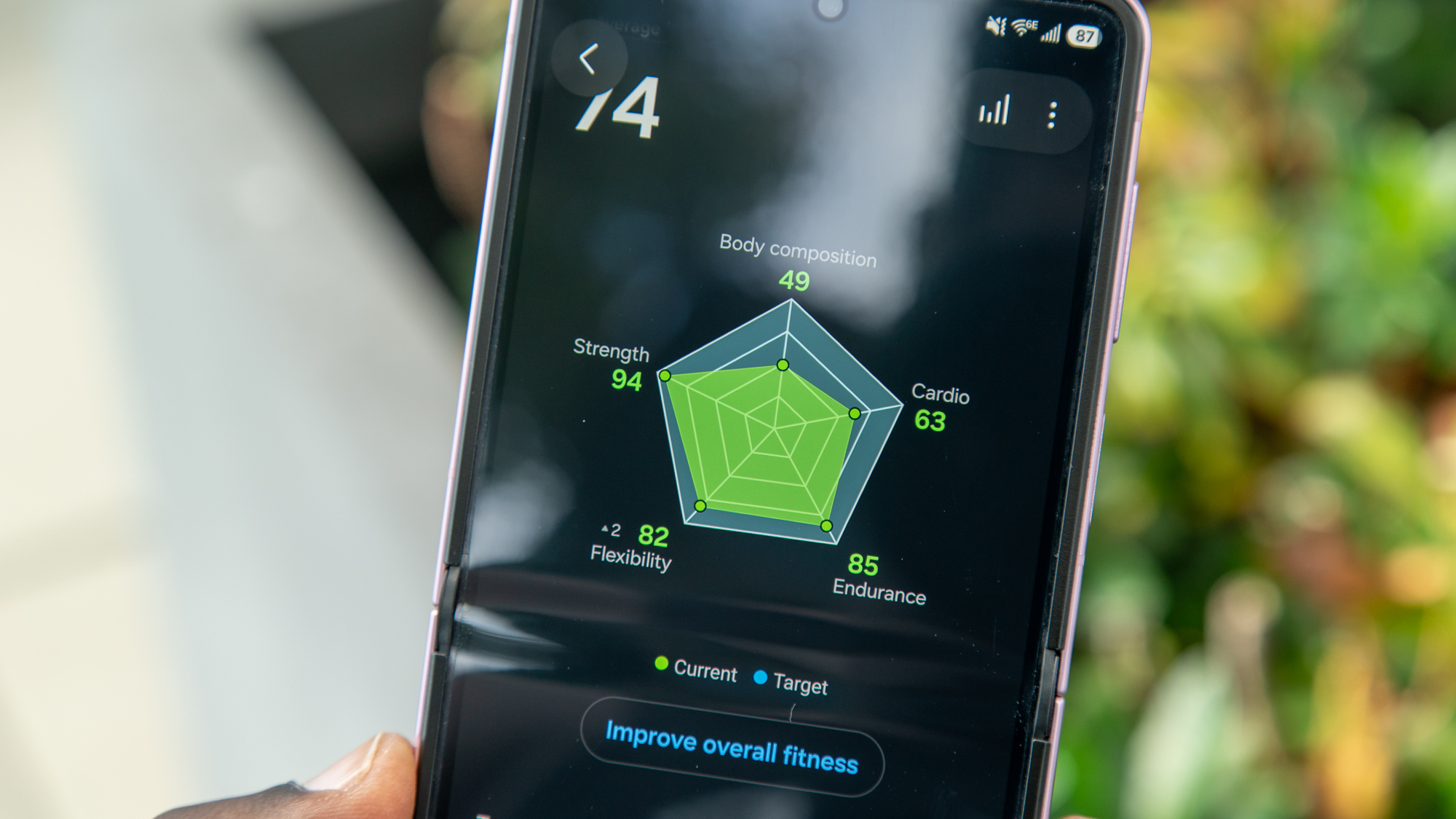
As I track my activities with the Galaxy Watch 9, I can also check my Fitness Index, a set of five scores that measure my physical fitness. It's an interesting concept, but this is probably one of the more confusing features, and it's hard to know exactly how to improve any given score, such as Flexibility or Endurance.
But this confusion is kind of a theme in the upgraded Samsung Health app and in Samsung's overall approach to health and fitness tracking. There is a ton of information to keep track of and a lot of different scores, but much of it feels disparate, with little way to make it useful. There are also features I just can't even take advantage of, like Heart Health, which requires Blood Pressure tracking (I don't have a cuff to calibrate with).
That's not to say more information is bad, but it's definitely a bit overwhelming.
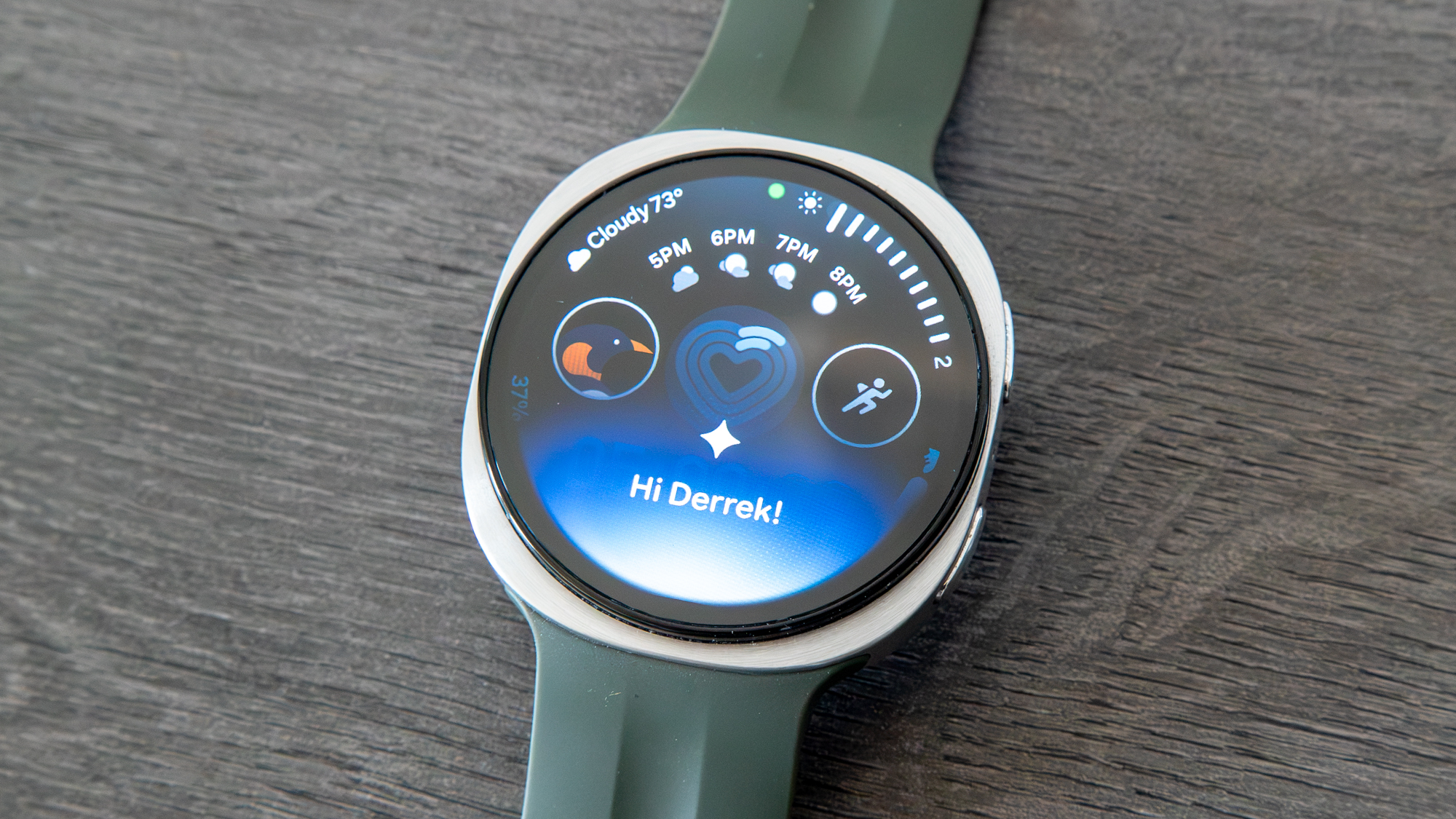
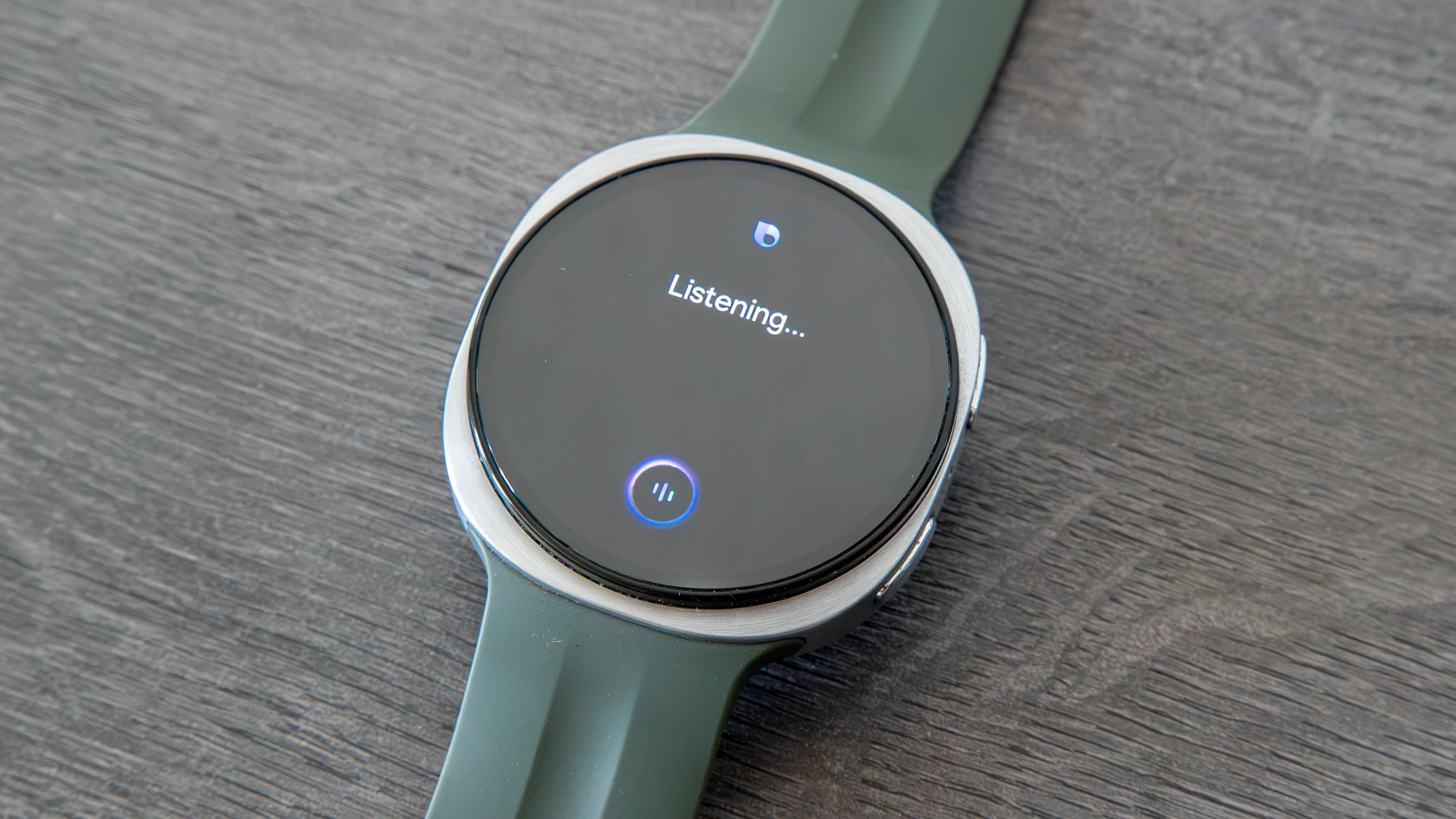
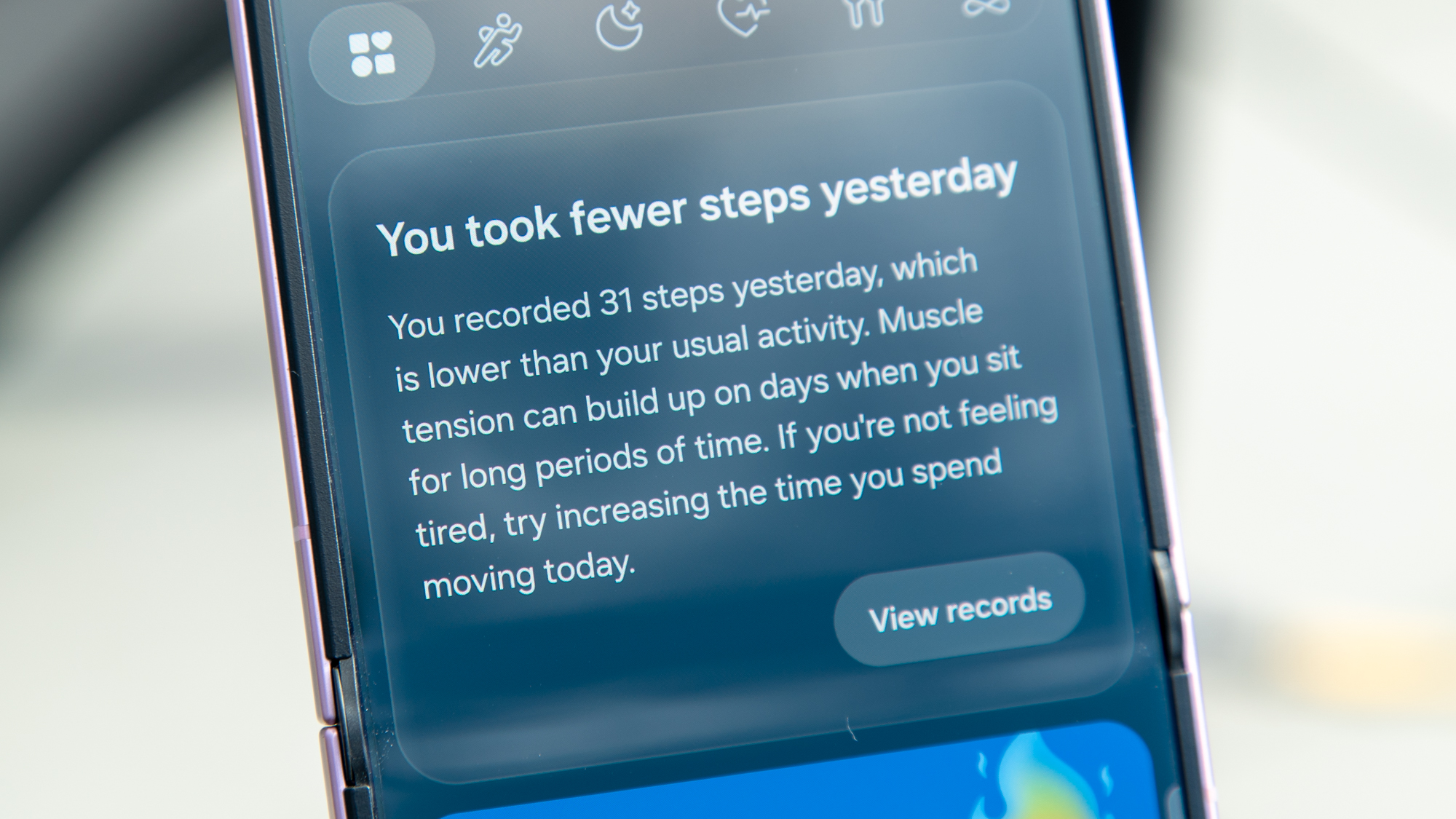
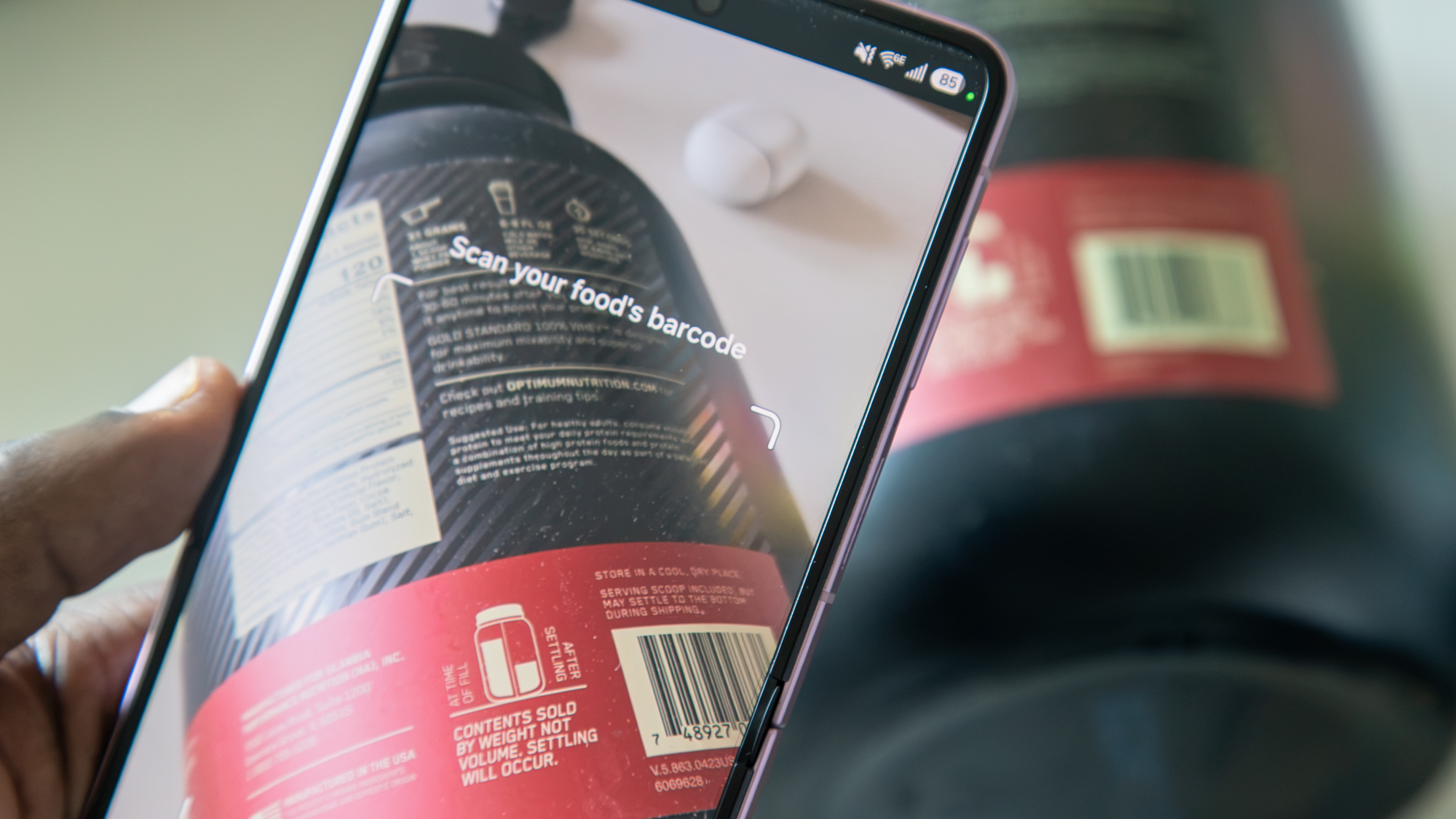
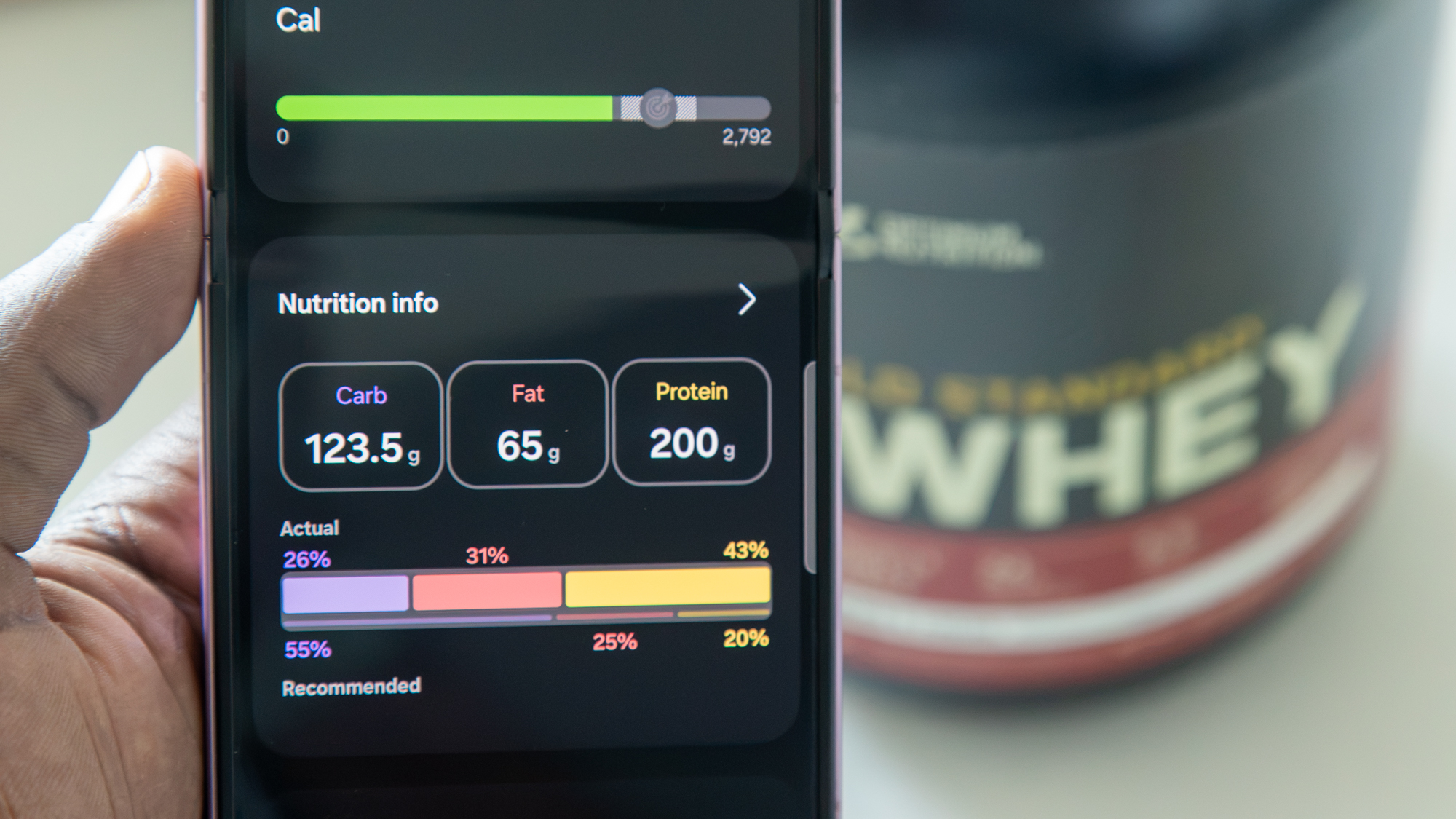
The Samsung Health app does provide occasional notices, including a large banner on the Home tab. But it feels like it's leading towards an AI health assistant that just isn't there (yet). That said, I can always ask Gemini or Bixby to show me certain metrics, such as my Sleep or Energy scores, in addition to their usual functions.
I also like the new layout of the Samsung Health Android app, and the ability to log food makes me want to stop using MyFitnessPal, especially with Antioxidant Index providing more metabolic context. The Watch is also great at workout tracking, automatically detecting exercises like Pilates and providing pretty accurate GPS data for runs.
The price of thinness
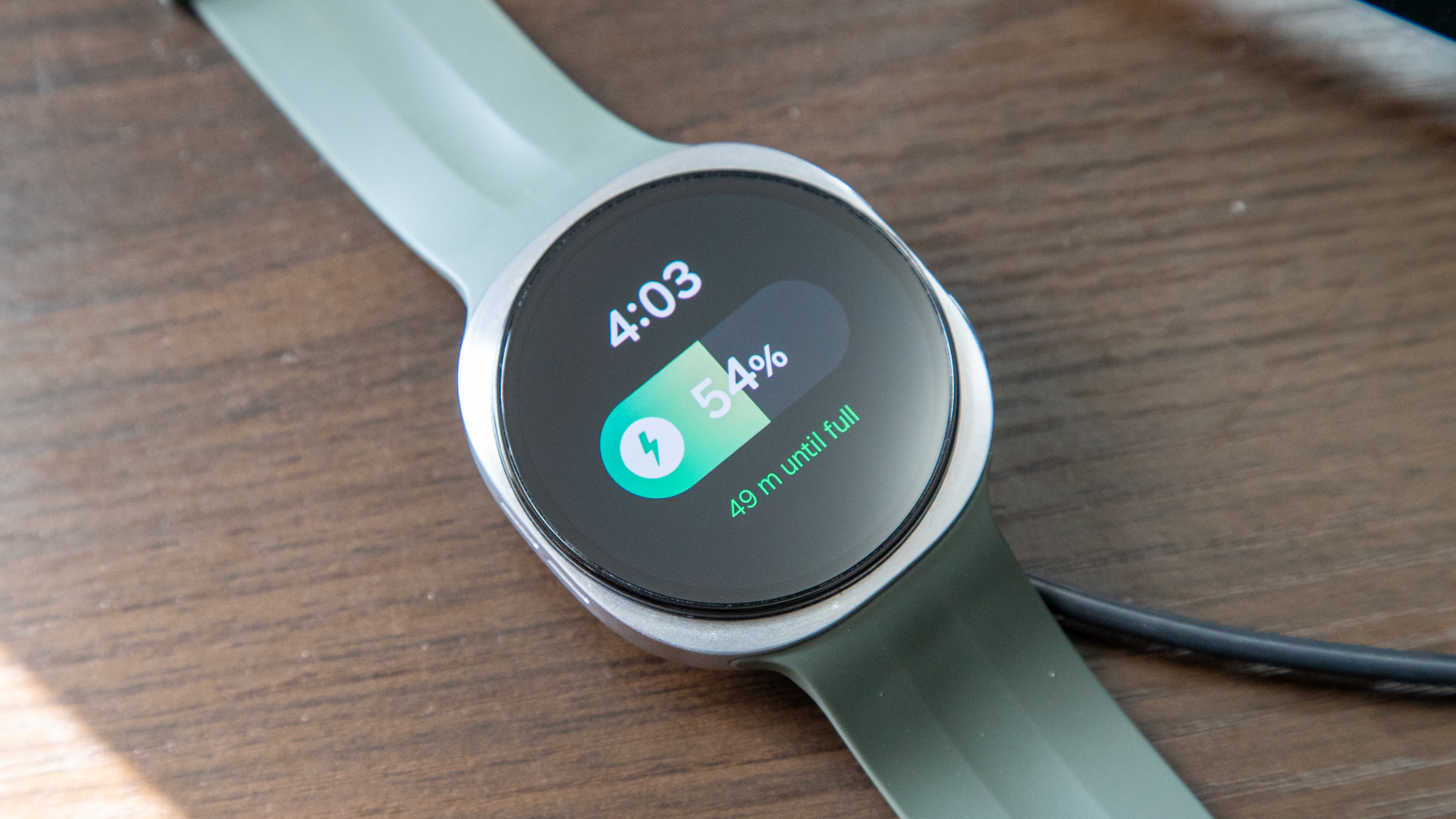
Unfortunately, the Galaxy Watch 9's thin profile has one major downside: battery life. Samsung squeezed a 445mAh battery into the larger 44mm model, but unfortunately, the watch doesn't last more than a day. In fact, during my testing, the Galaxy Watch 9 barely lasts through the day, and I often have to charge it before bed.
This is with the AOD turned off and Raise Wrist to Wake turned on, while using the watch sparingly throughout the day to check notifications, update apps, and occasionally chat with Gemini. I also monitor my sleep each night, track at least one workout per day, and let the watch automatically track activities like walking, running, and more.
I had been using the Pixel Watch 4 for so long that I forgot what it's like to have a smartwatch that can't last a full day (let alone two).
And to make matters worse, charging is incredibly slow. Going from empty to 100% takes well over an hour, to the point where I get tired of waiting for it to fully charge because, frankly, I have places to be.
You can likely get more battery life out of it by disabling certain features, but I feel like this sort of defeats the purpose of having a "smart" watch.
Should you buy the Galaxy Watch 9?
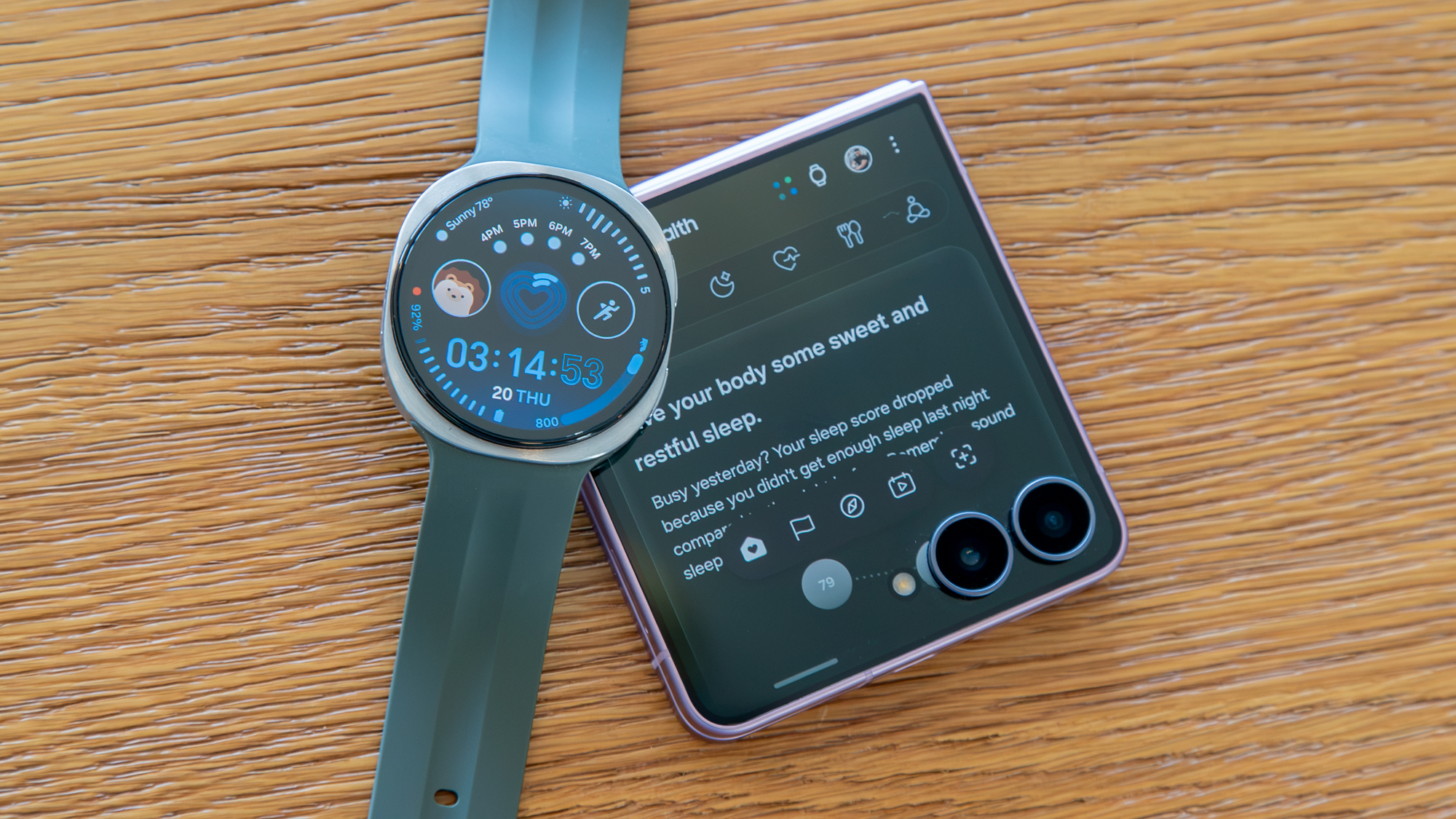
The Galaxy Watch 9 has a lot going for it, including great performance, a comfortable design, and a UI that's easier to navigate with gestures. It also has a bevy of health and fitness features that can feel a bit overwhelming, but ultimately are there to give you all the information you need to lead a healthier lifestyle.
That said, I wonder whether the watch could have benefited from a larger battery or a less "Elite" chipset to improve battery life, as the frequent charging kind of ruins the entire experience. I also think Samsung's health and fitness tracking needs the kind of AI overhaul we saw with Google Health to make all its information feel useful.
Still, the Galaxy Watch 9 isn't a bad smartwatch if you need something to track your sleep, runs, or workouts, so long as you remember to charge it frequently.
from Latest from Android Central https://ift.tt/kzyhH07
via IFTTT

Aucun commentaire:
Enregistrer un commentaire