
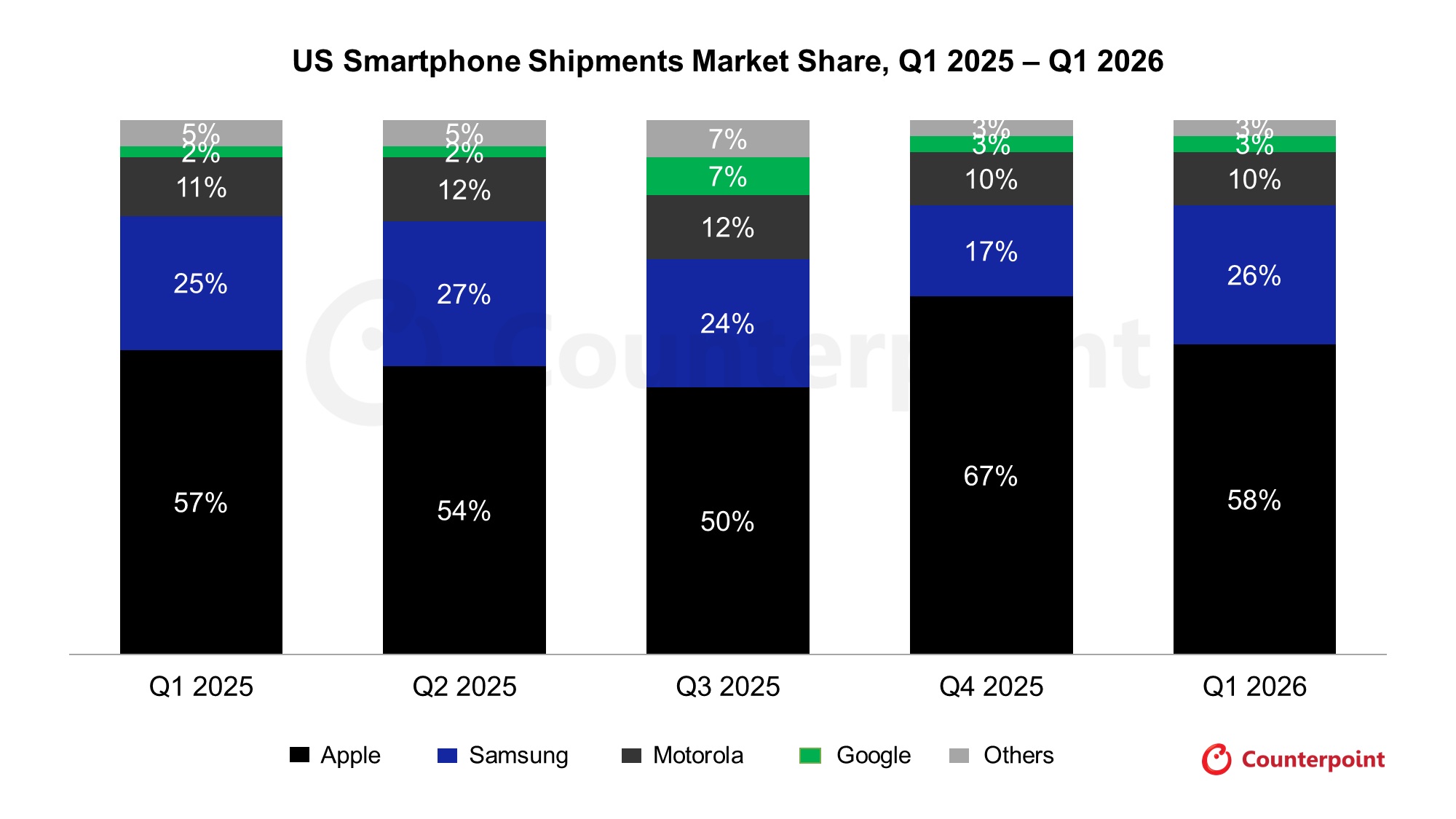
Samsung, Google, and Apple might be the biggest players in the North American market, but Motorola does pretty well for itself. In fact, Motorola has consistently had a larger market share than Google in the U.S. over the last five quarters.
And yet, when you head to a store or open an online shopping platform, Google Pixel cases, screen protectors, and accessories are much easier to find than Motorola accessories.
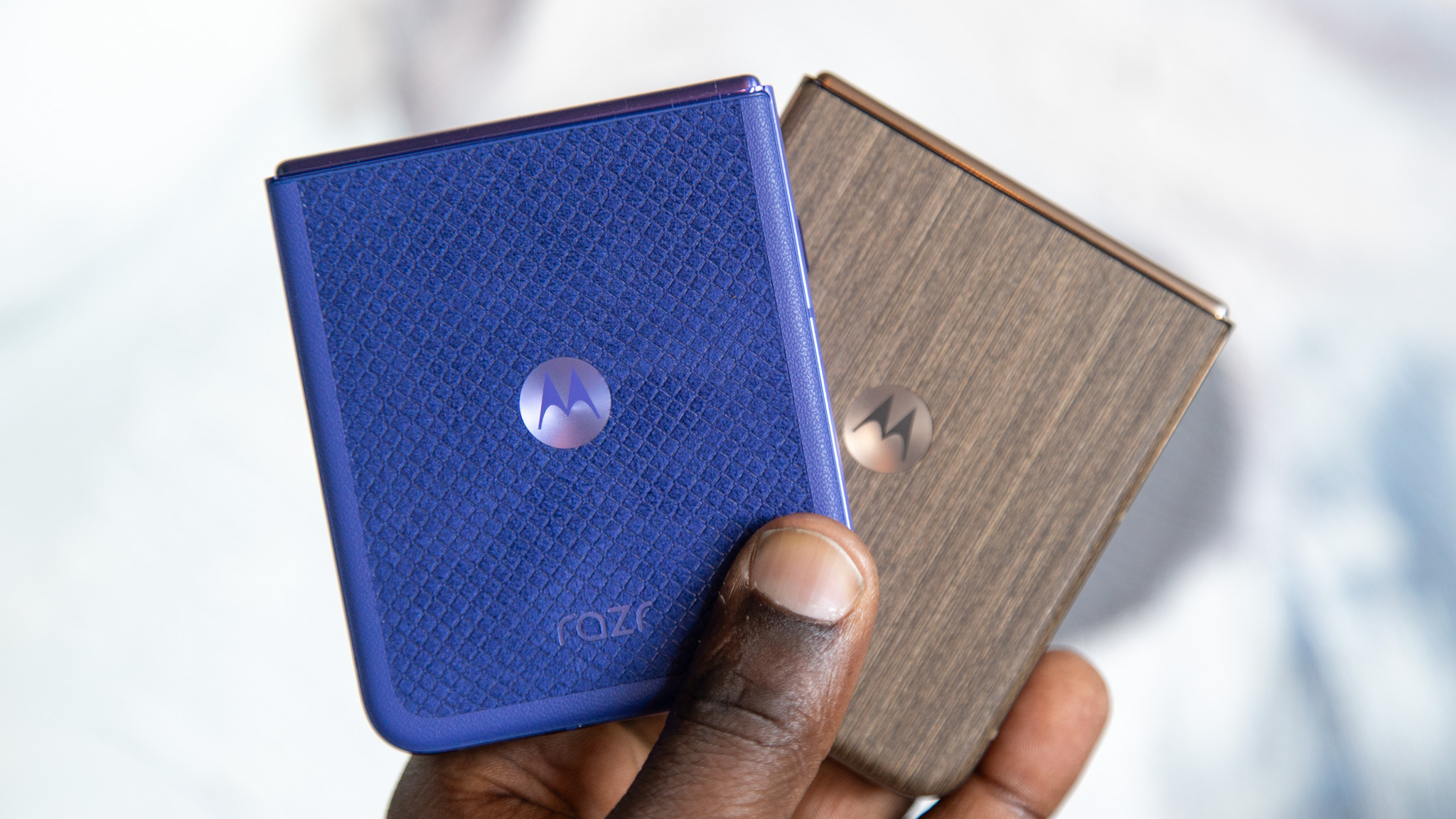
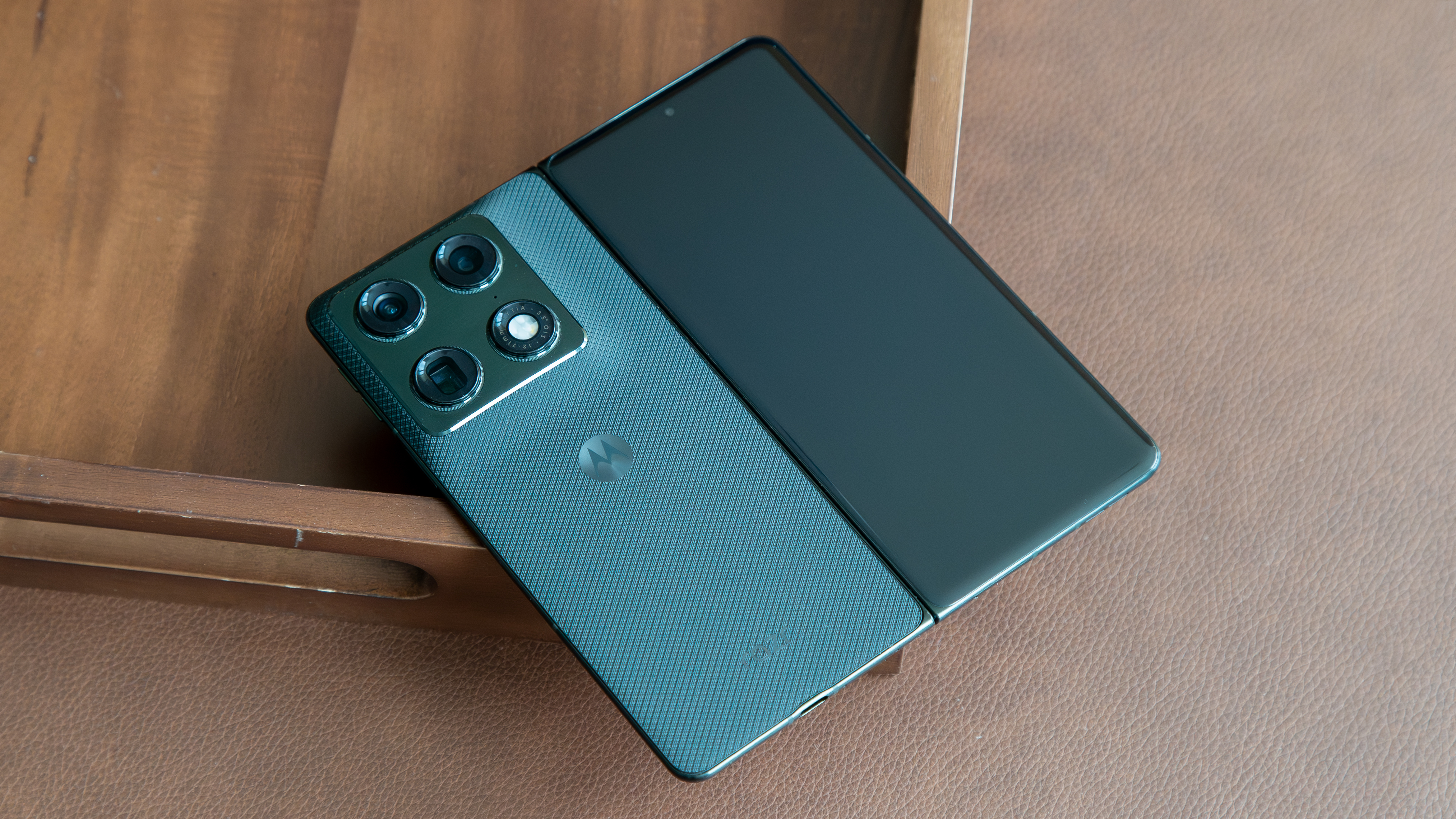
Mainstream brands like Spigen, OtterBox, and CASETiFY happily cater to Pixel phones, including the more niche ones like the Pixel 10 Pro Fold. But when it comes to Motorola flagships and foldables like the Razr Fold and Razr Ultra 2026, most of these name brands are MIA. It's a real head-scratcher.
I can't fault an accessory maker for skipping a phone brand because of profitability concerns. Companies exist to make money, and when they fear losses due to demand concerns, it's sensible to remain pragmatic.
What I can't make sense of is the apparent lack of confidence that these phone case and accessory brands seem to have in Motorola. Why are these companies still not catering to them, especially now that Motorola holds about 50% of the foldable smartphone market in the U.S.?
I reached out to dozens of the top, most popular case makers who regularly offer products for Samsung, Google, and Apple to get some answers. My question was simple: Why aren't name-brand case makers prioritizing Motorola's flagships and foldables?
Almost all of them replied, but Android Central has kept some of their names anonymous to protect the source's identity.
Demand is a major concern for most accessory makers
OtterBox was one of the few brands that went on the record, citing demand as the key reason. They weren't alone; at least five to six others echoed the same sentiment, including one of the most respectable case makers in the business.
"We evaluate our device case portfolio based on customer demand and overall device adoption. While OtterBox has supported Motorola devices in the past, our current focus is on delivering protection for the devices used most widely by our customers."
An up-and-coming high-end case maker also doubled down on demand holding them back, but mentioned that they might open up support for Motorola devices in the future:
"From a case maker's perspective, product coverage decisions are primarily driven by device demand, market scale, and the broader ecosystem adoption rather than any individual brand preference. For major launches, we typically prioritize devices that demonstrate the largest global user base and strongest accessory demand at scale, which currently tends to concentrate around a small number of flagship smartphone lines.
Motorola’s recent foldables and flagships have certainly generated interest within the industry, particularly around design and form factor innovation. However, compared to the leading platforms, the overall installed base and accessory demand for these devices is still relatively limited at this stage."
The brand went on to say that they might consider expanding their accessory range to support Motorola once there is "clear and sustained traction for specific models or form factors."
Adding support for new smartphones comes is a costly venture for accessory brands
Another affordable accessory brand that focuses more on chargers said it mainly comes down to resource prioritization. This brand offers cases and screen protectors, but charging tech for Apple and Samsung is their primary concern.
They stated that launching an entirely new phone case lineup "would require additional investment, such as product design, manufacturing, and human resources. Our company may not be able to fully support this at the present stage."
TORRAS, a brand that focuses on magnetic phone cases as much as it does on chargers and power banks, shared that focusing on a single foldable makes it easier to perfect their craft.
"TORRAS’ focus in the foldable category has been on building long-term engineering experience within the Samsung Fold ecosystem over multiple generations. Each generation brings different mechanical and structural challenges, which helps us continuously refine key areas such as hinge protection, ultra-thin structures, magnetic alignment, and overall durability performance.
By staying consistent within a single foldable architecture, TORRAS is able to deepen our R&D in a more systematic and iterative way, improving product reliability through continuous optimization over time."
One brand saw this lack of support as an opportunity and took a personal request from Android Central's Nicholas Sutrich to heart.
Texas-born case maker Thinborne had initially scrapped its plans to launch a Moto Razr Fold case, just weeks after announcing it. I was very disappointed, because there are very few premium-grade cases that match the thinness and lightness of something from Thinborne.
Sutrich reached out to Thinborne after hearing the news, concerned about the lack of decent cases for Motorola foldables. Thinborne admits that their entire $32,000 investment in making this happen could very well result in a loss.
"After hesitating twice, we decided to make it happen — not for profits, but to make sure there is still an option for people looking for a premium minimalist case for their Motorola Razr Fold."
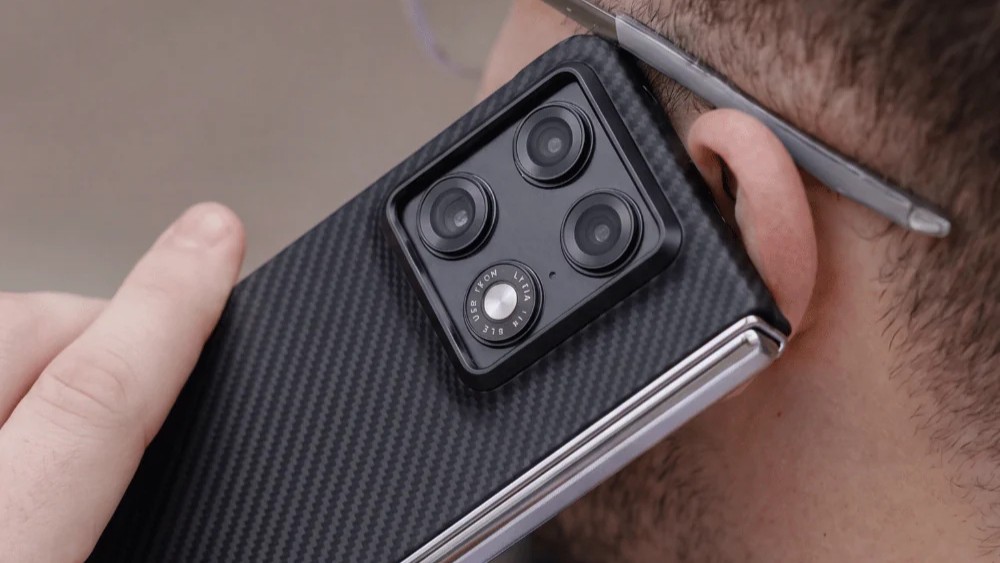
It is truly admirable that while bigger name brands shied away from the task, a small company like Thinborne stepped up. It created perhaps the best Motorola Razr Fold case we could ask for: a thin, lightweight aramid fiber case with MagSafe support, so you can take advantage of MagSafe accessories. Plus, it comes in different colors like Crimson and Navy, so you can give your Razr Fold a bit of life.
Motorola's own lack of enthusiasm is also a contributing factor
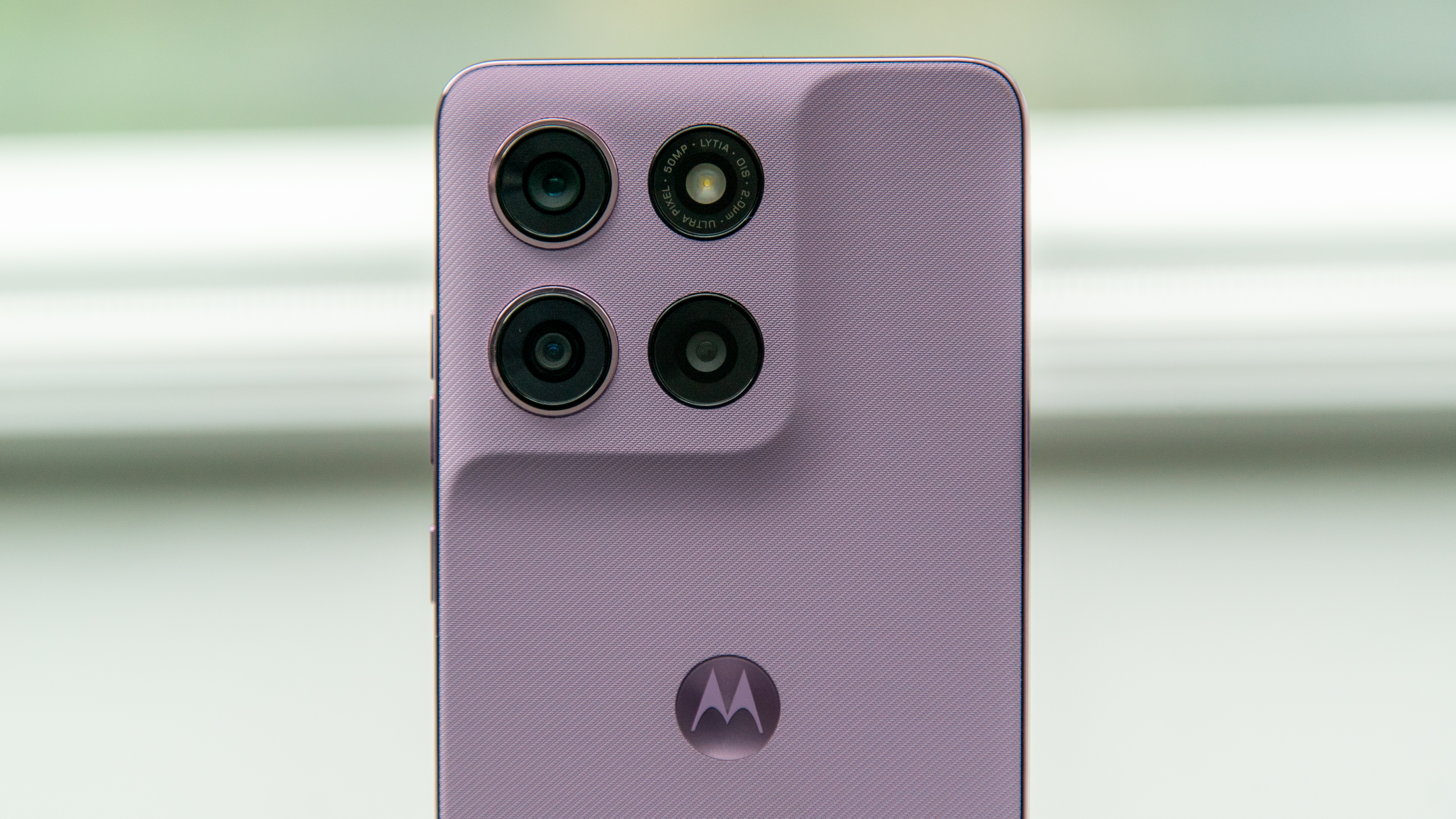
Dbrand shed more light on this topic, noting that, beyond demand, Motorola's lack of support for third-party retailers is another limiting factor.
"Motorola doesn't engage 3rd party consumer accessory manufacturers the way other OEMs do. Google has Made for Google. Microsoft has Designed for Xbox. Samsung has SMAPP. These structured programs give established brands the lead time to be ready at launch (not to mention, B2B opportunities that amplify attach to the hardware TAM). With Motorola, our starting gun for development is when consumer hardware hits shelves. By that point, we're already too late."
The brand went on to acknowledge that scale and numbers aren't everything. Far smaller, more niche brands like Minimal have approached Dbrand to make accessories for their devices happen. It's the effort that the smartphone maker put into collaborating with Dbrand that materialized into Dbrand skins for Minimal phones.
"Motorola's lack of engagement with the 3rd party ecosystem makes it structurally challenging to show up at the 'peak of interest' launch moment that matters."
Motorola could easily do the same, but seemingly chooses not to.
What does Motorola have to say about this?
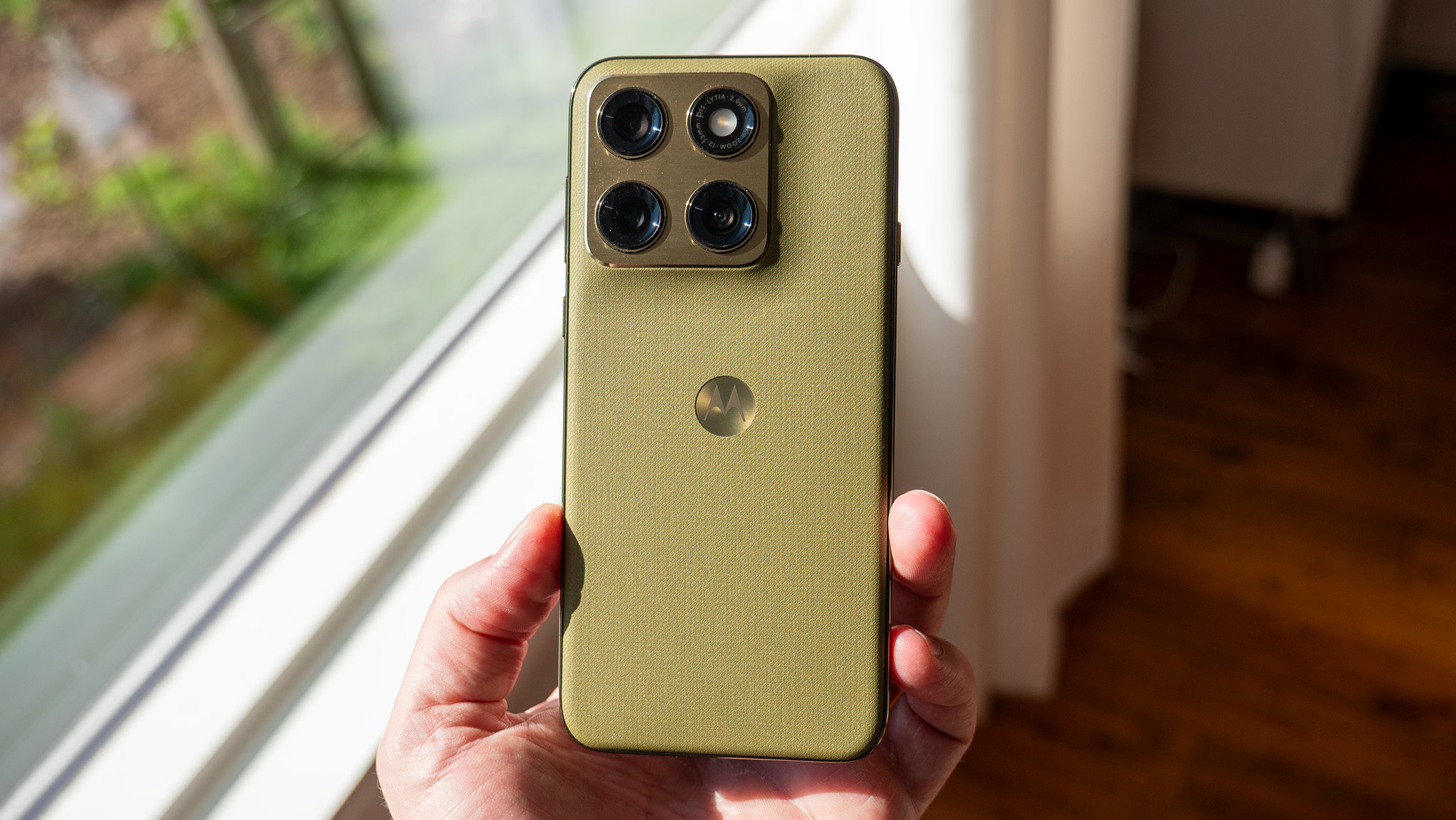
I went to Motorola to hear it straight from the horse's mouth and asked whether they were aware of how accessory brands felt about Motorola's devices, and whether they were planning to address these concerns about demand and collaborative efforts.
Motorola's response was very vague. They don't seem to recognize that they have an accessory problem. In fact, Motorola emphasized that they "actively [develop] a robust partnership program to expand the range of high-quality accessory options for [their] customers".
The rest of the response felt like standard boilerplate and did not even seem to address the concerns from top accessory brands:
"Today, we proudly collaborate with a number of partners to anchor our official licensed cases and accessories initiative. Through this established program, we co-develop and validate products with trusted third-party accessory makers. This collaborative approach ensures that every product adheres to Motorola’s strict standards for quality, safety, and seamless customer experience. We are continuously expanding this ecosystem and welcome deeper strategic partnerships with leading accessory brands to deliver the premium experience our customers expect."
It's a perception problem
At the end of the day, I learned that most brands still perceive Motorola as having low demand, even when the numbers suggest otherwise. Meanwhile, Motorola is wearing rose-colored glasses or has seemingly convinced itself that it is doing a fine job of it and that there is no accessory support problem.
This can be fixed, however. Perhaps if Motorola were to extend an olive branch, it might move things along. If they want third-party accessory support to improve, they will have to put in the effort and make it easier for accessory and case makers to cater to their devices.
Based on everything I have heard, I hope Motorola will follow through. It could also improve smartphone sales, as accessory support is a major concern for consumers when buying phones. Perhaps if official "Made for Moto" accessories were to appear in the wild, a lot more people would be interested in buying Motorola phones, especially if they came from top-tier brands like Dbrand, Spigen, and CASETiFY.
from Latest from Android Central https://ift.tt/A3kKJTR
via IFTTT

Aucun commentaire:
Enregistrer un commentaire