
Rumor has it that Apple will announce the iPhone Ultra at its upcoming September 9 event, making it the first iPhone to sport an "ultra" moniker. We're not expecting it to push the boundaries of battery technology or camera prowess, but it is slated to do one big thing that no other iPhone has (intentionally) done: fold in half.
This is going to drive a huge boost in sales for foldable phones, a category that has consistently grown since the first models arrived in 2019, but hasn't seen a particularly massive tentpole release like this one yet. Of course, as with anything Apple makes, you'll only get what Apple gives you, and rumor has it that Apple is announcing only one size and shape this time around.
But Android foldables, which have been around for eight years now, have had time to develop and branch out. Android offers a substantial choice of manufacturers, shapes, sizes, and capabilities that Apple simply can't offer. If foldable phones are looking like your next big purchase, here are many reasons you should choose an Android-powered one.
What is a folding phone and how do they work?
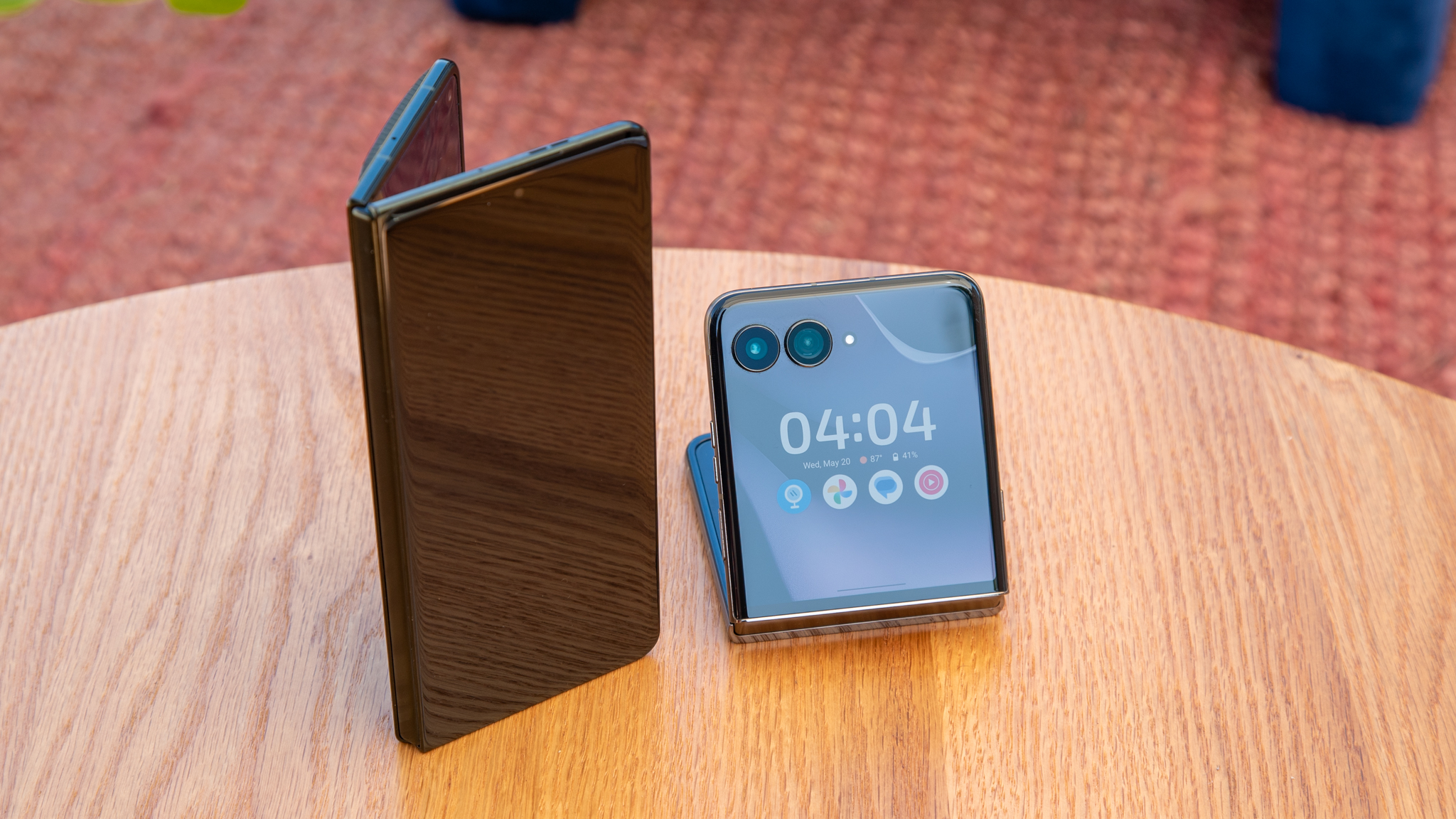
Folding phones usually come with two displays: an inner display and an outer display. The inner display is made of special ultrathin glass that can bend (unlike normal glass) and is reinforced with a preinstalled screen protector. The phone's frame is split into two halves connected by a specialized hinge, allowing you to open and close the phone.
The foldable inner display is a special type of flexible OLED panel that's built to bend, too. A specialized hinge holds everything together, keeping dust and water out of the phone. It's a true marvel of engineering, and some foldables are even extremely durable, as proven by my Honor Magic V6 torture test.
Both the inner and outer displays work the same way a regular smartphone touchscreen does. You can open apps on either of them, allowing you to choose the size of the "canvas" you want to view them on.
What types of folding phones exist (and why would someone want one)?
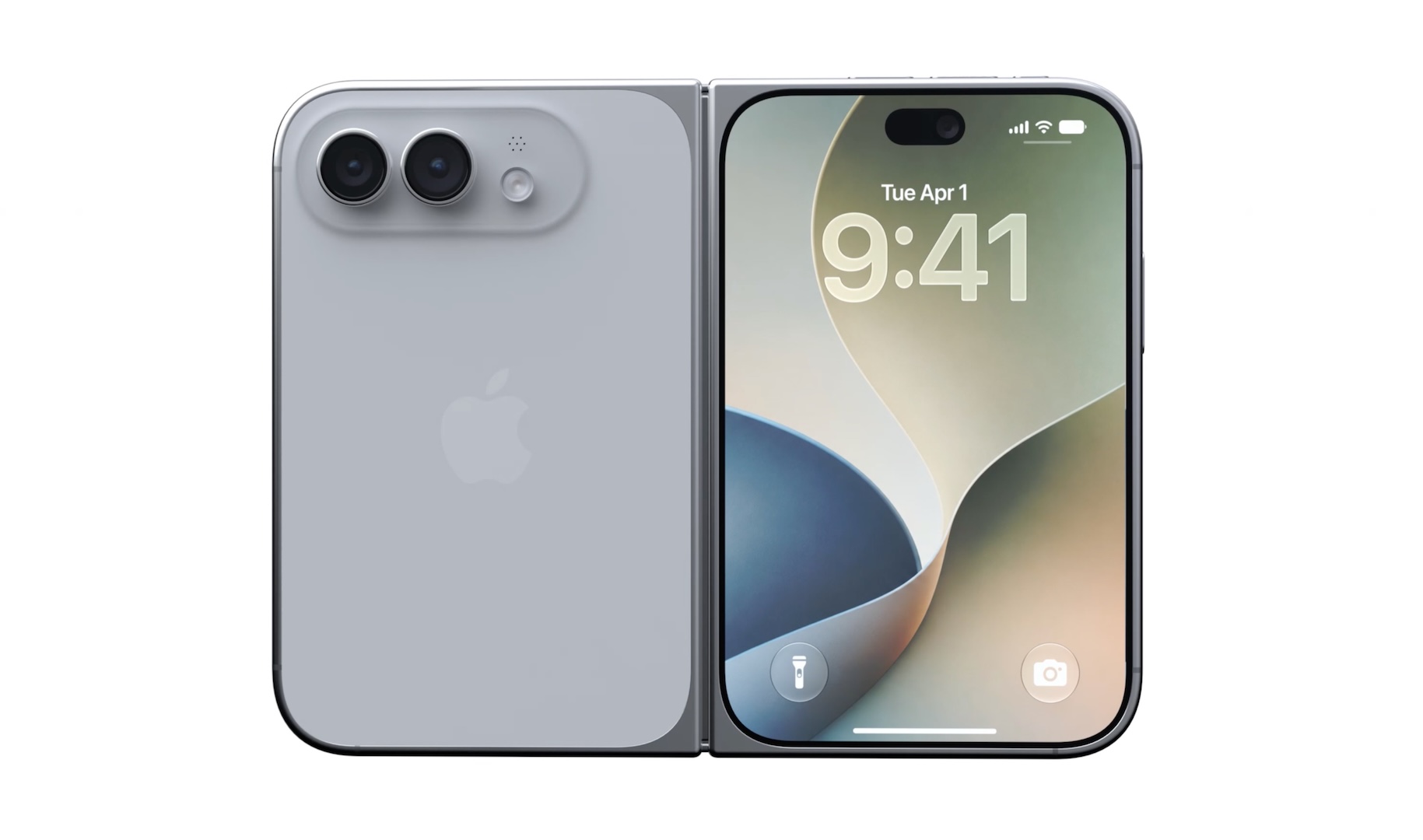
The leaked image of the iPhone Ultra above shows what's known as a book-style foldable. When a book-style phone is closed, its size and shape are similar to those of a standard smartphone, so all your favorite apps look and feel nearly identical to those on your existing smartphone.
Opening a book-style phone doubles its size, turning it into a small tablet that lets you get more done without switching to a laptop or other computer. I work on the go quite a bit, and a folding phone makes it easy to get most of my work done efficiently. I rarely watch videos on my phone, but when I do, the extra-large inner display is a real treat.
Because of the large size, multitasking is one of the best features of a book-style foldable. You can run two or three apps side by side on these phones, and even put apps in floating windows, like on a laptop OS. Plus, the taskbar on the inner display makes it feel even more like a multitasking beast, similar to a laptop OS (like Windows or macOS).
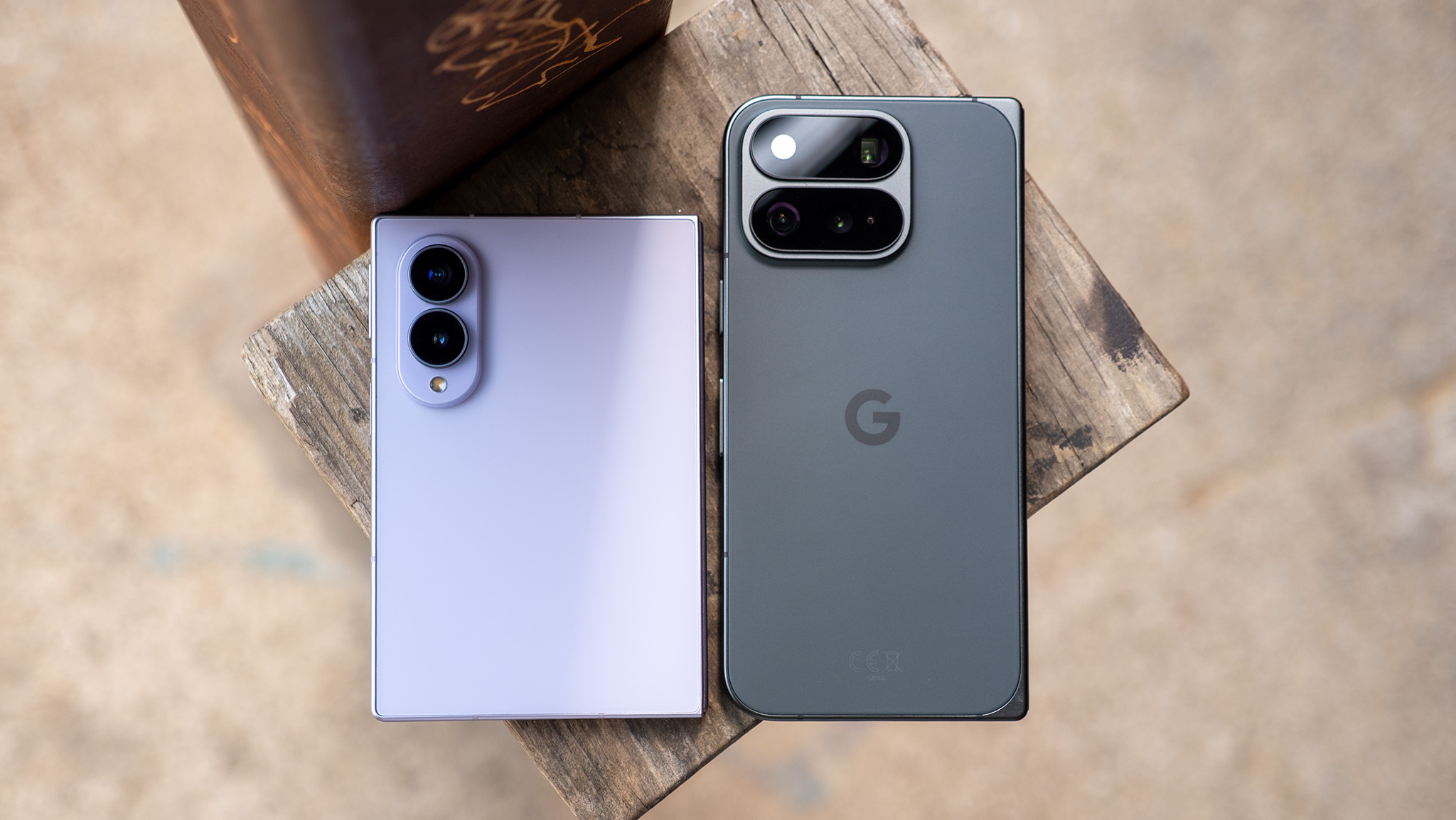
Book-style foldables come in many sizes and shapes, though most are slightly taller and narrower than your average smartphone when closed. Google began its foldable journey with a shorter, wider model, but made the next three entries a bit taller.
Meanwhile, Samsung just introduced its first shorter, wider model (the Galaxy Z Fold 8), and Apple's iPhone Ultra is rumored to use this same size and shape. Shorter, wider models are best for video content and feel a lot like holding a small TV when unfolded.
Apple's iPhone Ultra is said to come in just one shape and size, while Android foldables offer tons of different sizes, shapes, and form factors. You can even get tri-fold foldables!
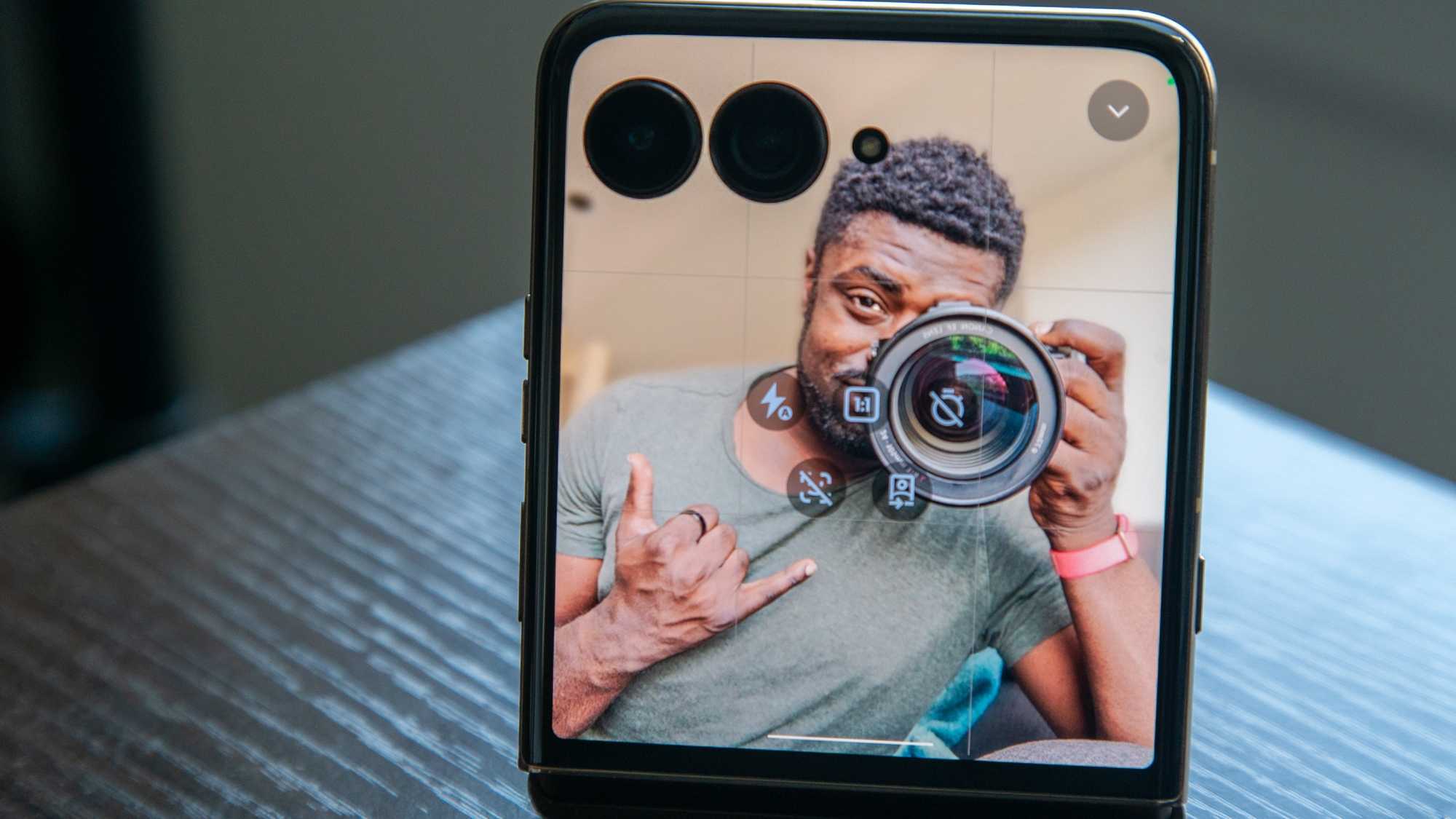
While book-style foldables get the bulk of the attention, flip-style foldables were better sellers for a few years. Phones like the Motorola Razr 2026 series look like a slightly taller normal smartphone when opened, then fold into a perfectly pocketable half-sized phone when closed.
These phones solve the issue of overly large phones while still giving you the flexibility to use a small screen for things like notifications and messaging, then a larger screen when you need it. We generally recommend Motorola's Razr flip phones over Samsung's Z Flip line because Motorola's outer screen is more capable, and the company's designs are far more interesting.
Flip phones are also wonderful for photos and videos thanks to their shape. It's easy to bend a flip phone at a 90-degree angle and use it as a "tripod" to take group photos. You can also use this same shape and hold it sideways to take video like a classic camcorder.
Do folding phones have any downsides?
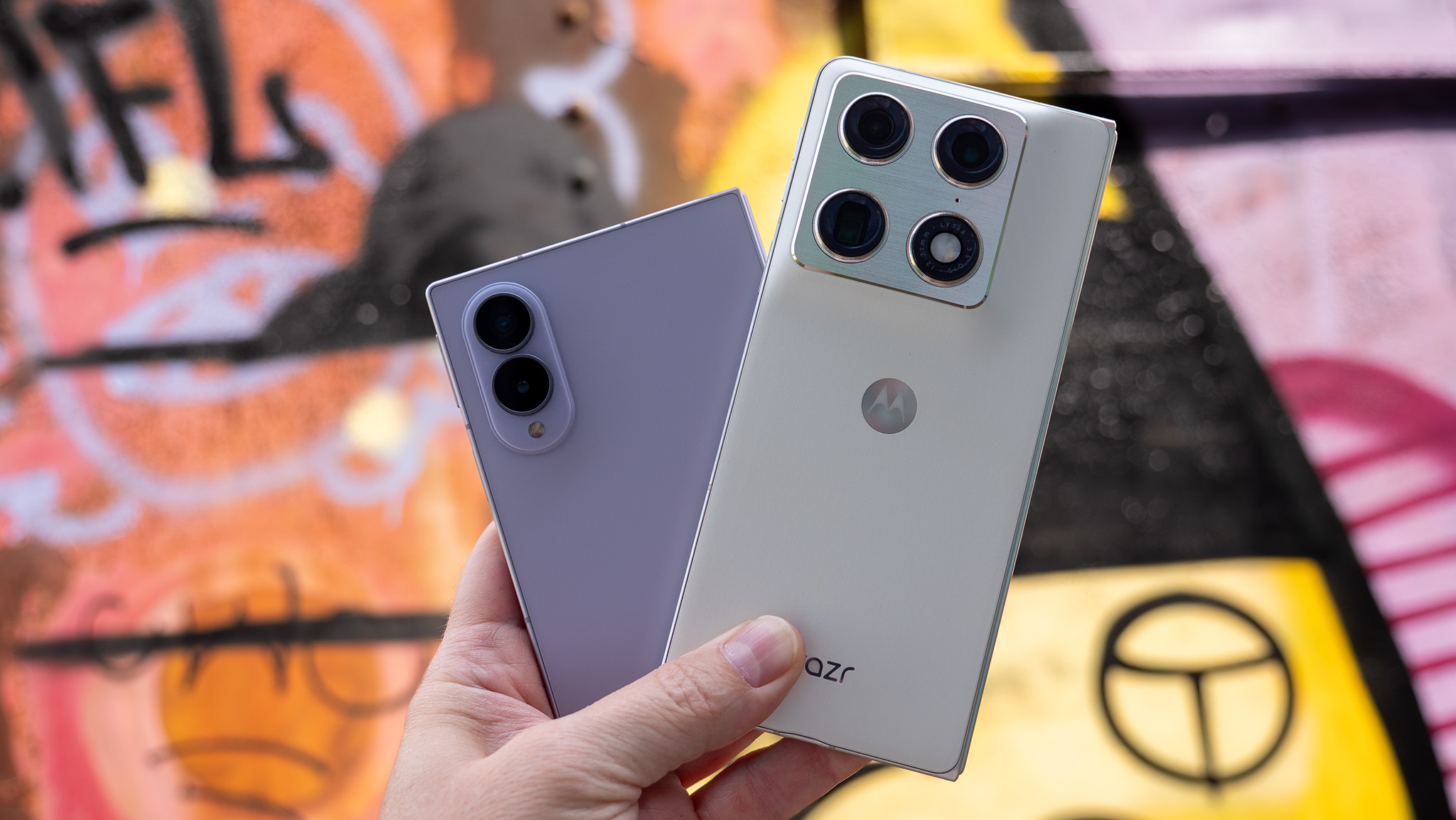
Folding phones offer unique form factors and ways to interact with your favorite apps, but not everything is a win-win. When shopping for a book-style folding phone, the first thing you'll probably notice is the price. Yeah, there's quite a bit of sticker shock here, and that's mainly because this is a two-in-one device. Think of it as buying a phone and a tablet at the same time, and you'll understand.
Flip-style phones are typically priced the same as traditional flagship phones but tend to have one fewer rear camera. Even Motorola's Razr Ultra line doesn't have a third camera on the back, despite the higher price.
Both flip and book-style foldables are often a bit less powerful than top-tier traditional flagship smartphones. The problem is that there's not as much space in these phones for cooling, since they have to be thinner than a traditional phone to avoid feeling like a brick when closed.
Lastly, durability. Folding phones got a bad rap pretty early on when the original Galaxy Z Fold's inner display would spontaneously break, but those problems have generally been solved. There's always a chance the folding glass could break, but these phones have undergone so many years of evolution and hardening that such a failure is almost unheard of.
Stores like uBreakiFix readily have parts to repair them, and phone companies offer warranties and other insurance programs that help cover any potential issues. As someone who has reviewed dozens and dozens of folding phones over the past seven years, I've never seen a phone break in person.
My wife has also been using flip phones for the past four years, and the only time one of hers broke was after being dropped with the phone unfolded. Considering how many traditional smartphones break every day from drops, there's no reason to suggest that these phones are any less durable with regular use.
from Latest from Android Central https://ift.tt/5XUkJvi
via IFTTT

Aucun commentaire:
Enregistrer un commentaire