LightBlog

lundi 2 novembre 2026

Samsung's 'Intelligent Eyewear' is now rumored to launch near Christmas

What you need to know

  • New rumors suggest Samsung could launch Intelligent Eyewear, its Android XR glasses, in December.
  • The latest murmurings add that the company could also launch them in South Korea and the U.S., while also evaluating consumers' reception.
  • Previous rumors said Intelligent Eyewear would debut in November.

There's been talk about Samsung's Android XR glasses for months now. Recently, a report claims to have discovered (once again) when they might launch.

A post by ChosunBiz (Korean) claims that Samsung's Intelligent Eyewear could launch in two major markets closer to Christmas 2026 (via 9to5Google). According to its sources, Samsung has allegedly "confirmed" that its Intelligent Eyewear will debut in "mid-December" in South Korea and the U.S. Samsung will reportedly view both of these regions critically before bringing the product to more places.

The company will supposedly "monitor initial demand and user reactions" in South Korea and the U.S. once the glasses launch. The publication touches on another missing aspect: pricing. We've been going round and round about its purported price; however, these rumors state nothing's set in stone.

Samsung is reportedly still considering the final price point for Intelligent Eyewear ahead of its launch next month (if this is to be believed).

So, we're still a month away...?
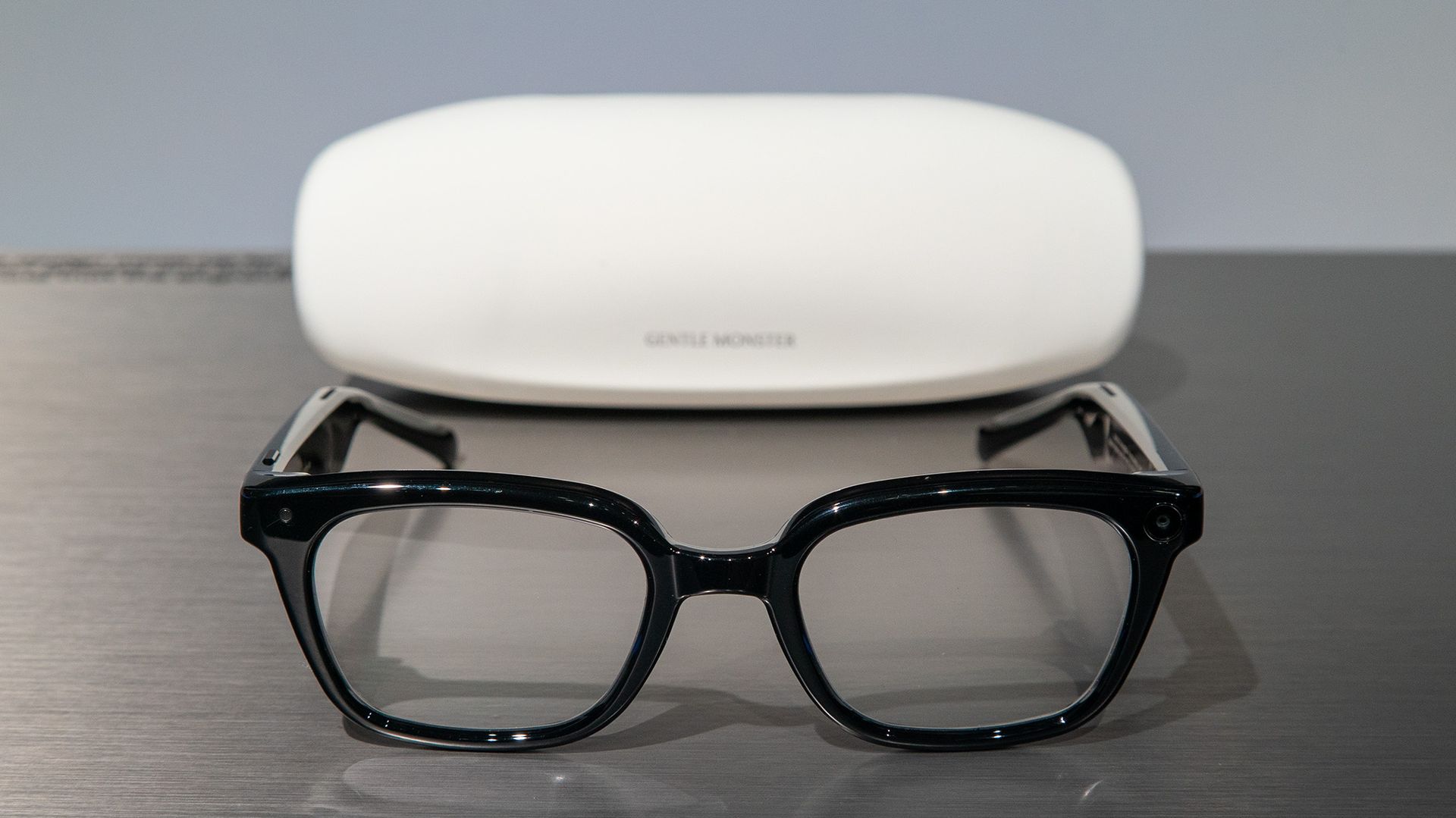
Hands-on with Samsung Glasses with Warby Parker and Gentle Monster styles

(Image credit: Derrek Lee / Android Central)

There are a few things to talk about, but first things first: the old expected launch window. At the top of October, rumors suggested Samsung was interested in launching Intelligent Eyewear in November. It was exciting at the time, despite this only being a rumor. However, the latest round has scrubbed that out in favor of a December launch. With so much back and forth, it'll be wise to take this with a grain of salt.

Regarding the supposed price, rumors suggest Samsung could price Intelligent Eyewear "reasonably." These aren't our words. In July, Samsung said Intelligent Eyewear could see a "reasonable" premium price; however, it'll likely sit above Meta's $300 Ray-Bans. The glasses are positioned as an extension of your Galaxy phone, not a replacement.

Users can control the glasses through gestures on any compatible Galaxy Watch, alongside photo capture. On the other hand, we have Intelligent Eyewear's official reveal, showing off its Warby Parker and Gentle Monster designs and more.


from Latest from Android Central https://ift.tt/iG806gs
via IFTTT

Google's Wear OS 'status bar' experiment brings a little more Android flair to watches

What you need to know

  • Google is running an experiment with developers to bring a status bar to a future major Wear OS update.
  • This status bar for watches will mirror its capabilities on Android, meaning users will find status icons for connectivity, their location, and more.
  • Google recently introduced standalone earthquake alerts to Wear OS, removing the necessity for users to always have their phone paired.

Google is developing a smartwatch feature that looks awfully familiar to Android users.

On its Developers Blog, the company posted details about its next major Wear OS update: Wear OS 8 (via 9to5Google). To preface, Google says it wants to solve an issue with Wear OS that it didn't with OS 7. The post explains that Wear OS 7 "did not render a system status bar over application windows." Essentially, apps consumed your entire watch face.

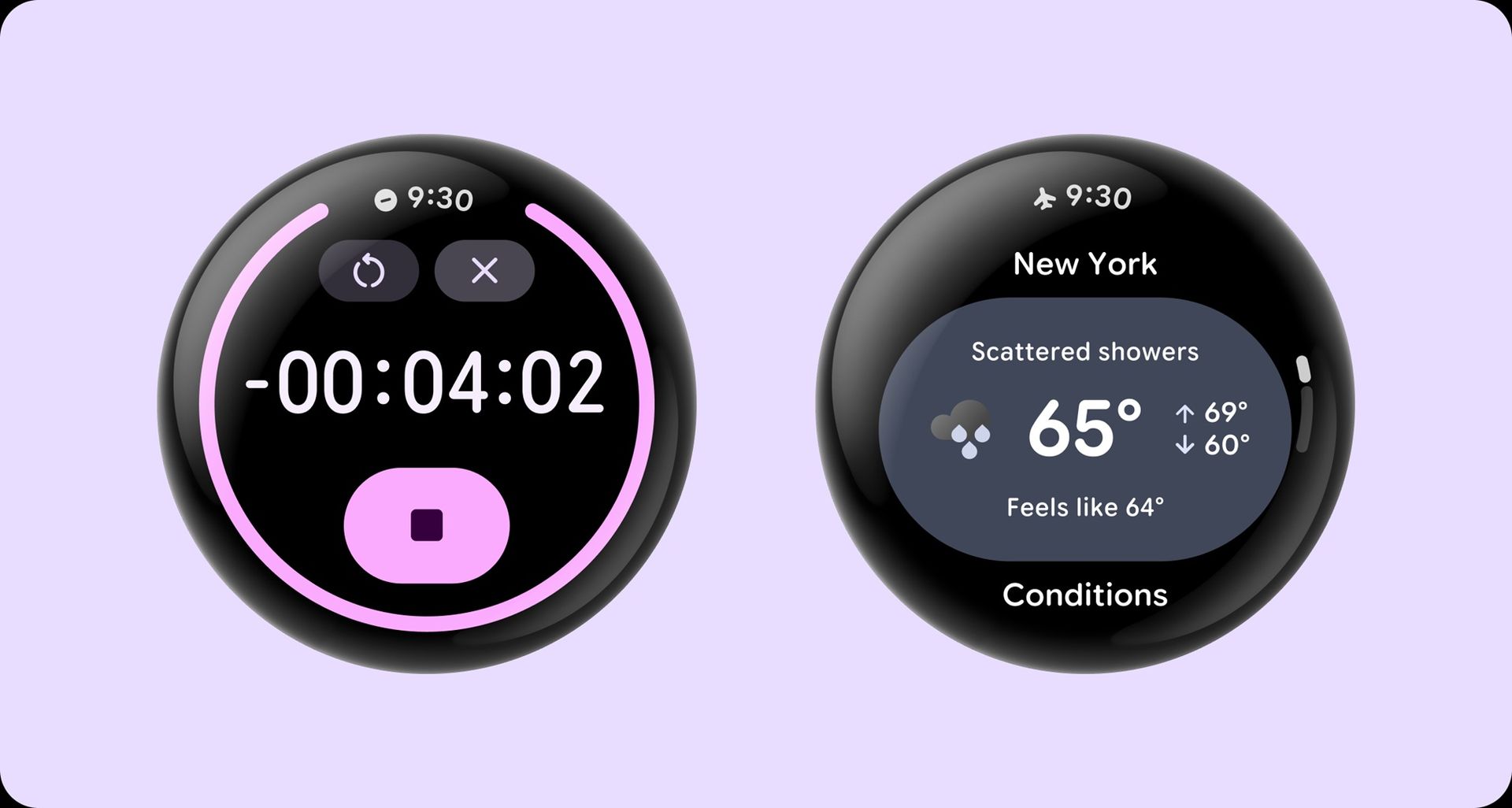
However, with Wear OS 8, Google says it's testing a "status bar" at the 12 o'clock position on smartwatches. In this test, the test notes say Wear OS will "render a status bar over application windows at the 12 o'clock position to display the time and status indicators." While this is a change developers must prepare for, Google states this status bar change will facilitate "visual consistency" across the software.

Since this status bar will be present no matter what app you open, it says users can enjoy "a uniform clock typography" and more. What's more, similar to Android, a status bar on Wear OS will display key details, such as status icons (think location or connectivity status).

Google's early preview in the Wear OS 7.1 Beta Preview Emulator will also highlight the status bar's "transition coordination." In layman's terms, if you're scrolling on your watch, the status bar will disappear for a couple of seconds before returning once you're done. Developers are getting started with this via the Android Studio Preview (Android Canary).

Wear OS continues to evolve

Google previews a status bar for Wear OS, which will show status icons for connectivity and more.

(Image credit: Google)

While we're in the realm of Wear OS, Google expanded earthquake alert capabilities for the software earlier this year. Now, all users need is their Wear OS watch, and they'll receive important alerts about potential earthquakes. However, the most important announcement we were waiting on was Wear OS 7, which rolled out in June. Better battery life is always welcome in Wear OS; however, Google started turning watches into a command center for everything you'd need.

Increased device integration was a major highlight. Users can control media playback across a range of devices now, and transfer audio, too. Gemini Intelligence was discussed for "select" Wear OS 7 models this year. Google was preparing to introduce "Create My Widget," which allows users to generate personalized dashboards for their watches.


from Latest from Android Central https://ift.tt/3NlH75S
via IFTTT

The Motorola Signature 27's screen is five times brighter than the Galaxy S26 Ultra's

Motorola is not holding back with its next flagship. The upcoming Motorola Signature 27 is shaping up to be a real contender with a Tandem OLED display offering a claimed 12,000 nits of peak brightness, alongside a 200MP periscope camera and Qualcomm’s latest flagship processor.

Motorola has started to spill enough details to make Galaxy and Pixel owners sit up and take notice as the phone's launch date draws nearer. The company recently partnered with YouTuber Danny Winget for an early hands-on preview, and we got a closer look at the phone’s design and specifications. The biggest talking point is a 6.8-inch Extreme AMOLED Duo display with a 120Hz refresh rate and jaw-dropping 12,000-nit peak brightness.

For context, that’s significantly more than the Galaxy S26 Ultra’s 2,600-nit peak brightness and the Pixel 11 Pro XL’s 3,600 nits. The panel is based on Tandem OLED technology, which stacks two layers of organic LEDs to enhance brightness, contrast, and power efficiency. That said, peak brightness numbers aren't necessarily what you'll see in regular use.

A camera system with serious ambitions

Under the display, the Signature 27 is equipped with a quad-camera setup led by a 50MP Sony LYT-910 sensor with LOFIC technology, as well as a 200MP periscope telephoto camera with up to 100x zoom and a 50MP ultrawide shooter. You also get a dedicated Action sensor designed to capture fast-moving subjects with more clarity.

Inside is the Qualcomm Snapdragon 8 Elite Extreme Gen 6 chip paired with 16GB of LPDDR5X RAM and UFS 4.1 storage. Motorola has also bumped up the vapor chamber by 40% to better deal with heat during demanding workloads.

The phone ships with Android 17, and it will get software updates for seven years. The dual speakers are tuned by Bang & Olufsen, and the two finishes are Capulet Olive and Coal Smoke.

The price could be its biggest obstacle

Motorola has not yet announced the battery capacity, charging speeds, storage options, or official pricing. But recent retailer leaks suggest that the 512GB model could be priced at $1,800.

The Motorola Signature 27 is set to release on November 5. That leaves the remaining question of whether its impressive specs will come with a sensible price tag.


from Latest from Android Central https://ift.tt/xKIbV6w
via IFTTT