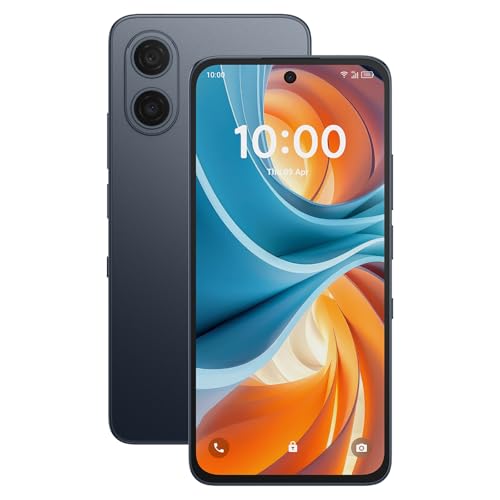
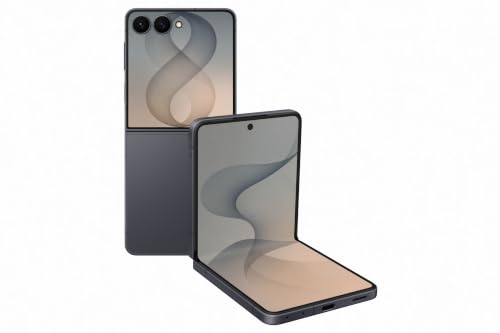
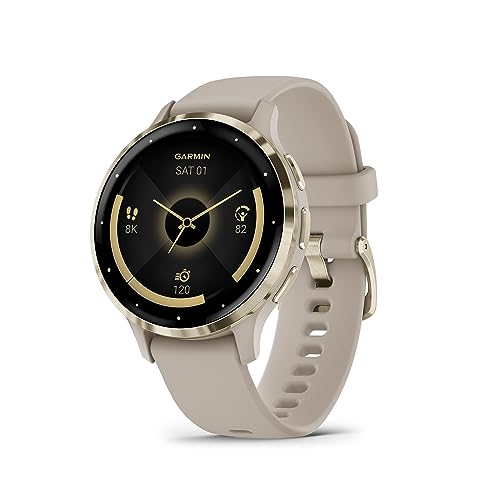
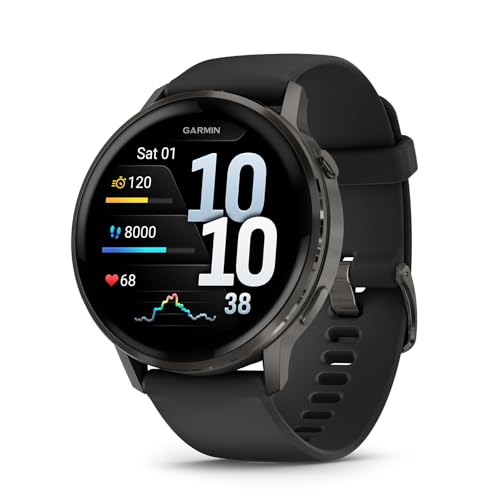
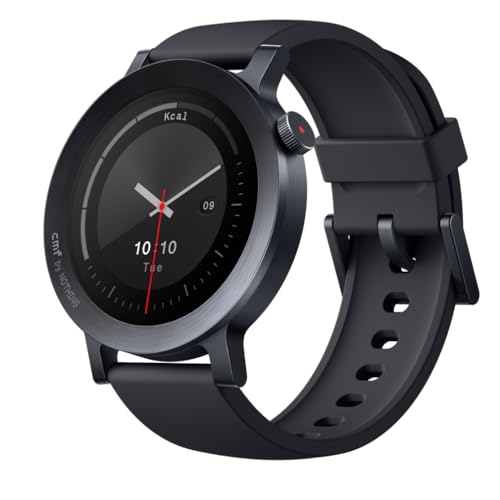
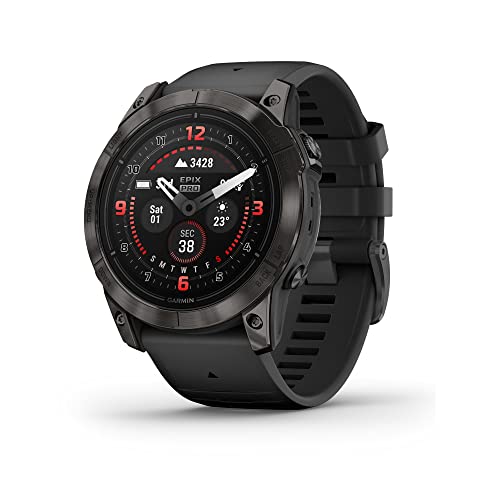
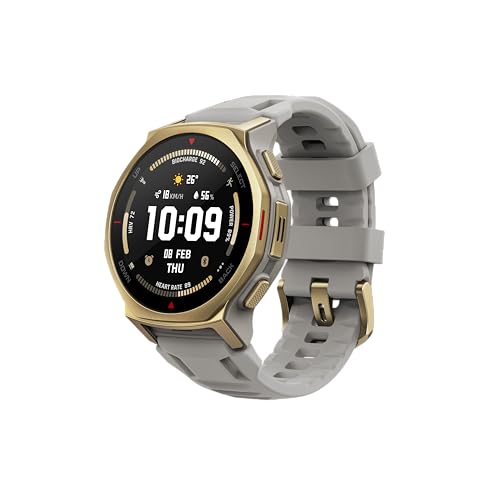
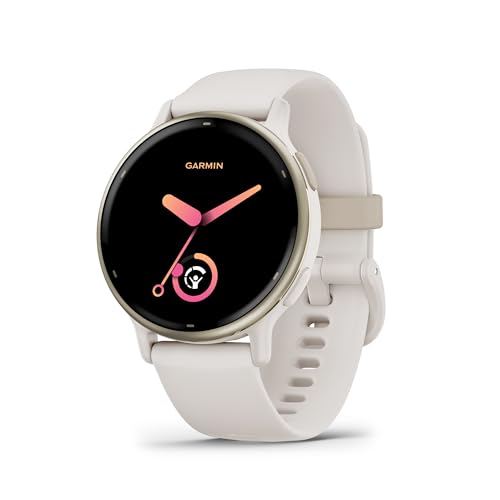
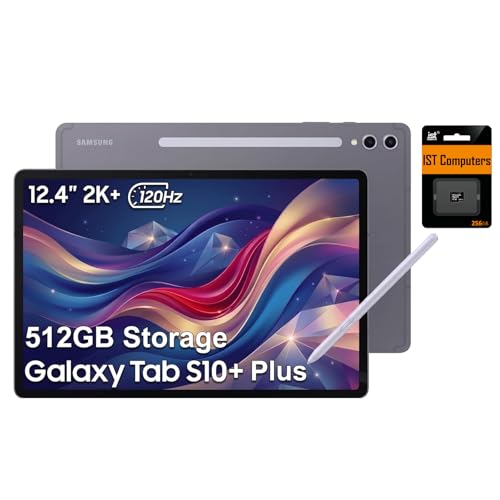
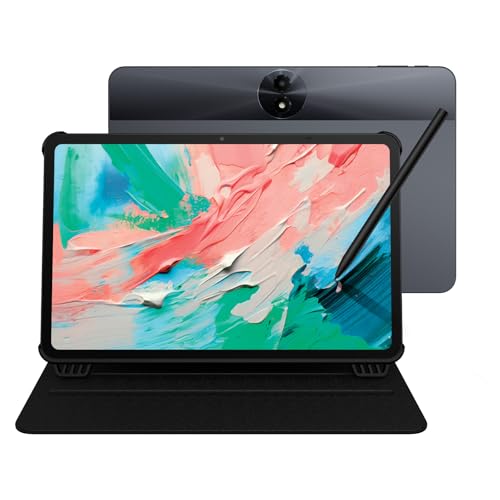
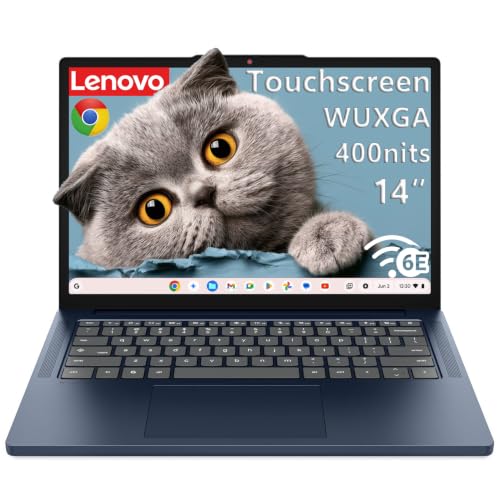
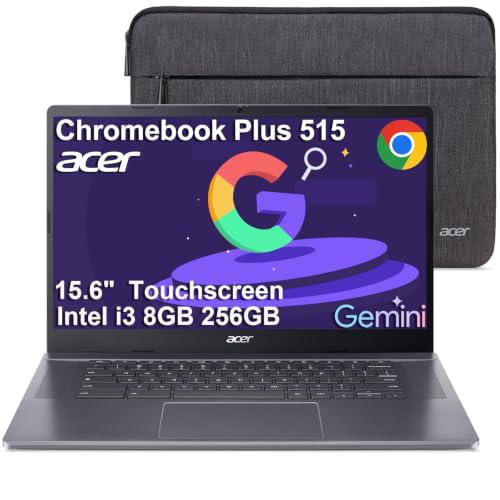
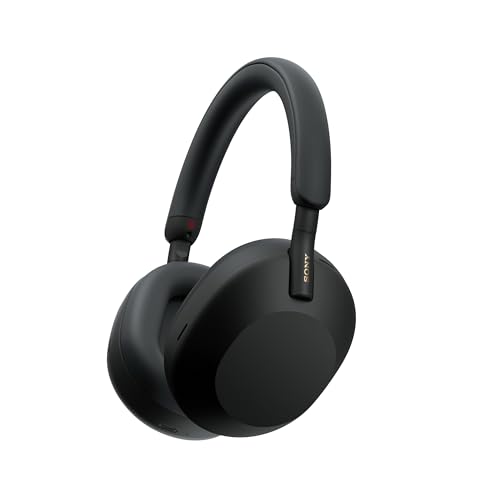
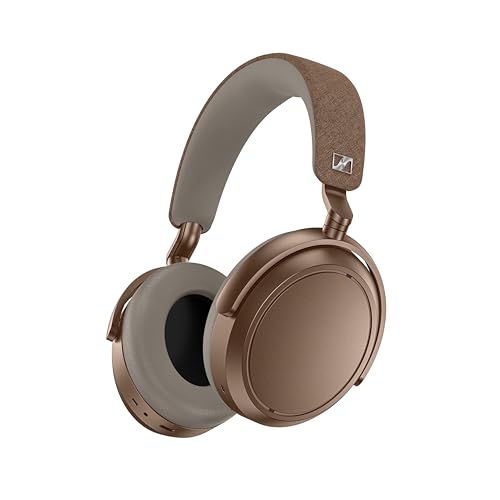
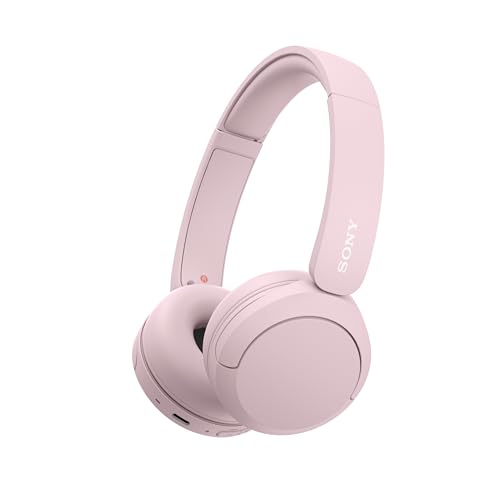
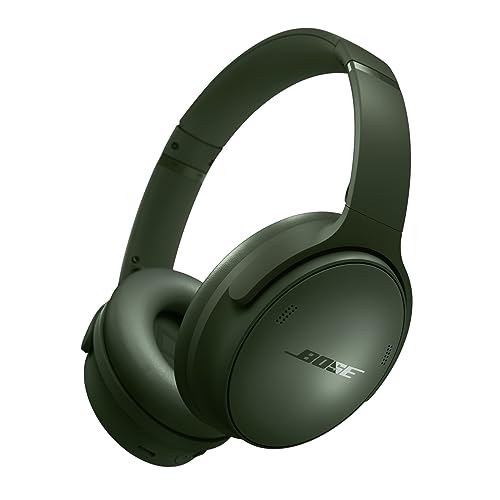
Labor Day has arrived, which means we're currently seeing some of the best tech deals this side of Black Friday. Amazon's big Labor Day sale is still going strong throughout the day, slashing prices on a bounty of our favorite Android devices, from smartphones and tablets to wearables and class-ready Chromebooks.
Needless to say, if you don't want to scroll through page after page of product listings to find the deal that's right for you, you're in luck. I've done the work of tracking down the best Android deals during Amazon's Labor Day sale so you don't have to go searching. All of the items below have been tested and approved by the Android Central staff, and I use price tracking tools to distinguish the so-so deals from the discounts that really matter.
Without further ado, let's go ahead and dive into the best Android device deals from Amazon's Labor Day sale. Just be aware that the big deal event ends tonight at midnight, so don't wait too long if something catches your eye!
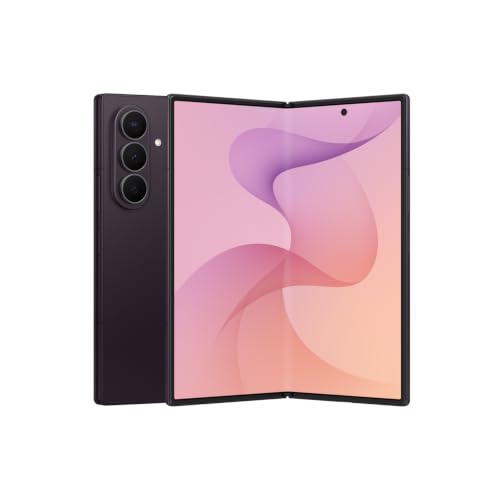
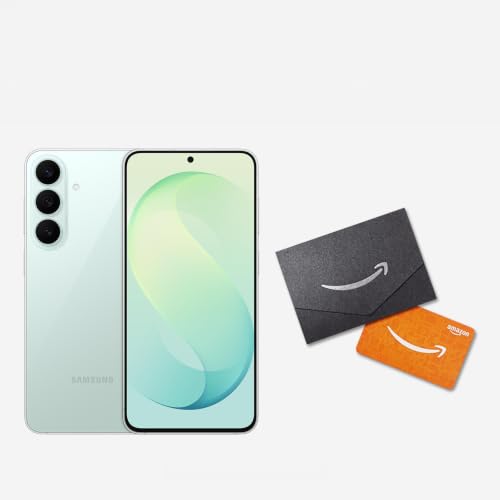
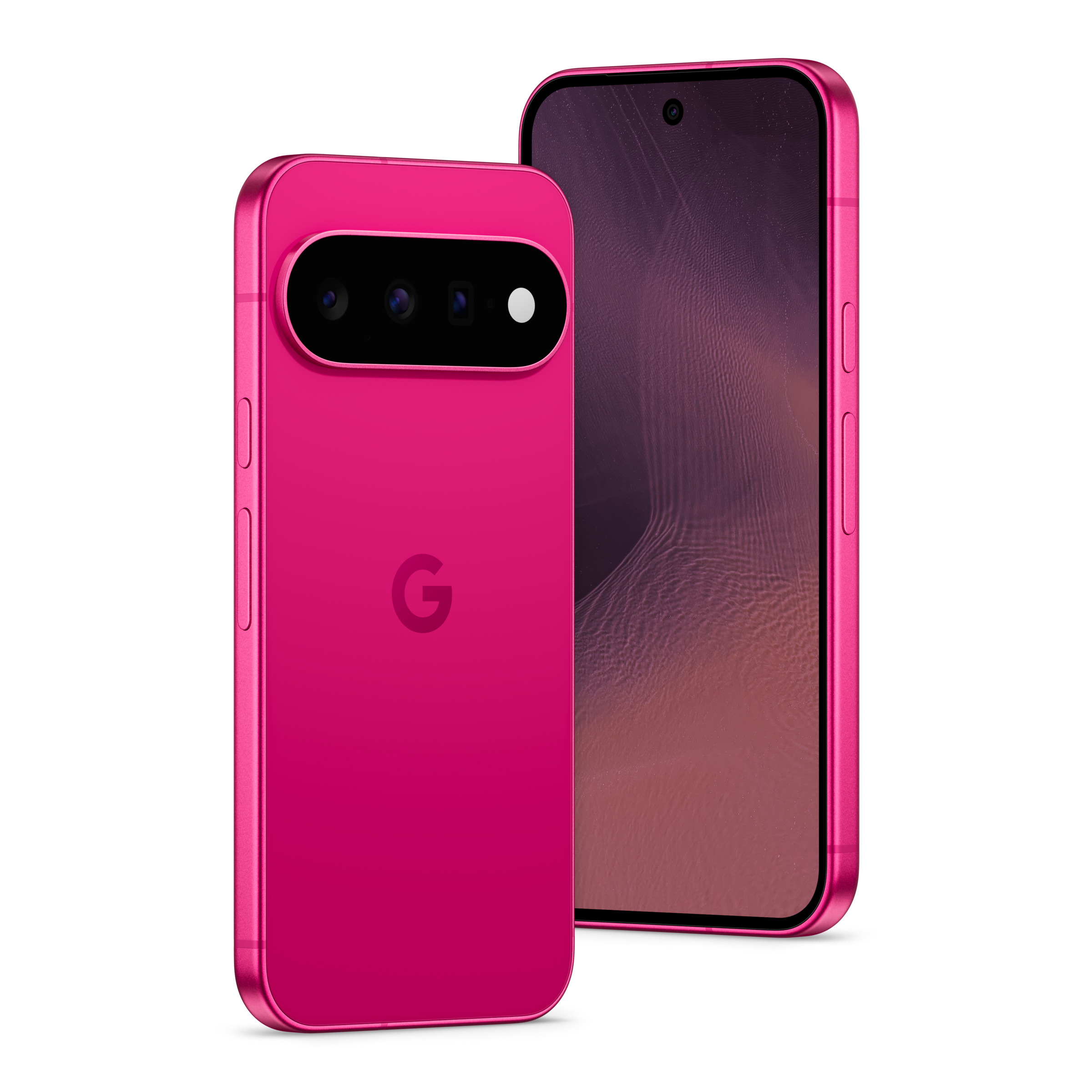
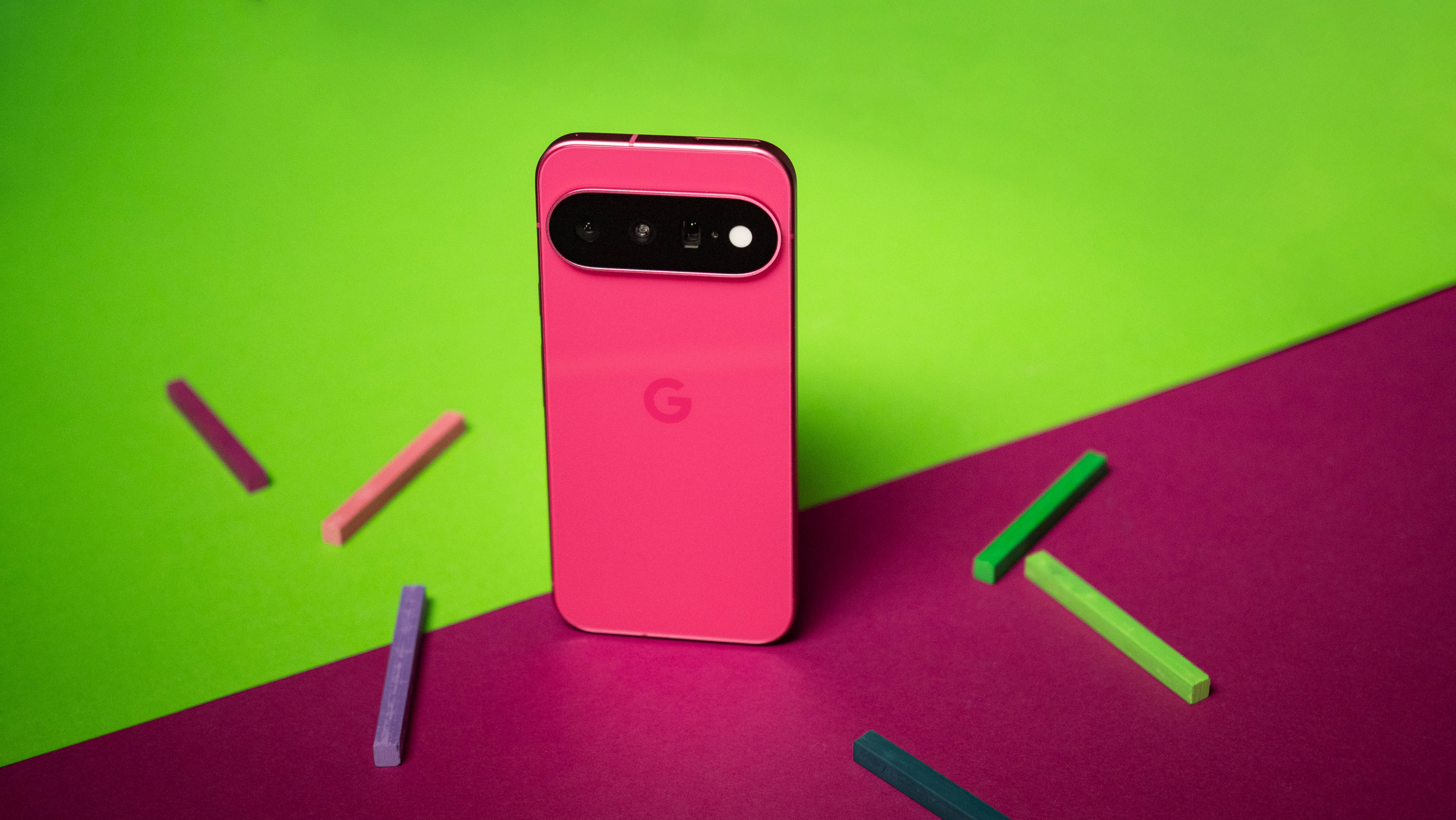
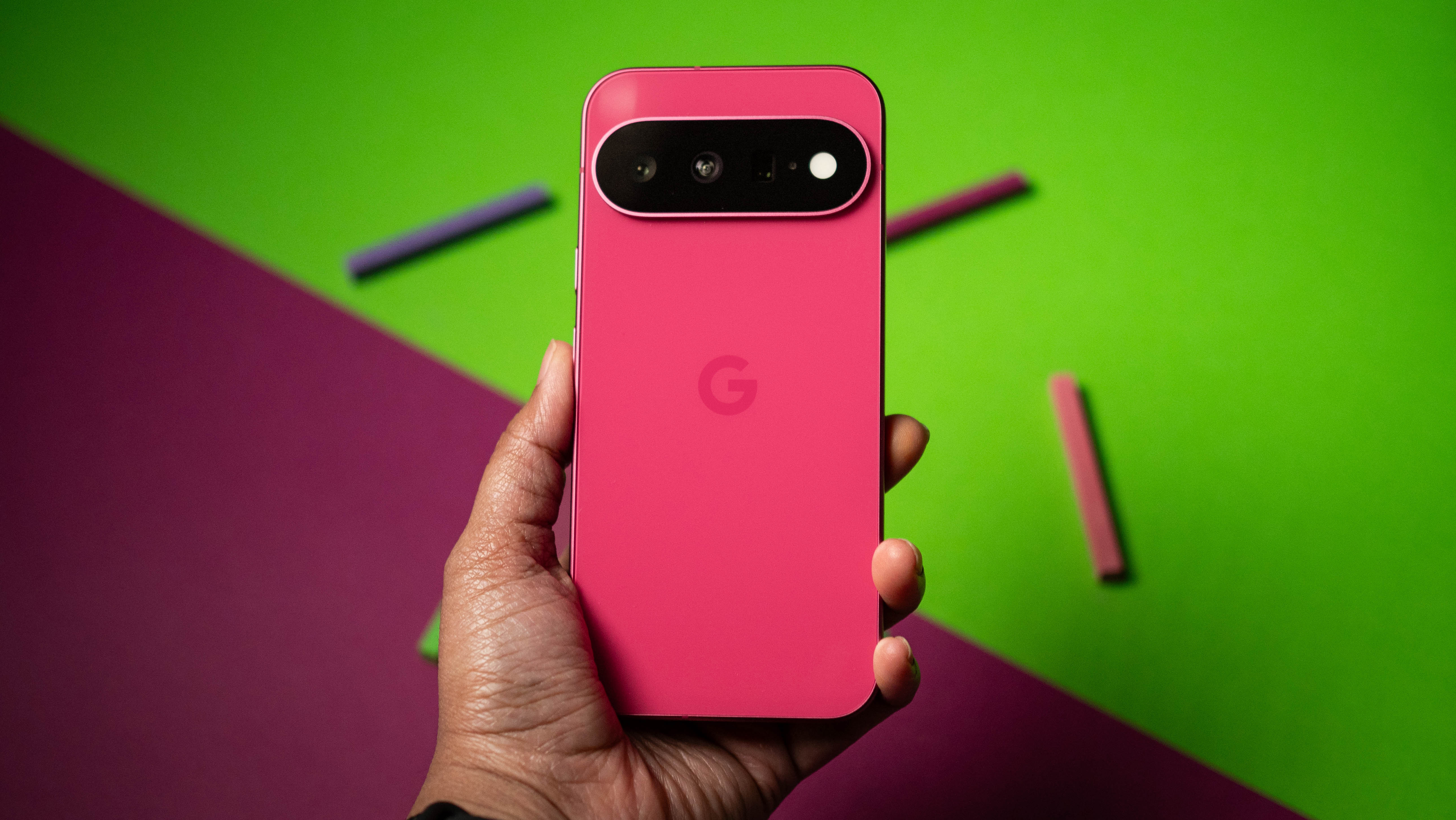
The Pixel 11 is a good choice if you need a phone that's designed to last. The metal mid-frame is durable, the panes of glass get Corning's best Gorilla Glass protection, the OLED panel is brighter than other phones in this category, and you get great cameras. The software is the clear star of the show; you get a clean interface with high customizability, and all the AI features you need. Oh, and it will get seven years of Android OS updates.
Motorola
Edge 2026
Doesn't have an edge
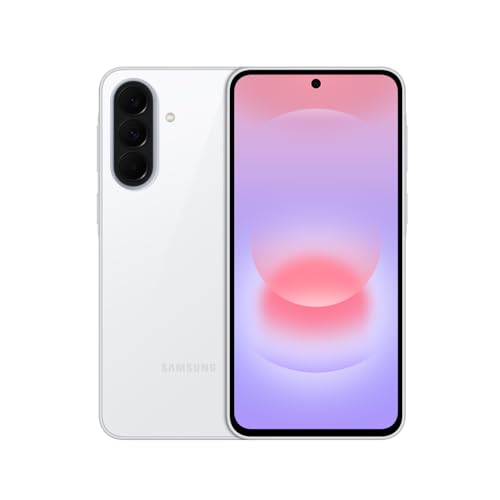
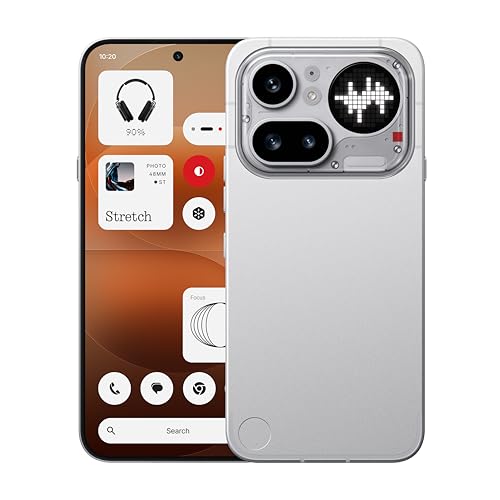
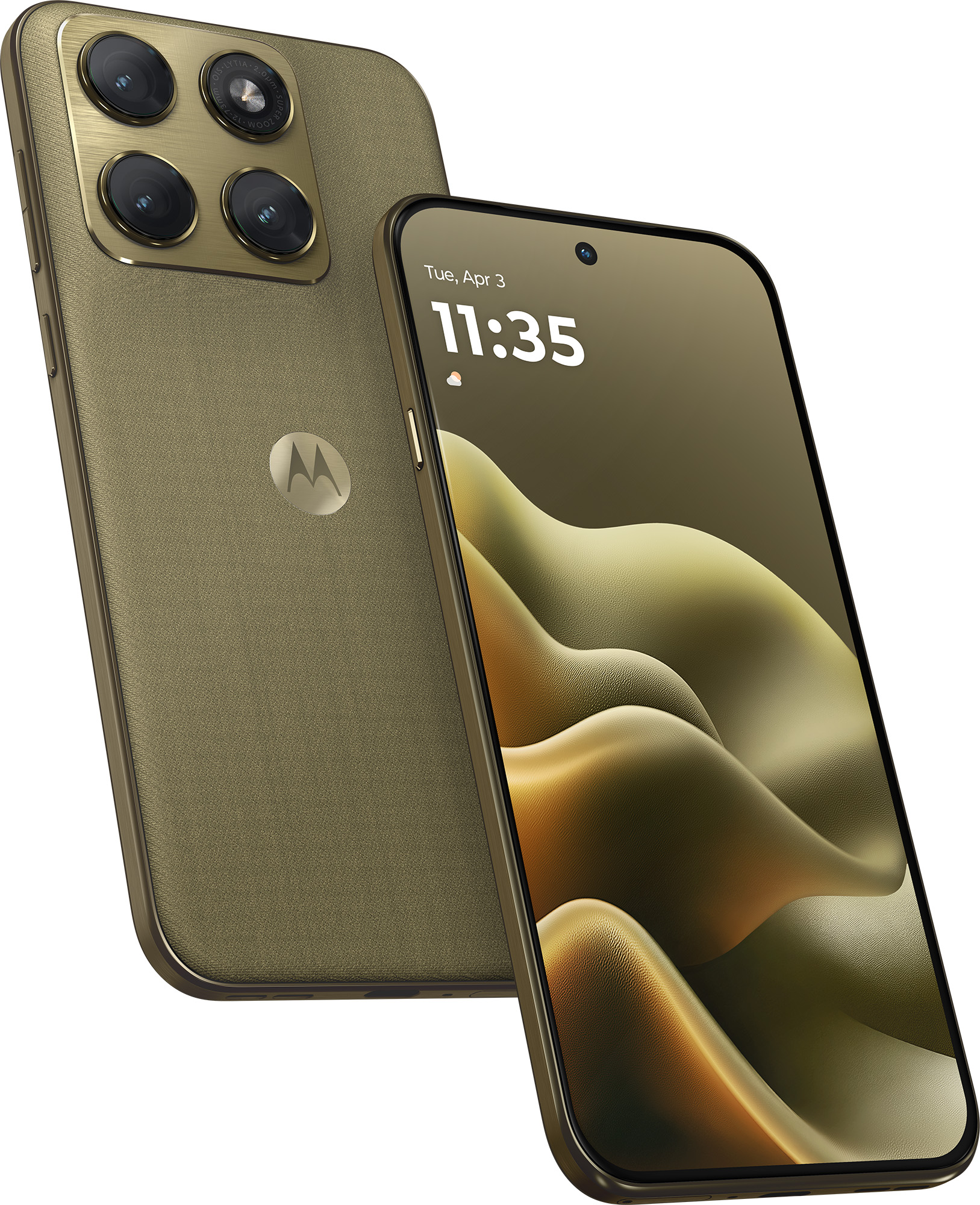
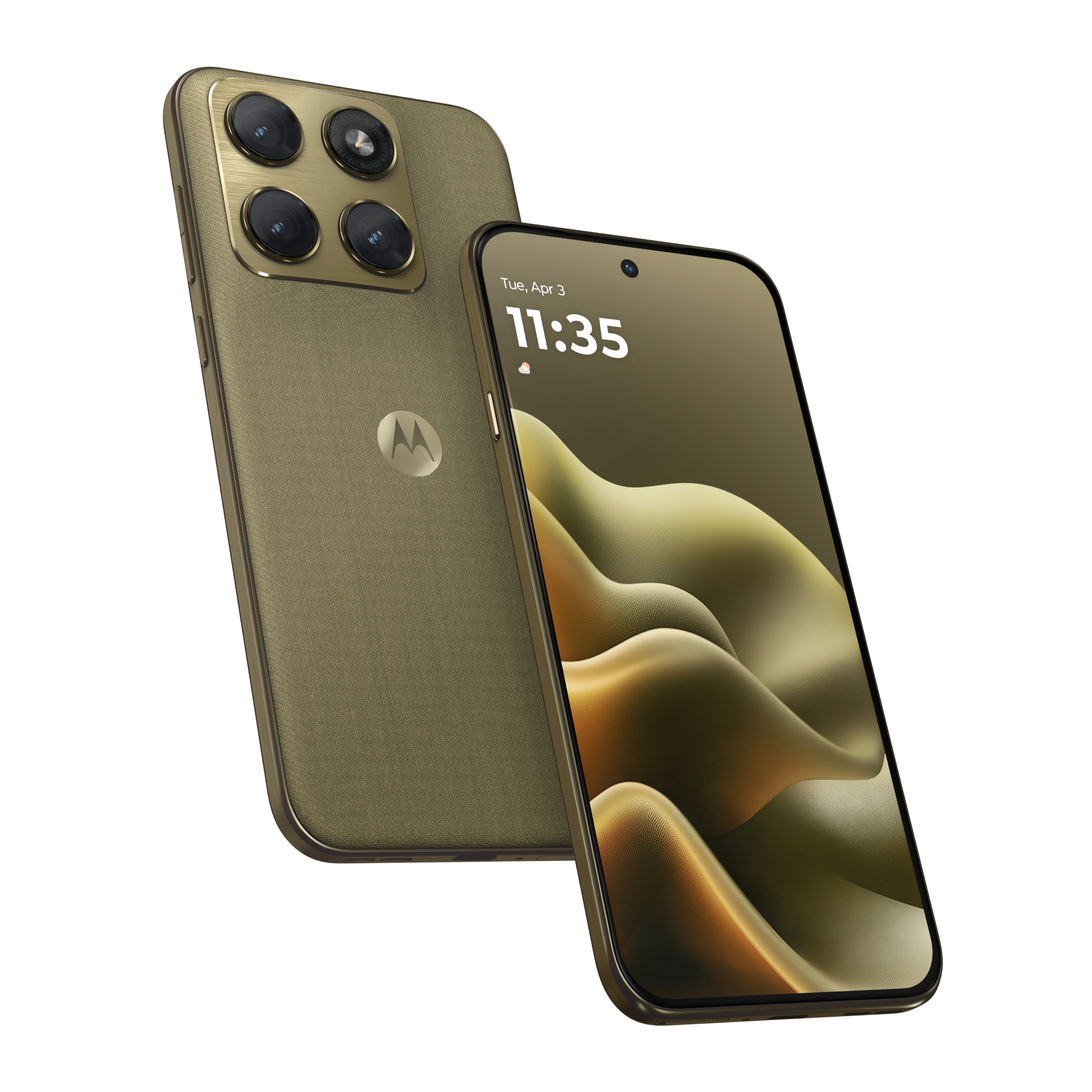
The Edge 2026 has great durability, good-sized battery, and a vibrant AMOLED panel, but it misses out in other areas. It comes with just 128GB of storage, the plastic design isn't as premium as the Pixel 11, and it will just get two Android OS updates — and that's just not good enough on a $600 phone in 2026.
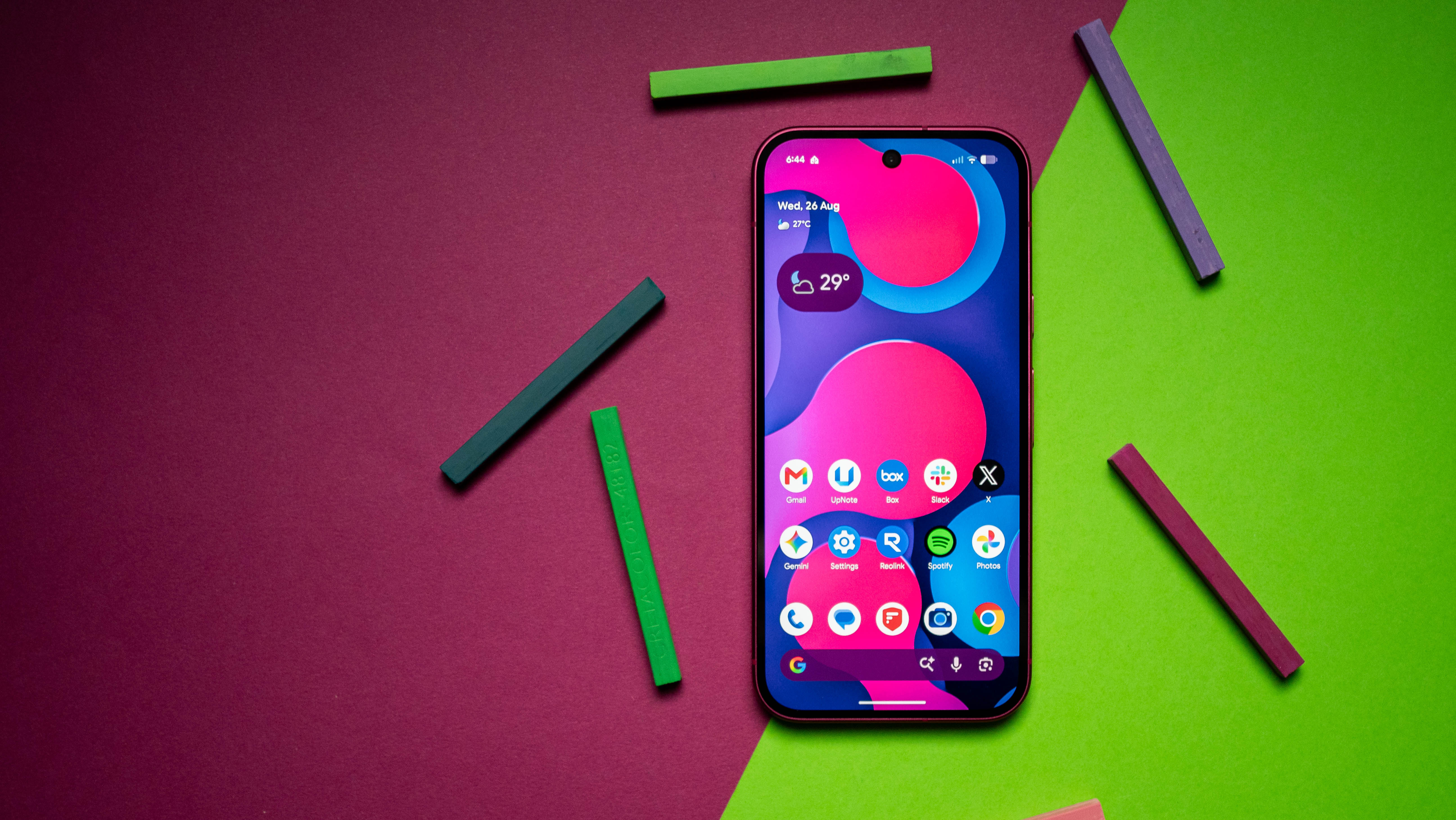
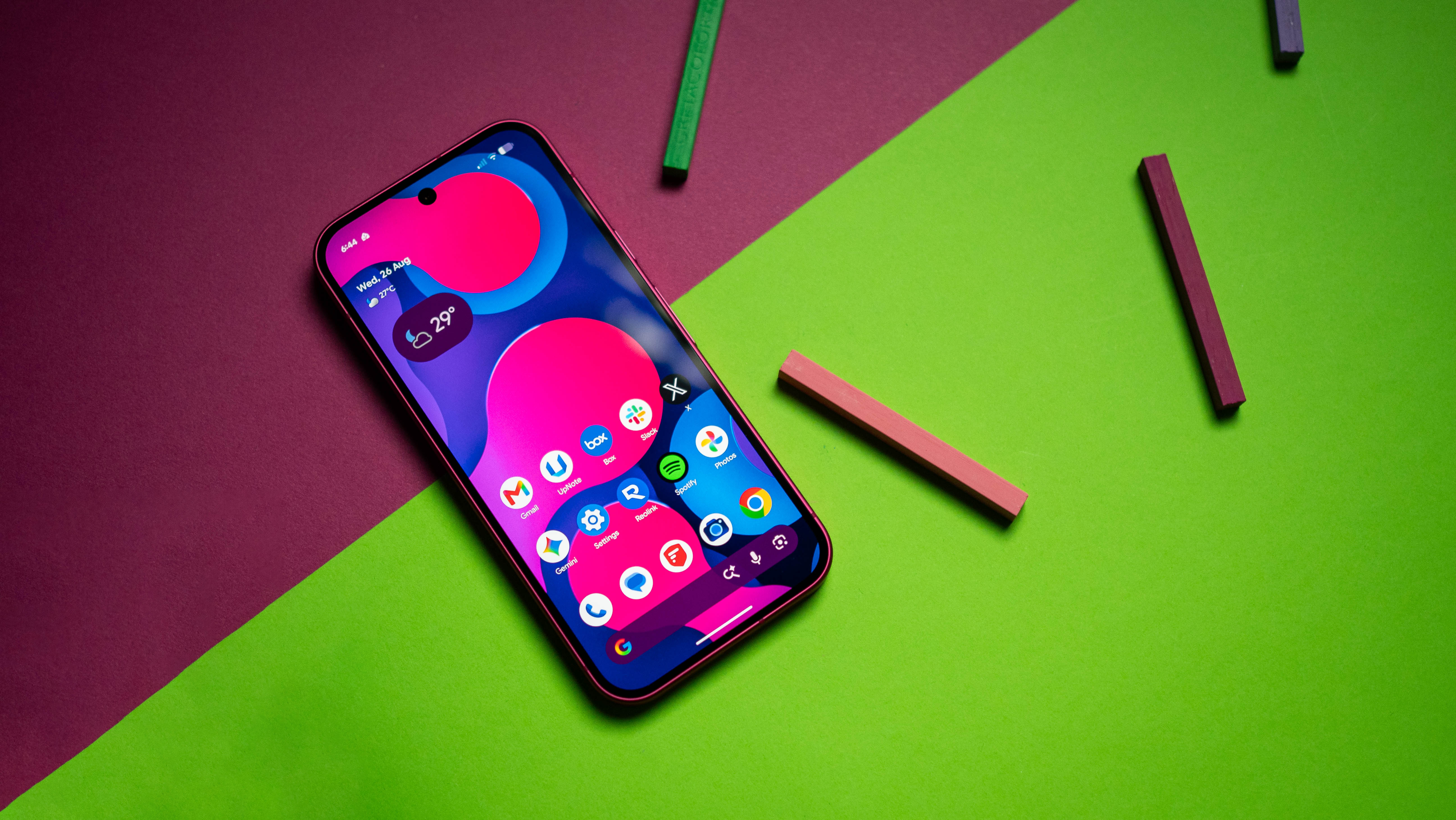
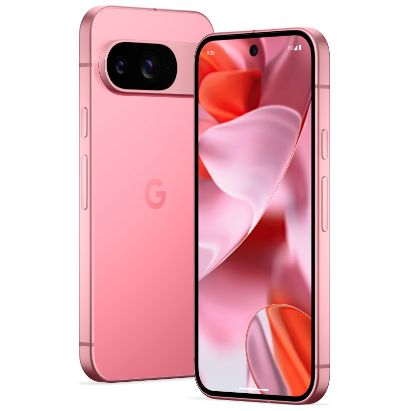
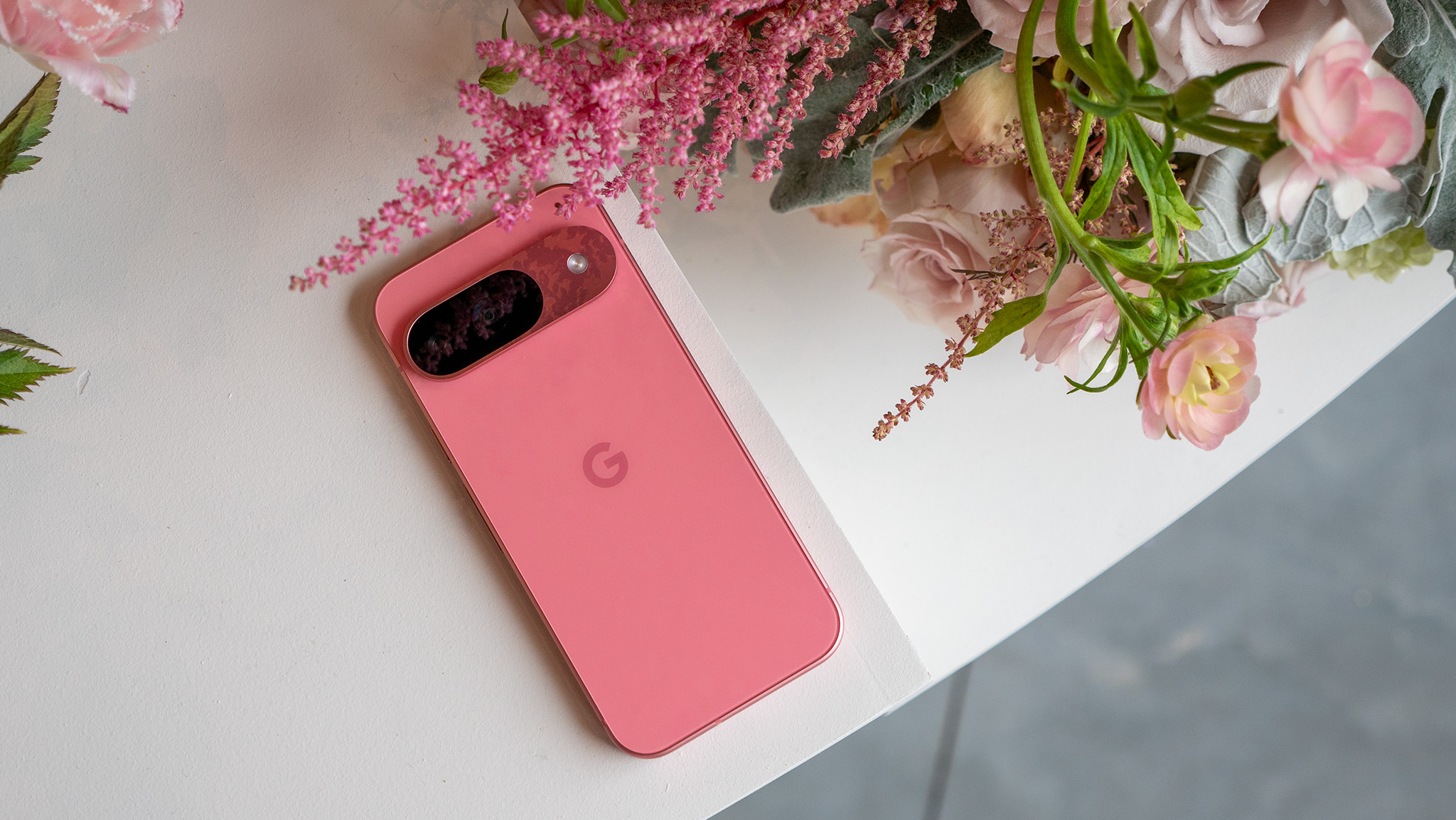
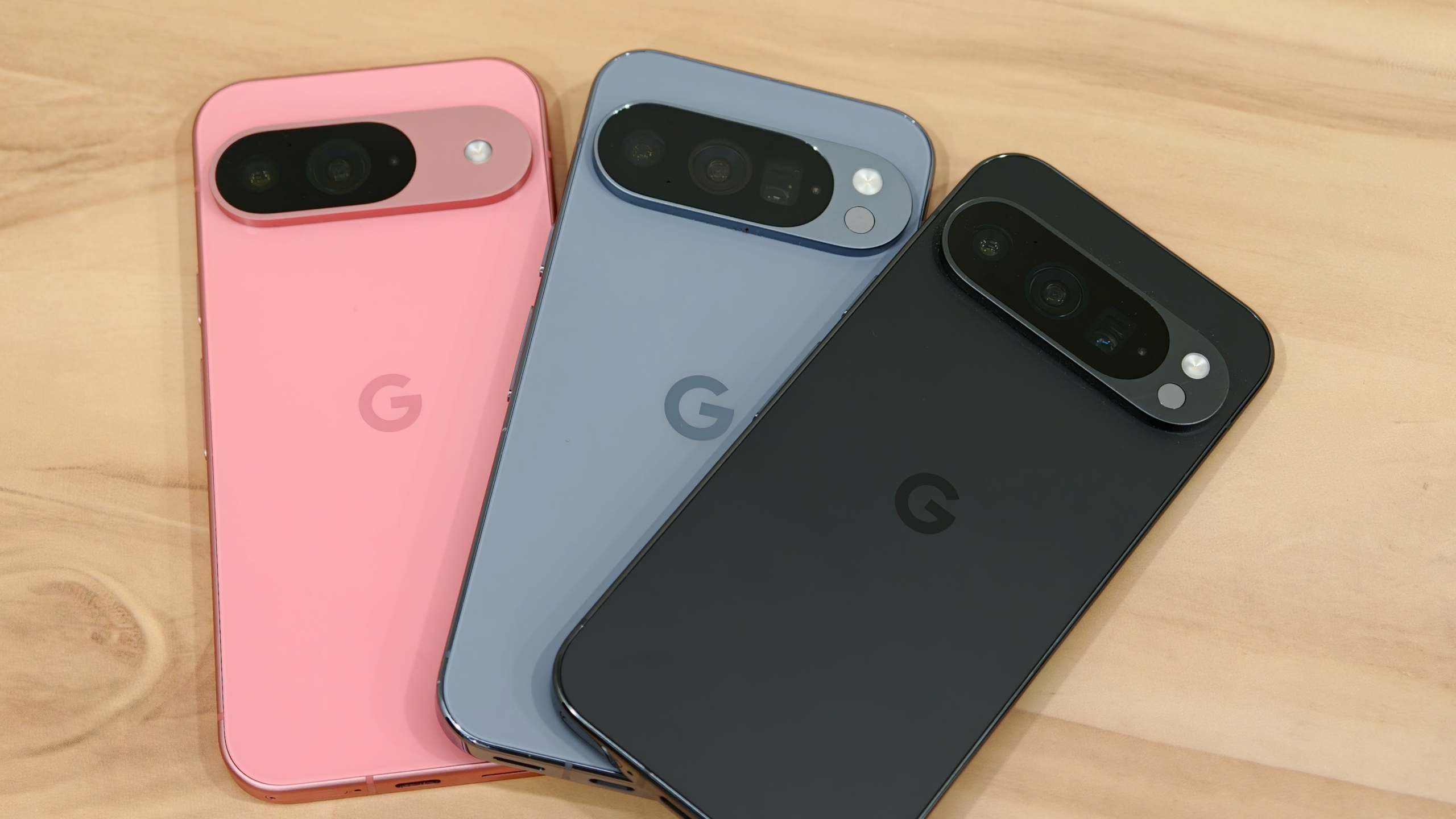
Google's phones have a distinct visual identity, and I like that the Pixel 11 doesn't deviate too much from its predecessor. Google did a good job with the color choices this year; I got the Hibiscus model, and it's just fun to hold and use.
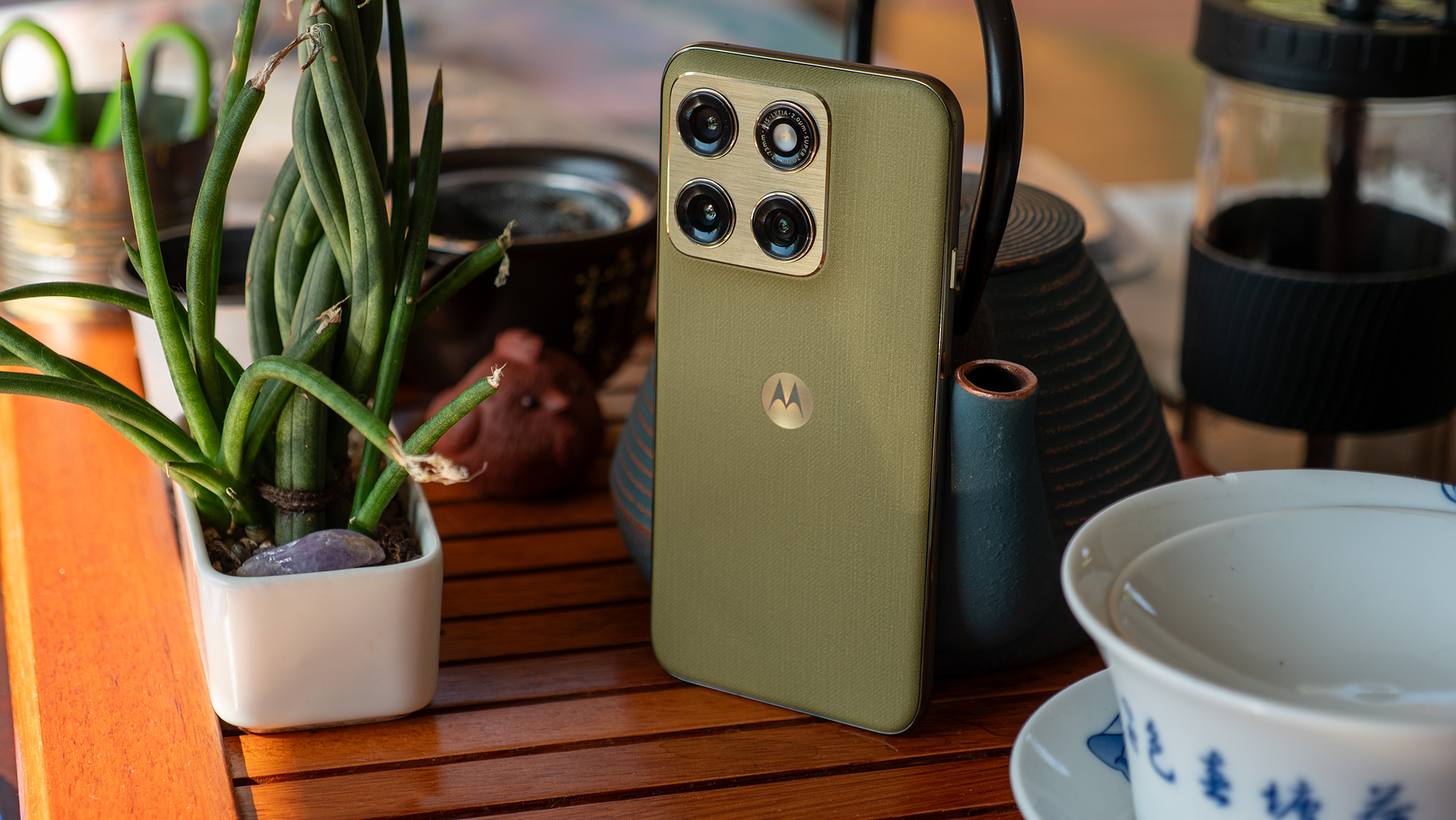
The Edge 2026 has an immediately-recognizable design as well, but it doesn't quite feel as good to hold. A lot of that is down to the plastic chassis, but the upside is that you have IP68 and IP69K dust and water resistance as well as MIL-STD-810H durability. Google provides IP68 as standard, but Motorola has the edge in this area. Another factor to consider is the weight, and the Edge 2026 is 36g lighter than the Pixel 11.
Google Pixel 11 vs. Motorola Edge 2026: Hardware and cameras
The Pixel 11 is nearly identical to its predecessor, but the Tensor G6 platform gets a lot right, and it is noticeably faster in daily use. It still isn't good at gaming, but you'll only notice this while playing visually-demanding games. Otherwise, it is reliable.
Motorola went with MediaTek's Dimensity 7450 in the Edge 2026, and it is clearly showing its age. It has ancient Cortex A78 and A55 cores, and they're not anywhere as efficient as the newer Arm cores that you get in most other phones in this category. The result is that even though the Edge 2026 has a slightly bigger 5,000mAh battery, the Pixel 11 lasts longer in regular use.
(Image credit: Nicholas Sutrich / Android Central)
While Motorola has the edge with 68W charging, Google's decision to put Qi 2 magnets in the Pixel 11 gives it a clear advantage in my book. It's just easy to be able to charge the device using any Qi 2 charger without needing an additional case.
Also, it's annoying that the Edge 2026 has just 128GB of storage, and there's no 256GB model either — Motorola just sells one model in the U.S. The Pixel 11 comes with 256GB of storage as standard, and there is a 512GB model if you need additional storage.
Category
Google Pixel 11
Motorola Edge 2026
Operating System
Android 17, seven years of software updates
Android 16, two years of software updates
Display
6.3-inch 120Hz OLED, 2424 x 1080, Corning Gorilla Glass Victus 2, HDR10+, 3000 nits max
6.3-inch 120Hz AMOLED, 2640 x 1260, Corning Gorilla Glass 7i, HDR10+, 5200 nits max
Chipset
Google Tensor G6, 3nm TSMC
Mediatek Dimensity 7450, 4nm
RAM
12GB/16GB
8GB
Storage
256GB/512GB/1TB UFS 4.0
128GB
Rear cameras
Main: 48MP f/1.7, OIS
Tele: 10.8MP f/3.1, OIS, 5x zoom
Wide: 13MP f/2.2 wide-angle
Main: 50MP f/1.8, OIS
Tele: 10MP f/2.0, OIS, 3x zoom
Wide: 48MP f/2.0 wide-angle
Front camera
10.5MP, f/2.2
50MP
Battery
4985mAh
5000mAh
Charging
30W wired, PPS
25W Qi 2.2 Pixelsnap wireless
68W wired
15W wireless
Connectivity
Wi-Fi 6e, Bluetooth 6, NFC, Dual-band GPS, 5G mmWave (NA only), 5G Sub-6 (global), LTE
Wi-Fi 6e, Bluetooth 5.4, NFC, GPS, 5G Sub-6, LTE
Ingress protection
IP68 dust and water resistance
IP68/IP69K dust and water resistance
Dimensions
152.8 x 72 x 8.6mm
152.3 x 72 x 7.2mm
Weight
197g
160g
Colors
Hibiscus, Frost, Pistachio, Obsidian
Pantone: Martini Olive
The Edge 2026 has a trio of cameras, and the dedicated tele lens is good in its own right. That said, I prefer the cameras on the Pixel 11; while the physical sensors are unchanged, Google made plenty of tweaks to the tuning, and features like Camera Looks give you a greater customizability over how your photos look. There's also the fact that the Pixel 11 takes better photos with its trio of cameras, and it holds up a lot better in low-light situations.
The Pixel 11 debuted with Android 17, and it comes with a clean interface with a lot of unique features you don't get on other phones. While I don't use most of the AI-assisted features that Google has to offer, things like Rambler in Gboard make a big difference.
The Edge 2026, meanwhile, launched with Android 16, and with Motorola only providing two Android OS updates, it will only go up to Android 18. By contrast, the Pixel 11 will get the Android 14 update (if Google continues its numbering scheme) seven years down the line.
Motorola's software is clean and uncluttered, but it's clear that the brand needs to do more to stand out. One thing that needs to change is software updates; it just isn't enough for a $600 phone to get two Android OS updates in 2026.
Google Pixel 11 vs. Motorola Edge 2026: Which should you buy?
The Pixel 11 is priced at $899 in the U.S., which is $300 more than the Motorola Edge 2026. While that is costlier, you are getting better features in just about every area: the Pixel 11 is faster, has higher memory and storage, lasts longer, takes much better photos, and gets five additional years of software updates, which is a huge deal.
Also, Google is known to heavily discount phones a few months after launch, so if you like the look of the Pixel 11, just wait a bit until the holiday sales start (it isn't a long wait), and you won't need to pay quite as much to get your hands on the phone.
If you're on a budget and need a mid-ranger, I'd suggest looking at the Pixel 10a instead of the Edge 2026. You don't get a tele lens, but outside of that, it is a better choice than the Edge 2026, and it costs less.
Google
Pixel 11
The Pixel 11 may not be too different to last year, but it continues to be the best device in this category. If you want a budget-focused choice, get the Pixel 10a instead.
Motorola
Edge 2026
The Edge 2026 is a decent device, but Motorola's decision to shortchange buyers when it comes to the software and storage means it is not as good as the Pixel 11.
from Latest from Android Central https://ift.tt/lS0yjUM
via IFTTT
Meta AI glasses v28 update adds pedestrian navigation, Spatial Audio, expanded language support, and camera anti-tampering improvements.
With hands-free walking directions, you can ask Meta to navigate to nearby destinations, with driving directions sent to your phone for farther trips.
Spatial Audio makes listening richer and adds a more immersive layer to music and podcasts on supported Ray-Ban Meta glasses.
Meta has been steadily expanding what its AI glasses can do, and the latest v28 update adds several practical upgrades, including pedestrian navigation, Spatial Audio, and broader language support.
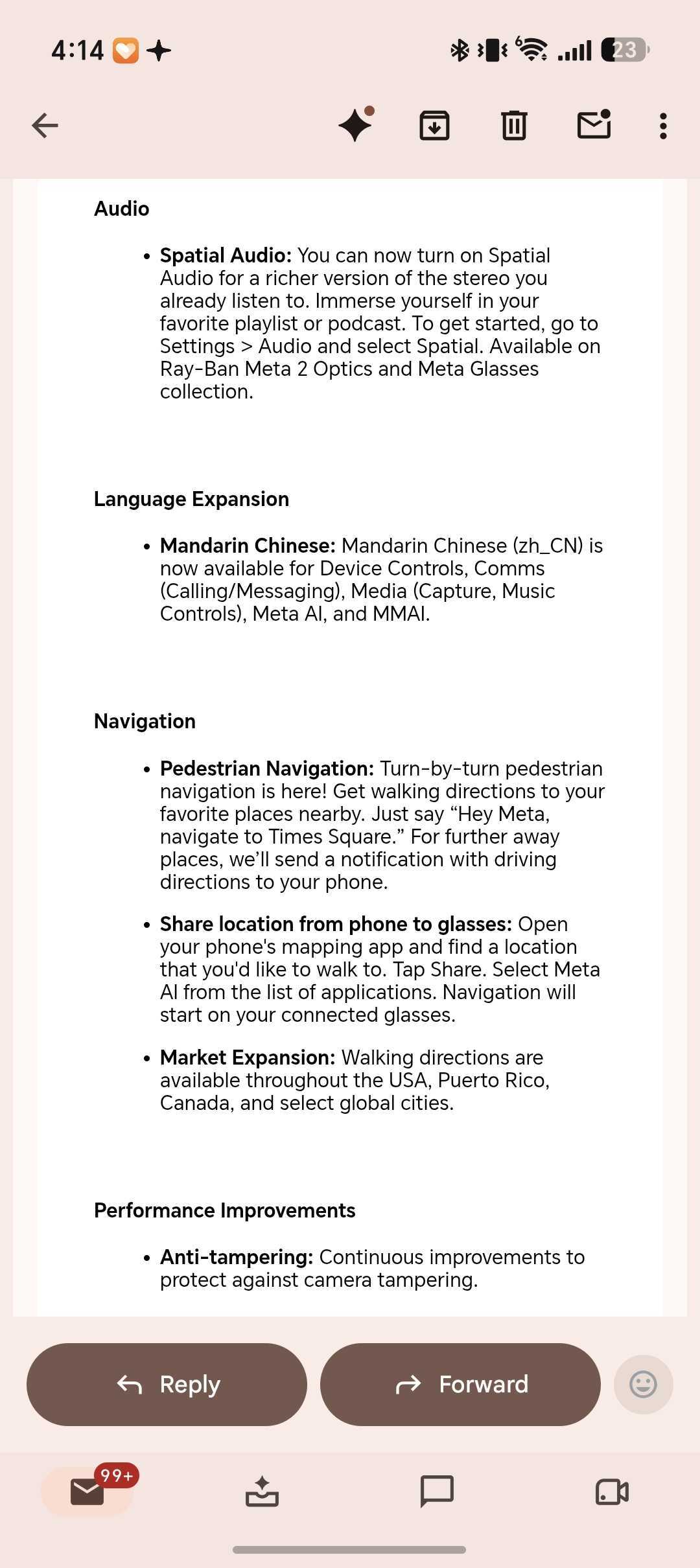
Perhaps the headline addition is pedestrian navigation. You can now ask the smart glasses to guide you on foot to nearby destinations using voice commands such as “Hey Meta, navigate to Times Square.” If you’re farther away, the glasses can send driving directions to your phone.
There’s also a new way to begin navigation from your phone: Find a destination in your mapping app, tap Share, and select Meta AI, and navigation will start on your connected glasses.
The update also broadens where walking directions work. Meta says it now offers walking directions in the U.S., Puerto Rico, Canada, and some cities across the world.
Audio gets an upgrade as well. Now, Spatial Audio can make a more immersive version of the stereo sound you’re already getting, whether that’s music or a podcast. You can find this option in Settings > Audio > Spatial. It works with Ray-Ban Meta Gen 2 Optics and the Meta Glasses collection.
(Image credit: Android Central)
Meta is also adding Mandarin Chinese (zh_CN) support across Device Controls, calls and messaging, media capture and music controls, Meta AI, and MMAI.
Finally, v28 has ongoing anti-tampering improvements to protect the cameras on the glasses.
Earlier firmware releases introduced features like Conversation Focus, which uses the microphones in the glasses to help users hear nearby voices better, and deeper Spotify integration. Similarly, on Reddit, the response is pragmatic, with users mostly praising the glasses for hands-free photos, calls, podcasts, and open-ear audio, while battery life and Meta AI’s limitations remain common complaints.
from Latest from Android Central https://ift.tt/mJv1Esd
via IFTTT
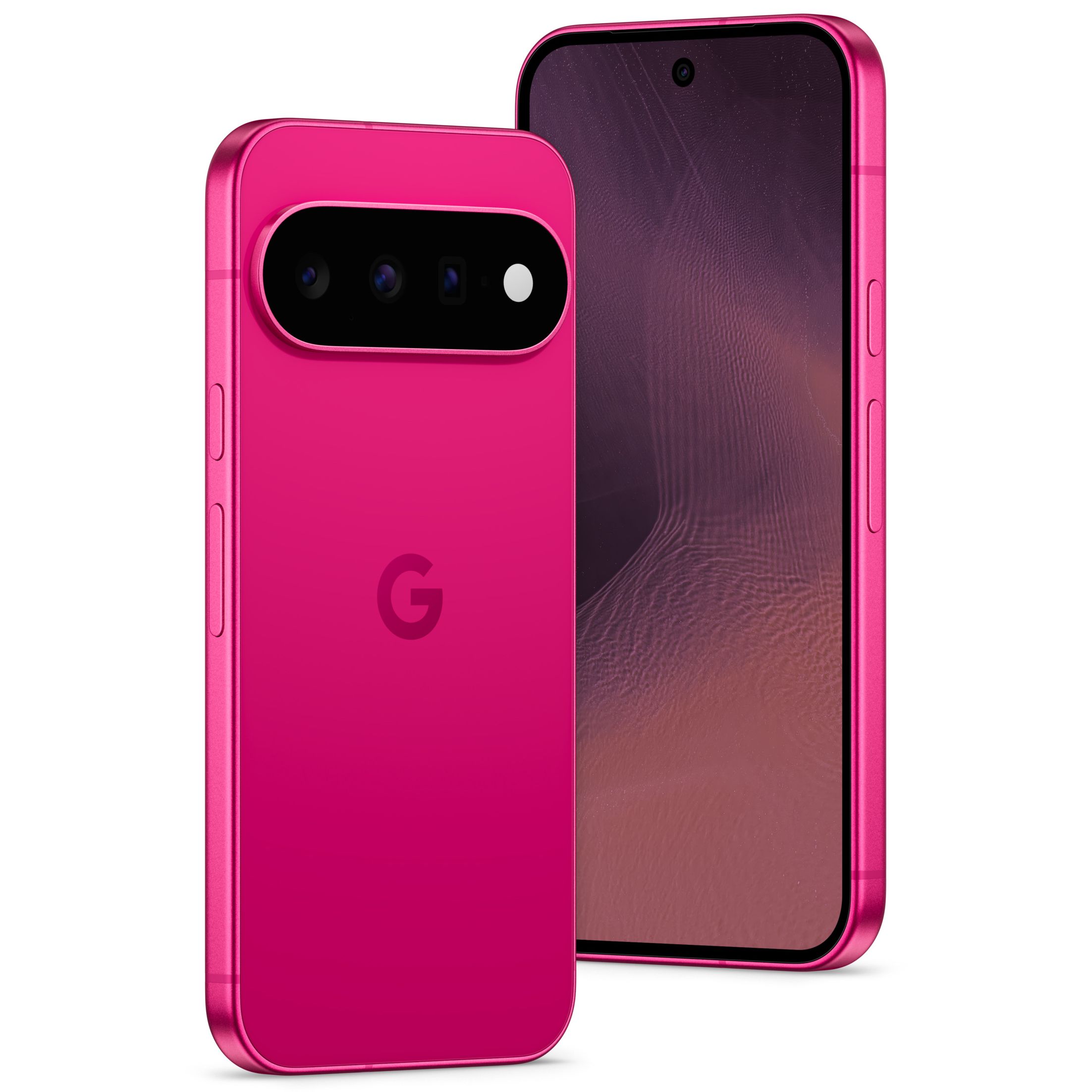
The Pixel 11 is two generations ahead of the Pixel 9, sporting a better processor, a triple-camera setup, a larger battery, and faster charging. Google upgraded the AI experience to bring cool features like Magic Capture, Rambler, and more, and the base storage finally starts at 256GB. But the $100 price increase and lack of the HiLight notification LED cast a shadow of doubt.
Pros
Android 17 with 7 years of updates
Higher base storage
Tensor G6 is more efficient
Pixelsnap support opens up compatibility with an insurmountable number of accessories
Improved triple camera setup with better zoom
Bigger battery with faster charging speeds
Cons
Costs $100 more and misses out on HiLight
Cameras not too different from Pixel 10
Display isn't an LTPO OLED (60-120Hz)
Wi-Fi 6E
Google
Pixel 9
Still going strong
The Pixel 9 might not be the best Android phone out there, but it is still one of the best AI phones you can buy for a very agreeable price. It has a fantastic dual camera setup, plenty of AI features that have stayed up to date thanks to regular Pixel Drops, and is guaranteed to get updates until Android 21.
Pros
Half the price of the Pixel 11
Also promises 7 years of updates
Shares many of the Pixel 11's best features like Pixelsnap, IP68 water and dust-proofing, and many overlapping AI features
Dual cameras do a fantastic job
Wi-Fi 7
Cons
The Tensor G4 chipset is quite old
Lower base storage
Slow battery and charging specs
Display isn't as bright as Pixel 11
Lacks magnetic Qi2, or Pixelsnap as Google calls it
The Pixel 11 brings several upgrades over the Pixel 9, but in a strange turn of events, it also brings quite a few downgrades. One thing is for sure, though: the latest Google Tensor G6 chipset is the clear winner in terms of performance and raw power.
Most importantly, if you were to step into the store to buy both phones right now, the Pixel 9 would only cost you about $549, whereas the Pixel 11 starts at $899. The price gap is significant, leading us to question which phone is better. Two generations later, and it's still unclear to Pixel 9 owners whether the Pixel 11 is worth upgrading to. I'm here to unearth the answer to this question.
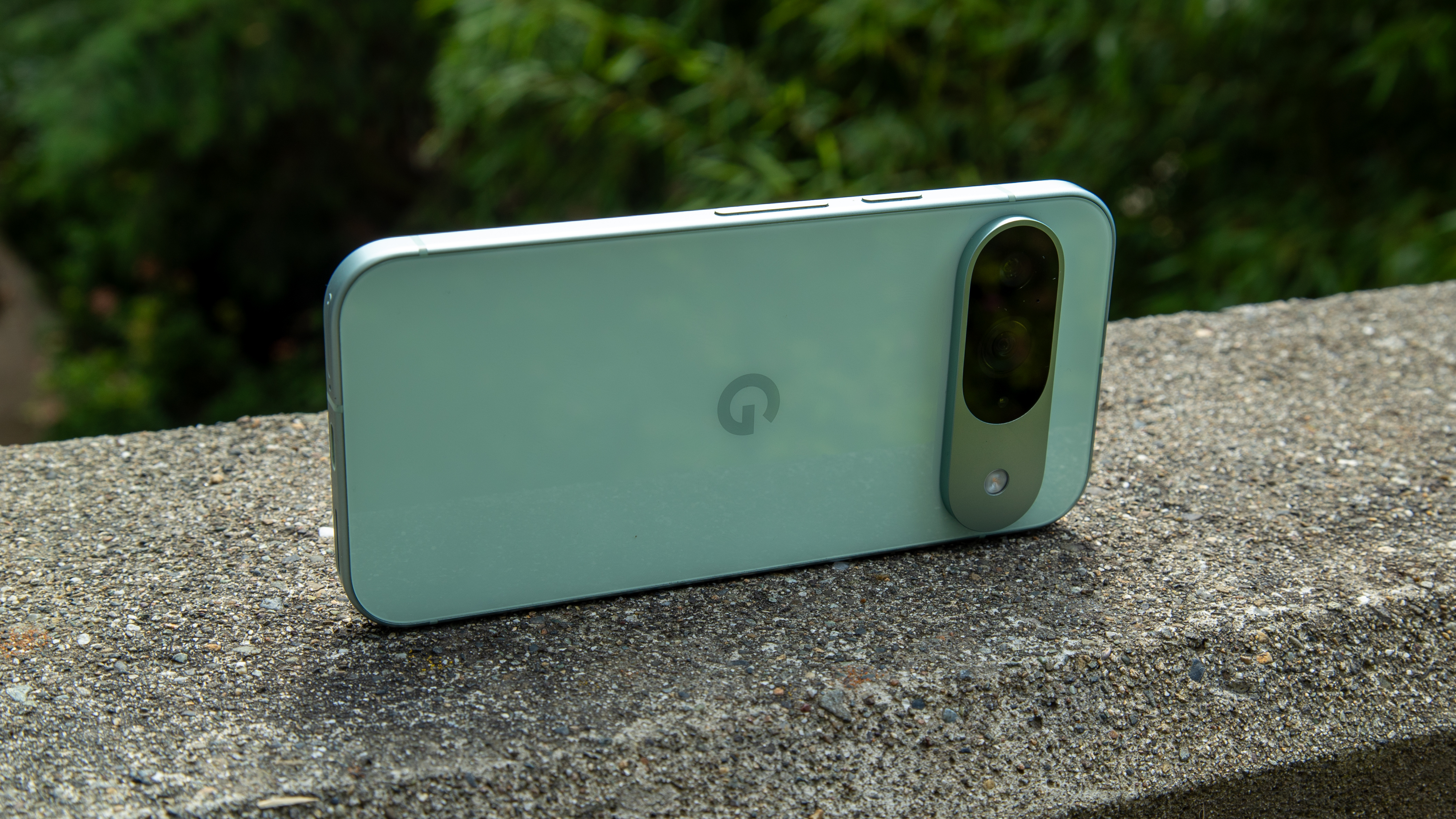
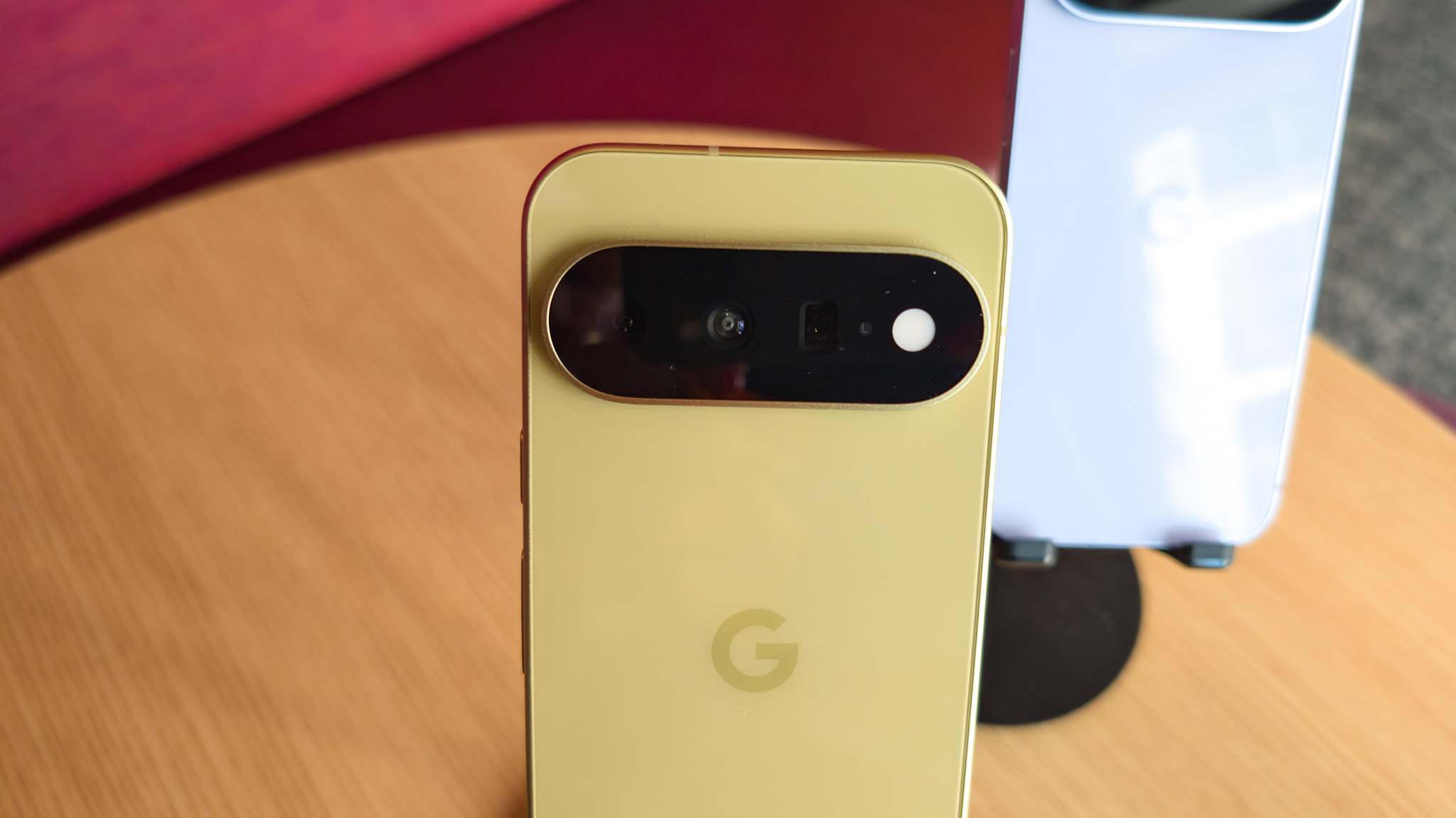
Looks-wise, the Google Pixel 11 and Pixel 9 are very similar, but the former's brighter colorways and all-glass camera bar stand out distinctly. Apart from that, both Google Pixel phones are the same size, each with a 6.3-inch HDR10+ OLED display. Neither Pixel has an LTPO panel, so the variable refresh rate can't drop below 60Hz.
Disappointingly, the Pixel 11 misses out on HiLight, a standout feature of the Pixel 11 Pro and Pro XL. It also comes with Wi-Fi 6E instead of Wi-Fi 7, which is found on the Pixel 9. Google did upgrade to Bluetooth 6 on the Pixel 11, thankfully, so the Pixel 9's Bluetooth 5.3 is quite outdated by comparison.
Battery and charging are significantly better on the Pixel 11, jumping from the Pixel 9's 4,700mAh cell, 27W wired charging, and 15W wireless charging speeds to a 4,985mAh battery, 30W wired charging, and 25W wireless charging. Pixelsnap (or magnetic Qi2) is one of the best features of the Pixel 11, something the Pixel 9 lacks entirely.
Performance is a vital consideration, and the Google Pixel 11's Tensor G6 chipset crushes the Pixel 9's much older, slower Tensor G4 chip. The G6 offers 20% better power efficiency, 25% faster browsing, and 15% faster app loading compared to the Tensor G5.
Let's also not forget that all this will cost you a lot more: the Pixel 11 starts at $899 for 12GB/256GB, whereas the Pixel 9 retails for about $440 for the 12GB/128GB variant and $545 for the 12GB/256GB option.
Google Pixel 11 vs. Pixel 9: Software and AI
(Image credit: Nicholas Sutrich / Android Central)
It is well known that, eventually, software and AI features from new Pixel phones trickle down to older models. However, this also depends on whether the phone's chipset supports those features.
Given the wide gap in raw power between the Tensor G4 and Tensor G6 chips, many of the Pixel 11's best features may not be available on the Pixel 9. Gemini's features rely on the G6's advanced architecture, so features like Rambler voice-to-text, Magic Capture, Sign Language-to-text translation, and automation via Gemini Intelligence are likely to remain exclusive to the Pixel 11. Some might come to the Pixel 10 eventually, but it is highly unlikely that the Pixel 9 will also get those features.
Both Pixels run Android 17 and are guaranteed seven years of OS and security updates. The Pixel 9 started out with Android 14, so naturally, it has fewer updates to go compared to the Pixel 11.
Google Pixel 11 vs. Pixel 9: Cameras
(Image credit: Shruti Shekar / Android Central)
The Pixel 11 has a triple-camera setup, with all-new lenses compared to the Pixel 9's dual-camera setup. Pixel 11 users enjoy a 48MP primary camera, a 13MP ultra-wide camera, and a 5x telephoto sensor, with up to 30x zoom. New camera features on the device include Magic Capture, Camera Looks, Camera Coach, and Creator Suite.
Next to that, the Pixel 9's 50MP wide and 48MP ultra-wide cameras and glaring lack of any telephoto lens look pointedly plain. Although a few Pixel 10 camera features, like Camera Coach, made their way to the Pixel 9, they are a far cry from the photography and videography tools and capabilities of the Pixel 11.
Google Pixel 11 vs. Pixel 9: So should you upgrade?
(Image credit: Sanuj Bhatia / Android Central)
The Pixel 11 offers Pixelsnap, vastly improved performance, better cameras, more base storage, better AI features, superior battery and charging specs, and solid triple cameras.
The Pixel 9, on the other hand, still has many years of software updates, and it performs well enough, with solid photography and ingress protection. It is slow by comparison and has poorer battery life and charging performance.
Whether you are a Google Pixel 9 owner or considering saving money by buying an older phone, the Pixel 11 is clearly a much better deal overall. You'll get Android 17 and the same seven-year update promise. The extra money you spend will get you a vastly more efficient processor, newer hardware, and more base storage.
If you are intent on staying in the $500 range, I suggest waiting for the Pixel 10 Pro to go on sale instead of purchasing the Pixel 9.
from Latest from Android Central https://ift.tt/QlICX2n
via IFTTT
We're still hot on the heels of Honor's very impressive Robot Phone, which comes with a robotic gimbal camera that folds out of the back of the phone. It's hard to imagine any company following up with something just as bold, but Ulefone definitely did its thing at IFA 2026 when it showed off the RugOne Xsnap 7 Pro.
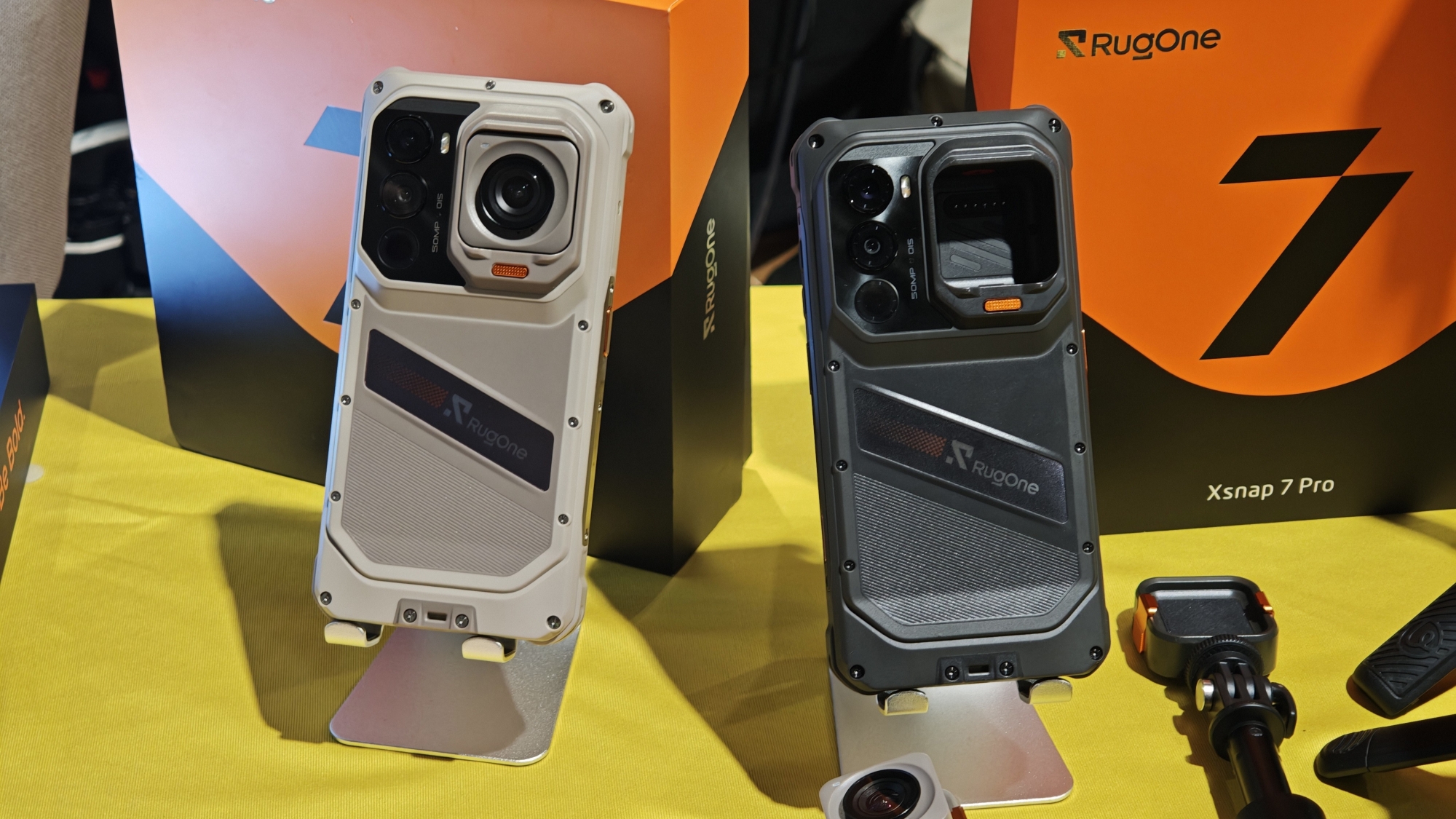
At first glance, it looks like your typical ruggedized Android phone, complete with a very bulky, yet tough build. However, turn it around, and you'll see why this phone is so unique: it has a detachable action camera magnetically embedded into it.
Few things at IFA made me stop and gawk, and this was definitely one of them.
(Image credit: Derrek Lee / Android Central)
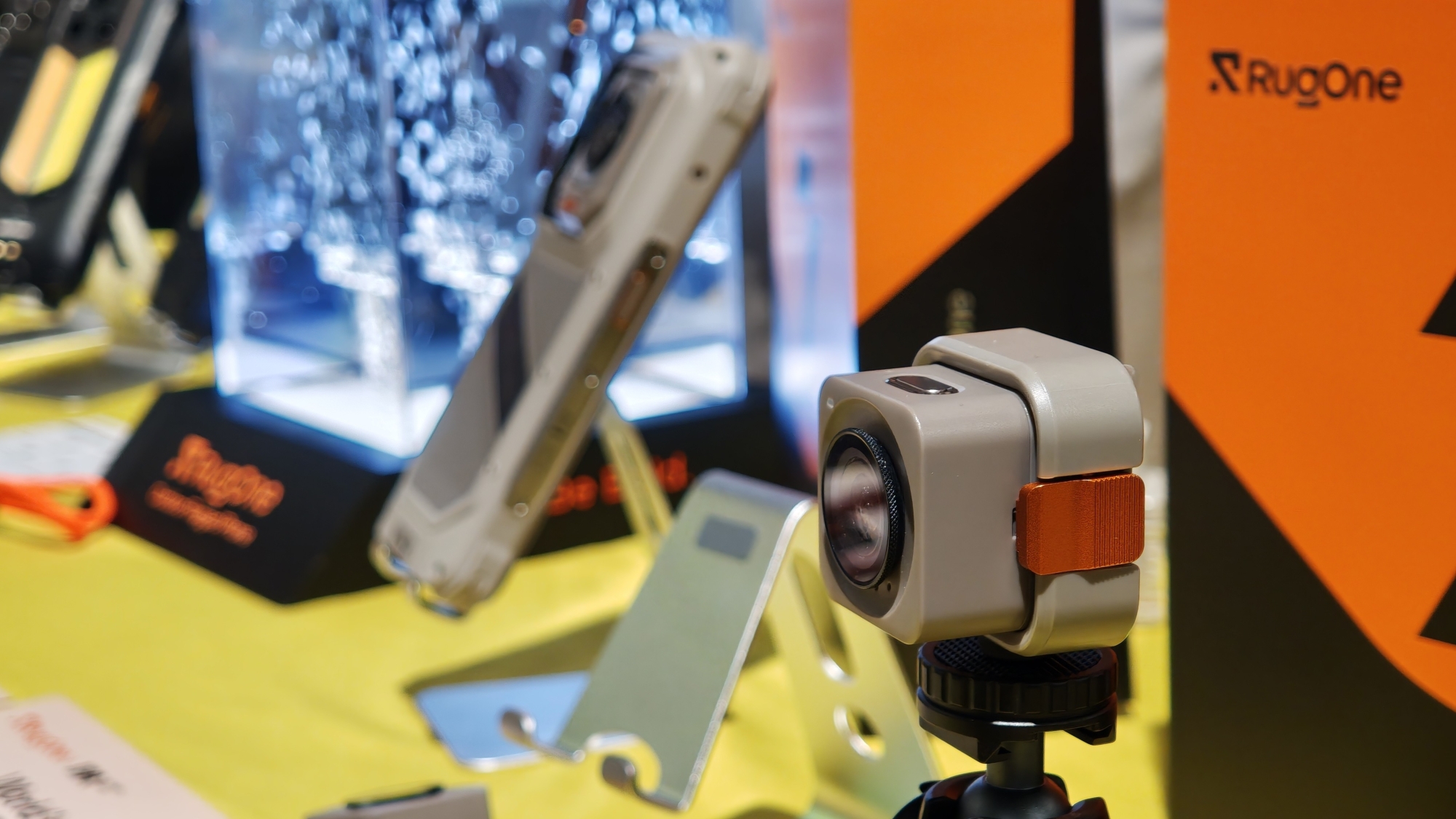
The actual camera module is no bigger than something like the DJI Osmo Nano camera, although its specs might seem a bit underwhelming by comparison. According to Ulefone, the camera can be used for up to 40 minutes per charge and supports 2.7K resolution at 30fps. With these specs, it may not be the most functional GoPro alternative, but it should get the job done in a pinch.
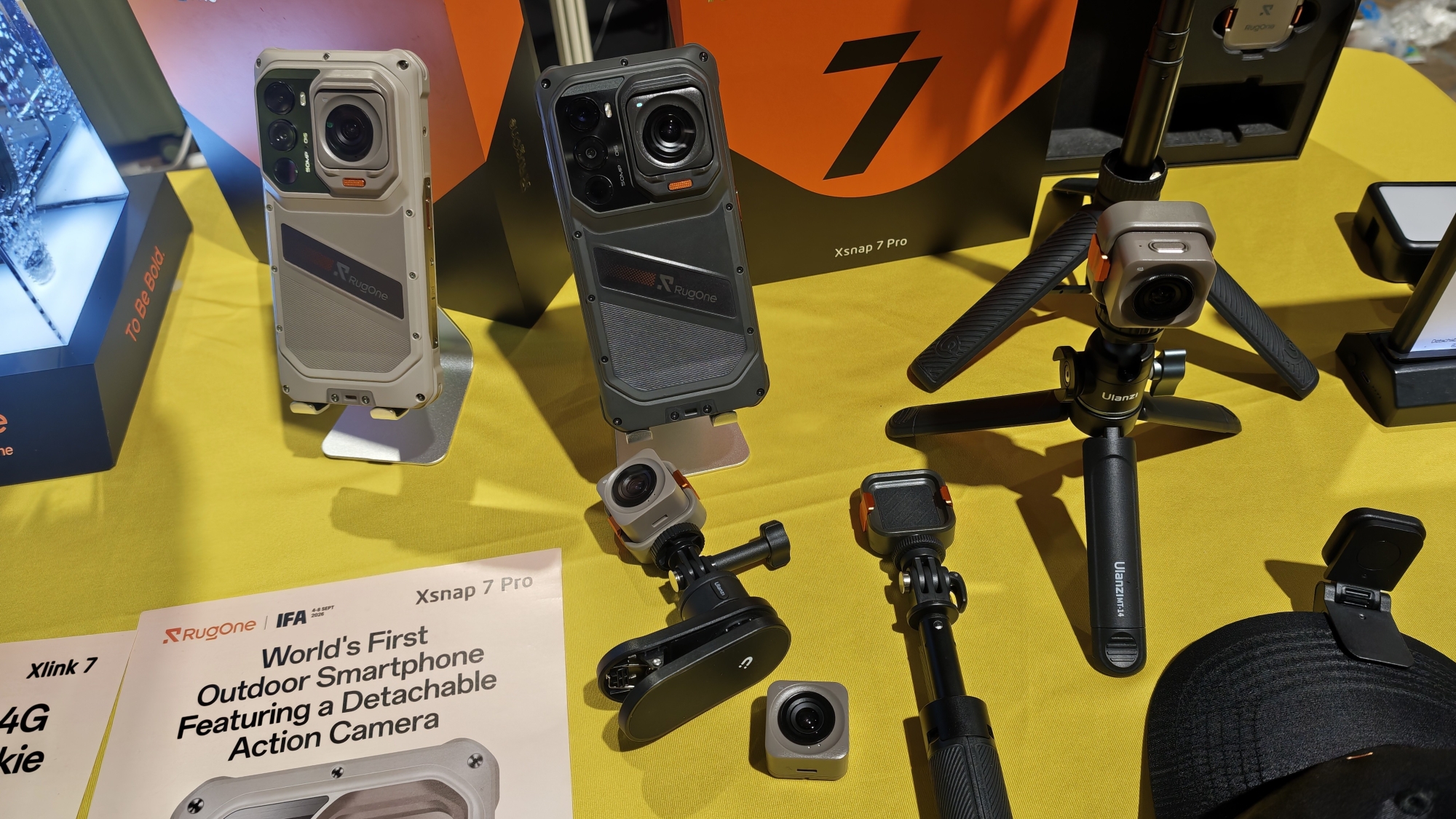
The Xsnap 7 Pro was also surrounded by several different accessories, all of which you could use as attachments for the action camera. This included two tripods, two clips (one attached to a hat), and an extension rod, highlighting the different ways you can use the action camera.
Ulefone says the Xsnap 7 Pro was built with several different types of consumers in mind, including content creators, vloggers, outdoor sports enthusiasts, explorers, and "tech trendsetters."
(Image credit: Derrek Lee / Android Central)
The camera can function underwater and provides a live preview on the phone up to 50 meters away. It has 64GB of built-in storage, features such as distortion correction and full-sensor recording, and can sync footage with a phone app.
Speaking of the phone, it actually has some pretty decent specs. It has a 6.67-inch FHD+ 120Hz AMOLED display and is powered by a MediaTek Dimensity 8400 with 12GB of RAM and 512GB of storage, which feels like plenty if you're planning to shoot a lot of video. In addition, the Xsnap 7 Pro also has a fixed 50MP primary camera and a secondary 64MP Night Vision camera (sorry to those looking for an ultrawide sensor).
Keeping the lights on is a massive 9,300mAh battery that can also help charge the action camera. That's good too, because given the camera's battery life, you'll definitely need to make use of all that capacity.
(Image credit: Derrek Lee / Android Central)
Of course, the phone is also very tough. It is certified for IP69K and IP68 water and dust resistance. Plus, it is MIL-STD-810H compliant, so it should be able to take a beating.
The RugOne Xsnap 7 Pro launches on Kickstarter on September 7, available at an early-bird price of €799. However, when it launches globally in October, it will retail for $999, which honestly doesn't sound too bad when you consider you're basically getting two products in one.
from Latest from Android Central https://ift.tt/aS0tkK6
via IFTTT