LightBlog

lundi 28 février 2022

Qualcomm's new Snapdragon X70 modem uses AI to boost your 5G connection

Using AI to make 5G really shine.

What you need to know

  • Qualcomm has announced its latest flagship 5G modem for mobile devices.
  • The Snapdragon X70 is the first modem-RF system with a 5G AI processor, which will improve connection and power efficiency.
  • The X70 is expected to launch in commercial mobile devices in late 2022.

Smartphones using the Snapdragon X65 modem have only just started cropping up, but Qualcomm is already announcing its next-generation 5G modem for mobile devices. AI integration has been one of the biggest buzzwords trends in recent years, and Qualcomm is leaning into this with its latest chips, including the new Snapdragon X70, which introduces Qualcomm's first 5G AI Suite.

Why does a modem need an AI processor? Qualcomm believes this will give 5G smartphones a boost by using AI to help manage connections to provide faster 5G speeds. This will be most useful for managing mmWave connections, which are often limited due to the fragility of the spectrum. Snapdragon X70 will use AI prediction to optimize mmWave beam from between the best Android phones and the cell tower. This is the first AI-based mmWave beam management, which, according to Qualcomm, should improve mmWave connections by as much as 28% when compared to non-AI-based systems, allowing more smartphones to better access the fastest 5G speeds.

Leaning on this, the X70 supports standalone mmWave so that service providers can provide fixed-wireless access and enterprise 5G using only mmWave.

The Snapdragon X70 also uses AI for channel-based feedback and optimization to improve throughput by as much as 24%. Along with a smaller 4nm node, the latest PowerSave Gen 3, and AI antenna tuning, the Snapdragon X70 can dynamically optimize 5G connections in various environments to provide improved power efficiency, allowing your smartphone to last longer while connected.

The new Snapdragon X70 supports the same 10 Gigabit speeds as the Snapdragon X65 alongside the Qualcomm 5G Ultra-Low Latency Suite for improved responsiveness. The modem features global 5G support from 600 MHz to 41 GHz, 4x downlink carrier aggregation, Switched Uplink for 3.5Gbps uplink speeds, and mmWave/sub-6 5G aggregation. Along with the new AI processor, Qualcomm is now closer to enabling the global mmWave adoption that it has strived for amid the fight over the much-more accessible mid-band spectrum.

Qualcomm says the Snapdragon X70 5G modem will be available to customers in the second quarter of 2022, with the first commercial products ready by the end of the year.


from Android Central - Android Forums, News, Reviews, Help and Android Wallpapers https://ift.tt/uzk7aCO
via IFTTT

POCO X4 Pro 5G is official with a 108MP camera, 67W ‘turbo’ charging

The M4 Pro is POCO's first M-series phone to feature an AMOLED screen.

What you need to know

  • POCO has announced two new phones at MWC 2022.
  • The POCO X4 Pro 5G is a rebranded version of the Redmi Note 11 Pro 5G.
  • POCO M4 Pro, on the other hand, is based on the Redmi Note 11S.

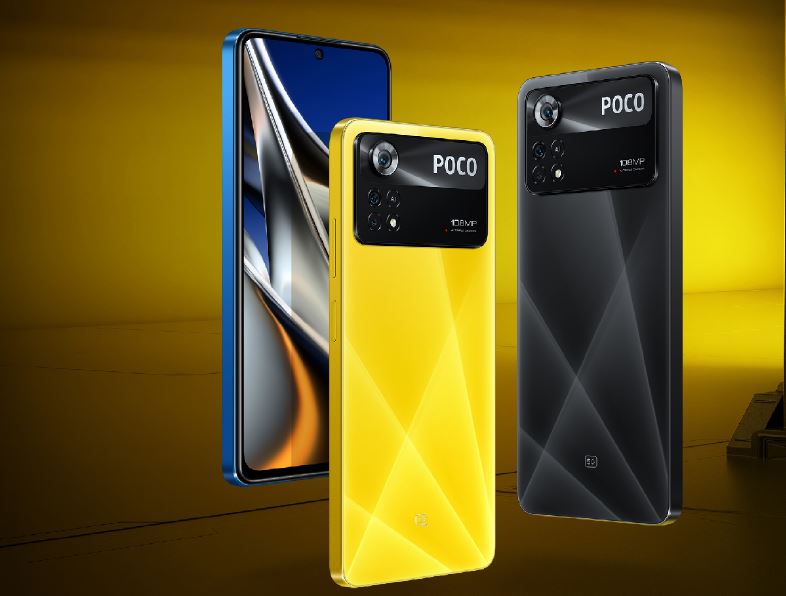
Xiaomi's POCO sub-brand has expanded its smartphone portfolio with the launch of two new budget phones. Like most POCO devices, however, the new X4 Pro 5G and M4 Pro aren't actually all-new.

Besides the slightly different design, the POCO X4 Pro 5G is identical to the global Redmi Note 11 Pro 5G — one of Xiaomi's best budget Android phones. It sports a 6.67-inch FHD+ AMOLED display with a 120Hz refresh rate, Corning Gorilla Glass 5 protection, and a 360Hz touch sampling rate.

Powering the X4 Pro 5G is Qualcomm's 6nm Snapdragon 695 chipset, paired with up to 8GB of LPDDR4X RAM and 256GB of UFS 2.2 storage. The large camera bump on the back of the phone houses a triple-lens setup with a 108MP main sensor, an 8MP ultra-wide shooter, and a 2MP macro lens.

The phone packs a 5,000mAh battery, which POCO claims can deliver over 15 hours of video playback. There's support for 67W turbo charging as well, allowing the X4 Pro 5G to be charged from 0% to 100% in a little over 40 minutes. The POCO X4 Pro 5G also comes equipped with a Z-axis linear motor, an IR blaster, a side-mounted fingerprint sensor, and a 3.5mm headphone jack.

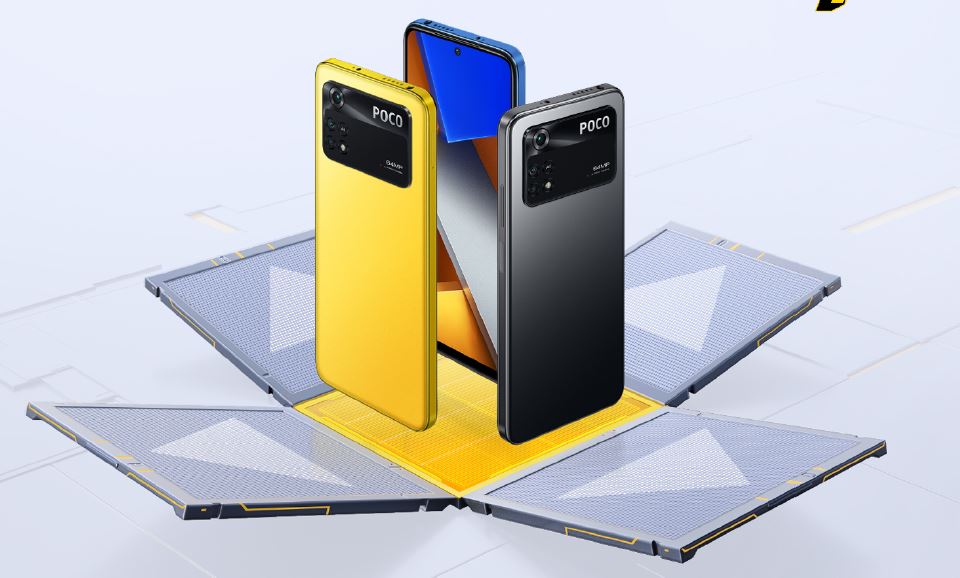
The POCO M4 Pro is largely identical to the recently launched Redmi Note 11S. The only major difference between the two is that the M4 Pro uses a 64MP main camera instead of the 108MP sensor in the Note 11S.

It sports a 6.43-inch FHD+ AMOLED display with a 90Hz refresh rate and a 16MP selfie camera housed within the centered hole-punch cutout. The phone is powered by MediaTek's Helio G96 chipset and features LiquidCool Technology 1.0 Plus to ensure it can perform smoothly even during long gaming sessions.

On the back of the POCO M4 Pro is a triple-camera setup featuring a 64MP main sensor, an 8MP ultra-wide lens, and a 2MP macro camera. Keeping the lights on is a large 5,000mAh battery with 33W "Pro fast charging."

The budget Android phone also comes with dual stereo speakers, NFC, an IR blaster, IP53 splash-proof protection, and a side-mounted fingerprint sensor. On the software front, both the X4 Pro 5G and M4 Pro run MIUI 13 for POCO, based on Android 11.

The POCO X4 Pro 5G will be available in Europe from March 2 for an "early bird" starting price of €269 for the 6GB/128GB version and €319 for the 8GB/256GB version. Like the X4 Pro 5G, POCO's M4 Pro is also set to go on sale in Europe from March 2. It will be available at an early bird price of just €199 for the 6GB/128GB version €249 for the 8GB/256GB version.


from Android Central - Android Forums, News, Reviews, Help and Android Wallpapers https://ift.tt/8sQgL4f
via IFTTT

Here's how to get all your music streaming on an Amazon Echo

Smart speakers are quickly becoming the norm for many households. People have a variety of reasons to add one to their homes, from controlling smart home devices to using them as an intercom. But perhaps the most common use is as a speaker to play audio. Whether music, podcasts, or audiobooks, smart speakers are great for listening to audio — especially Amazon Echo devices. With access to multiple music services on an Amazon Echo, you can get your favorite audio all in one place, and here's how.

How to play multiple music services on your Amazon Echo

As some of the best smart speakers on the market, Amazon Echo devices span from the high-fidelity Amazon Echo Studio to the small, but powerful Echo Dot — with many in between. Regardless of which speaker you use, connecting your favorite music services to your Alexa account will make your audio accessible to all your Echo devices.

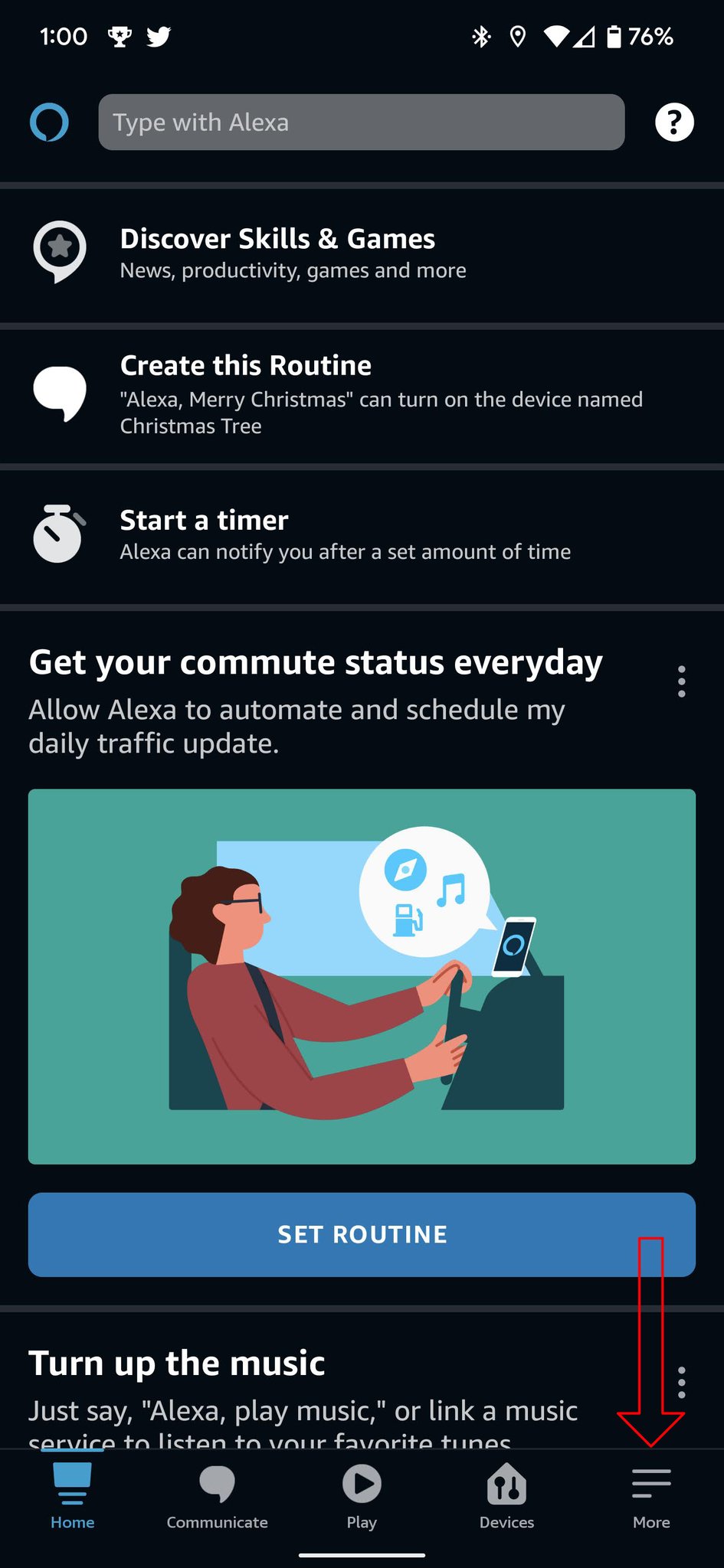
  1. Open the Alexa app on your phone.
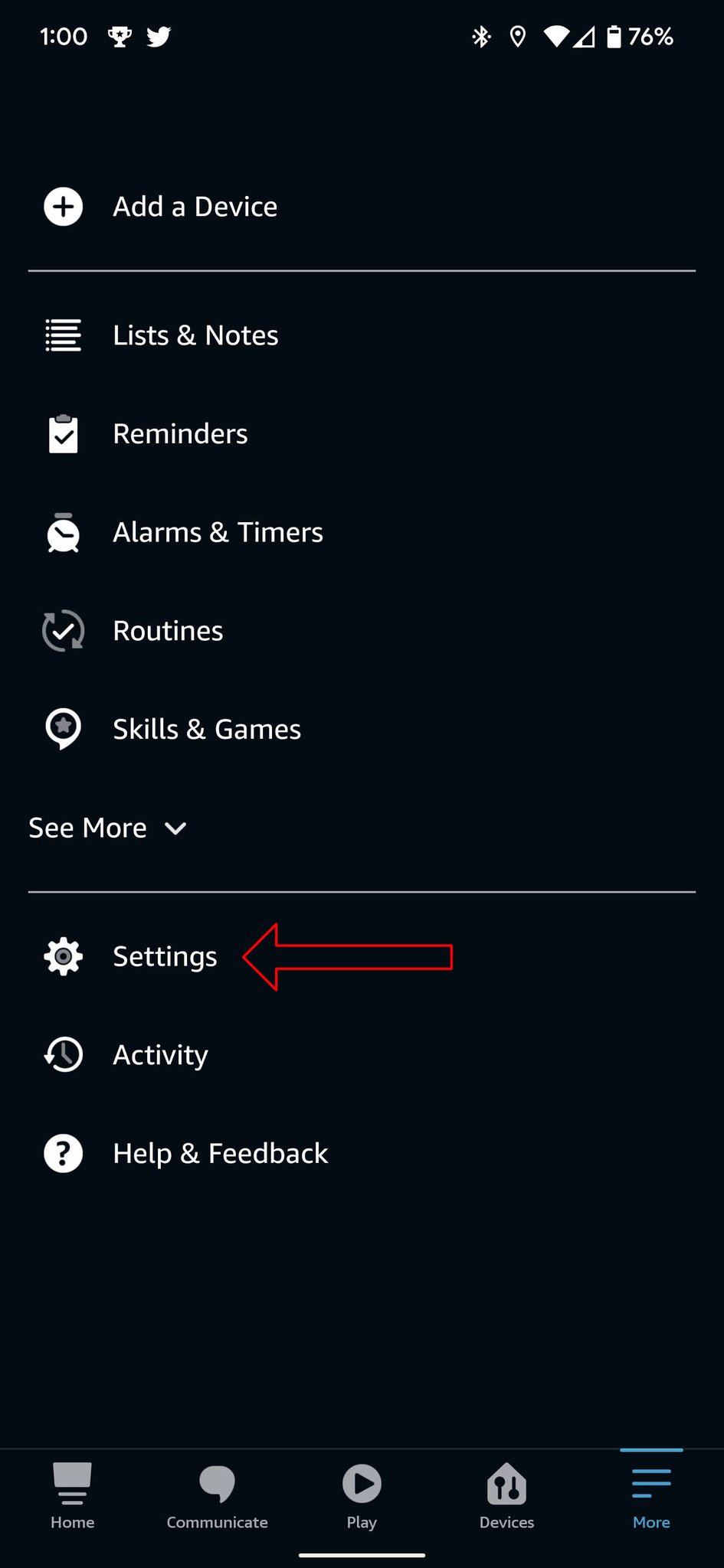
  2. Tap More in the bottom right of the screen
  3. Select ⚙️Settings
  4. Scroll down, and tap on Music & Podcasts.

  5. Select a music service from the list you want to use, and follow the instructions to sign in to your account.
  6. Click on Link New Service to add a service not showing in the initial list.
  7. Tap on Default Services to change the service that will play when you ask Alexa to play audio without specifying a service.

Setting a default service means that if you want Amazon Music to be what plays when you say "Alexa, play some music" and Spotify to play when you say "Alexa, resume my podcast" — Step 7 is where you set that up.

Listen to what you want

Streaming audio has overtaken our listening habits over the years, and having your favorite audio easily accessible from your smart speaker only makes sense. Some of the most popular smart speakers are from Amazon; its Echo devices are compatible with some of the best in streaming.

Though you can find a good number of audio streaming services on Amazon, one you won't find there is YouTube Music. For that, you'll need to check out of the many great Google Assistant speakers. Having choices is wonderful, but unfortunately, native streaming for every music service isn't available on your Amazon Echo device. But you can always connect to it using Bluetooth and play any audio you choose.

Best for most

Amazon Echo (4th gen) speaker

$100 at Amazon $100 at Best Buy $100 at Kohl's

Great sound all around

The Amazon Echo may not satisfy the most particular of Hi-Fi audio enthusiasts, but it is a fantastic smart speaker for many. The Echo does a great job across all audio, from music to podcasts.


from Android Central - Android Forums, News, Reviews, Help and Android Wallpapers https://ift.tt/nA0gFa7
via IFTTT

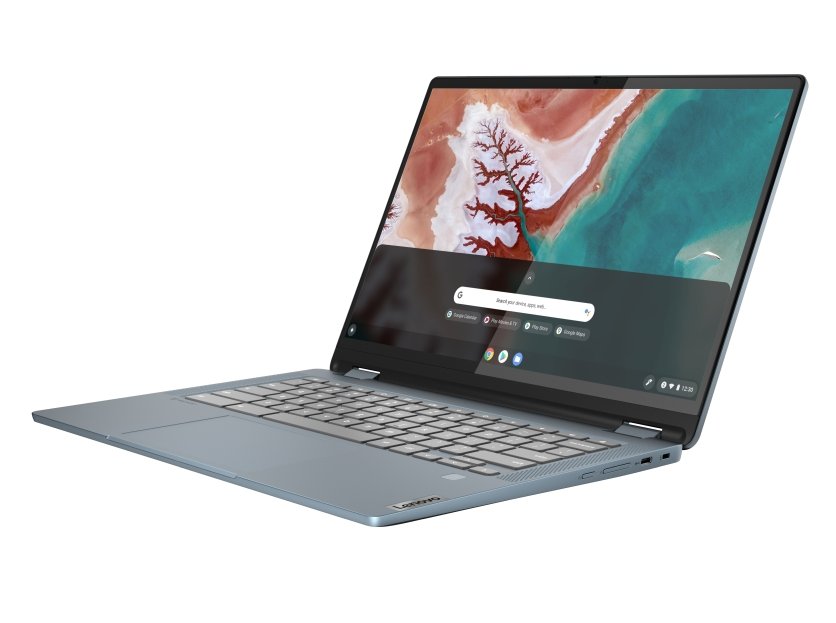
Lenovo expands IdeaPad Chromebook lineup with three new models

Lenovo's new "ultra-portable" Duet 3 Chromebook features the same Snapdragon 7c Gen 2 compute platform as the Duet 5 Chromebook Gen 6.

What you need to know

  • Lenovo has unveiled three new IdeaPad Chromebooks at MWC 2022.
  • The new IdeaPad Chromebooks are designed for "the modern home office, classroom and beyond."
  • All three models will begin shipping in the second quarter of the year.

Lenovo announced three new additions to its IdeaPad Chromebook lineup at its virtual MWC 2022 press conference on February 28. The new models are priced under $500 and bring "smarter features for less hassle."

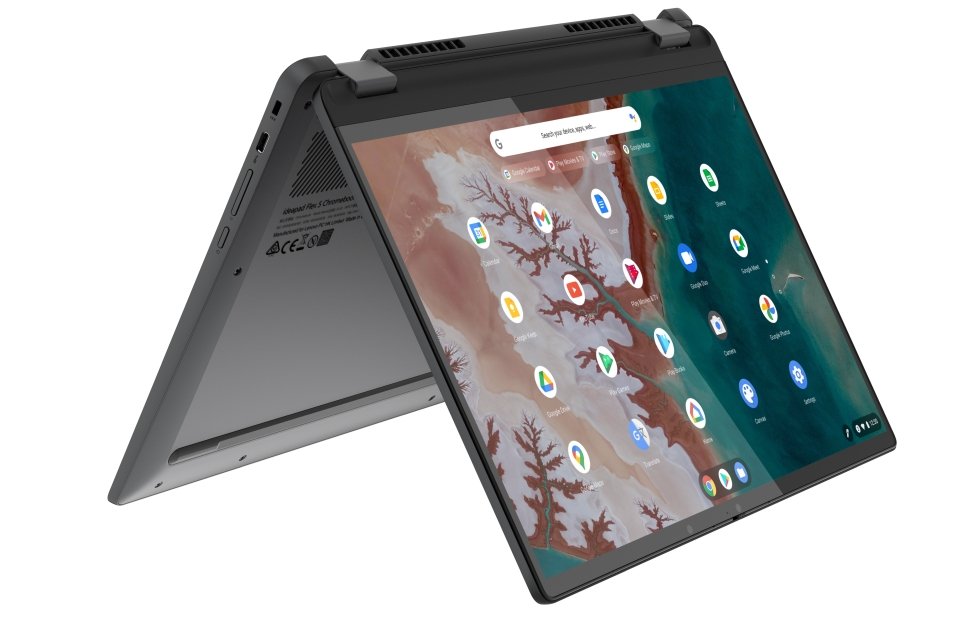
The IdeaPad Flex 5i is a versatile 14-inch Chromebook that comes equipped with Intel's latest 12th Gen processors. It features a 14-inch FHD IPS screen and can be configured with optional 400-nit brightness and 100% sRGB "treats." The screen has a 16:10 aspect ratio with minimal bezels on all sides and includes stylus support as well.

The 2-in-1 convertible Chromebook also has a 360-degree hinge, dual front-facing speakers tuned by MaxxAudio, a Full HD webcam, and a large 120mm x 75mm touchpad. As for battery life, Lenovo claims the IdeaPad Flex 5i can last up to 10 hours on a single charge. The IdeaPad Flex 5i will be available from June for a starting price of $500.

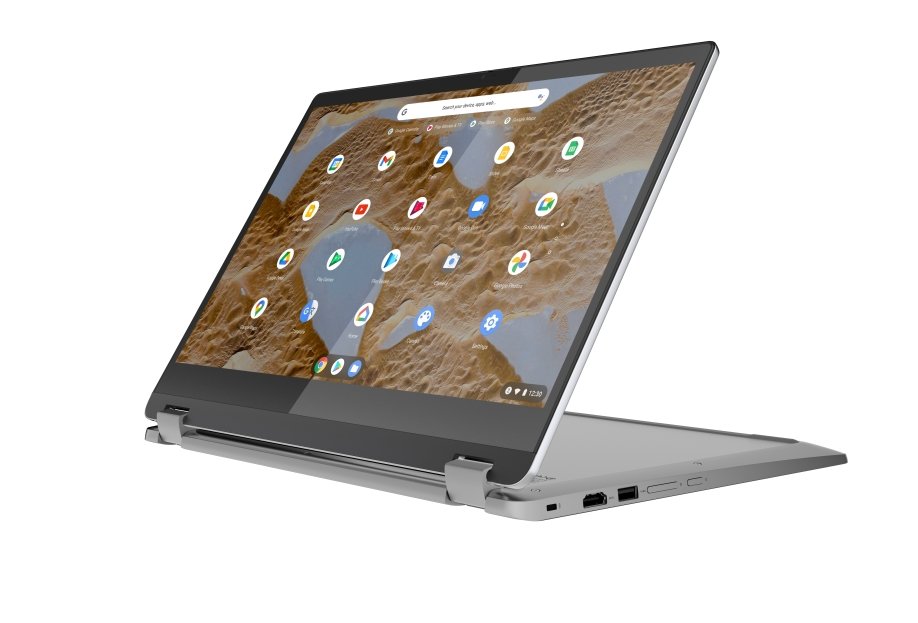
Lenovo's IdeaPad Flex 3i is designed for consumers looking for "big-time entertainment." The Chromebook features a larger 15.6-inch FHD IPS touchscreen display with user-facing speakers and a multitude of I/O ports. Powering the IdeaPad Flex 3i is Intel's Pentium Silver N6000 processor.

Other notable highlights include a spacious keyboard with a numpad, a large touchpad, and Wi-Fi 6 support. The Chromebook is claimed to provide up to 10 hours of battery life with a single charge. It is slated to go on sale in May from $400.

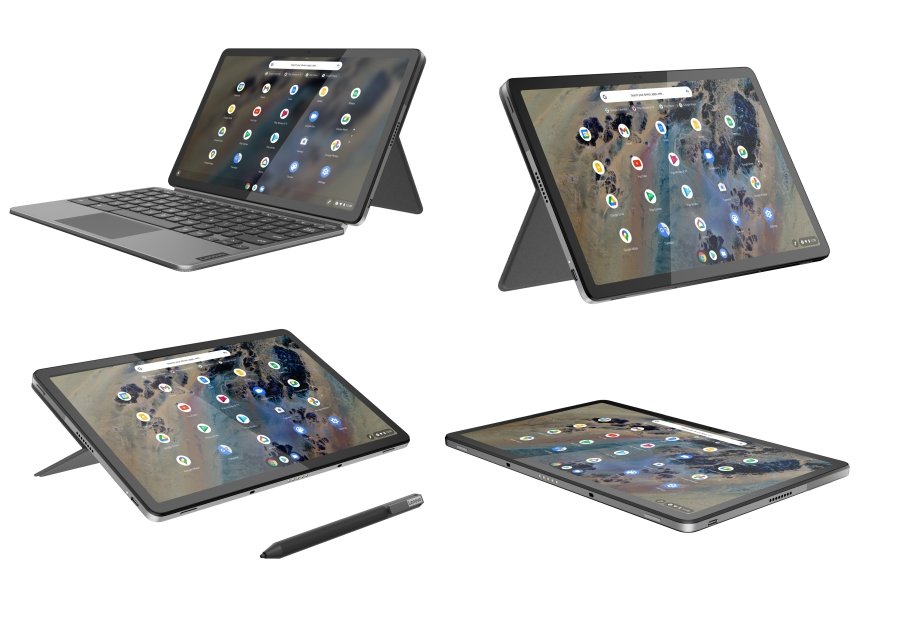
Lenovo's latest IdeaPad Chromebook lineup also includes an ultra-mobile Duet 3, featuring a 7.9mm thin body with a fanless design. The new Chromebook is actually a 2-in-1 successor to the Chromebook Duet — one of Lenovo's best Chromebooks. It is powered by Qualcomm's Snapdragon 7c Gen 2 Compute Platform, which enables up to 12 hours of streaming video.

The Chromebook also features an 11-inch 2K display with upgraded dual speakers, two USB-C ports, a 5MP front camera, an 8MP rear webcam, and a "snap-on" detachable keyboard with water-resistant keys. Lenovo is also offering an optional stylus that can be attached to the folio case. The IdeaPad Duet 3 Chromebook will also be available starting May for a starting price of $400.


from Android Central - Android Forums, News, Reviews, Help and Android Wallpapers https://ift.tt/GBMjkJh
via IFTTT

dimanche 27 février 2022

Nokia unveils three new 'premium' Android Go phones at MWC 2022

The new phones don't run Google's latest Android 12 (Go edition) out of the box.

What you need to know

  • HMD Global has announced three new Android 11 (Go edition) devices.
  • The new Nokia C21 Plus is the brand's first C series phone to feature a metal chassis and an IP52 rating.
  • The phone will go on sale in select markets "soon."

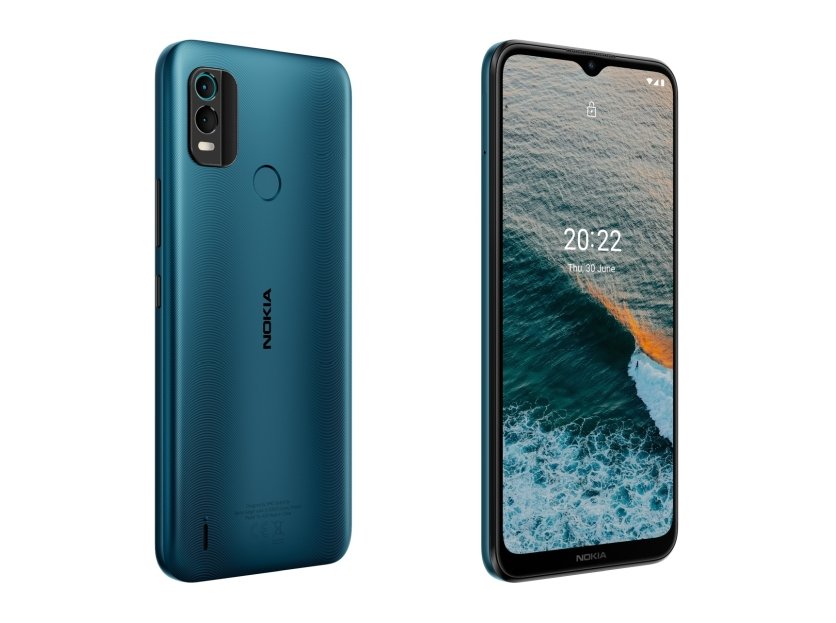
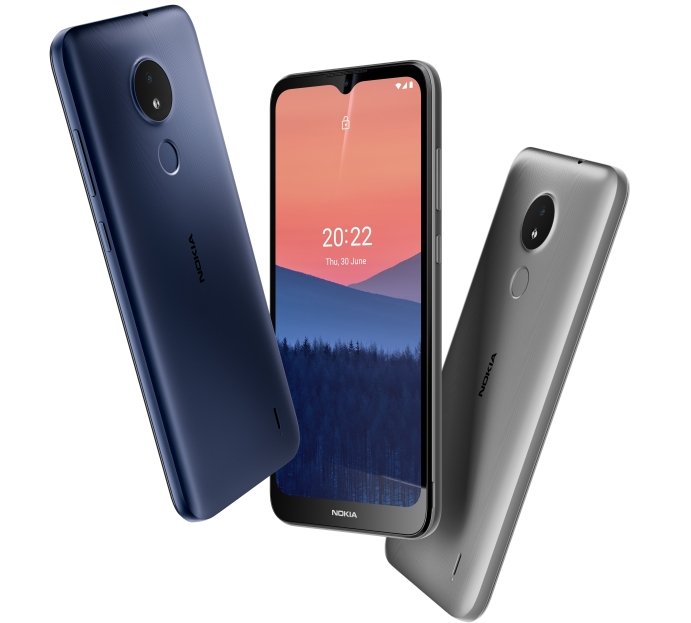
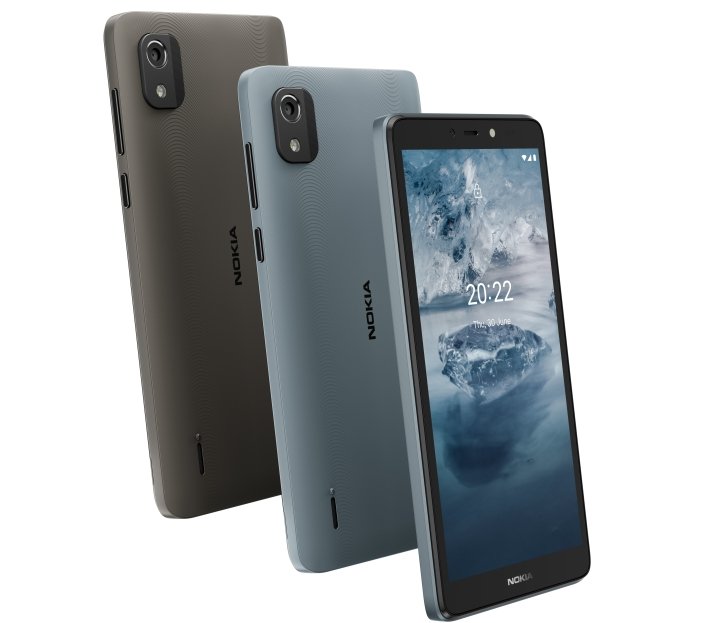
Finnish smartphone maker HMD Global has taken the wraps off three new C-series phones at its MWC 2022 event. The company's latest entry-level lineup includes the C21, C21 Plus, and C2 2nd edition.

The Nokia C21 Plus is the company's most premium Android Go device yet, featuring a metal chassis and a large 6.5-inch HD+ display protected by "toughened cover glass." It is powered by a Unisoc SC9863A octa-core chipset, coupled with up to 4GB of RAM and 64GB of storage.

The phone has a dual-camera setup on the back with a 13MP main sensor and a 2MP depth sensor. There's a 5MP selfie camera on the front with face unlock support. Keeping the lights on is a 4,000mAh battery, which is claimed to last up to two days on a single charge.

In some regions, however, the HMD Global's answer to the best Android Go phones will ship with a larger 5,050mAh battery. Both variants support only 10W charging speeds. Other notable specs include a rear-mounted fingerprint sensor, IP52 water resistance, Bluetooth 4.2, and FM radio.

HMD Global's Nokia C21 sports a 6.5-inch display with the same HD+ resolution as the Plus model. It also features the exact same chipset, but only comes with up to 3GB of RAM and 64GB of onboard storage. The phone has a dual-camera setup on the back with an 8MP main sensor. The vanilla C21 also packs a much smaller 3,000mAh battery and only support 5W charging.

The Nokia C2 2nd edition is a follow-up to the Nokia C2 that HMD Global launched in Q1 2020. Like the new C21 series phones, the C2 2nd edition has a metal chassis that makes it more durable than its predecessor. The rest of its specs sheet, however, isn't very impressive.

The phone has a 5.7-inch screen with 480 x 960 pixels resolution. It features a single 5MP camera on the back and a 2MP selfie camera on the front. Keeping the lights on is a 2,400mAh battery with 5W charging. Under the hood, it has an unnamed quad-core chipset clocked at 1.5GHz.

The chipset is paired with up to 2GB of RAM and 32GB of storage. All three phones run Android 11 (Go edition) and are promised to receive two years of quarterly security patches. Unfortunately, no info on pricing or availability has been revealed yet.


from Android Central - Android Forums, News, Reviews, Help and Android Wallpapers https://ift.tt/QF7lnxA
via IFTTT

TCL beefs up its budget phone lineup with new 30-series models at MWC 2022

The new models join their U.S.-only siblings announced at CES last month.

What you need to know

  • At MWC 2022 today, TCL announced five new additions to its 30-series smartphones with a focus on affordability.
  • The TCL 30, 30 SE, and 30+ are available to purchase in Europe now, while the 5G and 30 E models will arrive in April.
  • TCL is selling the cheapest variant for €139 while the 5G model will cost €249.

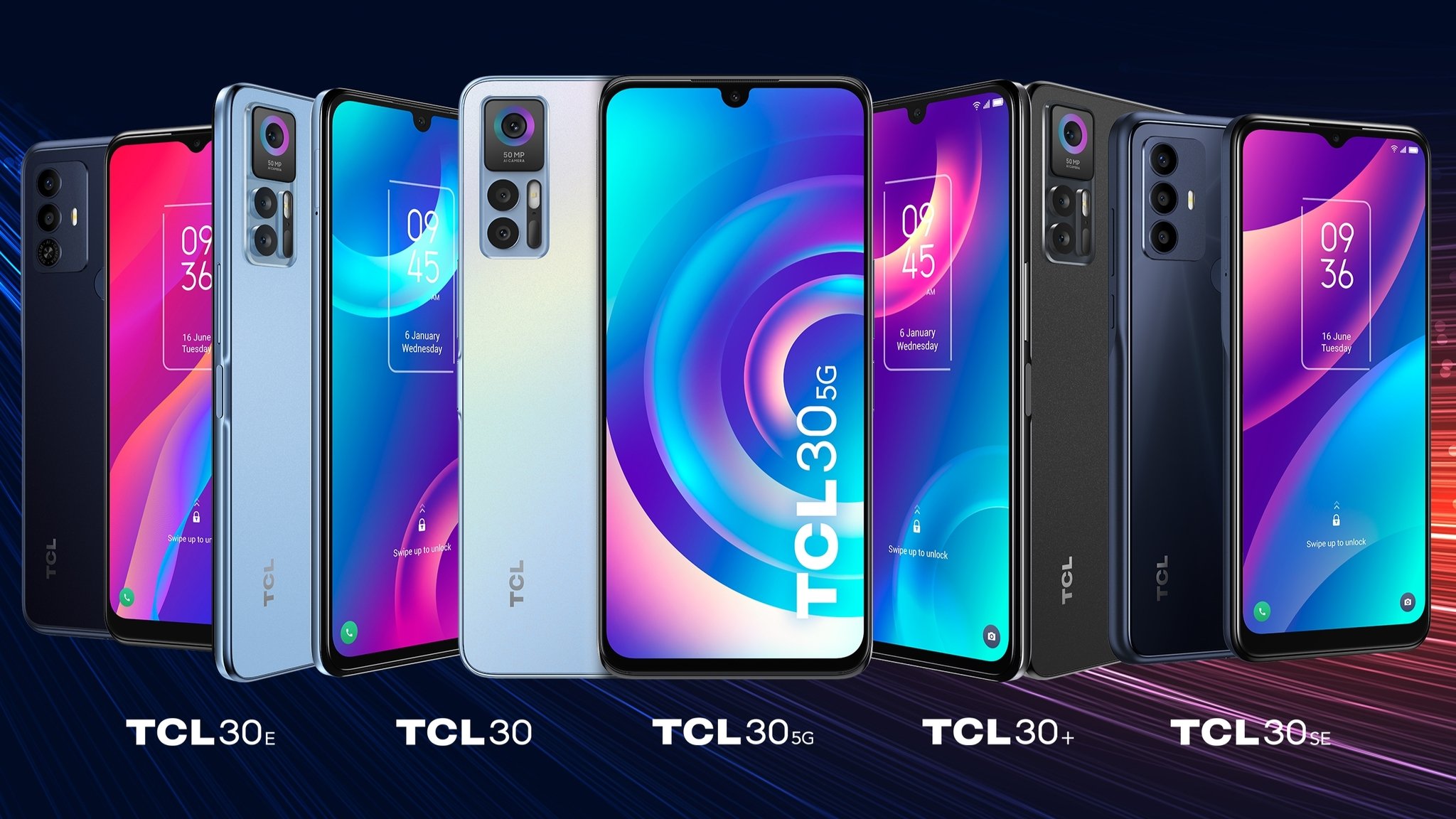
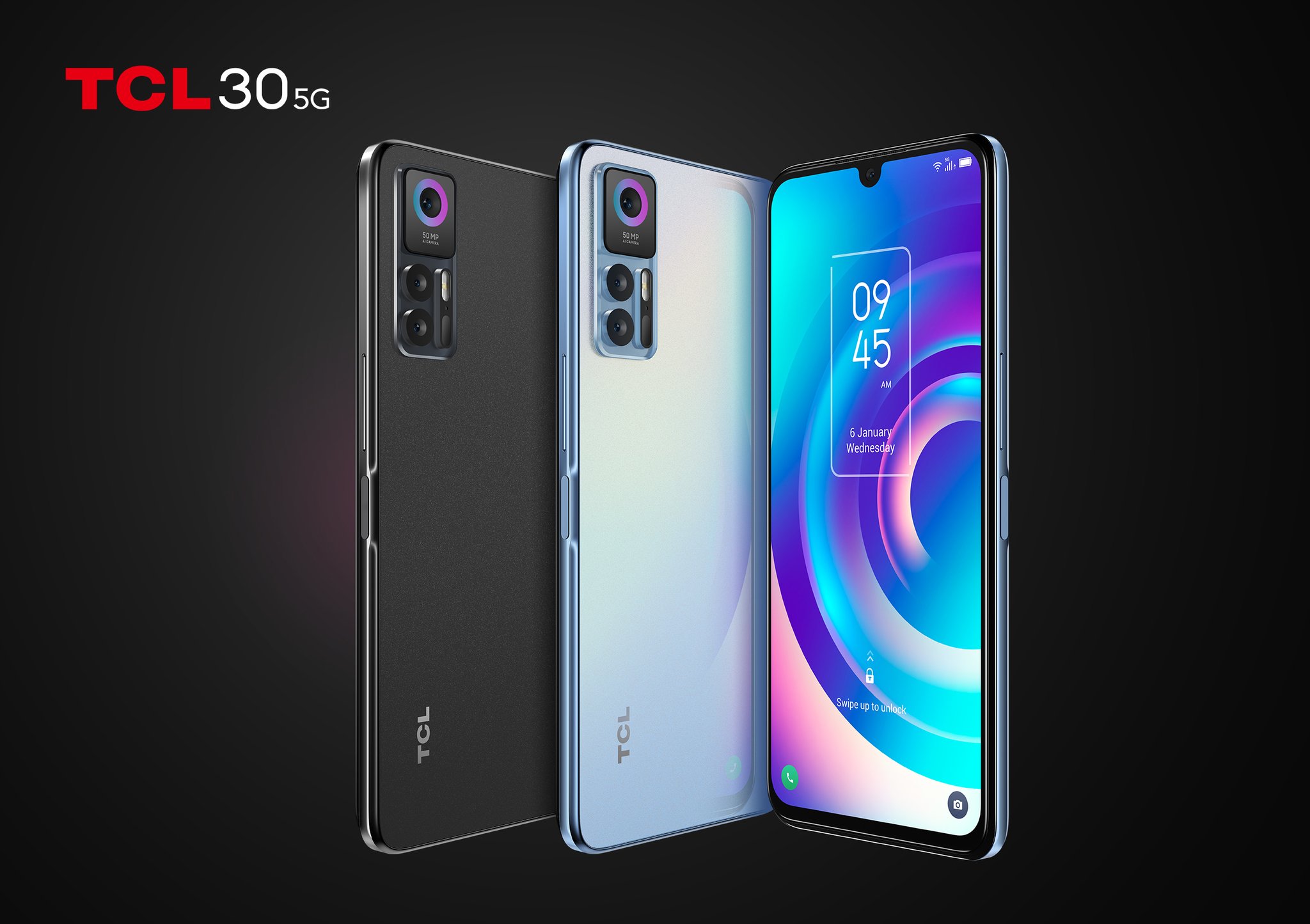
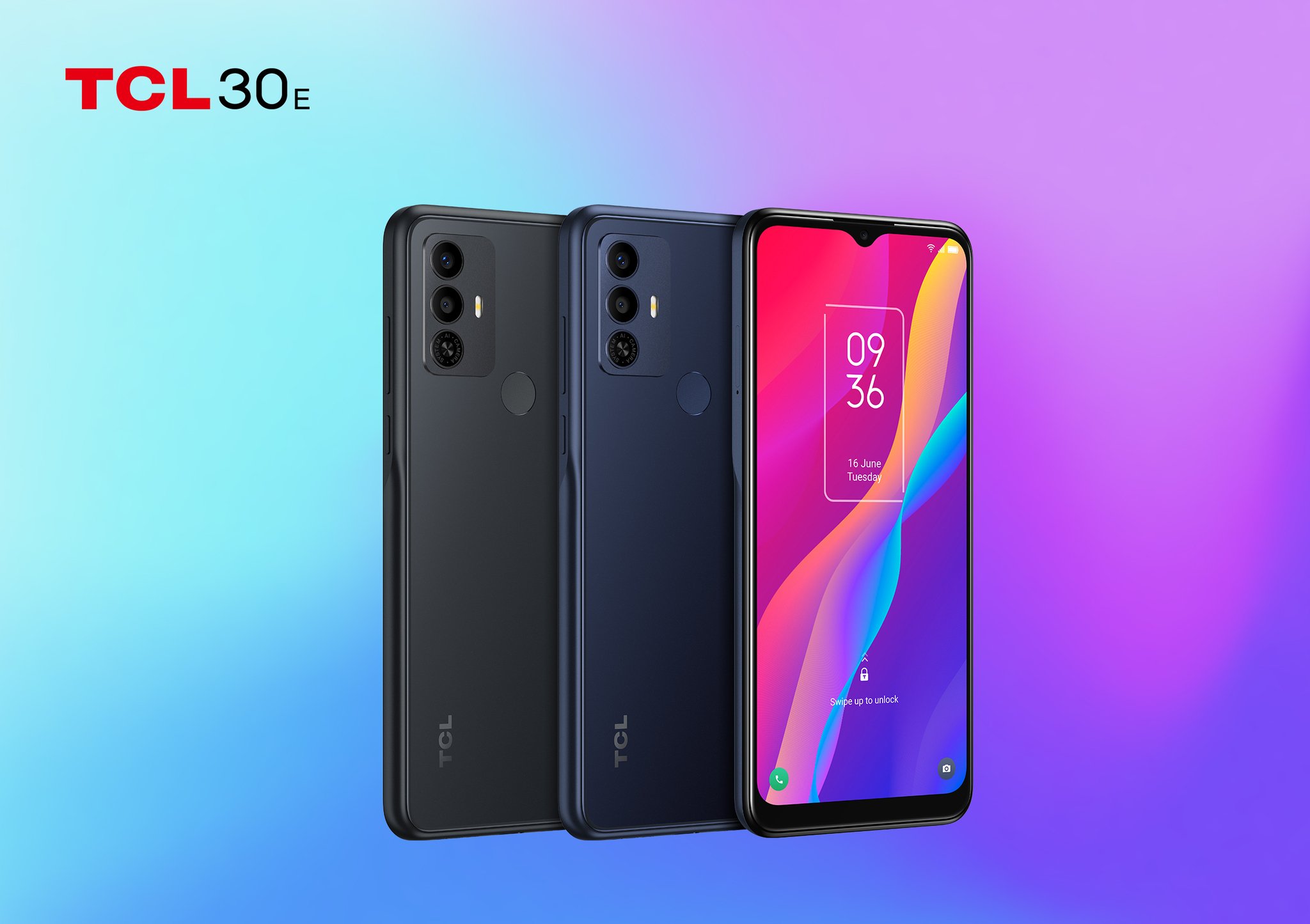
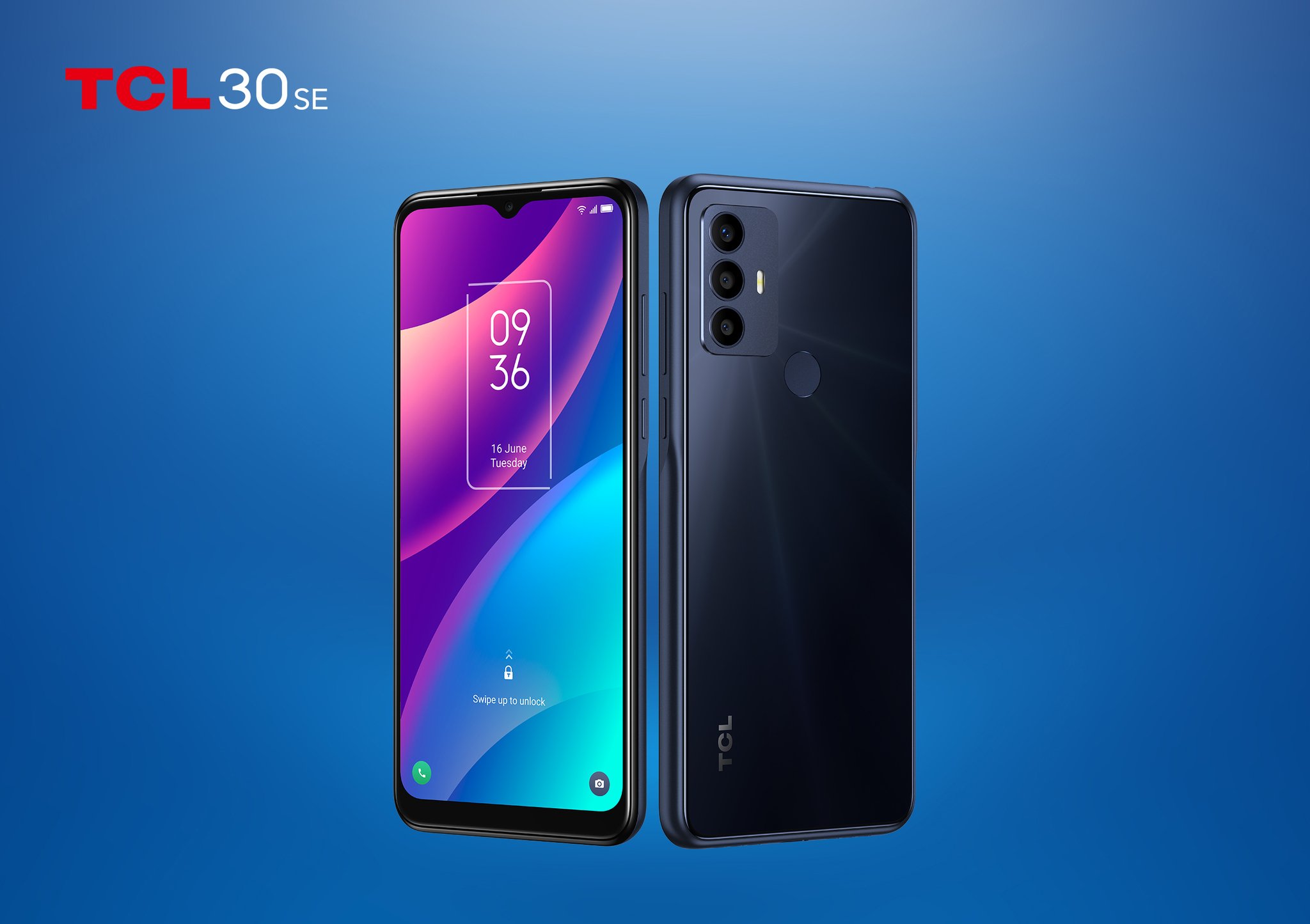
TCL unveiled the rest of the 30-series lineup today at this year's Mobile World Congress, joining the TCL 30 XE 5G and TCL 30 V 5G, which were launched exclusively in the United States last month. The TCL 30 5G, 30+, 30, 30 SE, and 30 E all include the company's NXTVISION display technology as well as a host of other features that should give the other best budget Android phones a run for their money.

The TCL 30 5G has the most advanced specs of the bunch. It is powered by MediaTek's Dimensity 700 chipset and equipped with a 6.7-inch 1080p AMOLED display. TCL's NXTVISION technology should also improve the phone's display by adjusting color, contrast, and sharpness based on on-screen content.

Meanwhile, TCL uses a MediaTek Helio G37 on the vanilla TCL 30 and 30+, as well as Helio G25 on the TCL 30 E and SE. The displays on the regular and Plus models are the same as on the 5G variant, while the TCL 30 SE and 30 E have a 6.52-inch 720p display.

The display of each model has a notch in the top center, which houses a 13MP ultra-wide camera for both the TCL 30 5G and 30+. The regular and SE models, on the other hand, have an 8MP front camera, while the 30 E variant has a 5MP selfie snapper.

All models include a 50MP AI triple camera setup on the back, except for the 30 E version: the cheapest model has a dual rear camera comprising a 50MP main sensor and 2MP depth sensor. The triple camera modules also include both 2MP macro and depth sensors alongside the main shooter.

Keeping the lights on is a 5,010mAh battery on the regular, Plus and 5G variants, with support for 18W fast charging. Meanwhile, the 30 SE and E models pack a 5,000mAh battery unit.

The new smartphones run TCL UI 4.0 based on Android 12. TCL says the Muse Blue and Tech Black colors are available for the 30+ and vanilla 30 models, while the Dreamy Blue and Tech Black colors are available for the 5G variant. The TCL 30 SE and 30 E are available in two colors: demure Space Grey and rich Atlantic Blue. Glacial Blue is another color option for the 30 SE.

In terms of availability, you'll have to wait a bit longer to get your hands on the 5G and E models, which will arrive in Europe in April for €249 and €139, respectively. That said, you can now purchase the TCL 30+ in the region for €199, the regular variant for €179, and the SE model for €149.

All models will be rolled out in select regions at a later date, though prices will vary by country.


from Android Central - Android Forums, News, Reviews, Help and Android Wallpapers https://ift.tt/k1PfEAz
via IFTTT

Ukraine has helped the tech industry, but Big Tech hasn't helped Ukraine

Android Central's discussion of politics mostly centers on legislation targeting major tech companies hosted in a few countries like the U.S., China, and Korea. It isn't the proper forum to discuss the current Russian invasion of Ukraine, as we can't do the topic justice. But a recent tweet thread from Forbes Ukraine tech editor Mike Sapiton opened my eyes to how much of an impact the Ukrainian people have had on the tech world.

Without any malice or conscious bias, I never gave much thought to Ukraine as a "tech country" or realized that many of the apps, games, and tech we use daily stem from Ukrainian innovation and ingenuity. And with that realization, I wanted to use this week's Editor's Desk to highlight and honor the brands and people who have impacted our lives and happiness without our — or at least my — realizing it.

Sapiton's thread highlights two major apps everyone knows: WhatsApp and PayPal, founded by two Ukrainian-American emigrants, Jan Koum and Max Levchin. The Odessa-based Readdle mostly makes Apple apps but did make popular Android email app Spark. And if you use Grammarly to clean up your work, you're not alone; the AC editors use the AI-based editor to catch (most of) our typos.

He also notes how Ukrainians have worked behind the scenes on the technology behind Amazon's popular Ring cameras that protect your home, as well as some Snapchat filters.

But Sapiton only scratched the surface. I didn't know, for instance, that Ukrainian developer Dmitriy Zaporozhets co-founded GitLab, an open-source repository developer tool I used in my old job as an e-book dev. And many major tech companies have Kyiv offices, including Google, Microsoft, IBM, Meta, Amazon, and many others.

Console and mobile gamers also owe many hours of entertainment to Ukrainian-based companies. Kyiv-based GSC Game World is currently developing S.T.A.L.K.E.R 2: Heart of Chernobyl, and recently took to Twitter to ask fans of its games to support the Ukrainian Armed Forces. Russia's recent occupation of Chernobyl isn't something the developers could ever have anticipated.

Windows Central highlighted a long list of other studios either based in Ukraine or with offices there, including Ubisoft, 4A Games (Metro: Exodus), Frogwares (Sherlock Holmes), Wargaming (World of Tanks), and Plarium (Raid: Shadow Legends). In terms of Android, AB Games makes some of the most popular hidden object games like Hidden City, which currently has over a million reviews on the Play Store.

Tech is political, whether we like it or not

Google Maps satellite feed showing Russian Troop movements

Even if they're not based in Ukraine, the most well-known tech companies' decisions will impact the nation in significant ways, for better or worse and sometimes by accident.

Google outlined its Ukraine strategy to combat misinformation, block cyberattacks, and provide free ads requesting aid for Ukraine. It also recently promised to demonetize and stop recommending Russian state-run channels on YouTube; Reuters reports state-run videos from RT and others generated tens of millions of dollars in ad revenue in the past, and that Russia frequently bought ads for its videos to reach a wider audience. And Business Insider reports that people used Google Maps' real-time tracking to follow Russian troops' movements, hours before Putin announced the attack.

Meta, which has rightfully faced criticism for its moderation efforts in the past, refused to stop independently fact-checking Facebook posts in Russia, leading to the country restricting Facebook within its borders. But like Google, Meta only just blocked Russia from freely running its ads or monetizing its content on Facebook.

Twitter Support announced that "We're aware that Twitter is being restricted for some people in Russia." The same likely applies to most social media and news aggregate sites, as Russia aims to block its citizens from seeing pro-Ukrainian content.

MWC 2022 banned Russian companies in response to the invasion, while most major cellular companies offered free long-distance calls to Ukraine to contact loved ones.

Meanwhile, Ukrainian politicians have asked tech companies like Apple to join in on Russian sanctions by blocking their services in Russia. Ukrainian Vice Prime Minister Mykhailo Fedorov tweeted that he had asked Tim Cook to block the App Store there, which isn't likely to happen. iMore has reported on Apple's humanitarian efforts in Ukraine, however.

In most instances, the Big Tech companies have started to "help" Ukraine by either giving away free services or reversing policies that enabled Russia's policies and misinformation for years. When Putin claims that he is invading Ukraine to "denazify" it, he could use Google and Facebook to push that message up until a couple of days ago.

It's unlikely Google, Apple, or any other company will completely burn its bridges with Russia unless forced by political forces in the United States or European Union to do so — as it would dry up a source of revenue. Up until now, they have accepted operating within the confines of different countries' political restrictions — most notoriously evidenced by Apple's secret $275 billion deal with China.

But the Russian invasion of Ukraine has brought an unflattering spotlight onto tech companies' laissez-faire approach to enabling "controversial" regimes. Autocrats demand companies give them the tools to push their propaganda and block the free flow of information as the cost of admission. And by and large, companies comply, only cutting back on the enabling and profiteering now that the public eye is on them.

Focusing on people, not businesses

In times like this, I find it hard to give a crap about the business and politics driving tech companies' actions, as they scramble to look principled in some territories and compliant in others to avoid threatening their assets. It's too little, too late for the Ukranian people to change their policies now.

Instead, I can't help but watch the news coming from Ukraine and think of all those tech gurus that spent their days developing apps and services I use every day. Some even worked in the satellite offices of companies that profited millions from Russian ads. Now, those same techies are taking up machine guns or hunkering down in shelters.

It kills me that there's nothing I can do for those men and women except to give my overdue gratitude for making my life a little better. And hope against hope that their lives can go back to normal soon.



from Android Central - Android Forums, News, Reviews, Help and Android Wallpapers https://ift.tt/6G1uL5A
via IFTTT