LightBlog

lundi 1 novembre 2021

Redmi Smart Band Pro is here with a 1.47" OLED screen, 110+ workout modes

The new Redmi fitness band is very similar to the Xiaomi Mi Band 6.

What you need to know

  • Xiaomi's Redmi sub-brand has rolled out a new budget fitness tracker called the Redmi Smart Band Pro.
  • It comes with a 1.47-inch AMOLED display, a PPG heart rate monitor, and a SpO2 sensor.
  • Redmi has also unveiled an affordable smartwatch called the Redmi Watch 2 Lite.

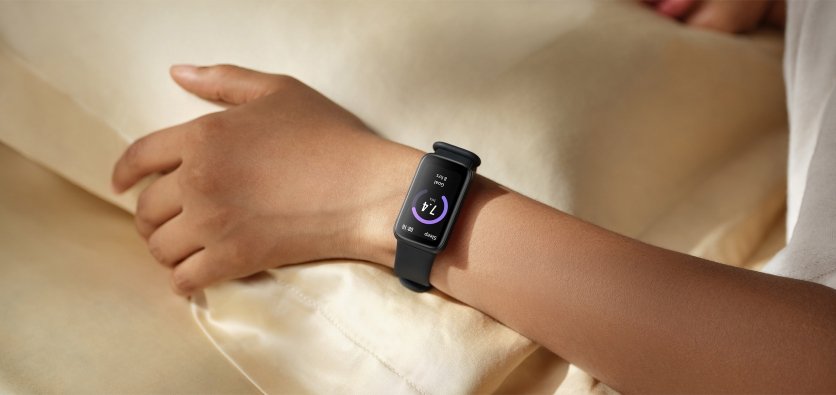
Redmi, which launched its first-ever fitness tracker last year, has now introduced a new device that has the specs to give the best cheap fitness trackers a run for their money. The new Redmi Smart Band Pro comes with nearly all the features that you'd find in Xiaomi's Mi Band 6 — including a bright AMOLED screen and blood oxygen monitoring.

The new Redmi Smart Band Pro has a 1.47-inch AMOLED screen with a 66.7% screen-to-body ratio and Always-on display support. The body of the fitness tracker is made using polycaprolactam, which is further reinforced using glass fiber.

Redmi's latest fitness tracker comes with over 110 fitness modes — including outdoor running, hiking, trekking, indoor cycling, yoga, and treadmill. It also features 24-hour heart rate monitoring, SpO2 tracking, sleep quality tracking, and stress level monitoring.

When it comes to battery life, Redmi claims the Smart Band Pro can last up to two weeks on a single charge. With the Power Saving mode enabled, you can expect it to provide up to 20 days of battery life. Similar to Xiaomi's best fitness trackers, the Redmi Smart Band Pro can be easily charged with a small magnetic cable.

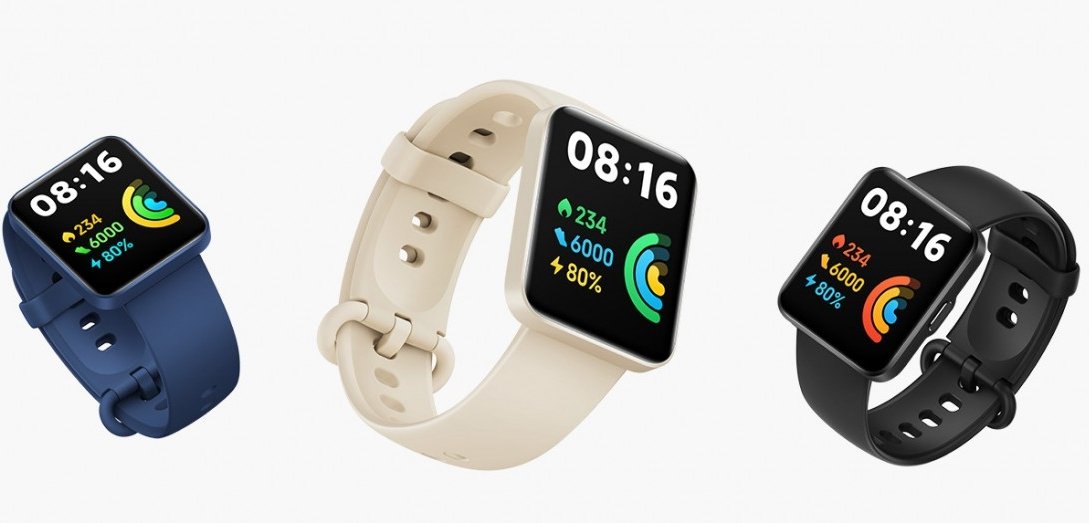
The Redmi Watch 2 Lite is a more affordable version of the Redmi Watch 2 that the company unveiled alongside the Redmi Note 11 series phones last week. It comes with a 1.55-inch 320 x 360 resolution TFT screen, 5 ATM water resistance, Bluetooth 5.0 support, an optical heart rate sensor, built-in GPS, and a 262mAh battery claimed to deliver up to 10 days of usage.

There's no word on pricing or availability yet, but we expect both wearables to go on sale in markets such as India very soon.

Mi Band 6

$44 at Amazon $57 at Walmart

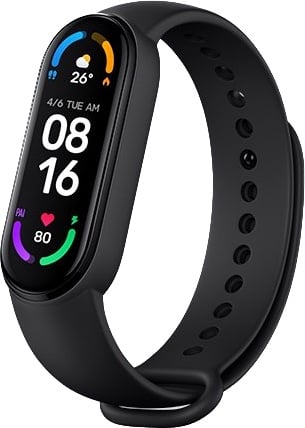
The Mi Band 6 is an impressive fitness tracker that offers great value, a large AMOLED display, and stellar battery life. In addition to extensive activity tracking features, it also features stress monitoring and a SpO2 sensor for blood oxygen monitoring.


from Android Central - Android Forums, News, Reviews, Help and Android Wallpapers https://ift.tt/3w6vWat
via IFTTT

Samsung and Google's Wear OS 3 secrecy has foiled its success this year

Despite the excitement back in early summer, 2021 will go down as yet another ho-hum year for Google's Wear OS platform. It didn't have to be this way, but Google seems to have some grand last-ditch effort planned that few know about — except for Samsung — and quite honestly, I've given up hope that Google will ever get things right at this point.

The unfortunate thing is that everything was lined up in Google's favor this year. The announcement and subsequent launch of the Galaxy Watch 4 reignited a flurry of interest in smartwatches on Android and has proven that Android users want a good smartwatch. It's just a shame that Samsung is still reserving some features only for people who use its smartphones.

The Apple Watch Series 7 is yet another boring, derivative update to Apple's already bland-looking square smartwatch and shows that, while Apple absolutely nailed the software and UX, the company is largely coasting on its success and monopoly within its own ecosystem.

But Google and Samsung seem to have made a rather alarming backroom deal that favors the Korean tech giant and has doomed the successes of Google's once-many hardware partners in the process.

Send us a savior
Wear OS 3, by most accounts, has been hailed as the savior of Android smartwatches. But the way Google has handled it, in partnership with Samsung, is proving to be a trainwreck in slow motion. Instead of debuting on the best Android smartwatches right away, Google partnered with Samsung on the Galaxy Watch 4 to give Samsung a roughly 6-month exclusive window to the latest OS update.

Wear OS's continuity across watch hardware used to be a strength. Ultimately, it's become the platform's greatest crux.

The reason for this is, almost assuredly, that Samsung has been the one carrying the torch for Android smartwatches. While that may be true on the sales front, there are plenty of non-Samsung users in the Android ecosystem. Wear OS 3 on Samsung's watches was a huge step in making them more usable on non-Samsung Android phones, but it's still an experience with limitations that shouldn't exist.

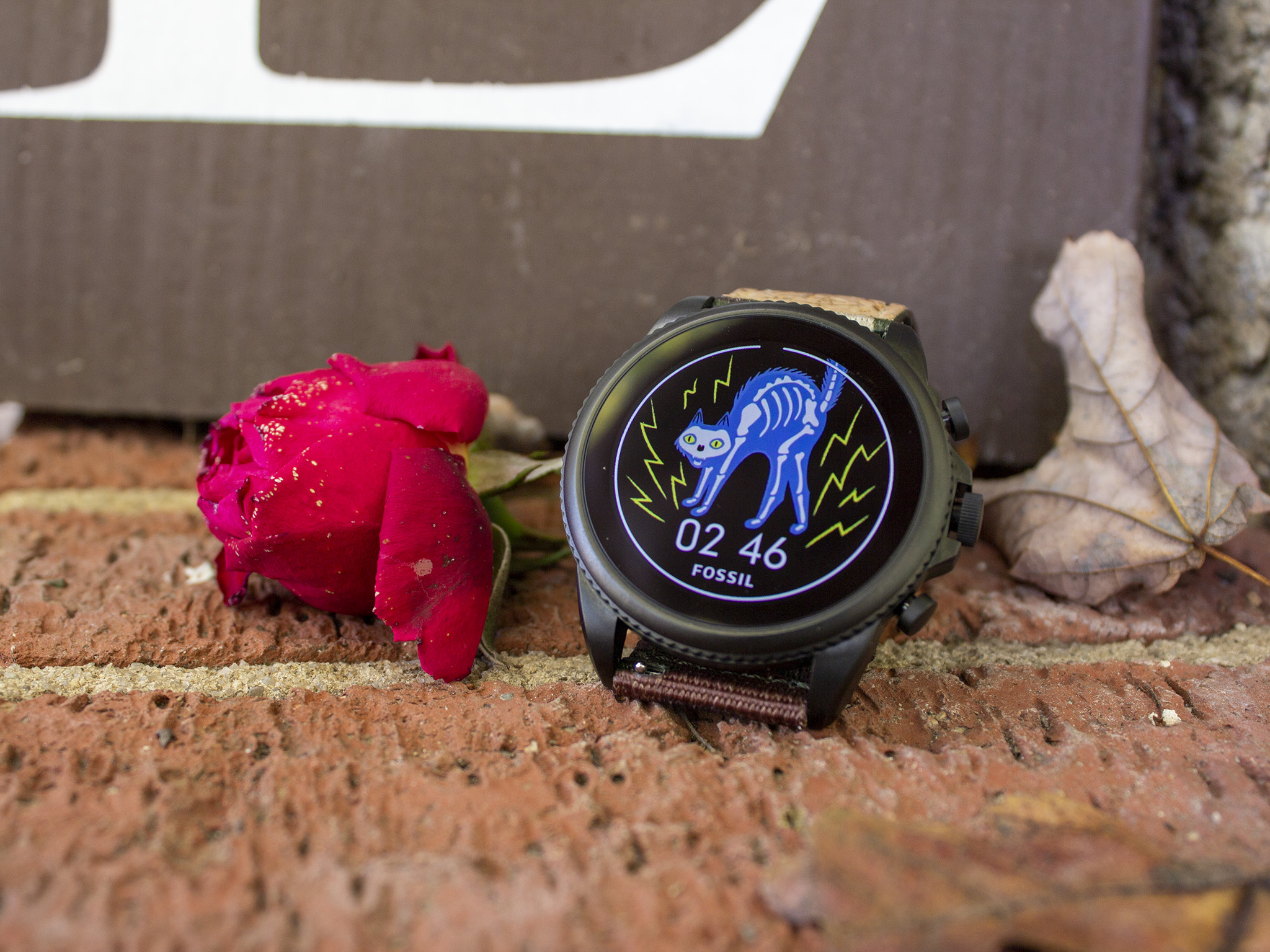
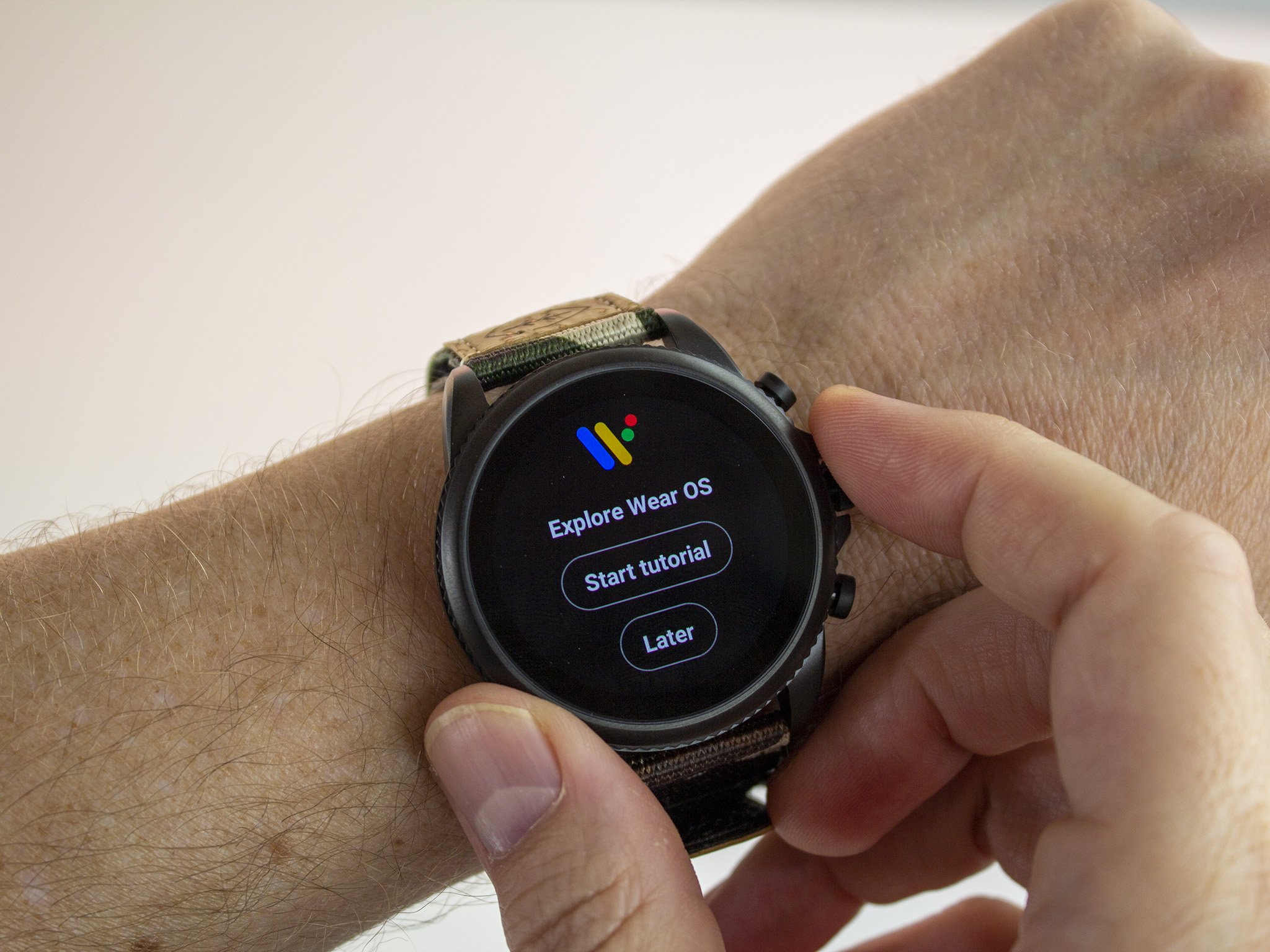
This is exactly why Google should have brought other players in from the get-go. As it stands, watches like the Fossil Gen 6 are unnecessarily hampered by a conspicuous lack of the latest OS — a bullet point on a spec list that looks awful by any metric.

What was once a strength of the Wear OS platform has become its biggest crux. That being, all Wear OS-powered smartwatches ran the same OS, with the same features and, primarily, the same look. No manufacturer could customize the OS in any meaningful way, although Google did allow slight color scheme modifications after some years.

Because of that, it made little sense to release a Pixel Watch when the only differentiating factor would be the hardware, as Chris Wedel put it in a recent article calling for Google to release the Pixel Watch already.

So while the timing would have been perfect, it seems Google had a bit more up its sleeve when it made a deal with Samsung over Wear OS 3 and its co-development.

Google's shady backroom deal with Samsung kept its other hardware players in the dark.

As former editor-in-chief Daniel Bader mentioned on Android Central podcast episode 542, we were made aware that Google and Samsung worked secretly on Wear OS 3 up until the public announcement at Google I/O 2021.

This source informed us that non-Samsung vendors, such as Mobvoi and Fossil, were not made aware of the new update until that public announcement. We've since contacted Mobvoi and Fossil, but neither company was willing to comment on the information given to Android Central.

Google's big gamble on 2022
All this spells something big on the horizon for Google. The company just launched the Pixel 6 and Pixel 6 Pro, two phones with massive design changes from their predecessors and the first time Google used its own silicon in a phone.

Google is putting the pieces in motion for a massive smartwatch resurgence in early 2022.

Couple that with the announcement of Android 12L — a special flavor of Android specifically designed to enhance the tablet and foldable device experience — which is set to launch early next year along with "the next wave of foldables," as Google specifically put it.

Given that no Wear OS watch manufacturer has yet to confirm a specific launch date for Wear OS 3, it's highly likely that we won't see any of these watches ship a major update until early 2022. The magic six-month exclusivity window that Samsung seems to have netted itself also aligns nicely with the next big moves Google is making with Android and its following hardware, the Pixel Fold.

This takes us to a place I'm rather tired of hearing about but, unfortunately for my sanity, makes the most sense: a Pixel Watch will launch sometime early next year alongside (or near) the time that Wear OS 3 arrives on the rest of the watches from Mobvoi and Fossil.

But where does that leave Wear OS users right now? Floundering in the mud, of course, and it's sad to see Google treat its devoted users this way. Hoping for a New Years Resolution seems like a far-flung star that we've wished on for years, but, ultimately, it's all we've got right now.

While there's no real direct competition between Apple and Google in the watch segment — they are, of course, mutually exclusive to each OS — there's little doubt that Google has lost customers because of its wearables apprehension. So while 2021 could have been the breakthrough year for Wear OS 3 if Google played it right, 2022 seems like a decent second chance. And, hey, maybe Google will even have some juicy new Wear OS 3 FitBit tidbits to grace its users with.

Don't let us down, Google.



from Android Central - Android Forums, News, Reviews, Help and Android Wallpapers https://ift.tt/3BzVYE8
via IFTTT

OxygenOS 11 bug on OnePlus 6/6T makes WhatsApp unusable

OnePlus 6 and 6T users are not able to download any media on WhatsApp or access existing photos and video.

What you need to know

  • An OxygenOS 11 bug is affecting WhatsApp on the OnePlus 6 and 6T.
  • The bug blocks media from being downloaded, and a reset doesn't solve the issue.
  • OnePlus hasn't detailed when a fix will be available.

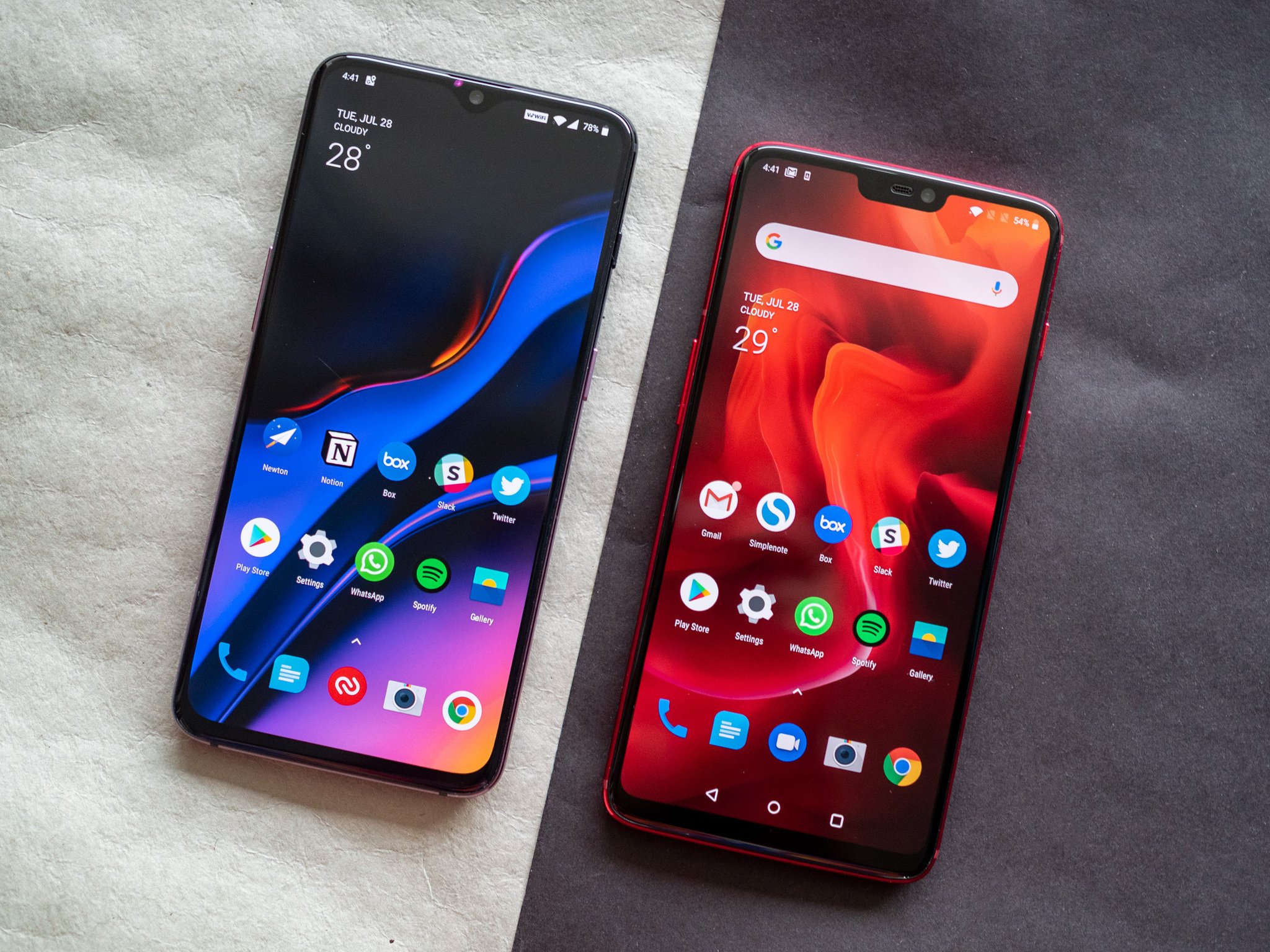
The Android 11-based OxygenOS 11 stable build launched nearly a year ago, and it made its way to the best OnePlus phones, including the OnePlus 8, OnePlus 7, and the Nord series. OnePlus also said it would roll out the update to the OnePlus 6 and 6T, making Android 11 the third platform update for these phones.

It took a long time as OnePlus had to work through a litany of issues, but the OxygenOS 11 stable build is now making its way to the OnePlus 6 and 6T. While that's welcome news, the build has a particular bug that makes WhatsApp unusable. After switching to OxygenOS 11 on the OnePlus 6T, a family member was unable to download any media from WhatsApp — including older photos and videos that are already stored on the phone — so I asked them to back up to Google Drive, uninstall the app, and start over.

But that wasn't possible; when they tried to get the chat history backed up to Drive, it failed. So I suggested they reset anyway and use the last local backup from three days ago. This didn't solve the issue, as they're unable to download media even after starting from scratch. Turns out this is a known issue in OxygenOS 11 on the OnePlus 6 and 6T, and based on several forums threads, the issue started a few weeks ago as more and more devices switched over to the OxygenOS 11 stable channel.

The fact that a core feature of WhatsApp has been broken on these devices for such a long time is incredulous, and OnePlus needs to address this issue. There's no timeline for a fix at the moment, but I reached out to OnePlus and will update the post once I know more.


from Android Central - Android Forums, News, Reviews, Help and Android Wallpapers https://ift.tt/3w4IMGf
via IFTTT

5 reasons to get the Pixel 6 Pro instead of the regular Pixel 6

Google's first 'flagship' phone is a bit more expensive, but the price premium over the regular Pixel 6 could be worth it.

Everyone's smartphone needs are different. Not everyone likes big phones. Not everyone needs the very best camera or multi-day battery life or quick charging. But depending on your situation and your priorities, there are plenty of reasons why upgrading to the Google Pixel 6 Pro instead of the base model Pixel 6 might make sense.

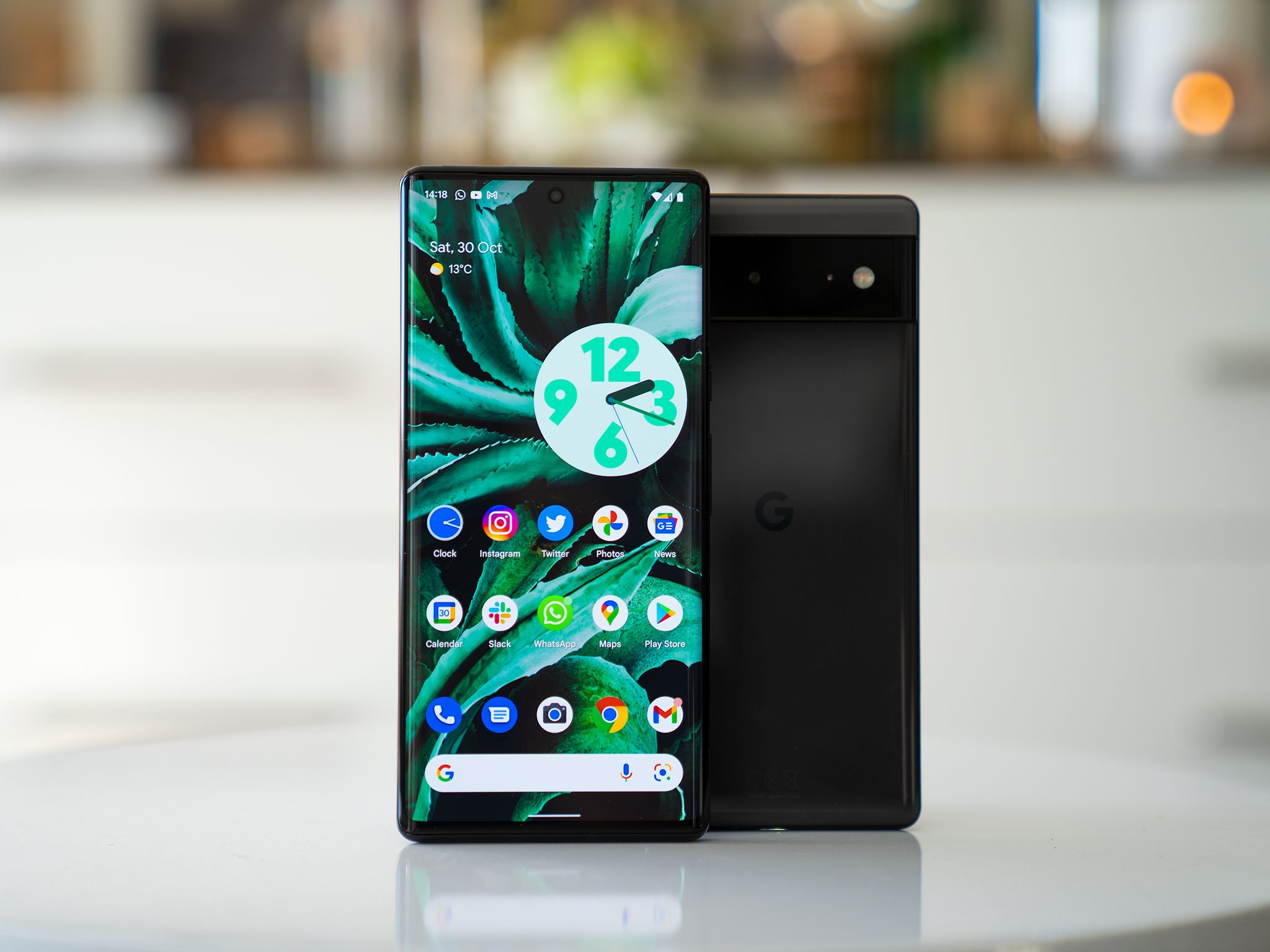
There's a reason Google calls this model its "first flagship phone" — the Pixel 6 Pro is more advanced and more high-end than any previous Pixel model, and that includes its little brother.

1. That telephoto camera

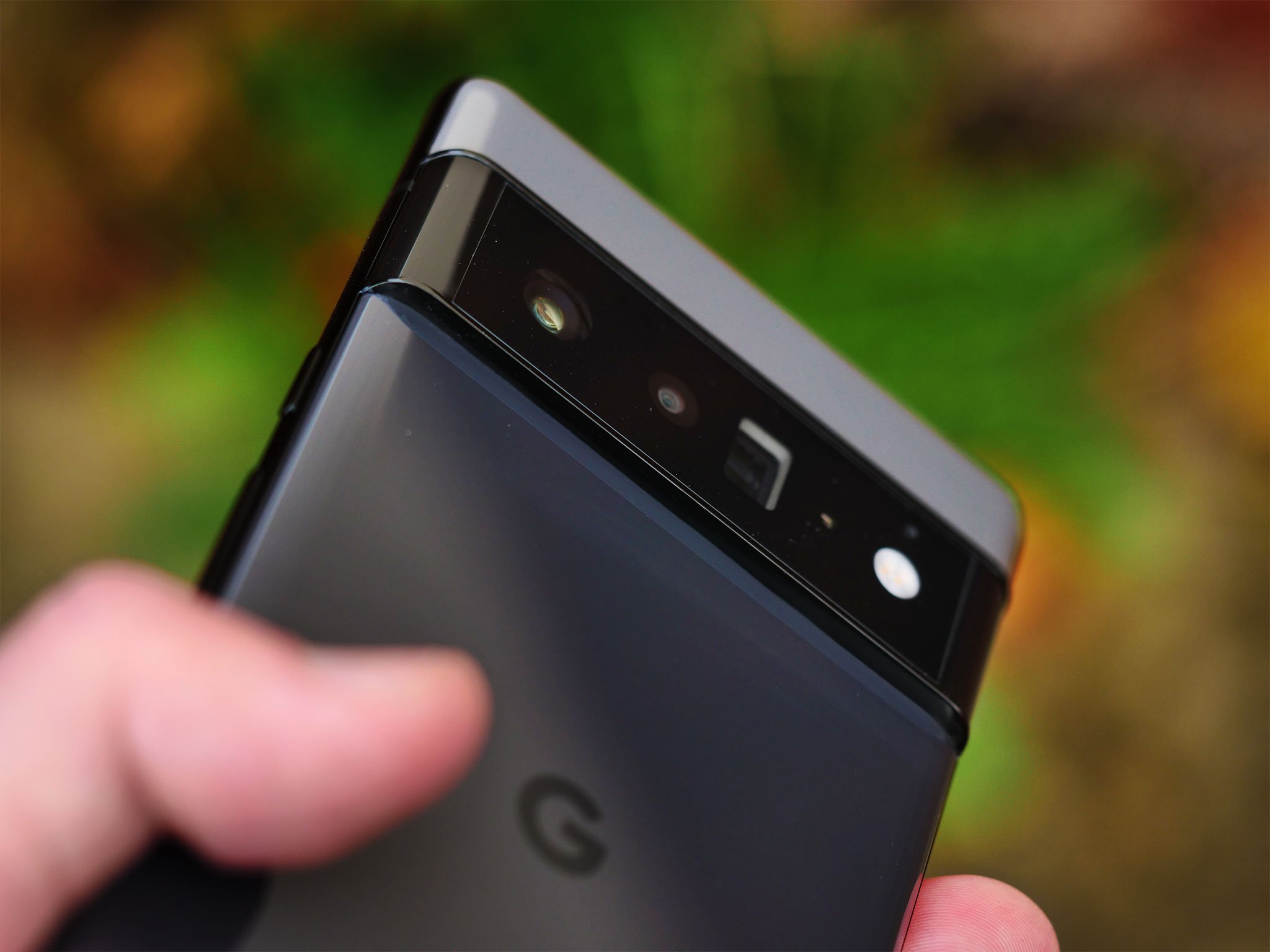
The single most extensive upgrade in the Pixel 6 Pro is the rear camera system. While the smaller Pixel 6 packs the same main and ultrawide shooter as the more expensive model, only the Pro offers Google's 4X 48-megapixel telephoto camera. Compared to hybrid zoom from the main sensor on the standard Pixel 6, there's simply no comparison. The standard camera is good for up to around 2 to 3X, but for longer telephoto captures, you'll want to take advantage of the folded periscope camera of the Pro.

There's no substitute for a real telephoto camera.

The vanilla Pixel 5 maxes out at a 7X hybrid zoom level from the primary sensor, whereas the Pro lets you zoom up to 20X through its dedicated telephoto.

The added versatility of a true telephoto camera with a decent zoom level will change how you think about smartphone photography. Scenes that were impossible to capture with a reasonable level of clarity are suddenly just a tap away. And the relatively large sensor size of the telephoto camera also allows for a subtle bokeh effect that works well in zoomed portrait shots.

2. A superior display

The Pixel 6 Pro's screen is a step above the standard model in just about every way. Although the increase in refresh rate, from 90Hz to 120Hz, isn't especially noticeable to everyone, you'll appreciate the bump up to a Quad HD+ resolution in addition to the larger overall size of the panel.

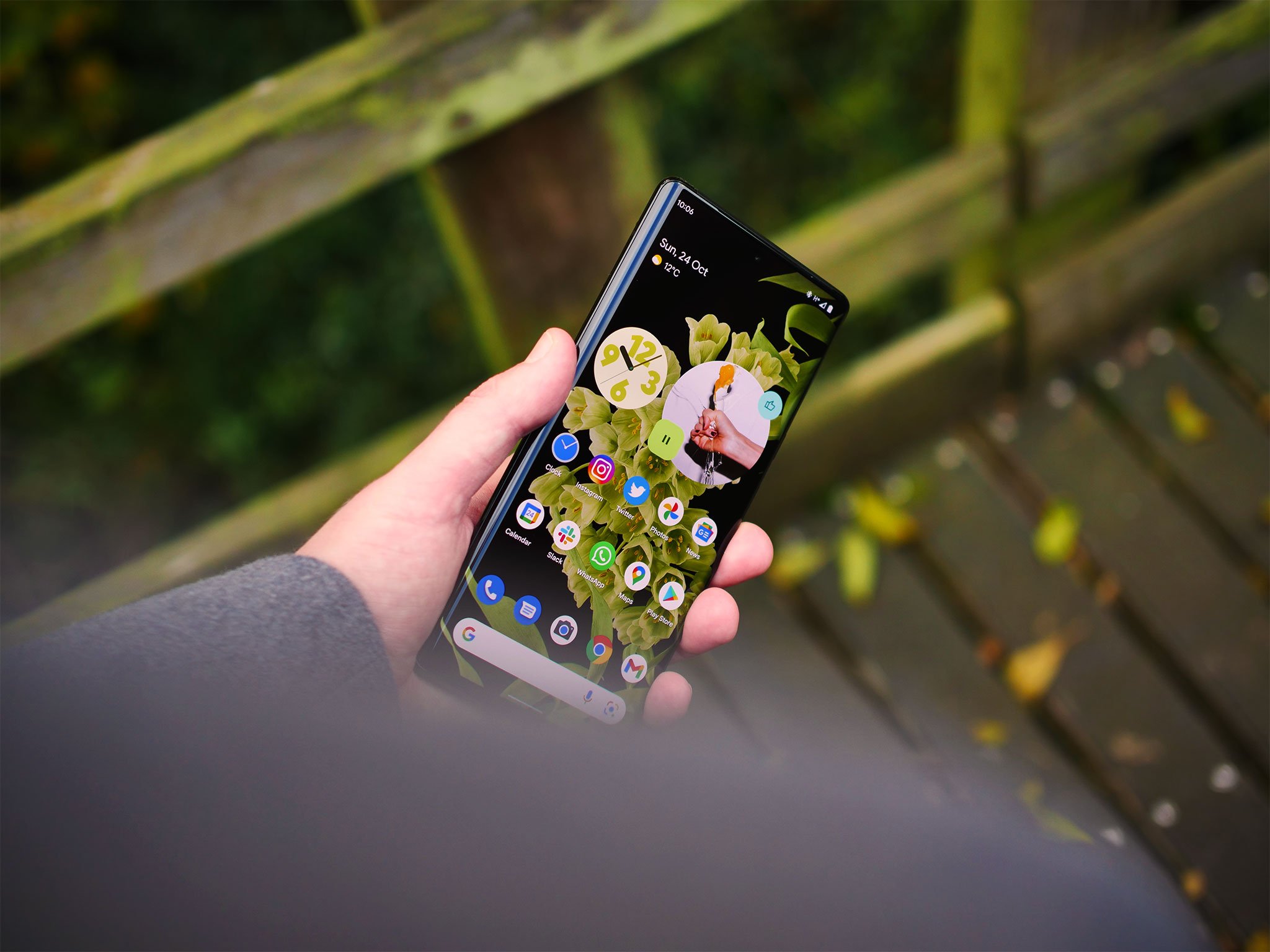
The larger canvas and increased resolution of the Pro's 6.7-inch screen mean you'll see more of your content, and it'll look better. Of course, not everyone is a fan of curved screens, and the waterfall display of the Pixel 6 Pro has a more pronounced curve than some competitors. Still, there's no denying that this approach helps to reduce the appearance of bezels on a phone that already has fairly small screen borders.

3. More RAM = better futureproofing

Right now, 8GB of RAM is more than enough for anything you're going to be doing on a smartphone. But the Pixel 6 series will be supported for Android security updates until late 2026. By that time, it's likely Android, and the apps that run on it, will be weightier and more memory-hungry.

The Pixel 6 Pro's 12GB of RAM gives it an extra level of future-proofing if you plan on keeping your phone for several years. Perhaps it won't be a major factor if you plan on trading in your phone for a Pixel 7 in 12 months. But if you're purchasing for the long term, it's worth considering.

4. Better (and wider) selfies

The other significant hardware upgrade in the Pro is its selfie camera. With a 94-degree field of view, it's almost as wide as the Pixel 3's famous ultrawide front-facer, allowing you to fit more friends or scenery (or both) into your shots. It's like having a built-in selfie stick, and it means you won't have to crane your arm anytime you want to capture a wider view of what's around you.

The 6 Pro's selfie shooter is effectively two cameras in one.

Meanwhile, the Pixel 6 Pro selfie camera's higher resolution — 11.1 megapixels compared to 8 megapixels — means you can still punch in for a slightly tighter shot with the same level of detail as the regular Pixel 6 selfie camera. And the larger pixel size on the sensor — 1.22μm versus 1.12μm will allow for brighter captures in low light.

5. Those colors!

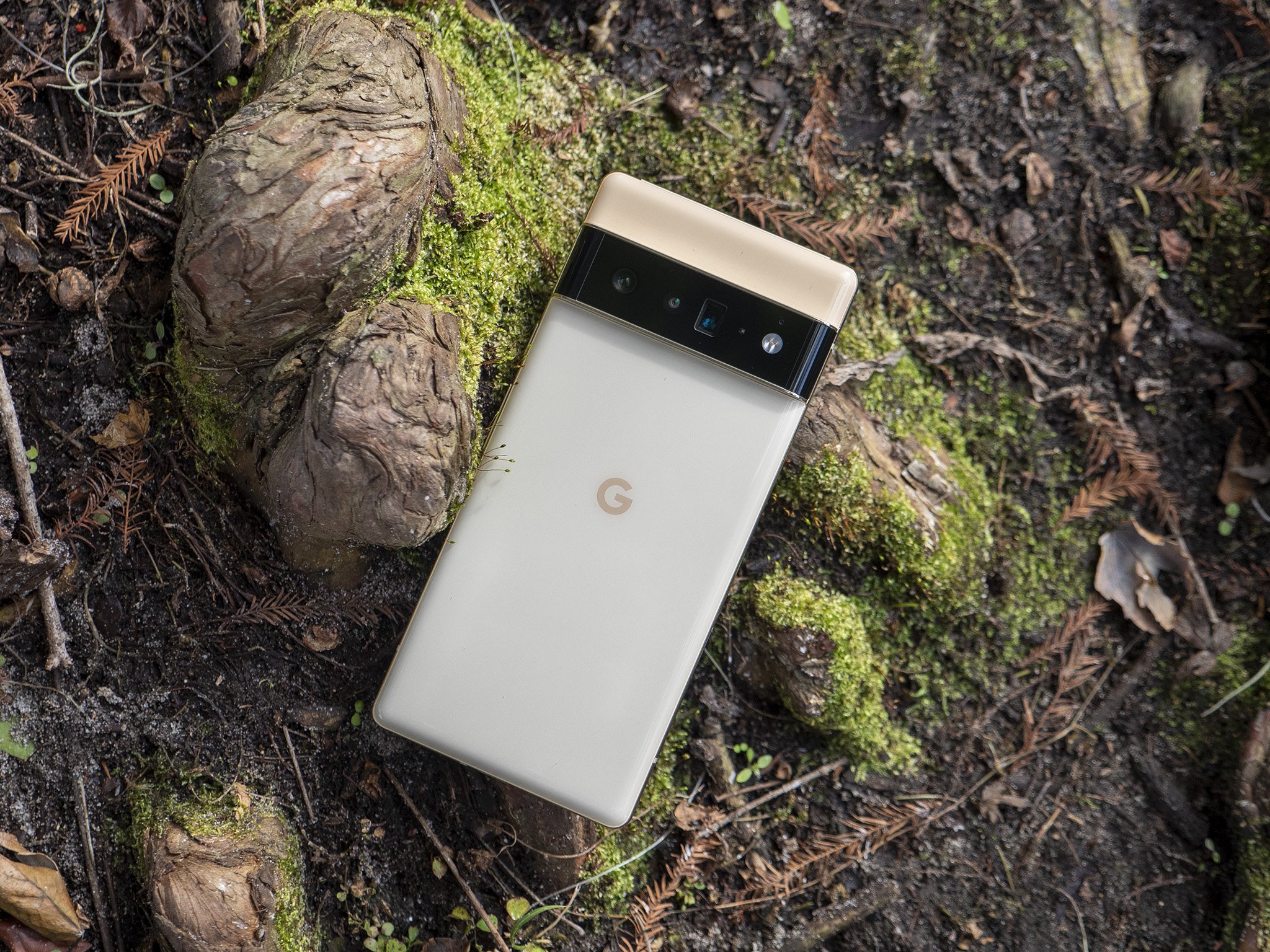
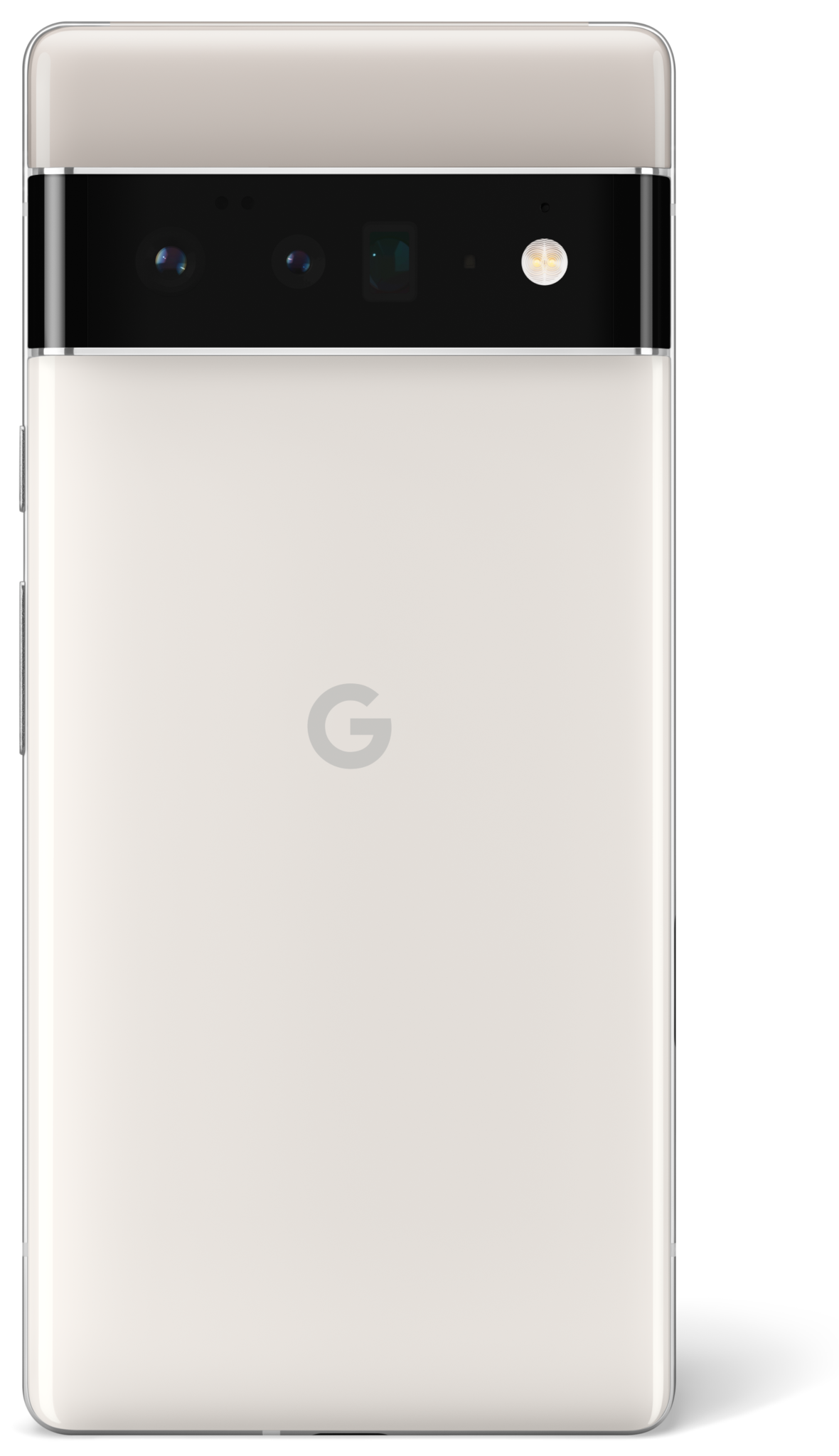
OK, this is a matter of personal taste. But if you want what are, in my opinion, the two best Pixel 6 colors, you'll need to opt for the Pro. The "sorta sunny" and "cloudy white" hues are only available for the Pixel 6 Pro, complete with glossy sidewalls for added flair. It's a welcome respite from the past 12 months of reasonably dull Google Pixel colors.

And while there may be more vibrant hues with the smaller Pixel 6, the Pro definitely has a classier look, in part thanks to its color palette.

The Google flagship

Google Pixel 6 Pro

The Pixel 6 Pro is Google's first no-compromise high-end phone. From the display to the camera setup and the promised five years of security updates, this is a serious flagship phone that's worthy of your attention.

From $899 at Amazon From $899 at Best Buy From $899 at B&H Photo


from Android Central - Android Forums, News, Reviews, Help and Android Wallpapers https://ift.tt/3BymEFx
via IFTTT

Google to fix Pixel 6 'residual light' issue with December update

It isn't clear if the issues are widespread or affect only a small number of units.

Update, Nov 1 (06:45 ET): A fix is incoming

What you need to know

  • A few Pixel 6 users are experiencing weird screen flickering issues.
  • The flickering happens when the power button is pressed while the phone is off.
  • Some owners are also complaining about a green tint on the screen.

Some customers who received their Pixel 6 and 6 Pro phones earlier this week have noticed a weird screen flicker problem on their phones.

According to complaints from owners on Reddit, the display flicker issue appears when pressing the power button while the phones are switched off. For now, It doesn't look like Google's best Android phones of 2021 exhibit the same behavior when they are turned on.

A few Pixel 6 and 6 Pro owners are also reporting a green tint on the display. While the flickering issue hasn't been reported on previous Pixel phones, some Pixel 5a and Pixel 4 XL devices were also affected by the green tint issue. Samsung's Galaxy S20 Ultra and OnePlus 8 owners experienced similar tint issues as well. In both cases, the issues were "fixed" by the manufacturers with a software update.

Since Google began shipping the Pixel 6 and 6 Pro pre-orders just a few days back, we'll have to wait a little longer to find out if these issues are widespread. In case the issues aren't limited to just a small number of Pixel 6 and 6 Pro units, Google will likely roll out a new software update to fix them very soon.

It isn't the first time that users are reporting issues with their new Pixel phones. Last year, early Pixel 5 owners started noticing gaps between the screen and body, which Google later said was a "normal part of the design." A small number of Pixel 5 users also experienced some volume level problems and a proximity sensor flicker bug.

The Pixel 4 series, on the other hand, was affected by battery discharge and random shutdown issues. Some Pixel 3 and 3 XL units were also affected by the random shutdown problem, while some other units suffered from EDL issues.

Update, Nov 1 (06:45 ET) ― Google says the issue will be fixed with the December update for the Pixel 6 series

Google has acknowledged the screen issue affecting some Pixel 6 and 6 Pro units on its Pixel Phone help page. The company says the issue will be fixed with a software update that will be rolled out to the two phones in December. Google has also confirmed that the flickering "does not represent an issue with the phone hardware. "


from Android Central - Android Forums, News, Reviews, Help and Android Wallpapers https://ift.tt/3pMMseE
via IFTTT

A handy Telegram feature is disabling the Pixel 6 series' smooth display

Telegram's "raise to speak" feature apparently locks the phone's display to a 60Hz refresh rate when enabled.

What you need to know

  • The Google Pixel 6 and 6 Pro are reportedly being locked to a 60Hz refresh rate for some Telegram users.
  • Telegram's "raise to speak" feature is apparently responsible for the issue.
  • There's currently no official fix for the problem, except disabling the messaging app's feature.

The Pixel 6 series is Google's answer to the best Android phones that have so far been released this year, and for obvious reasons. The Google Pixel 6 and Pixel 6 Pro tick all the right boxes and undercut the competition with robust specs, including a powerful custom-built chipset and a smooth display.

However, according to Mishaal Rahman, a strange Telegram issue is currently causing some Pixel 6 phones to be stuck on a 60Hz refresh rate while in the app. The problem was first brought to light by a Telegram group dedicated to the Pixel 6 series.

The locked refresh rate apparently occurs when you turn on Telegram's "raise to speak" feature, which allows you to send voice messages without tapping the mic button. It's a handy capability that saves you the trouble of wracking your thumb, especially if you had to record a long audio clip.

The issue means a number of Pixel 6 devices are losing their smooth display while the app is open. The base model has a refresh rate of up to 90Hz, while the Pro model has a refresh rate of up to 120Hz. However, once Telegram's "raise to speak" capability is enabled, these handy features become meaningless.

Android Central didn't immediately receive a response from Google when asked for a statement. Telegram was not immediately available at the time of this writing.

There's currently no official fix for the problem. That said, you can prevent your Pixel 6 from being locked to the 60Hz refresh rate and enjoy a smooth display while sifting through Telegram.


from Android Central - Android Forums, News, Reviews, Help and Android Wallpapers https://ift.tt/3mvOGgp
via IFTTT

New Google Photos button scans for similar images you didn't know existed

It's adding a "More like this" button so you can easily find photos you may have already forgotten.

What you need to know

  • Google Photos has a new feature that allows you to find similar images.
  • The new capability comes in the form of a new button called "More like this."
  • It appears that the new button is rolling out to users as a server-side update.

Google Photos has added a new feature that makes it easy to find similar photos taken at different times and locations, further expanding its already robust search functionality.

The Russian Telegram channel called Google News spotted the "More like this" button in Google Photos, which allows you to search for similar images in your library (via Android Police). When you tap the three-dot menu at the top right of a photo, the new button appears.

As its name implies, the feature scans for images that look like the one you're currently viewing. It does that by scanning your photo and then starting to scour your library for similar images. The new button sits between the "Add to album" and "Move to Archive" buttons.

The new feature is useful if you want to compare two photos from different times that appear to be the same. You can even use it to bring up photos that have slipped your mind.

It's a useful addition to Google Photos' existing tools, designed to improve your overall experience with the app. Google Photos introduced new search filters for the best Android phones earlier this year. These filters allow you to narrow down your search by person, location, image type, and other criteria.

The new button in the app appears to be rolling out as a server-side update, so you may not see it right away. Having said that, it should be available to everyone soon.


from Android Central - Android Forums, News, Reviews, Help and Android Wallpapers https://ift.tt/2ZK8xjq
via IFTTT