LightBlog

vendredi 31 décembre 2021

Google and Android 13: Here's what analysts want in 2022

From Pixel phones to Matter and Android 13, analysts expect a lot from Google in 2022.

Google has had a busy year launching Android 12, updating the look and feel of the OS with Material You, announcing its first in-house SOC Tensor, and incorporating it in its Pixel 6 series.

The company announced a partnership with Samsung to unveil the use of Wear OS 3 on Samsung's Galaxy Watch 4, which is also the best Android smartwatch. Google also launched a bunch of new Nest smart home devices this year.

All of it wasn't perfect — we saw several bugs coming out of Android 12 and issues with the Pixel 6. And as much as everyone fell in love with the Galaxy Watch 4, it didn't necessarily mean that Wear OS was the reason for it (although some might think now is the time for Wear OS to shine).

Through it all, Android Central spoke to many industry analysts to understand their perspectives on Google's performance this past year. So what about 2022? We ask Mishaal Rahman, senior technical editor at Esper and former editor-in-chief of XDA Developers; Jitesh Ubrani, research manager for IDC's worldwide device tracker, Avi Greengart, president and lead analyst at Techsponentialk; Neil Shah, vice president of research at Counterpoint Research; and Anshel Sag, a senior analyst at Moor Insights & Strategy what they expect from Google and Android 13 in the New Year.

In general, what do you expect or want from Google/Android 13 in 2022?

Anshel Sag: More features that take advantage of 5G and leverage Androids' foldable capabilities over iOS.

Avi Greengart: Android works well on phones, but leaves much to be desired on tablets, foldables, and other non-bar-phone form factors. Google finally seems to be addressing this with Android 12L, but aside from "what took so long?" I have to ask if Google is committed to investing in making incremental improvements and dragging its apps and developers along over the long term. Google does not always have the best track record of following through.

Neil Shah: The biggest gap feature-wise for Android, which has been widening vs. Apple, is continuity and integration between a Windows PC and Android Phone. Samsung has done some good work here, but the integration still has a long way to go and needs to be formal. This is an issue of business model between the two OS giants rather than capability. Second, more support for different foldables and wearables form-factors from developers to scale existing Android apps seamlessly across different devices and form-factors.

Mishaal Rahman: What I want from Android 13 — A reworking of the notification contract between apps and the Android OS. By default, Android allows all applications installed on the device to post a notification. While this allows them to post useful alerts and reminders, it also lets apps send unsolicited advertisements. Android does let users turn off notifications on a per-app and per-channel basis, but this solution has multiple problems. Since notifications are opt-out rather than opt-in, and the settings to opt-out are buried behind several layers, most users will leave notification settings as default. This is valuable for developers and marketers who send push notifications to reengage users with their apps and services, but it can result in notifications feeling less important or overwhelming if abused by too many actors. A simple change that Google can make to rectify this problem is to add runtime permission for posting notifications. Runtime permissions are permissions that must be explicitly granted by the user after the app has been installed. Apple made notifications opt-in in iOS, which has pushed developers to put in effort into convincing users to opt-in. I want to see similar behavior in Android 13. It's time for users to take control of the notifications panel.

What I expect in Android 13 — A continuation of Google's war on background processes. With every Android release, Google further restricts what apps running in the background can do. Android 12, for instance, automatically revokes permissions if an app hasn't been used for a few months, prevents apps from starting foreground services while running in the background, and makes the "restricted" app standby bucket active by default. Apps are encouraged to use APIs like WorkManager, JobScheduler, and AlarmManager to queue tasks, depending on when the task needs to be executed and whether the device has access to Google Play Services. While there is a hard limit of 50 tasks that WorkManager can schedule, the API does not otherwise limit how many tasks an app can enqueue. I expect this to change in Android 13, with a new system that determines the limit not just based on a hard number but other factors such as the battery status and the type of task.

What do you think will be the biggest wearable story in 2022?

AS: The maturity of WearOS and it finally getting Google Assistant.

Jistesh Ubrani: Additional health sensors and more subscription offerings will likely drive the wearables market in 2022. At-home workout programs gained some salience during the pandemic and I suspect more vendors will hop on board. Beyond that, I think we'll finally see the first products or services that come out of Google's Fitbit acquisition.

AG: Whoever gets accurate, non-invasive blood pressure and blood sugar tracking on a smartwatch.

NS: I believe what Google does with the potential merging of Fitbit capabilities and the new Android Wear and will Pixel Watch would be that device which could offer the flagship Android experience, considering Samsung Galaxy Watch 4 is currently the best example of Android Wear flagship but also marketed as "powered by Tizen."

Next would be Pixel Glass, which is where Google was too early in the game and now has somewhat fallen behind in mindshare and must be itching to get back in the game with a huge pivot from Facebook (aka Meta), its biggest adversary.

MR: What would be a game-changer for smartwatches and for Google's upcoming Pixel Watch, in particular, is improved voice recognition. Wear OS employs on-device machine learning models for a few features, most notably smart replies, but the natural language processing (NLP) of Google's Pixel phones is light years ahead. The speech recognition capabilities of the new Pixel 6, in particular, are so good that they can accurately insert punctuation based on textual context. In fact, Google says they managed to deploy "datacenter-quality language models" on the Tensor TPU of the Pixel 6.

To say that it would be a challenge to deploy such models on the off-the-shelf wearable chipsets from Qualcomm or Samsung would be an understatement; yet, that is exactly what's needed if Google wants to push the smartwatch as a digital wellbeing tool. If the Pixel Watch somehow features NLP on par with the Pixel 6, then you would never need to take out your smartphone to fire off a short sentence filled with emoji or even paragraphs of text.

What do you foresee as necessary/big changes in Android 13 in 2022?
AS: Pairing down some of the design decisions around Android 12, specifically around drop-downs and other settings menus.

JU: More support for foldables and more support for developers working on AR experiences. ARCore is often not the first solution developers think of when it comes to creating AR experiences, and if Google doesn't want to be left behind, they need to make sure that devs have the right tools and support.

NS: I would bet on more Spatial computing capabilities and horizontal services from Google. Spatial computing in a sense bringing more AR/VR features support scalable to different device form factors making life easier for developers. More focus on 3D Maps to support this trend. In terms of horizontal services, expect a big push in gaming, health/fitness, and NLP/AI/learning as a service for developers to integrate within apps.

MR: One addition that I believe is necessary — and frankly long overdue — is an RCS API for third-party messaging apps. The most widely used messaging app that supports RCS is Messages, through Google's RCS backend called Chat. Although many users stick to the default messaging app, there are many others who use third-party messaging apps, such as Messenger or Signal, which provide SMS/MMS texting support as a fallback/convenience for users looking to make them their all-in-one chat app. However, users lose out on the many benefits of RCS if they do not use Google's Messages app and enable Chat features. Google should thus develop an RCS API for Android 13 to boost the adoption of RCS and pressure Apple to support the new messaging standard.

What do you think will happen with Matter in 2022?
AS: More seamless smart home integrations and hopefully fewer conflicts and easier onboarding.

JU: Hopefully, we'll see devices actually launch. While Matter is supposed to simplify, I suspect there will be some initial confusion as brands roll out updates to existing devices. That said, I do believe Matter will help simplify the process for many consumers who are new to the smart home market as broader compatibility between devices and services will help drive demand.

AG: In 2022, Matter will start rolling out to actual products, which is exciting, but will lead to massive confusion and complexity as consumers try to figure out which products that they already own are Matter compatible, which aren't, what product categories don't have Matter entries at all, whether they need a hub, and how any of this works. Meanwhile, vendors will be trying to assert their brands and unique capabilities despite offering some level of interoperability through Matter. I am genuinely optimistic for Matter and Thread – it solves real pain points, and it has genuine support from all the big Wester ecosystem brands (and most of the Chinese, as well). But it's going to be complicated, and I'm expecting a rough start.

What do you expect/want from Google from a company/culture standpoint?
AS: I think the company needs to be more clear about its ambitions around AI and how it intends to use it. I would also like to hear more details about its Tensor roadmap.

NS: More transparency and openness to build more trust than Meta and stand out. This has to come inside out from HR to its products.

MS: I want Google to figure out a coherent messaging/product strategy when it comes to privacy features. Google has a public relations problem on its hands with how people react to new privacy features it announces. Consider the backlash the Chrome team received when it announced plans to phase out third-party cookies in favor of the company's own "Privacy Sandbox." Many are skeptical that Google, a company that makes a lot of revenue from advertising, has put forth the best privacy-conscious alternative to third-party tracking cookies. How will users react if Google tries to implement its own app tracking blocker, like the one recently added to iOS? Would they trust that Google, a company that offers multiple prominent advertising and analytics libraries, will block app trackers as effectively and thoroughly as Apple? Google has many different internal teams that don't all share the same philosophy when it comes to these issues, but the average user only sees Google as one entity: the ubiquitous search and advertising giant.

What do you expect/want from Google with regards to Pixel phones?

AS: I would like to see Google dive more deeply into the software capabilities of the Pixel camera after such a considerable hardware upgrade.

JU: More AI-based photography from the next generation of Pixel phones. I'd love to see additional dollars for marketing, and more trade-in offers from Google as this would also be a good way for the brand to gain share and potentially displace tier 2/3 smartphone brands.

AG: Google's first Tensor phones perform well and have some unique functionality, but they really stand out because they are among the first to run the latest Android OS, and Google is finally pricing its higher-end phones below Apple and Samsung. My big question going forward is whether owning its own silicon design can bring more differentiation, whether Google is committed to its pricing model, and what type of foldables it brings to market.

NS: Better hardware quality as it has been an uphill task for Google. Further, Google needs to decide if Pixel is going to remain a limited edition product just to showcase Google and Android expertise and can it do more here with this strategy or it does have ambitions similar to Apple to be more vertical and scale the Pixel lineup globally instead of a few markets. Else it will remain an expensive project and will do more harm than good.

MS: I am disappointed that Google is only promising three generations of OS updates for the Pixel 6 series, despite the fact that Google now designs its own system-on-chip and has the capability to write new drivers for the hardware for as long as they wish to support the first-generation Tensor platform. Google needs to set a new standard for software support, as providing three years of post-launch support is simply not impressive anymore. Extending software support also means that users won't need to upgrade their devices as often to ensure they're protected from the latest security threats. This means that users will keep their phones for longer, reducing the mountain of electronic waste that old smartphones contribute to each year.


from Android Central - Android Forums, News, Reviews, Help and Android Wallpapers https://ift.tt/3mJtx20
via IFTTT

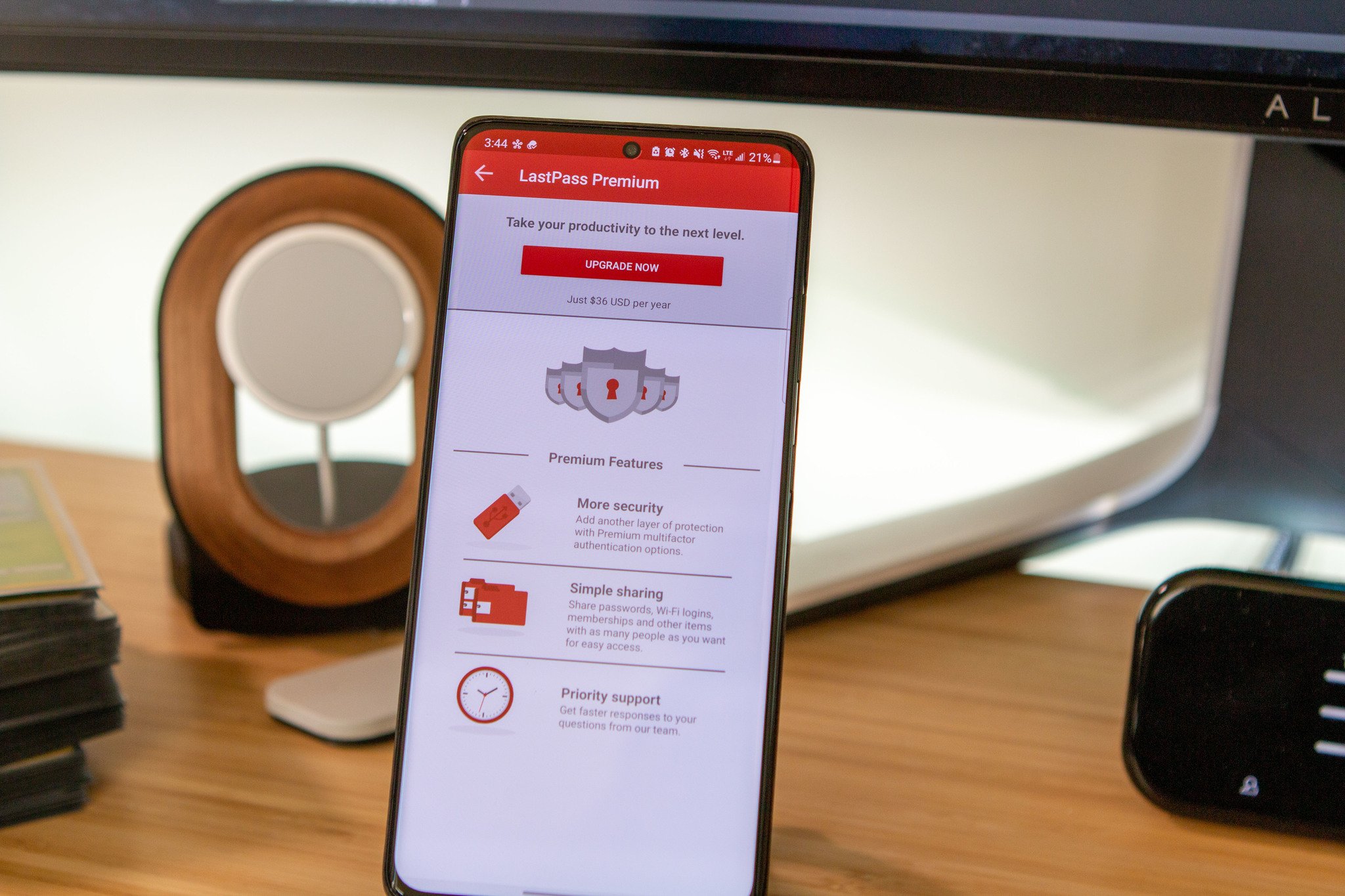
LastPass hacking alerts turn out to be false alarms

The warning messages were sent in error.

What you need to know

  • LastPass has denied reports that there were unauthorized login attempts to some accounts.
  • The recent security alerts received by some users were apparently triggered in error.
  • Some LastPass users received emails this week warning them about failed login attempts.

LastPass users can welcome the incoming year with peace of mind after all. A LastPass executive confirmed that no accounts had been compromised following multiple reports from users claiming they'd been notified of failed unauthorized logins.

The reports were first spotted by AppleInsider in the Hacker News forum. According to the alerts they received, some unauthorized third parties attempted to access their accounts from various parts of the world, such as Brazil. Fortunately, those attempts were thwarted because of the suspicious geographic origin.

Most of the LastPass accounts that got the alert appear to be outdated. Furthermore, the developers behind one of the best password managers for Android told AppleInsider that the login attempts were related to "credential stuffing." This activity is used by bad actors to gain access to user accounts using details obtained from other services that were involved in a previous third-party breach.

In a statement posted on LastPass' official Twitter account, LastPass vice president of product management Dan DeMichele said the warning message was likely sent by mistake. "Our investigation has since found that some of these security alerts, which were sent to a limited subset of LastPass users, were likely triggered in error. As a result, we have adjusted our security alert systems and this issue has since been resolved," he said.

That said, LastPass assures customers that it continues to monitor the situation. It also maintains that there's currently no evidence pointing to compromised accounts.

The company's statement may be enough to allay the fears of users who may have panicked after receiving the alert. However, it won't hurt to remain vigilant and bolster their password manager's security measures.


from Android Central - Android Forums, News, Reviews, Help and Android Wallpapers https://ift.tt/3Jz2ZKH
via IFTTT

jeudi 30 décembre 2021

These are the best Samsung Galaxy Watch 4 screen protectors

Finding the best Samsung Galaxy Watch 4 screen protector for your device is easy when you know what to look for. First, you want to find a product that is specifically designed for your model's case size (40mm or 44mm). Next, you'll need to determine what type of screen protector offers the best protection. Some popular choices include tempered glass for the display as well as protective cases for all-around coverage. We've put together a few of our favorites to help you choose.

The best protection

Supershieldz Tempered Glass Screen Protector (3-Pack)

Staff Pick

When you're looking for all-around protection, you'll want to consider this three-pack from Supershieldz. All the features you seek in a screen protector are present. You'll enjoy high-quality tempered glass for maximum scratch protection, high-definition clarity, and hydrophobic, as well as an oleophobic coating, to reduce sweat and fingerprints.

$8 at Amazon (44mm) $8 at Amazon (40mm)

Amazing precision

SPGUARD Tempered Glass Screen Protector (3-Pack)

A common concern when using screen protectors is not getting it perfectly aligned on your watch. Fortunately, you don't have to worry about that with this three-pack from SPGUARD. These are some of the best Samsung Galaxy Watch 4 screen protectors for transparency and low reflection. What's more, you get a special alignment tool for a hassle-free installation.

$8 at Amazon (44mm) $8 at Amazon (40mm)

Banish bubbles

Suoman Tempered Glass Screen Protector (4-Pack)

Nobody likes a screen protector that leaves their display full of pesky bubbles. That'll never be a problem you face with this four-pack of tempered glass screen protectors from Suoman. Aside from a bubble-free installation, you also get superior transparency for a crisp and clear viewing experience. It's tough but only .25mm thick, so you'll hardly notice it at all.

$7 at Amazon (44mm) $7 at Amazon (40mm)

Unmatched coverage

Spigen Ultra Hybrid Screen Protector

If you're seeking the best Samsung Galaxy Watch 4 screen protector for full coverage, check out this hybrid screen protector from Spigen. It offers a shock-absorbent bumper case around the edges and a clear screen cover for the display. This product is fully compatible with the key sensors on the watch and has a precise design with button cut-outs.

$17 at Amazon (44mm) $17 at Amazon (40mm)

Best bang for your buck

Spectre Shield Screen Protector (8-Pack)

Those who bought the 44mm Samsung Galaxy Watch 4 will appreciate this eight-pack of wet-install screen protectors from Spectre Shield. Share with family and friends or keep some as backups. The flawless design uses laser-cut precision for a perfect fit, and the high-definition transparency film ensures your display remains sharp and vibrant.

$8 at Amazon (44mm) $8 at Amazon (40mm)

Practically invisible

Orzero Tempered Glass Screen Protector (3-Pack)

If you've got a small wrist, you may prefer the 40mm Samsung Galaxy Watch 4. If so, this three-pack of screen protectors from Orzero fits the bill. They're made of thin yet durable tempered glass, so it'll always feel like you're touching the original screen. You'll be protected from accidental scuffs, drops, and scratches. The company offers lifetime replacements, too!

$6 at Amazon (44mm) $6 at Amazon (40mm)

Lightweight transparency

araree NUKIN Full Protective Case

For coverage that protects your display and the case, check out this option from araree NUKIN. The ultra-slim design is lightweight polycarbonate to shield the display and the corners from scratches and other damage. Best of all? You won't have to mess with any sticky residue or a complicated installation process.

$9 at Amazon (44mm) $9 at Amazon (40mm)

Always clear

Panawabi Tempered Glass, Screen Protector (4-Pack)

These durable tempered glass screen protectors from Panawabi come with four in a pack. They're made with an ultra-thin film that's just .20mm thick, so you'll always enjoy original touchscreen sensitivity and clarity for quick app launching and easy navigation. The high-def coverage leaves no gaps, which means your entire screen is covered and protected.

$8 at Amazon (44mm) $10 at Amazon (40mm)

Perfectly flexible

RinoGear Screen Protector (8-Pack)

Another Samsung Galaxy Watch 4 screen protector to consider is this eight-pack of wet-install screen protectors from RinoGear. This is an ideal option for highly active individuals. The company uses a flexible "smart skin" film material that perfectly covers curves, and other desirable features include crystal clear clarity and 100% touchscreen functionality.

$8 at Amazon (44mm) $8 at Amazon (40mm)

Self-healing protection

LK Flexible Film Screen Protector (6-Pack)

If you're seeking the best Samsung Galaxy Watch 4 screen protector with self-healing abilities, consider this six-pack from LK. In addition to flawless edge-to-edge coverage and high-definition transparency, you'll also appreciate that these screen protectors can self-heal scratches and bubbles over time, so your screen will stay looking flawless.

$8 at Amazon (44mm) $9 at Amazon (40mm)

Cover all your bases

Haojavo Samsung Galaxy Watch 4 Screen Protector + Case (2-Pack)

This two-pack from Haojavo will cover all your bases when it comes to protecting your device. First, you get a hard PC case with a built-in tempered glass screen protector. The edge-to-edge coverage protects it from bumps, scratches, and drops. The high-def tempered glass won't affect the original touch sensitivity, either. There's even a wide range of color combos to consider.

$11 at Amazon (44mm) $11 at Amazon (40mm)

Soft yet durable

Choiche Samsung Galaxy Watch 4 Screen Protector + Case (2-Pack)

Another option that offers all-around protection is this two-pack from Choiche. It's available for both case sizes and comes in black, clear, and silver. The watch body will be protected from impact thanks to the durable but soft TPU case, boasting a comfortable wearing experience. The screen protector provides 99% transparency to ensure excellent clarity of the original screen.

$10 at Amazon (44mm) $10 at Amazon (40mm)

Best Samsung Galaxy Watch 4 screen protectors: Pick one

Considering the Samsung Galaxy Watch 4 is one of the best Android smartwatches you can buy, it's important to take excellent care of it. After all, nothing's worse than a shattered screen. No matter how you plan to use your wearable, you'll be interacting with the AMOLED touchscreen quite a bit. Therefore, it's a good idea to invest in a screen protector. If you purchased the stainless-steel variant, be sure to check out our roundup of the best Samsung Galaxy Watch 4 Classic screen protectors.

We can confidently say the three-pack of Supershieldz Tempered Glass Screen Protectors is the best overall pick. You'll have all the features you need for maximum protection. For example, you get a residue-free material that protects against scratches. The tempered glass offers optimal clarity that maintains the original touchscreen experience. Additionally, the hydrophobic and oleophobic coating is designed to reduce sweat and fingerprints. It's easy to see why it's one of the best Samsung Galaxy Watch 4 screen protectors out there.

If you want the best of both worlds with a product that protects the display and the rest of the watch case, you should consider the Spigen Ultra Hybrid Screen Protector. Rather than only covering the vulnerable display, this product also comes with a shock-absorbent bumper case to protect the surrounding edges. Most importantly, you'll still be able to access the side buttons and use all key health sensors.

Regardless of what type of coverage you're seeking for your device, these are just a few of the best Samsung Galaxy Watch 4 screen protectors available right now. So whether you're looking for a thin tempered glass option or you want all-around coverage with a protective case, there's plenty more where that came from.


from Android Central - Android Forums, News, Reviews, Help and Android Wallpapers https://ift.tt/3mtp7gE
via IFTTT

Google postpones its messy December Pixel 6 update until late January

Google recommends anyone with signal issues factory-reset their Pixel 6 and 6 Pros to the previous version.

What you need to know

  • The recent December Pixel Drop caused significant mobile connectivity issues for some Pixel 6 owners.
  • Google has "identified a fix" but won't deliver it to users until late January.
  • The next update will include all of the previous bug fixes.
  • If you've downloaded the update already, your only recourse is to use the Android Flash Tool to revert to the previous version.

Google's December update fixed a variety of Pixel 6 bugs that had plagued the phone since launch. Unfortunately, it also introduced an even worse bug that hamstrung the Pixel 6's network connectivity. Some users couldn't connect to networks in areas with great coverage and reported frequent signal drops.

Google said it was looking into the issue on December 17, and paused the update's rollout. Now, nearly two weeks later, a Pixel support page indicates Google has found a fix for the issue. Unfortunately, they won't roll out that fix until "late January," meaning anyone with the current update would have to endure an extra month of poor reception.

"If you received the December software update on Pixel 6 or Pixel 6 Pro and are still experiencing mobile connectivity issues, you can revert to the previous software version using the Android Flash Tool (flash.android.com) and performing a factory reset," the post explains.

If you're not experiencing any signal issues, you can continue to use the current build. But if you never received the update to begin with, you'll have to wait an extra month for all of the bug fixes and new features associated with it.

There are several obvious issues with this solution. One, it requires people to back up their phones and go through a manual update process, instead of Google fixing the problem via OTA; many Pixel 6 owners may never see this option. And two, reverting to the last build will reintroduce all of the bugs the Google devs had fixed and roll back the security patch.

Evidently, this Pixel 6 bug isn't something that the developers can fix quickly, or else they would have. We've seen other bugs, like Microsoft Teams blocking 911 calls, patched in days rather than weeks.

Nevertheless, it's disappointing that Google's first foray with its own SoC, Tensor, has led to such a buggy experience all around. While we consider the Pixel 6 one of the best Android phones for hardware quality, the software experience has proved sub-optimal for many users.

With new phones like the Samsung Galaxy S22 and OnePlus 10 on the way in early 2022, it'll be interesting to see if some Pixel owners jump ship before Google can right it.


from Android Central - Android Forums, News, Reviews, Help and Android Wallpapers https://ift.tt/3mG03SM
via IFTTT

A year in review: PlayStation had a slow but successful 2021

Despite facing an uphill battle, PlayStation delivered a solid lineup of games and updates.

2021 was a weird year for PlayStation, not to mention the games industry as a whole. It was the first full year the PS5 was on sale, but it also happened to be a year fraught with supply shortages amid a deadly pandemic. It's been near-impossible to buy a PS5, and as Niko Partners senior analyst Daniel Ahmed noted on Twitter, it's taken quite a toll on potential sales.

Not all's bad for PlayStation, though. It managed to unlock expanded SSD storage on the PS5, drop some stellar exclusives throughout the year, and reveal a slate of impressive upcoming games.

While I don't think it managed to have quite a great year as Xbox has had, especially with Microsoft's acquisition of ZeniMax Media, PlayStation proved it wouldn't rest on its laurels and be complacent. It made some notable studio purchases and delivered easily the most impressive showcase of the year in September. PlayStation fans have a lot to look forward to, but let's first take a look back at what 2021 had in store.

Games, games, games

Diving into its game releases, none stand out quite like Ratchet and Clank: Rift Apart, which was up for numerous game awards this year. In our own review, we called it a new flagship franchise for PlayStation, and said, "longtime series fans and newcomers alike owe it to themselves to play Ratchet and Clank: Rift Apart. It's an excellent addition to the beloved franchise that proves you can teach an old dog new tricks."

Needless to say, it was a success story for Insomniac and PlayStation. And not to be slowed down by a major release, Insomniac is already hard at work on the Spider-Man 2 and a new Wolverine game. We have every reason to believe those games will be just as excellent given Insomniac's track record.

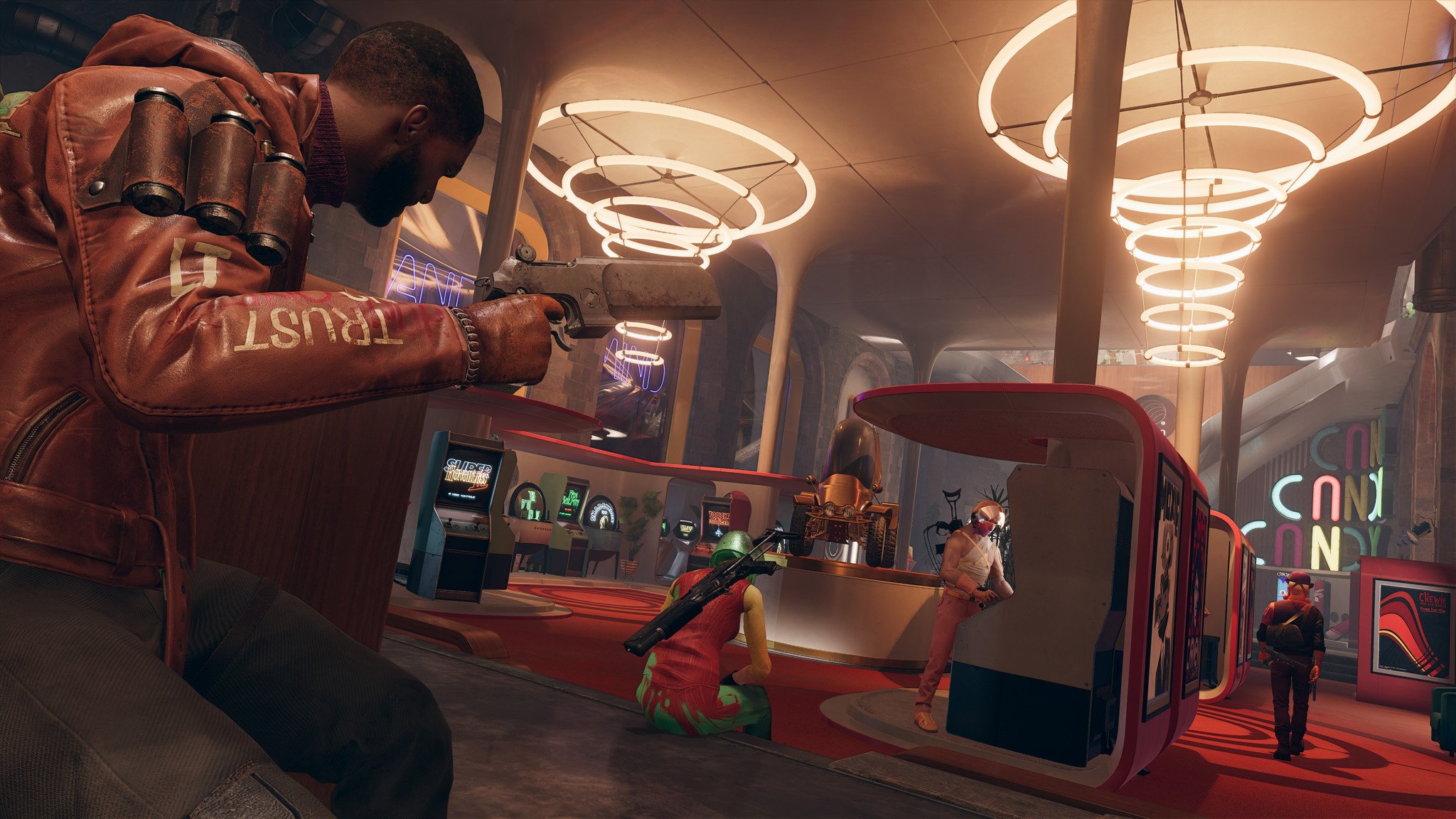
PlayStation also saw the releases of Deathloop and Kena: Bridge of Spirits, both receiving high praise here at Android Central and across the industry. While delays have no doubt taken a toll on Sony's roadmap, it was a relief to see that the company could still snag a few big hits over the year.

That said, some notable exclusives like Horizon Forbidden West, Gran Turismo 7, and God of War Ragnarok were all pushed to 2022 after initially, if naively, expecting to launch in 2021. Those were major delays over a holiday period that saw Xbox's Halo Infinite release. PlayStation needed a big holiday hit, and it just didn't have one.

Stock isn't keeping up with demand

Despite selling over 13.4 million units as of October 2021, PS5 production just can't keep up with demand. The pandemic decimated supply chains and caused chip shortages throughout the world; chips that are integral in making gaming consoles. Sony had originally wanted to manufacture 16 million consoles by the end of March 2022, but that number was cut to 15 million due to production difficulties.

Despite selling over 13.4 million units as of October 2021, PS5 production just can't keep up with demand.

There's no arguing that the PS5 has been successful even with unprecedented demand, but PlayStation isn't able to fully capitalize on that popularity. As a result of low stock, scalpers have taken to selling consoles for upwards of $1,000, and it's more common than not to find outright scams on social media.

PlayStation is far from the only console manufacturer affected by this, with Microsoft and Nintendo both suffering from production shortages as well, but just because it isn't alone in this scenario doesn't mean it's any better. Sony is losing out on millions of dollars in potential sales. The silver lining to all of this is that as of August 2021, Sony is no longer selling the PS5 at a loss.

Studio acquisitions galore

Not to let Xbox have all of the fun with its ZeniMax acquisition, PlayStation was on quite a spending spree over the course of the year. Sony acquired five studios in 2021, adding to its first-party portfolio with Housemarque, Firesprite, Nixxes Software, Valkyrie, and Bluepoint. While Valkyrie and Nixxes are being described as support studios at the moment, that doesn't change the fact that Sony's been beefing up its workforce.

All of this should mean that PlayStation's first-party offerings will be more diverse and polished. But Housemarque and Bluepoint recently released two major games with Returnal and the Demon's Souls Remake, respectively, so any new projects from either may be years away.

PlayStation's move onto PC

For the longest time, first-party games would only release on PlayStation platforms, completely skipping a PC release. That changed in 2020, and the company's PC efforts continued to expand in 2021. After seeing Horizon Zero Dawn hit PCs, Days Gone followed suit. Upcoming PC releases include God of War and Uncharted: Legacy of Thieves Collection. It may be a small list for now, but it's sure to grow as time goes on, and it shows that PlayStation is becoming more aware of its growing market.

You'll see some online decry this as a win for Microsoft, but it's really not. Sony releasing these games on PC only gets them into the hands of more players and makes it more money. It's a win/win scenario. It doesn't devalue the console exclusivity of certain games. It's expanding an ecosystem, and that's something that PlayStation desperately needs.

Both Days Gone and Horizon Zero Dawn found tremendous success on PC, topping Steam sales charts, and we have every reason to believe that that trend will continue as more PlayStation exclusives are released.

What is going on with PlayStation Now

PlayStation Now had a very average, unnoteworthy year, but there's reason to believe that may change soon. Bloomberg reported that PlayStation is set to create its own service to compete with Xbox Game Pass, effectively merging PS Plus and PS Now into one subscription. The company will apparently keep the PlayStation Plus branding but "phase out PlayStation Now," according to documents.

Spartacus, as the service is reportedly code-named, may have three tiers at varying price points, offering different services. The first would essentially be PS Plus as it stands, the second would offer a library of free PS4 and PS5 games, and the third would add extended demos, game streaming, and a library of classic PS1, PS2, PS3, and PSP games.

Considering that PlayStation Now launched a whole three years before Xbox Game Pass and somehow fumbled the ball badly, this report is only good news. PS Now never struck a cord like Game Pass did, even though it had every opportunity in the world to be better. It wasn't even until 2019 that its price dropped from $20 per month (!!!) to $10 per month. Even thinking about paying $240 a year for what PS Now has to offer is absurd.

The best PS5 firmware update yet

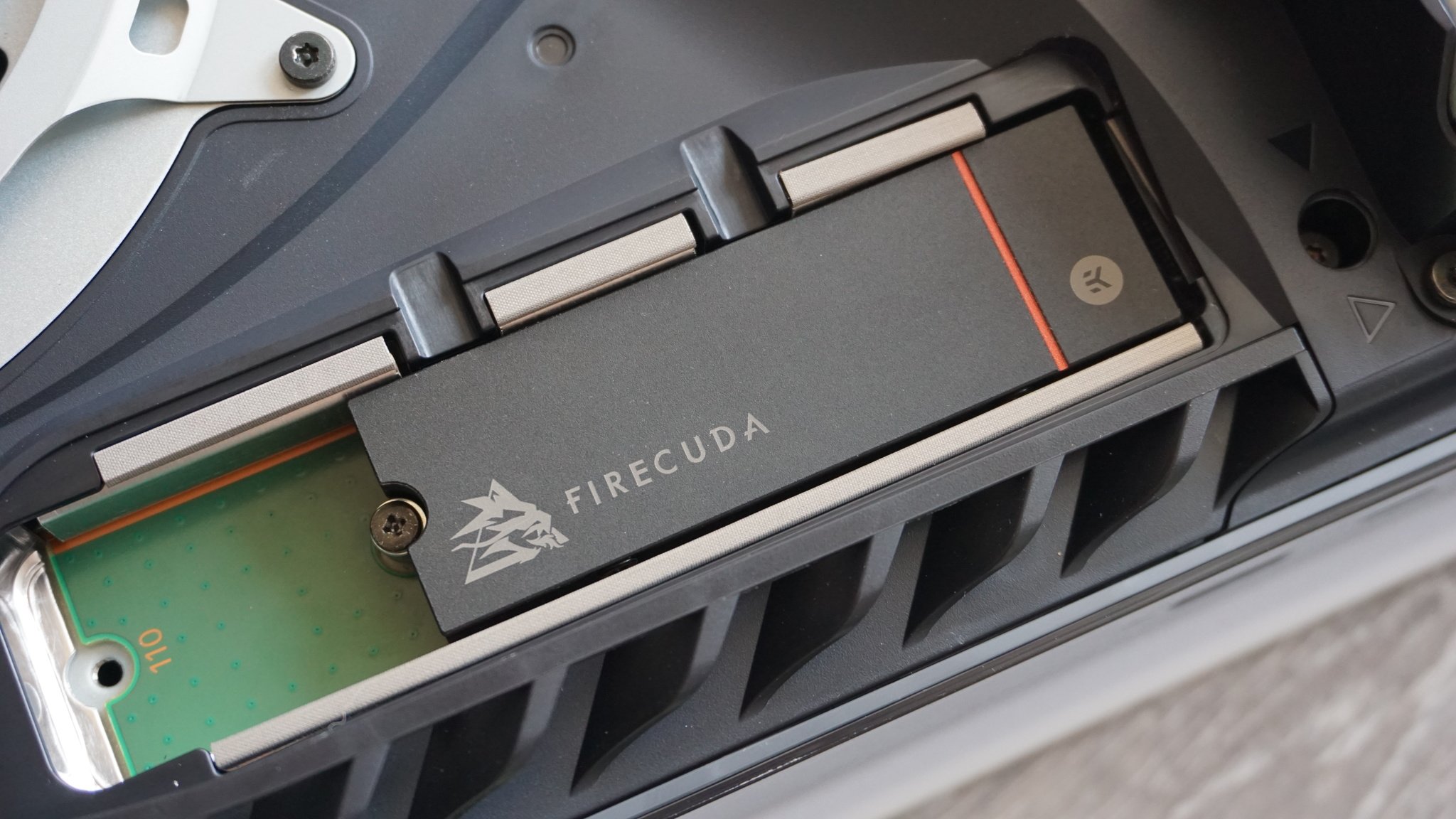
It was already ridiculous when the PS5 was announced with an 825GB internal SSD, oddly foregoing the 1TB option, and it was made worse when only 667GB was usable. The icing on top was that the console didn't support expanded storage at launch, meaning you had to use the PS5's internal SSD to play PS5 games. There was no other option. That is until Sony unlocked expanded SSD storage in a firmware update.

There may be some strict specification requirements, but some of the best SSDs for PS5 work wonders for increasing players' storage.

Looking back at 2021

Taking a step back, 2021 was a solid year for PlayStation as a whole.

Taking a step back, 2021 was a solid year for PlayStation as a whole. Despite game delays and stock shortages, it managed to break sales records and deliver excellent products. That said, when you look at what Microsoft has achieved with Xbox, it's hard to ignore PlayStation's shortcomings. Xbox Game Pass doesn't have a real competitor (yet) and even with Sony's recent studio acquisitions, it doesn't match what Xbox has cultivated in its first-party family.

Considering that 2021 was by no means a normal year, with the pandemic and everything going on, PlayStation faced an uphill battle admirably. Trouble may be stirring behind the scenes according to Bloomberg, which reports high turnover due to Sony's fixation on blockbuster titles, but the company's roadmap gives reason for hope.

What 2022 and beyond holds for PlayStation

As I mentioned earlier, PlayStation has an impressive lineup of exclusives on the way stacked with Marvel titles and franchise entries from its most popular series. But that's not all. A Star Wars: Knights of the Old Republic Remake is in the works, bringing back the acclaimed classic to PS5. Final Fantasy 16, at least at launch, will be PS5 exclusive as well, showing that PlayStation isn't afraid to spend money on deals that benefit it (regardless of what your opinion on timed third-party exclusivity deals may be).

I'm not concerned about the state of PlayStation Studios since it has plenty of IP to draw from. What's going to set PlayStation apart next year is what it can potentially offer with its Xbox Game Pass competitor. We've seen more and more third-party games launch into Microsoft's service, while PlayStation users are stuck spending $60 to $70 a pop each time a new game releases. That adds up. Game Pass Ultimate is $180 per year, the equivalent of just three new games. For a company that prides itself in being "for the players," PlayStation decidedly hasn't always been consumer-friendly.

Not to be content with just releasing its catalog on PC, PlayStation has also committed to mobile gaming. CEO Jim Ryan believes that PlayStation's portfolio would translate well to Android and iOS devices.

Mobile is just one of the areas we are exploring to reach millions of gamers beyond our platforms. PlayStation has a huge catalog of diverse first-party IP that can transition to smartphone gaming and complement our AAA games or live service games. We are exploring the mobile market with some wonderful PlayStation franchises so please stay tuned. Through investments in IP, Group collaboration within Sony, investment in Social and Mobile, we are excited for the opportunity to continue to expand our community and welcome millions of new gamers to the PlayStation family.

Judging by earnings calls throughout the year, PlayStation will certainly be diversifying its portfolio even more in the coming years. We've already seen the beginnings of it happening in 2021. The games industry is a constantly changing and evolving space, so it only makes sense for PlayStation to evolve with it.


from Android Central - Android Forums, News, Reviews, Help and Android Wallpapers https://ift.tt/3eCWFUm
via IFTTT

Tello vs. Cricket Wireless: Which prepaid plan matches your lifestyle?

Trim the fat

Tello

From $5/month at Tello

Pros

  • Very cheap rates
  • Access to T-Mobile LTE and 5G
  • Mobile hotspot on every plan
  • Unlimited plan is one of the cheapest in the industry

Cons

  • Unlimited plan slowed at 25GB
  • Plans lack extras

Tello makes it easy to save with fully customizable phone plans with cheap data. Running on the T-Mobile network, every plan comes with tethering and can be configured up to unlimited with up to 25GB of data. Tello is one of the cheapest ways to try out T-Mobile 5G with plenty of data for most people.

AT&T for less

Cricket Wireless

From $25/month at Cricket Wireless

Pros

  • Family multi-line savings
  • Huge AT&T LTE network with 5G access
  • Unlimited premium data available
  • Data-only plans are available

Cons

  • More expensive plans
  • Phone compatibility is less consistent
  • Hotspot not included with data plans

Cricket is a great alternative to prepaid AT&T with a great variety of plans with a massive unlimited plan that comes with unlimited premium data. You can also start small with as little as 2GB of data. If you want to bring the whole family, most Cricket plans also come with multi-line savings for up to five lines.

Both Tello and Cricket have a large selection of plan options, but when it comes to the smaller plans, Tello is consistently cheaper. Cricket comes with a few extras like Cricket Call Defense to help make the price worth it, but to many, it's not worth the extra cost. For larger plans, Cricket is a much stronger option with more data than Tello's largest plan as well as multi-line savings. Still, all of Tello's plans come with hotspot capability, and its unlimited plan, while smaller with just 25GB of high-speed data, is plenty for most people and much cheaper for a single line.

Tello vs. Cricket Wireless: Pick the right network

Tello was one of the carriers that used Sprint's network before T-Mobile purchased the carrier. Now new activations will be using the new T-Mobile network, which should allow for better coverage and speeds than the Sprint network. Not only that, but compared to AT&T and Verizon, T-Mobile has a significant lead in 5G deployment. If you're looking to make the most of your 5G phone's connection, the T-Mobile network is the way to go, and Tello is one of the most affordable ways to get connected to it.

Cricket is a carrier owned and operated by AT&T so naturally, it uses the AT&T LTE and 5G network. While AT&T's 5G coverage lags behind T-Mobile, its LTE coverage is strong enough that customers should still have more than enough speed for streaming and social media. Even so, all new Cricket plans come with 5G access for when coverage does arrive and the speed limits Cricket used to enforce have been removed.

Both of these carriers have great coverage though there will still be some dead zones for either carrier so it's a good idea to try out a new network with an unlocked phone so you can easily change if it doesn't work out.

Tello vs. Cricket Wireless: Tello's plans

Tello doesn't have traditional plans and instead allows customers to choose exactly how much data they need and how many minutes they need. Whether you're just looking to get set up with enough minutes to make a few calls per month or need unlimited data, you can configure a well-priced plan at Tello.

For minutes, Tello starts with no minutes, 100 minutes, 300 minutes, 500 minutes, or unlimited. Any plan with minutes also comes with unlimited SMS text messages. Data starts the same way with upgrades to 500MB, 1GB, 2GB, 4GB, 6GB, 8GB, and unlimited. If you choose the unlimited plan, your speed will be slowed down to 2G speeds for the rest of the month if you use more than 25GB.

Tello has preconfigured some plans as starting points for its potential customers with the ability to customize them to your needs as you find out exactly how much data and how many minutes you use with the service. For families, Tello allows management of multiple lines from a single account but additional savings are not awarded for bringing more lines.

All Tello plans come with mobile hotspot support so you can share your mobile data with a WI-Fi device. Tello also includes international calling to more than 60 countries including some popular destinations like China, Mexico, and India.

Keep in mind that Tello plans renew automatically every 30 days.

Tello vs. Cricket Wireless: Cricket's plans

Cricket has a more traditional plan structure with four main plans and two data-only plans. The main plans start at 2GB and 10GB with unlimited talk and texting. These plans do not include mobile hotspot but will connect to 5G if you have a compatible phone. The $55 Unlimited Core plan enables unlimited data as well as usage in Mexico and Canada. This unlimited plan also has unlimited texts to 37 countries.

If you upgrade to the $60 Unlimited More plan, your data is upgraded to premium data. This means that your data will be a higher priority than other Cricket customers and will keep your data speeds more consistent on a crowded tower. This plan also comes with 15GB of hotspot data, 150GB of cloud storage with the myPhotoVault app, and HBO Max with ads. Both unlimited plans have video quality limited to 480p.

All Cricket plans come with Cricket Call Defense to help protect you from unwanted scam calls. The 10GB, Unlimited Core, and Unlimited More plans also have savings when you bring up to five lines. These plans also come with auto-pay savings.

The data-only plans are available with 20GB or 100GB of data on LTE or 5G. The 20GB plan comes in at $35 and the 100GB plan is $55 per month. These plans are ideal for devices like the Netgear LAX20 wireless router, mobile hotspots, or tablets that need a SIM card.

Tello vs. Cricket Wireless: Which phones work?

Both of these carriers work with most of the best Android phones you can buy whether you get them unlocked or from the carrier. Some older phones won't have the same level of coverage as newer devices due to both AT&T and T-Mobile using multiple bands to deliver LTE and 5G. For the most part, 5G phones just need to support band n5 for AT&T's current 5G network and bands n71 and n41 for T-Mobile 5G.

Still, it's best practice to check your IMEI with the carrier before signing up just to be sure. You can find your IMEI by entering *#06# in most phones' dialers.

If you're ready for a new phone, you can buy an unlocked phone to bring to the carrier for more flexibility or buy one directly from the carrier. Tello sells a number of mid-range phones new and refurbished. Cricket has a similar tier of phones for sale, though it has a much greater selection. Cricket also allows financing with Affirm if you don't want to pay for everything right now. Just keep in mind that if you buy a phone from a carrier, it's more difficult to bring it to another carrier down the line if it hasn't been properly unlocked or you haven't met the unlock conditions.

Tello vs. Cricket Wireless: Which carrier should you pick?

Both of these carriers have plans that will work well for both light and heavy users. The biggest question when it comes to value is which features matter the most to you. Cricket has multi-line savings with a more advanced unlimited plan available though it's quite a bit more expensive for a single line. The extras like HBO Max are nice but won't make up for the price difference. Still, if you need to get four or more people connected, Cricket can be a great choice.

Tello keeps things simple and consequently is an easy recommendation for those who simply want a carrier that gets them connected, then leaves them alone. All of its plans come with hotspot enabled so you can use your data however you want. While its 25GB unlimited plan won't be enough for everyone, most users will have no trouble getting by on the data and at under $40, it's one of the cheapest plans anywhere with this much data.

Trim the fat

Tello

Everything your smartphone needs for less

From $5/month at Tello

Tello gives you the tools you need to create the perfect plan with up to 25GB of data and great T-Mobile 5G coverage.

AT&T for less

Cricket Wireless

Save money with multi-line discounts on AT&T's network

From $25/month at Cricket

Cricket is a great choice for families with its multi-line discounts and reliable AT&T coverage. You can also sign up for a massive unlimited plan.


from Android Central - Android Forums, News, Reviews, Help and Android Wallpapers https://ift.tt/3FFw9pm
via IFTTT
The Galaxy Z Flip 3 is stealing customers because regular phones are boring

Slabs are old hat now.

Samsung's latest sales update for the Galaxy Z Fold 3 and Galaxy Z Flip 3 are in, and they exceed expectations in every way possible. But it's not exactly impressive that Samsung sold four times the number of foldables in 2021 that they sold in 2020. It's not even impressive that these phones exceeded the lifetime sales of their predecessors in a mere four weeks.

What's impressive is that Samsung has started stealing customers from other brands because, quite frankly, those other brands have become incredibly stagnant.

Initial sales numbers show that Samsung sold around 2 million foldables and is poised to sell up to 10 million by the time the Z Flip 4 and Z Fold 4 debut in 2022 but, it turns out, a significant portion of those sales are coming from people who were once enamored with other brands like the iPhone. This is particularly true for the Z Flip 3.

It's more than just an upgrade

Samsung's own internal data from its trade-in programs and other retail data points show that Samsung has seen a 150% increase in consumers who switched from other brands when compared to the Galaxy Note 20. Similarly, they saw a 140% increase in consumers switching when compared to the Galaxy S21.

But, despite their cutting-edge specs, award-winning cameras, and efforts to make the design stand out among the pack, the Note 20 and Galaxy S21 line are still just slab phones that are easily mistaken for anything else, especially when put into a case.

Given that the Galaxy Note 20 and Galaxy S21 are two of the best Samsung phones around, the difference here is clear: Consumers don't just want another boring spec upgrade. They want something entirely brand-new. Because of this, the Galaxy Z Flip 3 is attracting new customers to Samsung devices in a way that neither the Note 20 nor Galaxy S21 ever could.

Jitesh Ubrani, IDC's research manager of worldwide device trackers, says, "Samsung finds itself in a very favorable position as it's often the only brand with a foldable and no matter what case a user puts or how they hold the phone, it's very easy to tell that the consumer has a very unique device on hand. This is a key selling point for foldables today and is likely why so many users switch brands to Samsung."

The Z Flip 3 is attracting new customers to Samsung devices in a way that neither the Note 20 nor Galaxy S21 ever did.

For most people, foldables still fit squarely into the "magical" category, a category that hasn't existed in the smartphone space in over a decade. I can't tell you how many times people will see my wife's Z Flip 3 and gawk.

The first question always is, "Did you just fold your phone?"

Anshel Sag, a senior analyst at Moor Insights & Strategy, agrees in saying, "I cannot tell you how amazed people still are at seeing my Fold 3 (or any foldable) in the wild; everyone seems extremely impressed by the screen size."

It's this sense of wonder that Samsung has so successfully captured with the Z Flip 3, in particular, as it's a form factor that doesn't deviate from expected norms too much when fully open but completely defies expectations when folded closed.

Of course, you can probably guess the next question they ask her, right? "Do you like it?"

The answer from my wife, so far, has always been, "I love it."

It's this sense of wonder that Samsung has so successfully captured with the Z Flip 3.

But this answer doesn't come from some euphoric feeling that comes from using such a unique device every day. No, that feeling will wane with time as your shiny new foldable phone becomes normal, and you stop gazing at it with wonder every time you fold and unfold it.

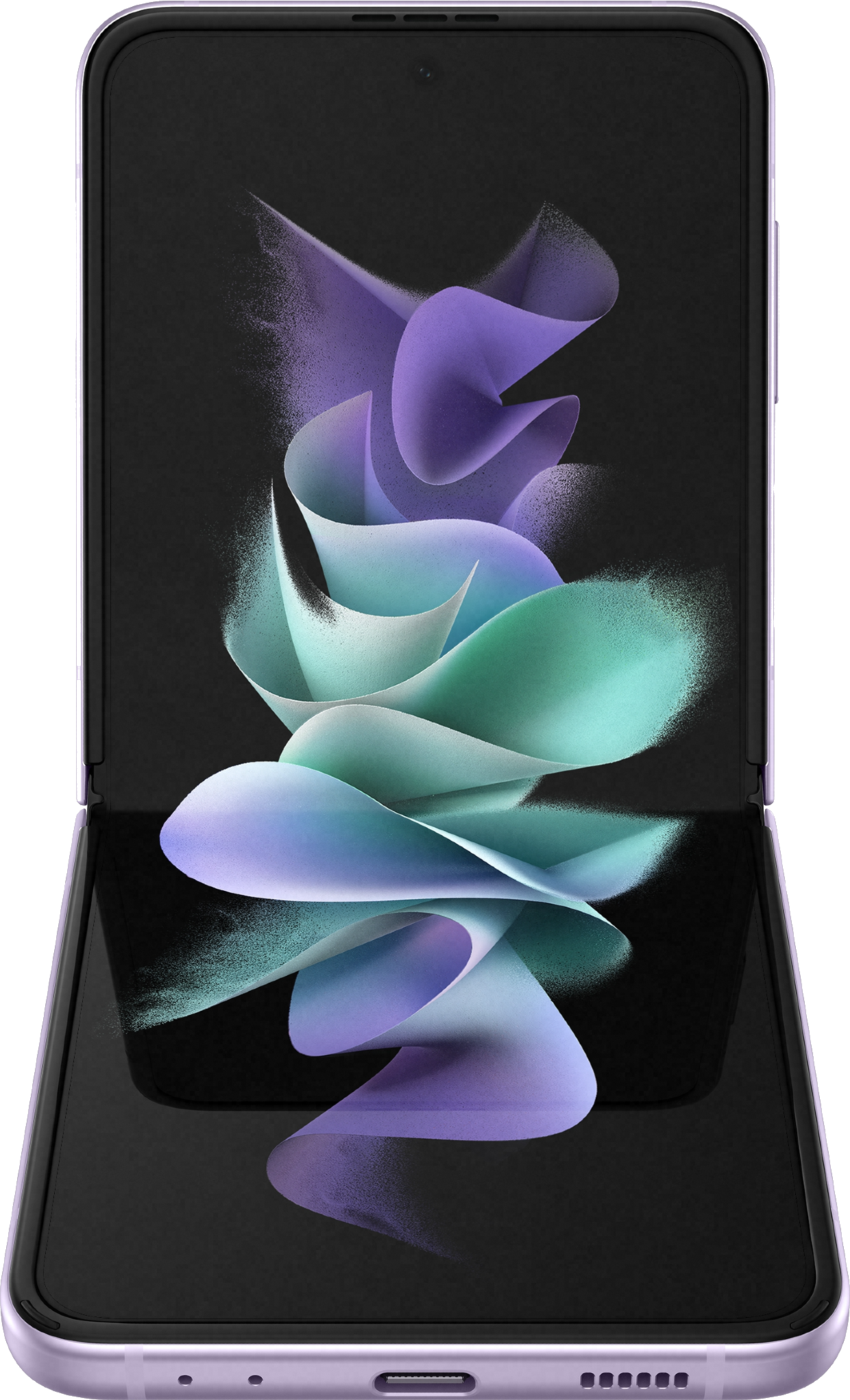
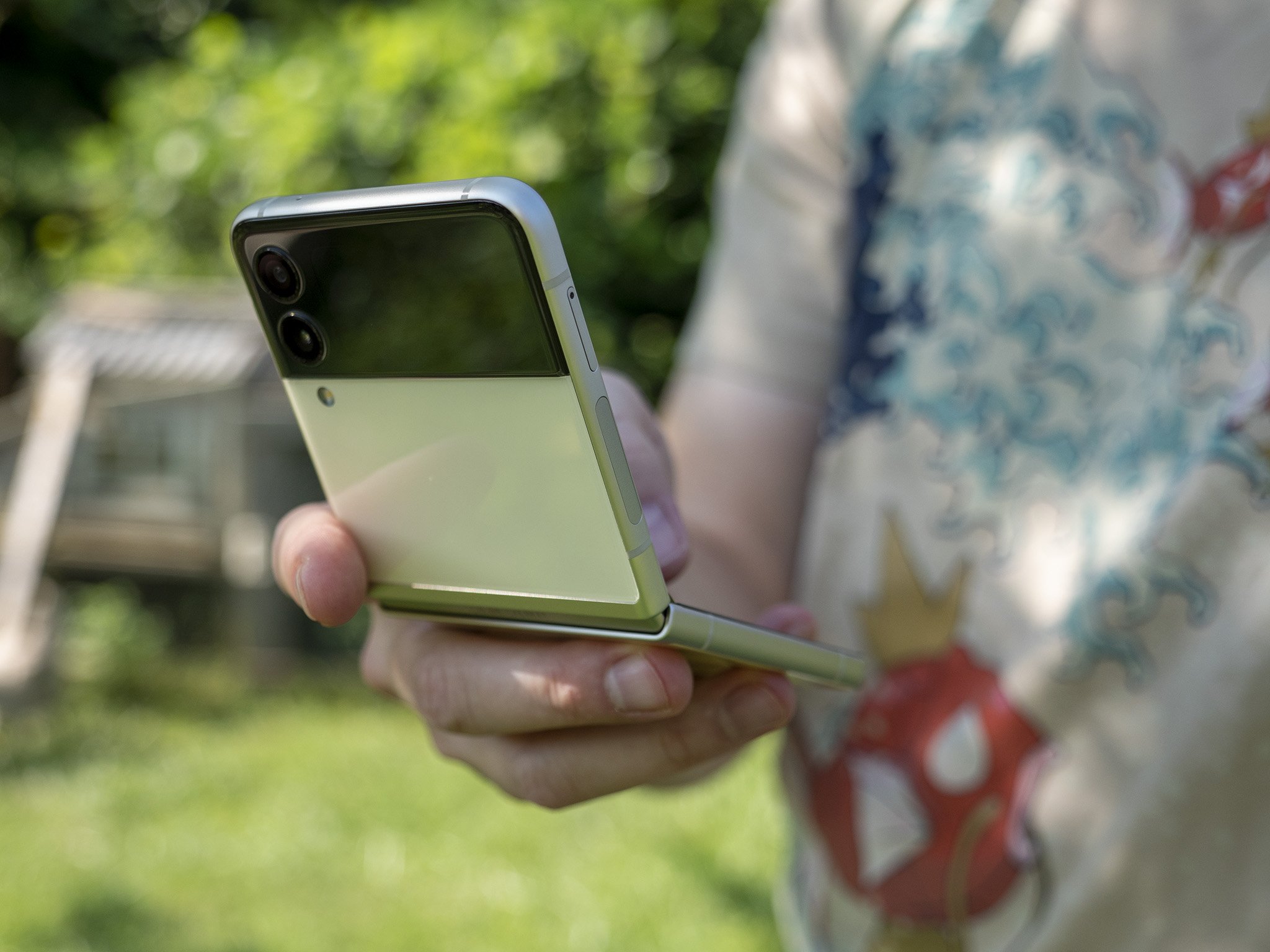
The love for the Z Flip 3 comes from the fact that, when folded, it actually fits in a pocket, a purse, or another place where the giant phones of today simply don't fit. The best part is that you don't have to give up all the benefits of having a large screen since the device unfolds and that, I think, is exactly why people are switching to the Galaxy Z Flip 3 in record numbers.

At the end of the day, most smartphones are going to offer a similar experience. Most smartphones offer a camera that's good enough for the everyday user, and almost all smartphones can run the same apps and games without issue, especially in the premium price range.

And that's another area where Samsung has clearly shown leadership among the crowd. Launching at $999 — or the same price as a Galaxy S21 Plus — the Z Flip 3 was already right in line with consumer expectations for premium phones. Not only that, but Samsung's trade-in programs are above and beyond what other companies offer.

As Ubrani puts it, "Having a price point that's comparable to other flagships as well as offering great trade-in deals has also gone a long way in attracting customers from other brands."

Samsung's marketing division has also done a bang-up job at hyping up the phone, even going so far as to include it in popular TV shows and movies.

But how long will it be before other brands catch up? Sag thinks that "2022 will definitely be the year we see a lot more foldables and some competition, especially from the likes of the OPPO Find N."

I definitely agree, especially with OPPO's hardware on the Find N. But companies will need to start releasing their foldables more internationally, as Samsung has, to compete.

The love for the Z Flip 3 comes from the fact that, when folded, it actually fits in a pocket, a purse, or another place where the giant phones of today simply don't fit.

I'd also say — especially in the case of larger format foldables like the Galaxy Z Fold 3 and the OPPO Find N — that companies are going to have to continue software innovation to make those form factors make sense. Clamshell foldables like the Z Flip 3 are an easy sell because of the obvious size benefits, but convincing people that they need a tablet with them at all times requires a bit more finesse.

Once that happens, it's certainly not hard to imagine a world where foldable phones are more common than slabs.

Flip phones are back

Samsung Galaxy Z Flip 3

From $800 at Best Buy $925 at Amazon

Small enough to fit in your pocket, big enough to get things done

The new Galaxy Z Flip 3 is perfect for anyone who misses the good old days when hanging up was as dramatic as slamming your phone shut. And with the larger external display, it's perfect for controlling music, checking messages, or taking selfies with the dual-camera setup.


from Android Central - Android Forums, News, Reviews, Help and Android Wallpapers https://ift.tt/3FJUvy0
via IFTTT