You're probably aware of Amazon's Echo lineup of smart speakers, but did you know that there are now Echo Show smart displays in different sizes? These awesome devices let you view live TV and sports, check recipes, make video calls, control compatible smart home devices, and more.
For today only, you can save as much as $57 on an Echo Show device at Woot thanks to a stellar open-box promotion meaning you don't have to wait until Amazon Prime Day for a deal. Prices start at just $64.99 for these unused devices that each carry a 90-day warranty.
Amazon's Echo Show line is easily the most versatile of its Echo devices. Rather than just being a smart speaker like the majority of Echo devices, the Echo Show also has a built-in screen that lets you view your photos, movies, and shows from services like Prime Video and Hulu, weather forecasts, and more. Best of all, you just simply have to ask Alexa to find what you're looking for.
These devices can control compatible smart home devices too; ask Alexa to turn off your Philips Hue lights when it's time to go to bed or turn on your Fire TV right before your favorite show starts. The number in the Echo Show's name refers to its screen size, so the Echo Show 5 has a 5-inch screen while the Echo Show 8 has an 8-inch screen. The original Echo Show is the largest with a 10.1-inch display.
Shipping at Woot is generally $6 per order, though you can score free shipping by logging in with an Amazon Prime account before checking out. If you're not a Prime member already, consider starting a free 30-day trial to score free shipping at Woot and Amazon, exclusive members-only discounts, and more.
If you're not sure about which Echo Show device is right for your home, you can learn more about the devices in this guide to the Best Echo Show in 2020.
from Android Central - Android Forums, News, Reviews, Help and Android Wallpapers https://ift.tt/2ELpDDf
via IFTTT
Images reveal a fully-working device in retail demo mode.
It comes hours before Google's September 30 event to announce the phone.
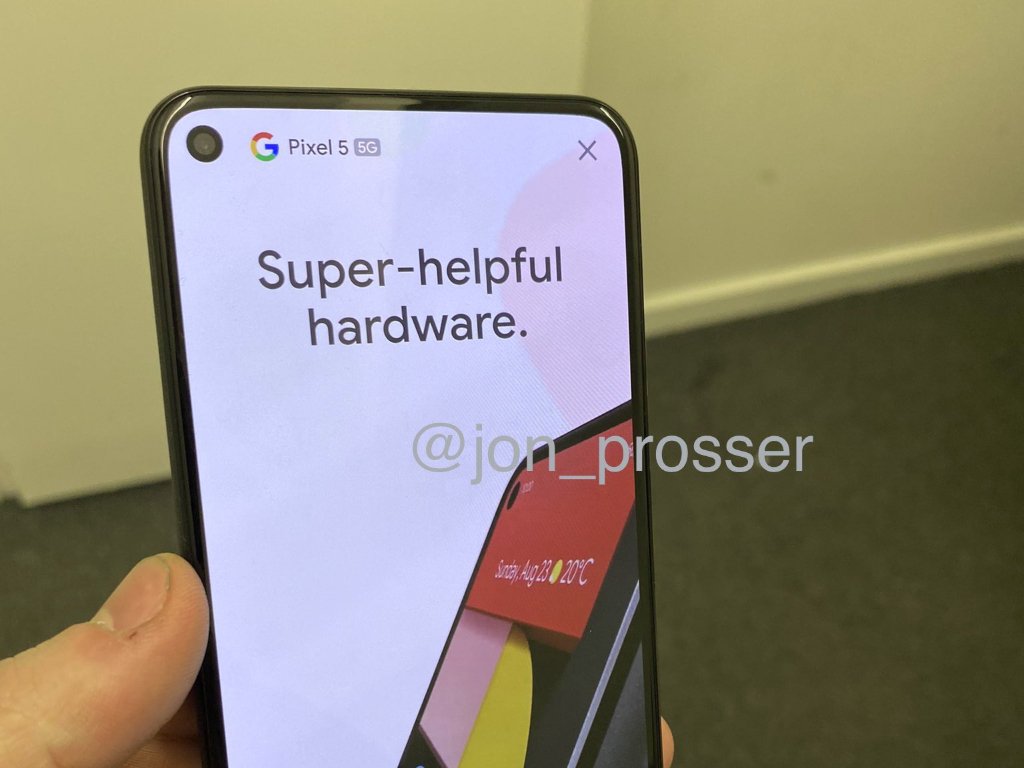
Google is hosting its Pixel 5launch event later this evening, and just hours before the event, Jon Prosser has leaked photos of the new device in full.
Posted to Twitter this morning by Prosser were the following images:
The leaked photos look at whole lot like previous leaks of the phone that we've seen, featuring a small, hole-punch camera on the front, metal chassis, and a dual-set of rear cameras.
Previously it has been rumored the Pixel 5, will ship with a 6-inch 90Hz FHD+ OLED display, Gorilla Glass 6, Snapdragon 765G, 8GB of RAM and 128GB of storage. Keeping all of it running will be a 4,000mAh battery with fast-charging.
The phone leaked by Prosser appears to be a device in retail demo mode and is the clearest leak yet we've seen of the new device.
Google will unveil the phone later today in all of its glory, at its Google Pixel 5 Event, which takes place at 2 pm ET/ 11 am PT. Nothing says "Launch Night In" like an 11 am start time...
Alongside the Pixel 5, Google is expected to announce a new Pixel 4a 5G, a new Chromecast which features built-in Android TV, and a successor to Google Home dubbed Nest Audio. There are also murmurings of a new nest Learning Thermostat, but this is unconfirmed.
If rumors are correct, the Pixel 5 will be available in both black and a very cool and subtle matte green color reminiscent of Samsung's Mystic Green.
If you want to tune in to the Google Pixel event, make sure to check out our live streaming guide below:
The Pixel 3a was hailed as one of the best affordable phones of 2019, and for 2020, we have its successor in the form of the Pixel 4a. The camera is better than ever, performance is plenty fast, the battery is reliable, and there's even a headphone jack. Assuming you're a fan of smaller phones and don't mind the boring design, the Pixel 4a is one of the best deals out there.
from Android Central - Android Forums, News, Reviews, Help and Android Wallpapers https://ift.tt/3n3Re3J
via IFTTT
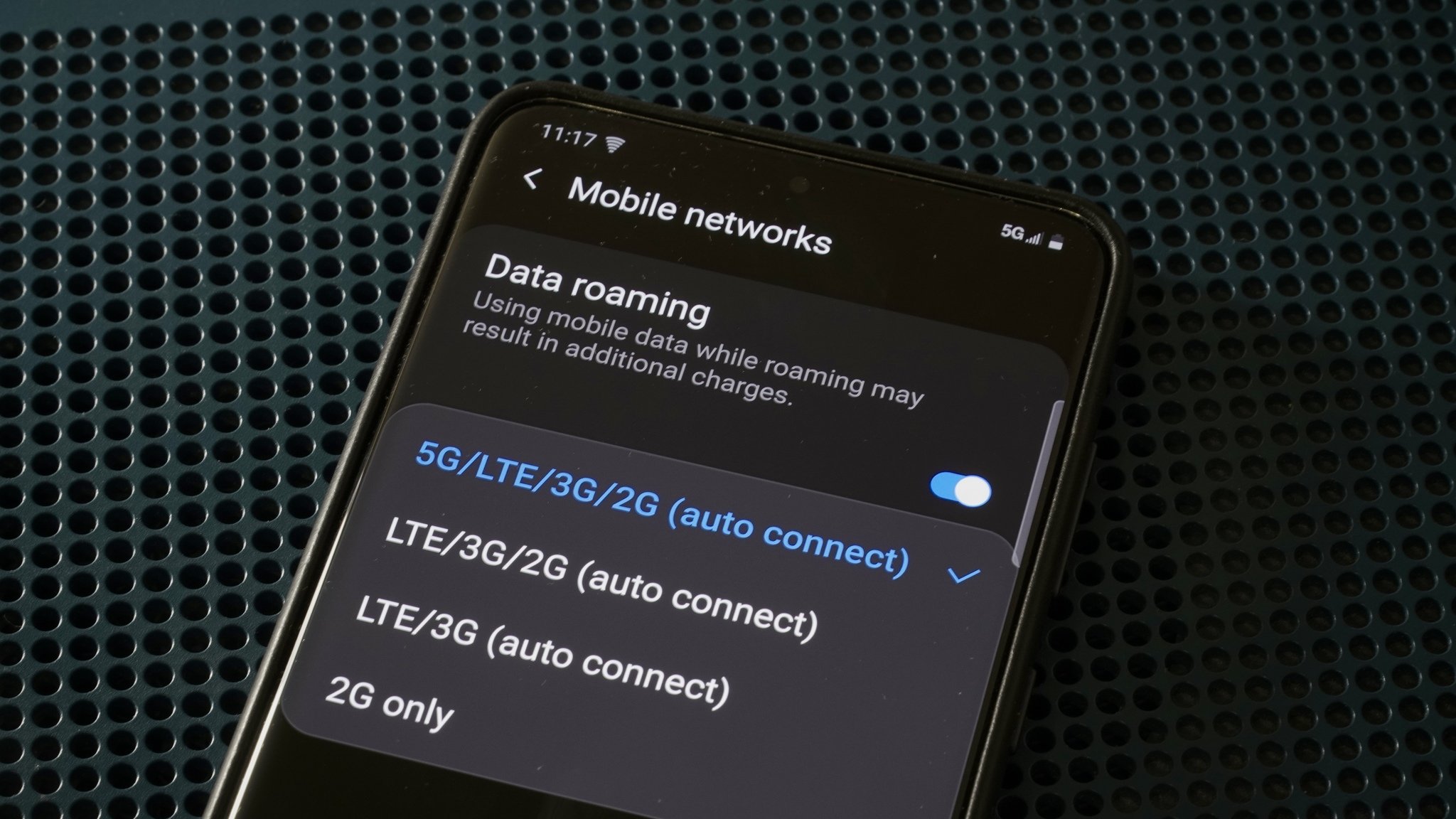
All of the major U.S. carriers are hard at work on their 5G strategy. AT&T, T-Mobile, and Verizon have launched 5G networks and are aggressively expanding those networks through 2019 and into 2020. Recently, Sprint's 5G network was devoured by T-Mobile and taken offline as T-Mobile recycles Sprint's spectrum. 5G service not only provides faster speeds but also reduced response times, allowing for new services and cloud computing not previously available.
5G is taking hold in the U.S. and it's no coincidence that many of the best 5G phones are also some of the best Android phones in general. For now, the major difference between LTE and 5G will be speed, but as coverage continues to roll out to new areas, more services that rely on instant connectivity should become possible.
Frequencies and coverage
Carrier
Bands
Verizon
n261 (28GHz)
T-Mobile
n71 (600MHz)
n41 (2.5GHz) from Sprint
n260 (39GHz)
n261 (28GHz)
AT&T
n5 (850MHz)
n260 (39GHz)
Building a 5G network is a balance between capacity and coverage. With the high-frequency bands, known as mmWave, carriers get access to huge chunks of spectrum, allowing for fiber-like speeds over the wireless network. While it's not the first time the frequencies of mmWave bands have been used, this is the first time it has become economically feasible to use them for mobile broadband.
Lower frequencies are less susceptible to interference, meaning fewer but larger towers need to be built to cover an area than mmWave. Since there is less lower-frequency spectrum available, plus more people will be sharing one tower, speed is much more limited. With mmWave, you will have a tower for smaller areas like a neighborhood. This is kind of like how your Wi-Fi is very fast but only works in your home.
While T-Mobile is making the most out of its 600MHz and 2.5GHz spectrum for a solid balance of coverage and speed, Verizon and AT&T will be leaning heavily on DSS, or dynamic spectrum sharing that allows towers to share spectrum between LTE and %G on the fly.
Where Verizon has 5G
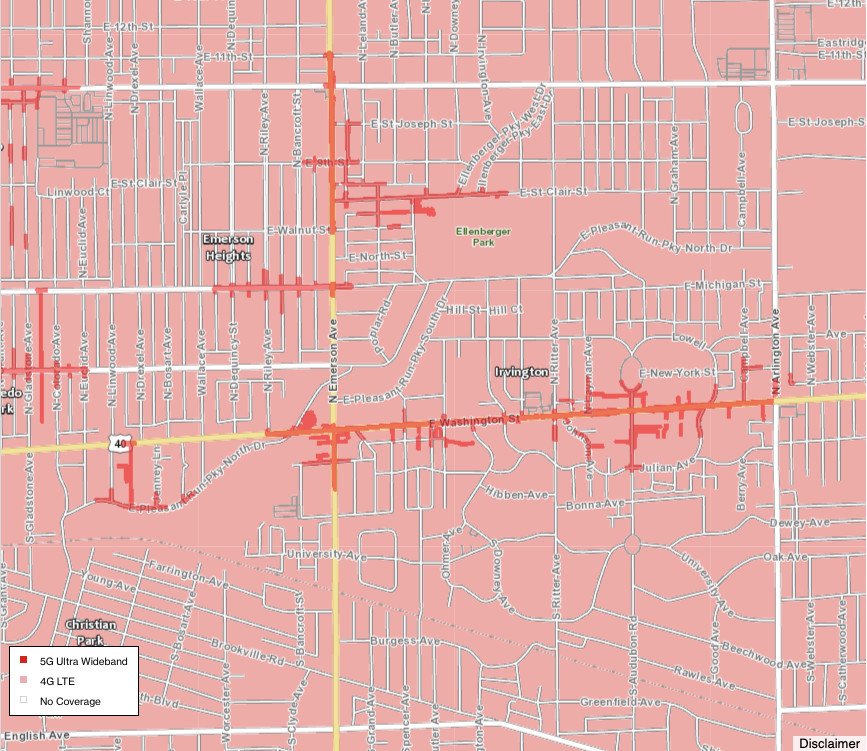
Verizon started small, with only a few cities deploying what it calls 5G Ultra-Wideband (UWB). In short, this version of 5G uses significant chunks of high-frequency bandwidth, around 28GHz, that produce very high speeds but suffer in other areas such as coverage over distance and building penetration. While coverage is dense enough in cities to be included on the list, coverage is still only available in parts of the cities outdoors.
Verizon UWB 5G has made it to 36 cities so far but continues to be spotty at best. Verizon has released a set of maps to help you pinpoint where 5G is available in your cities. This is a helpful addition, but it does show off some of the main coverage weaknesses of UWB.
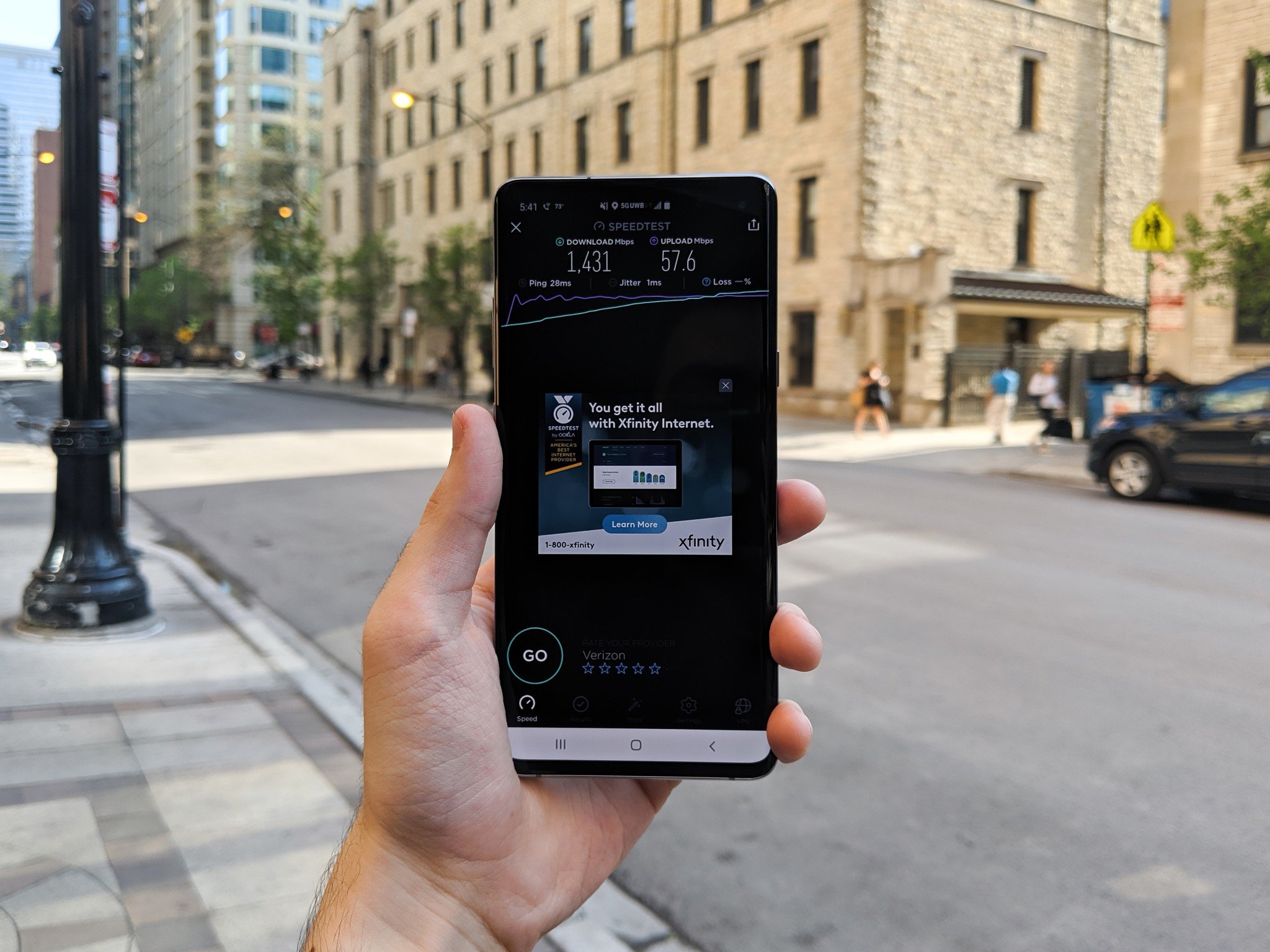
At this time, it is easy to be discouraged about such minimal 5G coverage, but this deployment is only a start for Verizon — it has continued to deploy new cities regularly. Early tests have been positive with us seeing speeds up to 1.4 Gbps. Although these massive speeds are impressive, they probably won't hold up under a full Chicago load, but it's still exciting to see. We're also seeing more specific expansion to places like NFL stadiums or race tracks. While great as a tech demonstration, this doesn't offer much to the customer just yet.
Eventually, Verizon will deploy some sort of sub-6 5G with a combination of DSS sharing its existing LTE spectrum or on its newly acquired spectrum. While it's not going to be hitting phones any time soon, Verizon is working hard to get as much new spectrum as it can.
Verizon has kept focused on its UWB 5G network delivering fiber-like speeds in denser urban areas with a shared-spectrum sub-6 network coming in the future.
Where T-Mobile has 5G
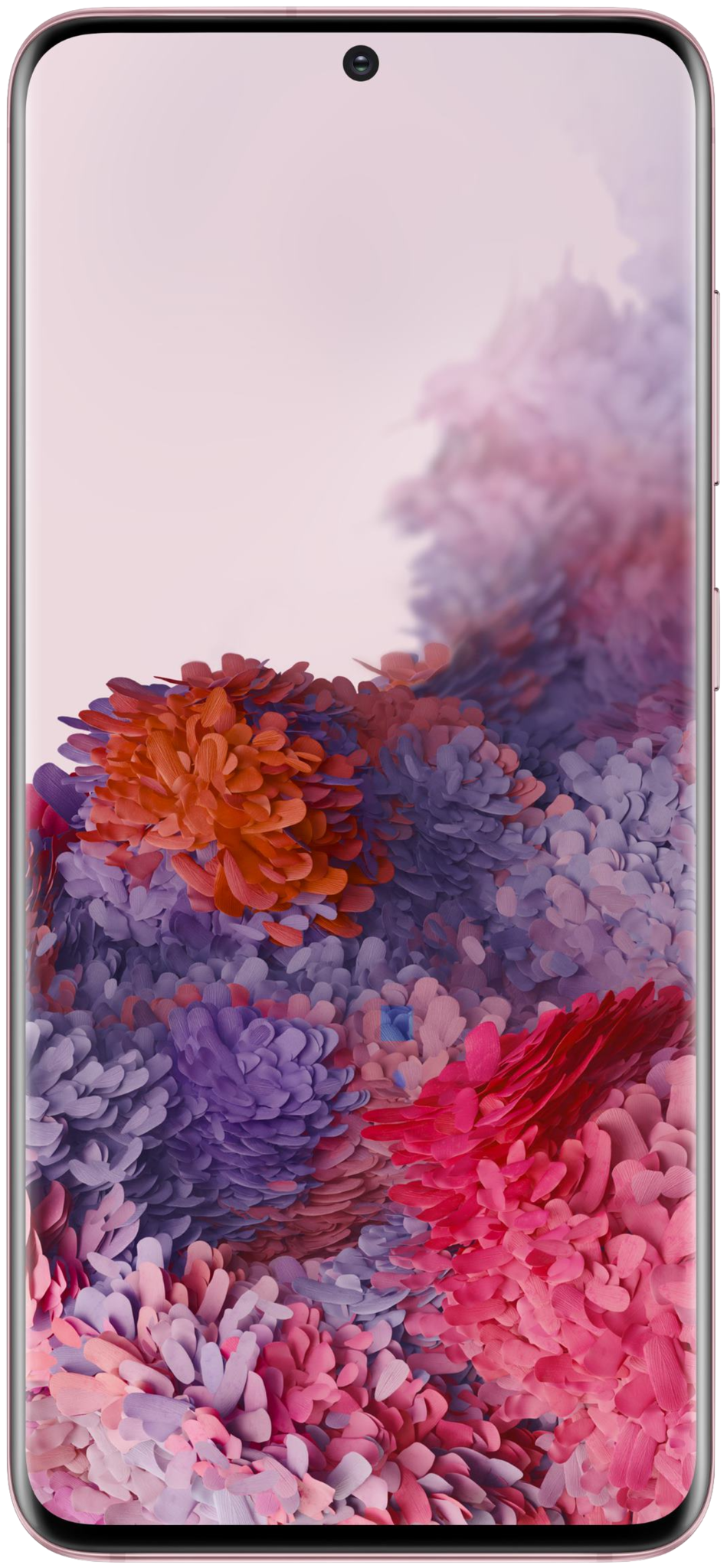
T-Mobile started building a 28GHz or 29GHz high-band mmWave network in the middle of 2019 before following it up with 5G on its 600MHz spectrum. While this lower-frequency 5G isn't as fast as we've seen with mmWave networks, its extensive coverage area makes it more practical for users. Add to that T-Mobile's future usage of its acquired Sprint 5G spectrum and the T-Mobile 5G network is poised to be one of the most capable in the nation. Samsung's Galaxy S20 series phones will all support both the low-band and mid-band spectrum with the larger S20 models supporting high-band as well.
Nationwide coverage
T-Mobile already has an interactive 5G coverage map ready to go. The Samsung Galaxy S20 series, as well as the LG V60 5G, are confirmed to work with both the Sprint and T-Mobile 5G network when the time comes. Some older phones will work with both networks such as the OnePlus 7T Pro 5G McClaren. Looks for bands n41 and n71
Notably, on June 1, 2020, T-Mobile announced a partnership with carrier GCI in Alaska to provide 5G coverage in Anchorage. This makes T-Mobile the first carrier to have 5G coverage in all 50 states.
Metro by T-Mobile, Mint Mobile, Google Fi, and several other T-Mobile-based prepaid carriers also offer 5G on supported phones. Unlike AT&T and Verizon prepaid carriers, there's no special plan or additional fees to use it.
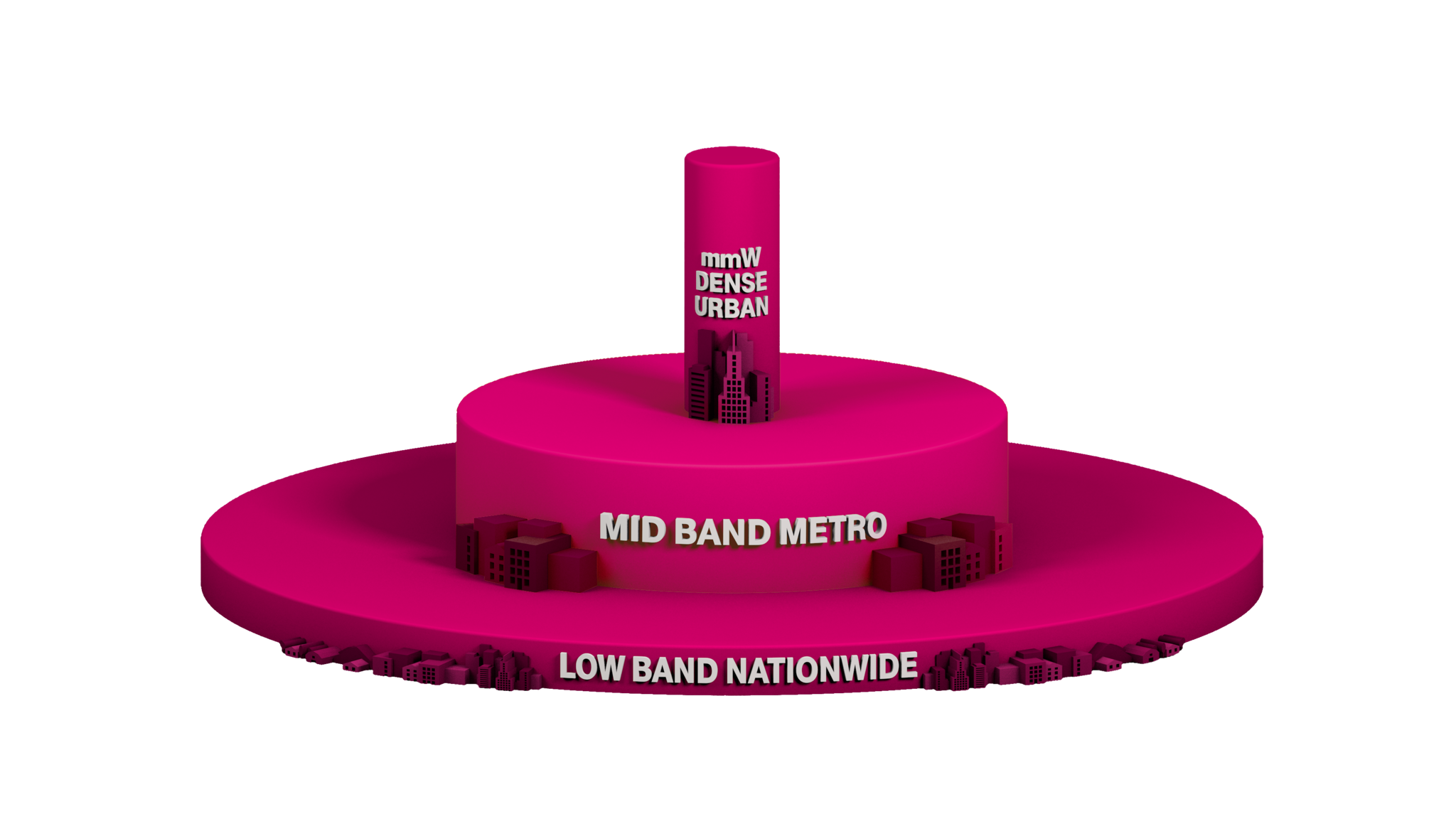
Layer cake and 5G SA
T-Mobile's sub-6 network is on bands n71 and n41 (Sprint) at 600MHz and 2.5GHz, respectively. Its mmWave network is on n260 and n261 at 39GHz and 28GHz. Simply put, a higher frequency has less range and has worse building penetration but much greater potential for high speeds.
In our earlier testing, the raw speed with T-Mobile's n71 600MHz sub-6 network increases compared to LTE weren't anything to write home about. The problem is twofold since there is relatively less bandwidth available on this long-range spectrum and that a phone may prefer to connect to a weaker 5G signal over a stronger LTE signal. This puts 5G in a worst-case scenario for head to head speeds.
To improve this, T-Mobile will continue to upgrade more towers with 5G capabilities. One of the most significant developments has been the move to standalone 5G or 5G SA. Earlier deployments of 5G required a connection to LTE to work correctly. This setup could severely limit network responsiveness and coverage. With 5G SA, T-Mobile is reporting around a 30 percent increase in its 5G coverage as well as a 40 percent improvement in latency.
Another upgrade is the added support for n41 2.5GHz 5G. Sprint managed to secure quite a bit of spectrum, so speeds are a decent upgrade over LTE for the most part, but it doesn't reach nearly as far. Of course, T-Mobile customers with compatible phones and Sprint customers with a Galaxy S20 series phone will be able to access both bands on T-Mobile's 5G network.
T-Mobile now has 5G active on its 2.5GHz spectrum in 81 cities with speeds around 300Mbps peaking close to 1Gbps.
Mid-band 2.5GHz 5G is available in the following cities.
California
Citrus
La Puente
Los Angeles
Paramount
San Fernando
Willowbrook
Florida
Azalea Park
Holiday
Progress Village
Westchase
Georgia
Atlanta
Gainesville
Mableton
North Atlanta
Winder
Illinois
Bellwood
Calumet City
Chicago
Chicago Heights
Glendale Heights
Hanover Park
Ingalls Park
Northlake
Indiana
Merrillville
Maryland
Towson
**Massachusetts
Holbrook
Waltham
Michigan
Bangor
Decatur
Minnesota
Maplewood
New Jersey
Camden
Cliffside Park
Fort Lee
Hasbrouck Heights
North Arlington
Palisades Park
Paterson
Roselle
Totowa
New York
Copiague
East Williston
Freeport
Garden City
Garden City Park
Harbor Isle
Hempstead
Island PArk
Lindenhurst
Long Beach
Malverne Park Oaks
Middle Island
Mineola
New York
Plainview
West Hempstead
Williston Park
North Carolina
Clemmons
Kernersville
Pineville
Stallings
Statesville
Winston-Salem
Oregon
Aloha
Newberg
Sherwood
Pennsylvania
Braddock
Colwyn
Darby
East Lansdowne
Kerrtown
Meadville
Philadelphia
Rankin
Yeadon
Texas
Dallas
Houston
Nassau Bay
Virginia
Bailey's Crossroads
Bull Run
Highland Springs
Lake Barcroft
Newport News
Sudley
Tysons Corner
Washington
Geneva
Oak Harbor
Snohomish
Washington D.C.
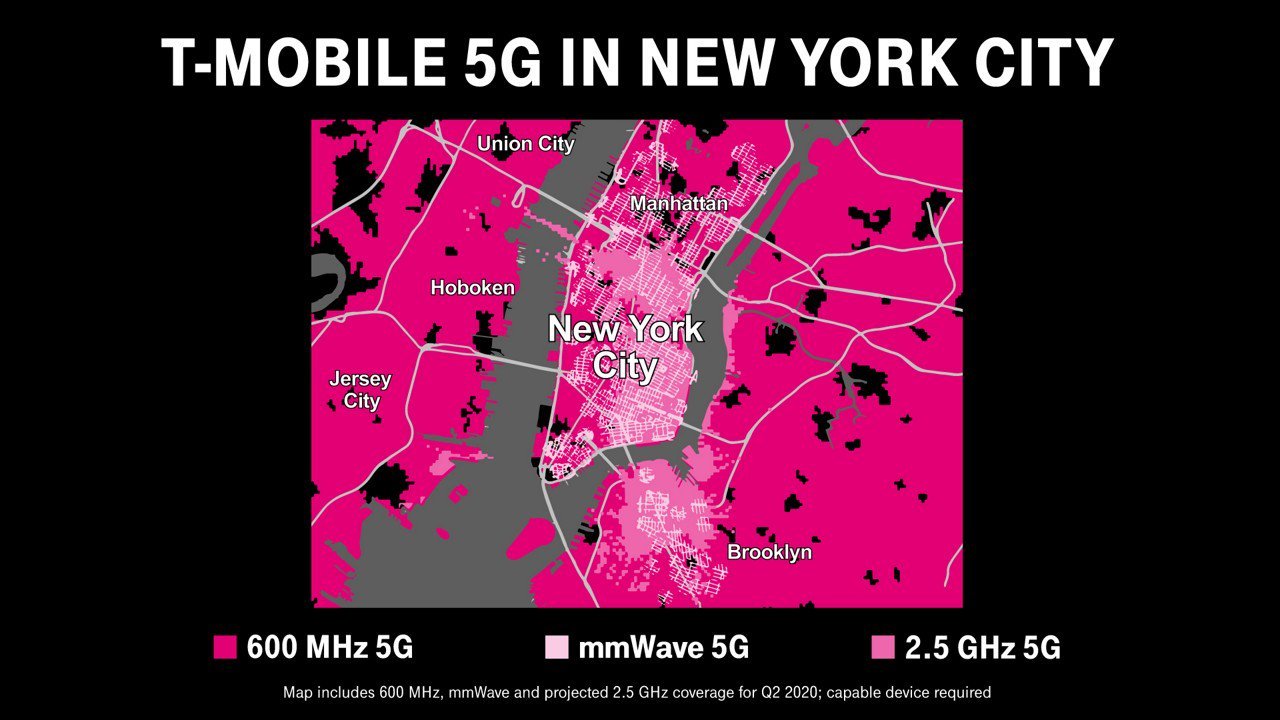
Finally, if you're looking for pure speed, mmWave is the answer but has a range more similar to Wi-Fi than sub-6 5G. With a tower struggling to cover a city block and useless on the far side of a brick wall, it's better suited to very dense areas and even buildings like stadiums. With the cost of tower installation multiplied by the vast number of towers needed, mmWave is going to take years to build out.
High-band, millimeter-wave coverage is available in parts of these cities.
Atlanta
Cleveland
Dallas
Las Vegas
Los Angeles
New York
What about Sprint and Sprint customers
Sprint has now been rebranded as T-Mobile, but for now, Sprint customers will continue to use the Sprint network. In time Sprint customers will be brought to the T-Mobile network, but it has yet to announce a date when that could happen.
Only Sprint customers with a Galaxy S20 phone are currently able to access 5G from a Sprint plan since these phones have been updated to support T-Mobile's nationwide 5G network. T-Mobile is refarming Sprint's 5G spectrum for use as part of its network. That means, however, that Sprint customers with an older 5G phone like the Galaxy S10 5G will get kicked back to LTE since the Sprint version doesn't work with T-Mobile's network. Sprint's coverage maps don't even show 5G anymore.
T-Mobile is allowing customers that are still making payments on Sprint 5G devices like the Galaxy S10 5G, LG V50 ThinQ, or the OnePlus 7 Pro 5G to upgrade to a Galaxy S20 for a discount. T-Mobile is also crediting the customers that purchased the HTC 5G hotspot.
In the long run, T-Mobile will be able to build a fast and robust network with all of that spectrum, but it is a real drag for those that were already using Sprint's 5G network.
T-Mobile is building a nationwide 5G network on low-band and high-band spectrum. It isn't charging customers any more to get on it. With T-Mobile, all you need is the phone and coverage to get 5G.
Metro by T-Mobile is an MVNO with a big focus on data, and that isn't changing. Like its big brother T-Mobile, all plans on Metro get 5G for no extra charge.
Where AT&T has 5G
AT&T certainly has one of the most impressive lists of cities with available 5G coverage. AT&T has launched the majority of its 5G network for business use. AT&T started with millimeter wave, or mmWave before the more recent release of the Samsung Galaxy S20 5G alongside its low-band 850Mhz deployment for consumers.
On June 5, 2020, AT&T began using Dynamic Spectrum Sharing (DSS) to share portions of the spectrum currently only used for LTE with its 5G network. This will allow towers to use spectrum as needed and provide a smooth transition to 5G without needing to take portions of LTE fully offline. This network has launched in parts of north Texas though it will likely see much more extensive use later in the year.
If you're on AT&T and you want to access 5G, you'll need either the Unlimited Elite or Unlimited Extra plan. While there will likely be some improvement over LTE using this 850Mhz 5G, it's not going to hit the super-fast speeds we've seen with millimeter-wave. Still, the 850Mhz deployment should have much better coverage than mmWave and be faster than 4G LTE. AT&T is adding 5G access to the Unlimited Started plan starting August 7, 2020.
5G is now shown on AT&T's standard coverage maps which makes it easier than ever to see how far this coverage has made it. It does take a while for these maps to get updated, so check out the entire list for the most up-to-date locations.
On August 21, 2020, AT&T MVNO Cricket Wireless launched 5G support on a few of its plans. 5G is available with Cricket's top-end unlimited plan as well as its Simply Data plans data-only plans. Cricket is also supporting mmWave with what it's calling Cricket 5G+. AT&T's 5G network still isn't the biggest, but it has had some robust growth over the past months and has a solid coverage map, so you can see if you are covered.
Cities with AT&T 5G service
Alabama
Anniston
Birmingham
Dothan
Florence
Franklin County
Gadsen
Huntsville
Mobile
Tuscaloosa
Alaska
Anchorage
Arizona
Gila
Mohave County
Phoenix (mmWave only)
Arkansas
Clay County
Cleburne County
Cross County
Fayetteville-Springdale
Franklin County
Fort Smith
Little Rock
Madison County
Ouachita County
Polk County
Pope County
California
Alpine County
Bakersfield
Chico
El Dorado County
Fresno
Kinds County
Los Angeles (sub-6 and mmWave)
Madera County
Menlo Park (mmWave only)
Modesto
Mono County
Oakland (mmWave only)
Redding
Redwood City (mmWave only)
Sacramento
Salinas
San Bruno (mmWave only)
San Diego (sub-6 and mmWave)
San Francisco (sub-6 and mmWave)
San Jose (sub-6 and mmWave)
San Luis Obispo
Santa Barbara
Santa Cruz
Santa Rosa
Sierra County
Stockton
Tehama County
Vallejo
Visalia-Tulare
West Hollywood (mmWave only)
Yuba City
Colorado
Colorado Sprints
Denver
Fort Collins-Loveland
Greeley
San Miguel County
Connecticut
Bridgeport
Hartford
New Haven
New London-Norwich
Deleware
Kent County
Wilmington
Florida
Bradenton
Calhoun County
Citrus County
Collier County
Daytona Beach
Dixie County
Fort Myers
Fort Pierce
Fort Walton Beach
Gainesville
Glades County
Hamilton County
Hardee County
Jacksonville (sub-6 and mmWave)
Jefferson County
Lakeland
Melbourne
Miami (sub-6 and mmWave)
Miami Gardens (mmWave only)
Monroe County
Ocala
Orlando (sub-6 and mmWave)
Pensacola
Putnam County
Sarasota
Tallahassee
Tampa
Walton County
West Palm Beach
Georgia
Albany
Athens
Atlanta (sub-6 and mmWave)
Bleckley County
Chattooga County
Dawson County
Early County
Hancock County
Jasper County
Liberty
Macon
Marion County
Warren County
Whitfield County
Worth
Hawaii
Maui County
Idaho
Boise City
Boundary County
Elmore County
Idaho County
Illinois
Adams County
Alton-Granite city
Aurora-Elgin
Bureau County
Champaign-Urbana
Chicago
Clay County
Joliet
Mason County
Montgomery County
Springfield
Vermilion County
Washington County
Indiana
Bloomington
Brown County
Decatur County
Elkhart-Goshen
Evansville
Fort Wayne
Gary
Huntington County
Indianapolis (sub-6 and mmWave)
Kosciusko County
Muncie
Newton County
Randolph County
South Bend
Warren County
Iowa
Sioux City
Kansas
Brown County
Lawrence
Topeka
Wichita
Kentucky
Fulton County
Lexington-Fayette
Louisville (sub-6 and mmWave)
Mason County
Meade County
Trimble County
Louisiana
Baton Rouge
Beauregard Parish
Caldwell Parish
Claiborne Parish
Houma-Thibodaux
Iberville Parish
Lafayette
Lake Charles
Monroe
Morehouse Parish
New Orleans (sub-6 and mmWave)
Shreveport
St. James Parish
West Feliciana Parish
Maine
Portland
Maryland
Baltimore (sub-6 and mmWave)
Cumberland
Frederick
Garrett County
Hagerstown
Kent County
Ocean City (mmWave only)
Massachusetts
Boston
New Bedford
Springfield
Worcester
Michigan
Alger County
Allegan County
Battle Creek
Benton Harbor
Cass County
Cheboygan County
Detroit (sub-6 and mmWave)
Flint
Jackson
Kalamazoo
Manistee County
Muskegon
Newaygo
Minnesota
Duluth
Fargi-Moorhead (North Dakota/Minnesota)
Chippewa County
Hubbard County
Koochinching County
Le Sueur
Milwaukee
Minneapolis
St. Cloud
Mississippi
Jackson
Missouri
Bates County
Callaway County
Columbia
De Kalb County
Joplin
Kansas City
Leake County
Moniteau County
Saline
Springfield
St. Louis
Montana
Beaverhead County
Billings
Deer Lodge County
Great Falls
Lincoln County
Mineral County
Nevada
Lander County
Las Vegas (sub-6 and mmWave)
Reno
Storey County
New Hampshire
Portsmouth
New Jersey
Atlantic City
Hunterdon County
Long Branch
New Brunswick
Ocean County
Sussex County
Trenton
Vineland
New Mexico
Colfax County
Grant County
La Cruces
Lincoln County
San Juan County
Santa Fe County
New York
Albany
Binghamton
Buffalo
Chautauqua County
Elmira
Glen Falls
Jefferson County
New York City (sub-6 and mmWave)
Orange County
Otsego County
Oxnard
Poughkeepsie
Rochester
Syracuse
Utica-Rome
Yates County
North Carolina
Anson County
Charlotte (mmWave only)
Hickory
Raleigh (mmWave only)
Ohio
Ashtabula County
Cincinatti
Cleveland (mmWave only)
Clinton County
Columbiana County
Columbus
Dayton
Hamilton
Hancock County
Lima
Mansfield
Mercer County
Morrow County
Perry County
Ross County
Sandusky County
Springfield
Steubenville
Tuscawaras County
Williams County
Youngstown
Oklahoma
Grant County
Oklahoma City (mmWave only)
Oregon
Clatsop County
Eugene-Springfield
Lincoln County
Medford
Portland
Salem
The Dalles
Pennsylvania
Allentown
Altoona
Bedford County
Bradford County
Crawford County
Erie
Greene County
Harrisburg
Huntington County
Jefferson County
Johnstown
King of Prussia (mmWave only)
Lancaster
Lawrence County
Lebanon County
Northeast
Philadelphia (sub-6 and mmWave)
Pittsburgh
Reading
Sharon
State College
Union County
Wayne County
Williamsport
York
Puerto Rico
Adjunta Municipality
Aguadilla
Aibonito Municipality
Arecibo
Ceiba Municipality
Ciales Municipality
Mayaguez
Ponce
Rincon Municipality
San Juan
Rhode Island
Newport County
Providence
South Carolina
Anderson
Calhoun County
Cherokee County
Laurens County
Oconee County
South Dakota
Kingsbury County
Marshall County
Tennessee
Chattanooga
Fayette County
Giles County
Lake County
Maury County
Memphis
Nashville (sub-6 and mmWave)
Texas
Abilene
Amarillo
Atascosa County
Austin (sub-6 and mmWave)
Beaumont
Brownsville
Bryan-College Station
Burleson County
Chambers County
Cherokee County
Concho County
Corpus Christi
Dallas (sub-6 and mmWave)
Edwards County
Fannin County
Galveston
Houston (sub-6 and mmWave)
Killeen-Temple
Laredo
Lubbock
Navarro County
Newton County
Parmer County
Runnels County
San Antonio (sub-6 and mmWave)
Sherman-Denison
Tyler
Victoria
Waco (sub-6 and mmWave)
Wilson County
Utah
Beaver County
Box Elder County
Provo
Salt Lake City
Virginia
Caroline County
Danville
Frederick County
Madison County
Washington
Bellingham
Clallam County
Ferry County
Kittitas County
Okanogan County
Olympia
Pacific County
Richland-Kennewick
Seattle
Spokane
Tacoma
Yakima
Washington DC
West Virginia
Charleston
Grant County
Huntington-Ashland
Monongalia County
Parkersburg-Marietta
Raleigh County
Tucker County
Wheeling
Wisconsin
Kenosha
Madison
Racine
Sheboygan
Wood County
Wyoming
Casper
Sheridan County
5GE is not 5G
If you have an AT&T phone, you have seen your phone indicate a 5GE connection even if you don't have a 5G phone or plan that supports 5G. This is because 5GE is not 5G. To deploy 5G, a carrier needs a fast fiber connection to the network and upgraded equipment. A 5GE connection is technically LTE but with the most modern hardware and close to a best-case scenario. You may get speeds faster than typical LTE with 5GE, but the fact of the matter is, it's just good 4G LTE.
AT&T has stopped advertising this name recently, but some people with LTE phones may still see it pop up in some areas. For what it's worth, 5GE represents the best of what LTE can do and should be able to deliver great performance.
Real 5G is available in these cities on AT&T. Keep in mind that not all 5G phones support the mmWave network.
AT&T's 5G network has been playing coverage catchup with its sub-6 rivals but is closing the gap fast and already covers more than 120 million people in the US.
5G devices are becoming more capable with advancements in 5G modems such as the newer X55 modem from Qualcomm that has replaced the X50 as the most capable 5G chip.
5G is one of the more exciting things to happen to wireless networking in years and has the same exhilarating feeling that the move to 3G had. If you are a wireless enthusiast and want an easy way to see how 5G is shaping up worldwide, Ookla, the company famous for its internet speed test, has a map showing new locations as providers send them in.
It wasn't too long ago that we named the OnePlus 7T "the best of Android for under $600", but thanks to a limited-time sale at B&H right now, it's becoming the best of Android for less than $400. B&H has the unlocked OnePlus 7T on sale today for only $399. You'll even score free shipping with the purchase.
This unlocked smartphone is suitable for use on GSM networks such as T-Mobile and AT&T. It's not intended to be used on CDMA networks like Verizon. The deal applies to both the glacier blue and frosted silver colorways.
The OnePlus 7T is equipped with a large 6.55-inch display and a Qualcomm Snapdragon 955+ octa-core processor. Along with 8GB RAM, it offers 128GB storage capacity and a sizeable 3800mAh battery to keep it powered all day long without needing to charge it. While it doesn't feature wireless charging capability, it does include the ability to fast charge at up to 30W. Along with running Android 10, this device runs OxygenOS 10 — a modified version of Android made just for OnePlus devices.
This sale at B&H is coming to an end soon, so be sure to place your order before it gets too late if you don't want to miss this offer. Since the OnePlus 7T has been replaced by the OnePlus 8 lineup and the OnePlus Nord in some regions, there probably won't be many more deals on the 7T in the future.
B&H includes free shipping on most orders over $49, including on the OnePlus 7T. While the store no longer offers tax-free purchases in select states, you can still receive the total amount paid for tax back into your bank account when you use the B&H Payboo Credit Card. Apply today and receive an instant approval decision so you can make today's purchase with your new card.
from Android Central - Android Forums, News, Reviews, Help and Android Wallpapers https://ift.tt/3cH86bT
via IFTTT
OnePlus is likely to share more details about the upcoming phone in the coming days.
What you need to know
OnePlus will soon announce a new addition to its Nord series.
The phone might debut alongside the OnePlus 8T on October 14.
OnePlus is also working on an entry-level Nord phone codenamed "Clover."
Earlier this month, we told you that a new OnePlus Nord phone with 5G support and a sub-$400 price tag would be coming to the U.S. later this year. OnePlus has now officially teased the launch of a new OnePlus Nord phone on Instagram, which suggests the Nord N10 5G could be unveiled soon.
Since OnePlus is holding a virtual launch event on October 14 for the OnePlus 8T, it is possible that the Nord N10 will be unveiled alongside the flagship phone. The OnePlus Nord N10 5G will feature Qualcomm's Snapdragon 690 processor, which is the first Snapdragon 600 series chipset to offer 5G connectivity.
While the Nord N10 5G isn't going to be as powerful as the OnePlus Nord, it will still offer great value. The phone will feature a 6.49-inch display with a 90Hz refresh rate and FHD+ resolution. It will also be the first OnePlus phone to come equipped with a 64MP camera. The main sensor at the back will be joined by an 8MP ultra-wide-angle lens and two auxiliary 2MP sensors.
The Nord N10 5G isn't the only phone that OnePlus is working on for the U.S. market. It will also be launching its first entry-level smartphone powered by a Snapdragon 460 chipset in the U.S. later this year for around $200. The upcoming phone, which is codenamed "Clover," will have a 6.2-inch HD+ display, triple rear cameras with a 13MP main sensor, 4GB of RAM, 64GB of storage, and a massive 6000mAh battery.
Xiaomi's product goals don't align with the Chromebook segment right now, but that may change in a few years.
At the outset, Xiaomi feels like the ideal brand to release a Chromebook; the Chinese manufacturer is associated with value, and Chromebooks are all about delivering great value on a budget. If you think about it, a Chromebook would be a perfect addition to Xiaomi's growing portfolio of products.
It's not like Xiaomi is a stranger to the notebook business. Xiaomi has rolled out products in the Mi Notebook series for four years now, and while these products were limited to the Chinese market, Xiaomi introduced the category earlier this year in India with the Mi NoteBook Horizon Edition.
So, why not a Chromebook? I chatted with Xiaomi India's Chief Business Offer Raghu Reddy to understand why the brand hasn't released a Chromebook yet. Reddy is in charge of Xiaomi's product portfolio and has final say in new growth areas and product categories, making him the ideal person to talk to about Xiaomi's Chromebook plans.
Reddy says Xiaomi hasn't released a Chromebook because of the inherent challenges in making inroads into the category. The Chromebook segment leans heavily on business-to-business (B2B) sales; while there are plenty of Chromebooks on sale in markets like the U.S., a decent chunk of purchases are made by school districts or organizations that buy Chromebooks en masse. From Reddy:
We are pretty young in the notebook business — we sell our notebooks in just China and India for now. We're still learning the nuances of this particular category, so we'll first have to get a better handle on how to run the notebook business and then we'll start making some of those calls to venture into new categories.
The best Chromebooks are filled with models from manufacturers that have an established presence in the enterprise segment. As Xiaomi is still primarily a business-to-consumer (B2C) brand that sells directly to customers, it doesn't see a lot of value in entering the Chromebook segment at this point in time:
Xiaomi is a business-to-consumer (B2C) company; our strength lies in being able to reach out to customers directly and offer good value. For now, our aim is to strengthen our consumer business before making a play for the enterprise. Our focus has always been to take it segment by segment; solidify growth in one category before thinking about the next phase of growth.
Interestingly, Reddy revealed that Google broached the subject of Chromebooks when Xiaomi was talking to the search giant over Google Assistant integration for the Mi Smart Speaker. For now, Xiaomi is focused on building market share for its Windows-based notebooks, so we're still a few years out from seeing a Xiaomi-branded Chromebook.
Reddy mentioned that the addressable userbase is a key consideration when deciding to venture into new product categories, and Chromebooks haven't moved the needle enough in markets where Xiaomi has a strong presence. You obviously won't find Chromebooks in China — where Google services are banned — and the devices failed to gain any momentum whatsoever in India over the last decade.
But with Xiaomi focusing on a connected ecosystem as being a key differentiator for the brand. While Chromebooks aren't a focus for the manufacturer right now, that may change in a few years as Xiaomi's notebook business gains momentum.
The Dyson V11 costs a lot of money, but it is well worth the investment.
I used a $150 corded vacuum for the better part of the last five years, and more recently switched to a robot vacuum. It's hard to be excited about a vacuum cleaner (unless you have the Darth Vader Powerbot), so when the folks at Dyson asked if I wanted to take a look at the V11 — the brand's current-gen cordless vacuum — I was ambivalent.
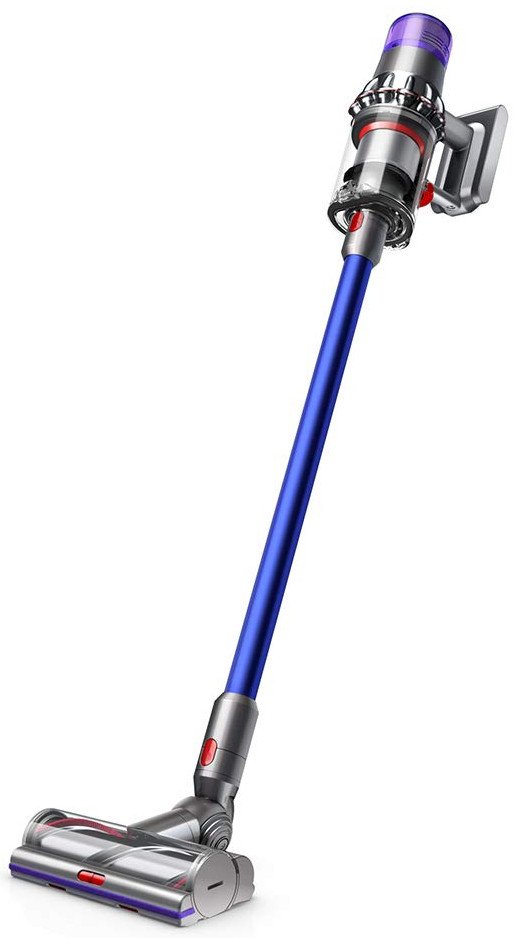
But I attended a demo session (virtually, of course) where a Dyson specialist went through everything the V11 can do, and I was intrigued. What interested me the most was its versatility; with seven attachments in total, the V11 cleans just about any surface. I also liked the fact that it works as a handheld and a regular stick vacuum, and that there's a built-in LED that shows the remaining battery time.
One of the reasons I didn't pick up a Dyson cordless vacuum in the past was because of the price. At just under $700, the Dyson V11 is several magnitudes costlier than regular vacuums, and on par with high-end robot vacuums. But as I've found out over the course of the last four months, the Dyson V11 is worth every penny. It pays for itself when you factor in the time savings versus using a traditional vacuum, and the versatility makes it a fantastic overall choice.
Dyson V11 Absolute Pro
Bottom line: The Dyson V11 is the best cordless vacuum cleaner you can buy today. It delivers outstanding performance in day-to-day use, comes with a lot of useful attachments, and is easy to use and maintain. With a 60-minute runtime, three cleaning modes to choose from, and a built-in LCD that shows real-time battery level, the V11 is a great overall option.
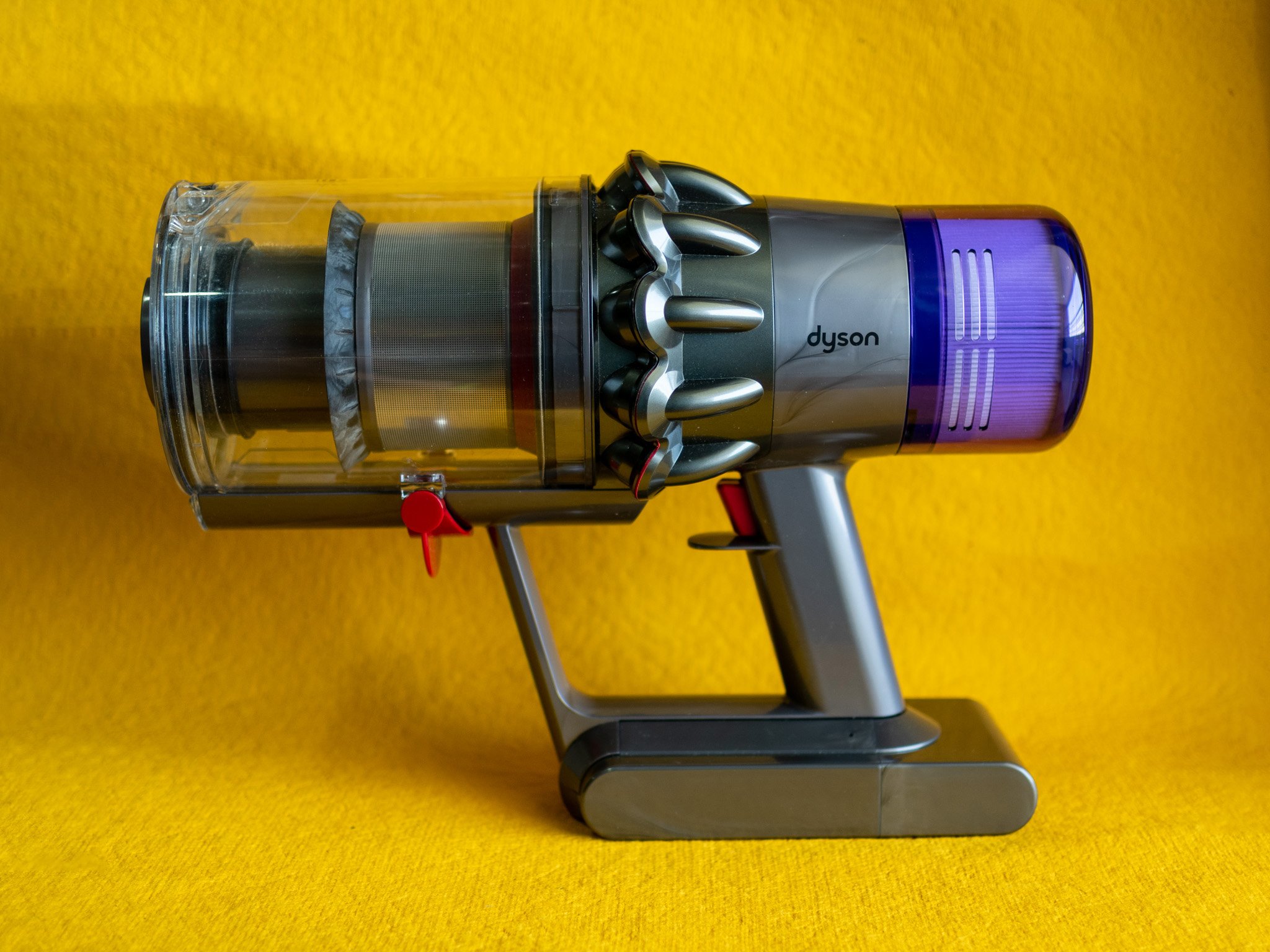
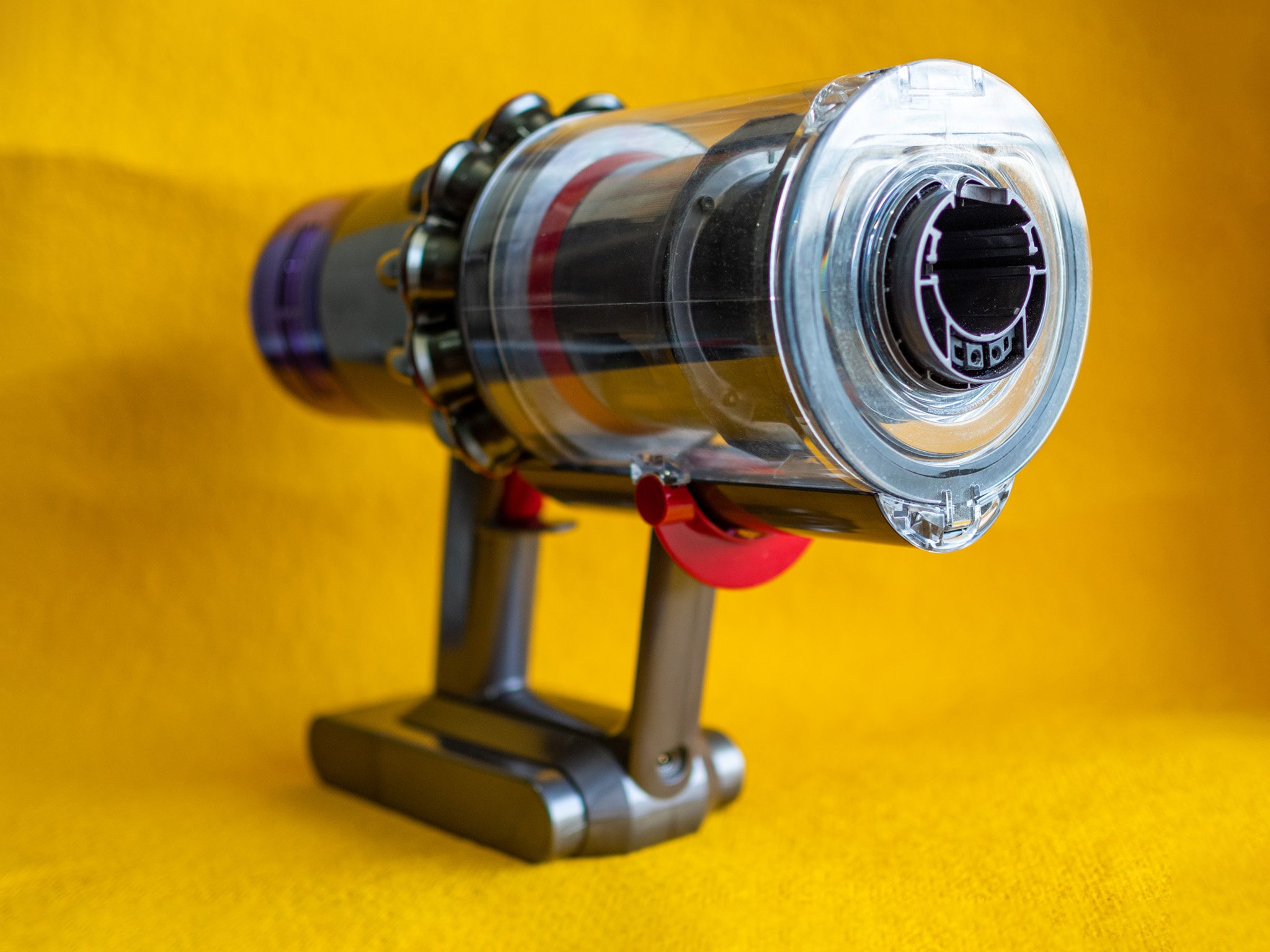
The Dyson V11 doesn't look like any other vacuum in the market today. The design immediately suggests this is a high-end product, and the attention to detail is remarkable. The blue and red accents contrast against the grey finish rather nicely, and the V11 is just a nice-looking piece of kit (I didn't think I would ever say that about a vacuum).
The Dyson V11 combines a sleek design with incredible real-world performance.
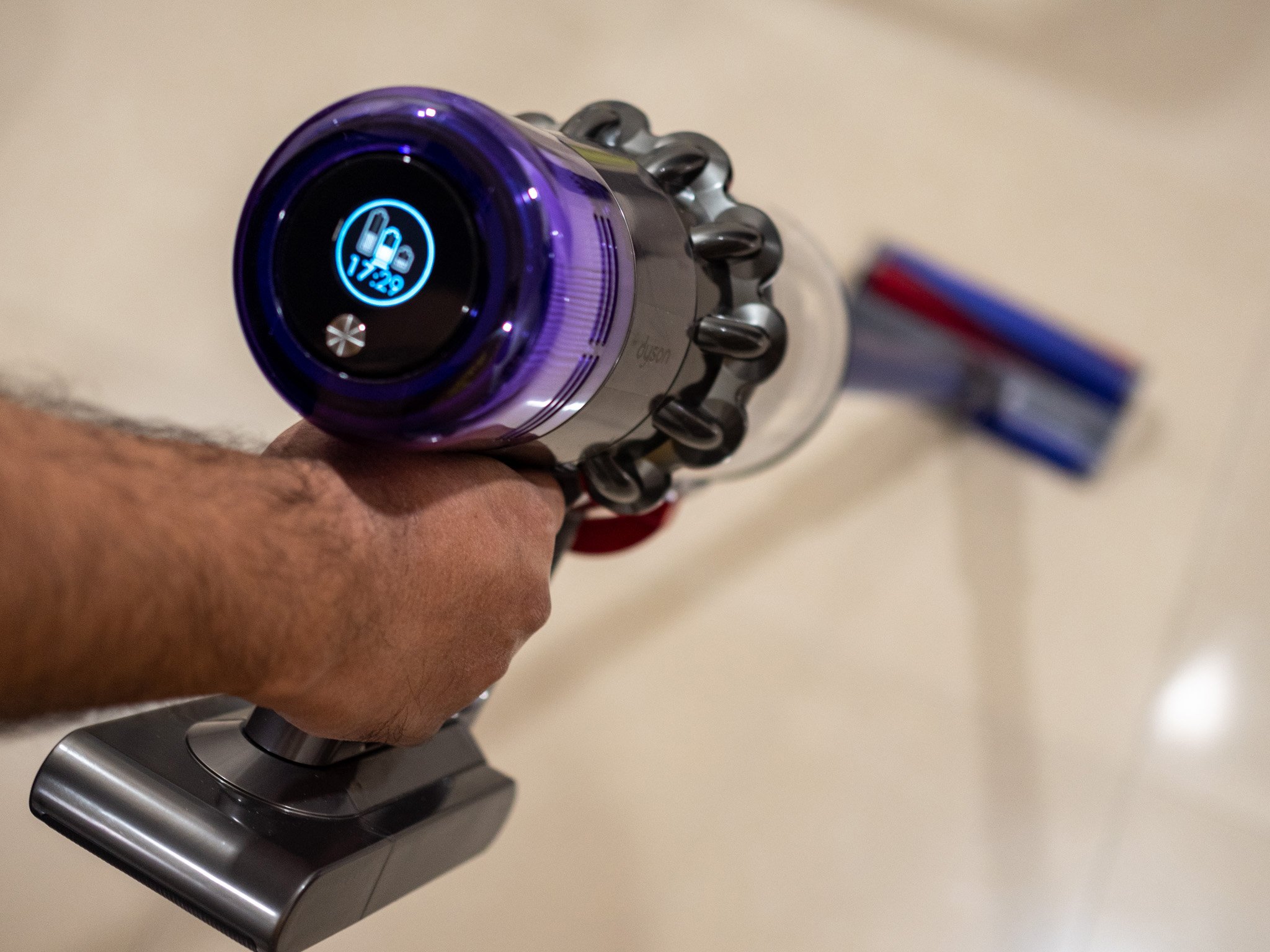
An interesting addition with the V11 is the LCD screen that lets you view the remaining battery and mode. There are three modes to choose from — Eco, Medium, Boost — and for my use case, the Medium mode worked best. You can easily change modes via the button below the screen, and the ability to glance at the screen to see how much runtime is left makes a lot of difference in day-to-day use.
There's also a nifty auto mode that adjusts suction on-the-fly based on the surface. If you're unsure what mode to use, the auto setting is reliable most of the time.
The batteries are built into the main body, and Dyson touts a 60-minute runtime in Eco mode. That's in-line with what I've seen in the last four months, with the Medium mode averaging about 40 to 45 minutes of use. It takes just over four hours to fully charge the vacuum, and the built-in battery life was enough to clean my 2,000 sq. ft. home two times over. The V11 also has "high-integrity seals" located at the back that ensure the dust that's sucked into the vacuum isn't just blown out again.
At the heart of the Dyson V11 is the cyclonic motor, which delivers 185 Air Watts of suction — 20% more than the V10. The suction is powerful for just about any debris or pet hair, and the Dyson V11 holds up incredibly well in real-world usage conditions. I threw biscuit crumbs and oats on the floor to test the V11's effectiveness, and it cleaned them up without any issues. The vacuum is ideally suited if you have pets, with the V11 Animal designed to clean up pet hair.
I routinely use the V11 on tiled floors and carpets, and it is just as effective on either surface. I was unsure whether a cordless vacuum would be able to deliver enough power for cleaning the house, but my worries were unfounded — the Dyson V11 worked just as effectively as my corded vacuum and did a better job than the robot vacuum I was using.
While a robot vacuum is great at automated cleaning, it's limited to cleaning floors and needs a clear route without any obstacles to do an effective job. My home currently looks like a warehouse with the number of packages strewn about, so it was much more convenient to just use the V11 to clean than rely on a robot vacuum. Then there's the fact that a robot vacuum is limited to cleaning floors, and lacks the versatility that you get with the V11.
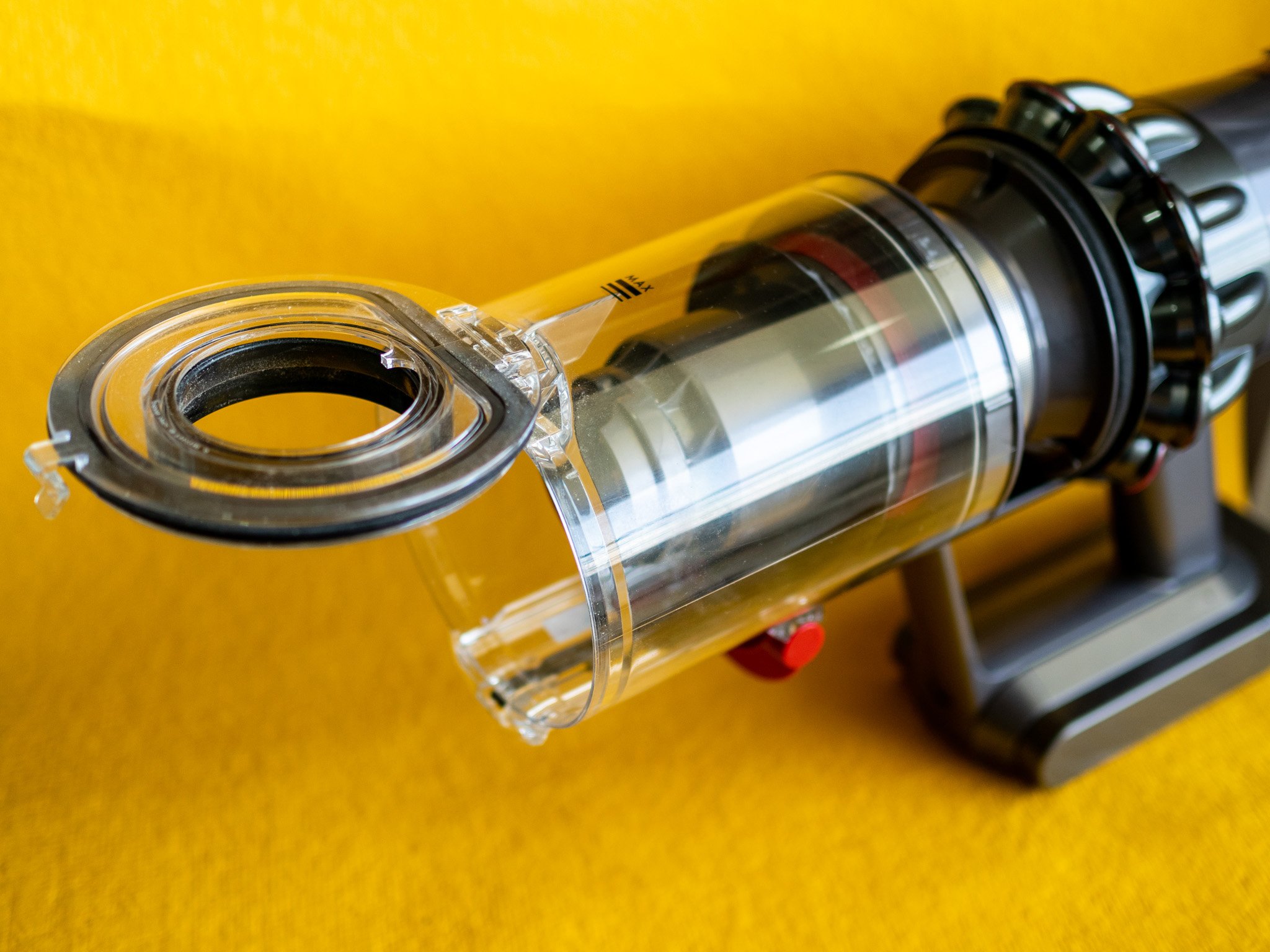
One of my favorite features on the V11 is the easy-release latch for the bin. All you have to do is pull down the lever and the lid at the front pops open, and you can just empty the contents of the bin without coming into contact with it.
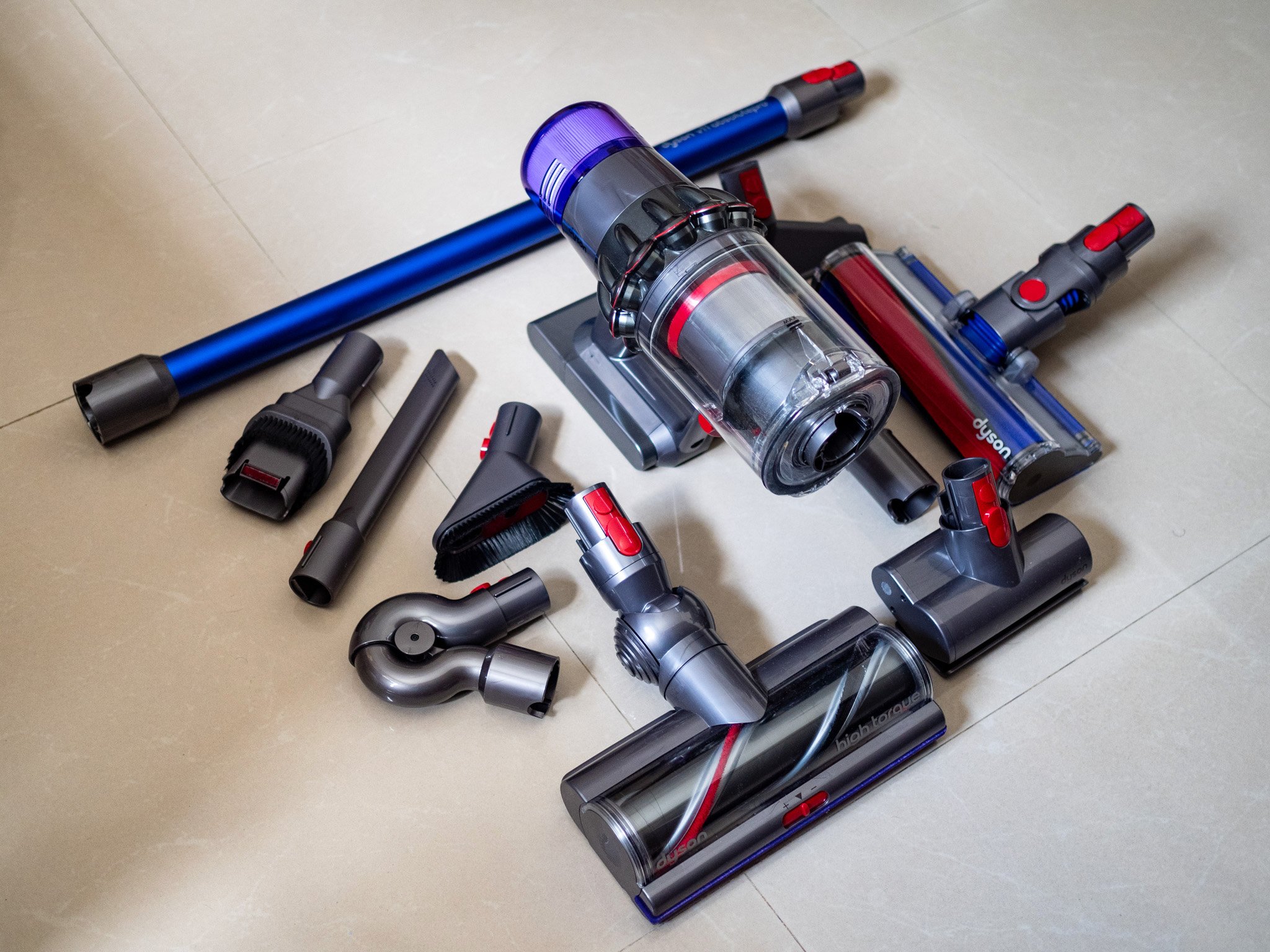
Based on the V11 variant you're picking up, you'll get anywhere from eight to 11 accessories in the box. I'm using the V11 Absolute Pro, and it comes with seven attachments, a docking station, an extension hose, a wand storage clip, and two extensions bundled with the package. The attachments include a high torque cleaner, soft roller cleaner, a combination tool, a crevice tool for cleaning between sofa cushions, a mini motorized tool, a soft-dusting brush, and even a mattress cleaner head.
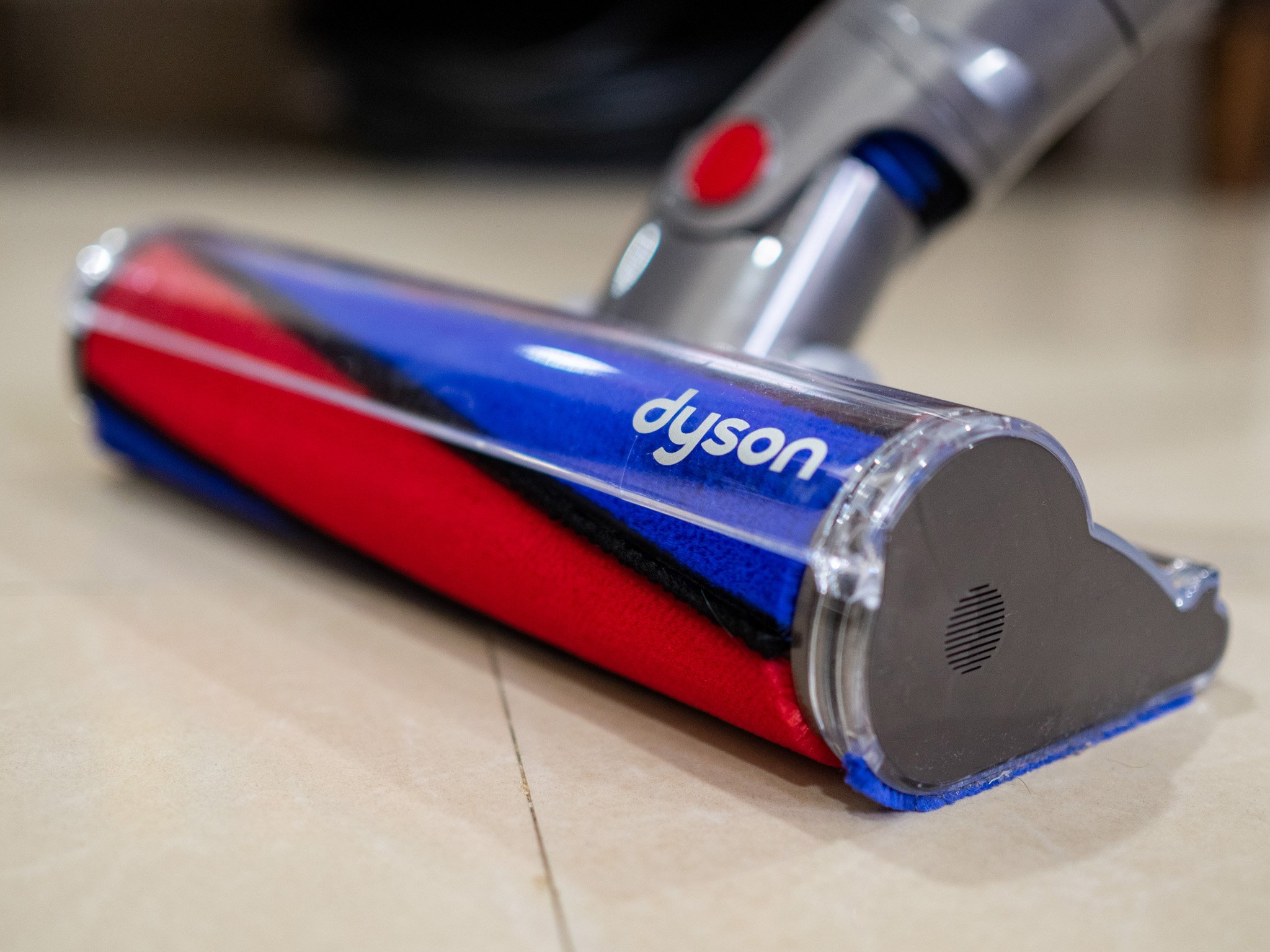
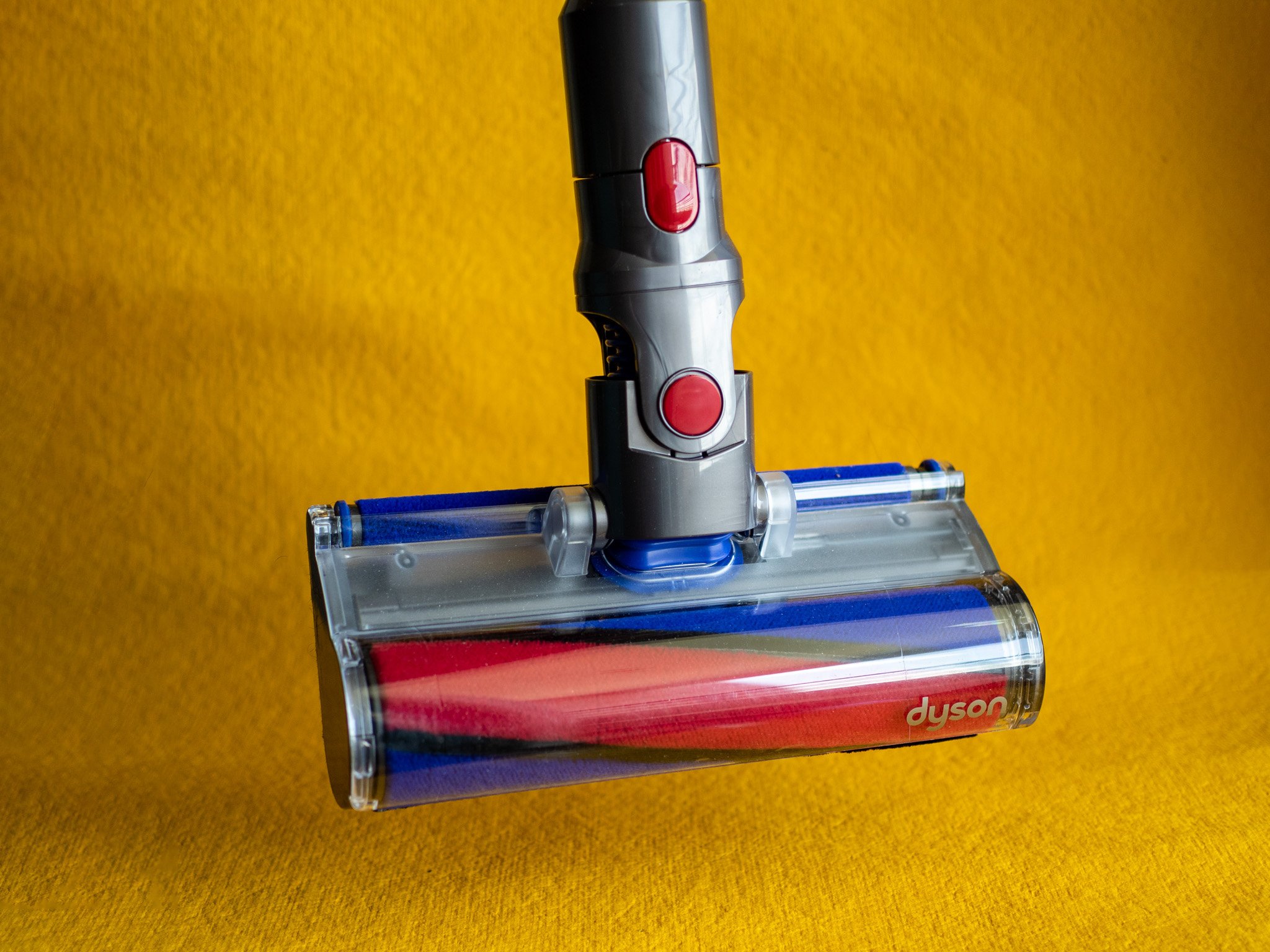
I used the soft roller and high torque attachments most of the time, and the best part about these cleaner heads is that they have an articulated design, making it a breeze to clean under the sofa or under the bed. All the accessories attach to the body with a satisfying click. As you'd imagine for a high-end vacuum, the fit and finish here is top-notch, and the V11 should hold up just fine even after several years of use.
Dyson V11 Absolute Pro What needs work
If there's one thing I would change about the V11, it would be the option to switch out batteries. Right now, the batteries are built into the body of the unit, and while the battery life is still just as good as four months ago, Lithium-ion batteries degenerate over time, so a removable solution with the ability to switch out batteries after a few years would have been ideal.
Dyson V11 Absolute Pro The competition
If you don't want to shell out $700 on a vacuum cleaner, you can pick up Dyson's older models at discounted prices. The Dyson V10 is now $440, and that's very decent value for what you're getting with the vacuum.
The Dyson V7 is even better value at $287. Sure, you don't get quite the same amount of suction power as the V11, but it manages to do a great job in day-to-day usage. You get a 30-minute runtime between charges and a variety of cleaning attachments.
Dyson V11 Absolute Pro Should you buy?
You should buy this if ...
You want a powerful cordless vacuum
With a powerful motor and 60-minute runtime, the Dyson V11 dominates in terms of real-world performance.
You want a vacuum with lots of attachments
See yourself using the crevice tool a lot? The V11 comes with seven attachments and a few other accessories, making it a great option.
You need a vacuum that's easy to maintain
The V11 has an easy-release lever for getting rid of the accumulated garbage.
You should not buy this if ...
You want an affordable model
The Dyson name carries a premium, and that makes the V11 one of the costliest vacuums around.
Testing the Dyson V11 over the last four months made me realize just how effective it is around the house. I abhor chores of any kind (I'm waiting for a robot dishwasher that loads itself) but found myself liking the V11. It cuts down on the amount of time I take to clean the house, and that alone makes it an easy recommendation.
Ease of use is one of the biggest selling points of the Dyson V11: the cordless design eliminates a lot of the hassle involved in using a vacuum, the easy-release lever ensures you can get rid of the dust accumulated in the bin without touching it, and the versatility on offer makes the V11 a standout choice in this segment.
4out of 5
Yes, you're paying a lot of money for a vacuum, but you are also getting an incredible product. The time-saving alone justifies investing in the V11.
Dyson V11 Absolute Pro
Bottom line: The Dyson V11 has everything you could ask for in a cordless vacuum. It looks great, delivers outstanding performance, and the number of attachments on offer makes it the most versatile vacuum in the market today. Yes, it is costlier than other cordless options, but you are getting your money's worth here.