LightBlog

jeudi 2 janvier 2020

What do you think about the Galaxy S11 being called the S20?

Let's have a chat with the AC forums.

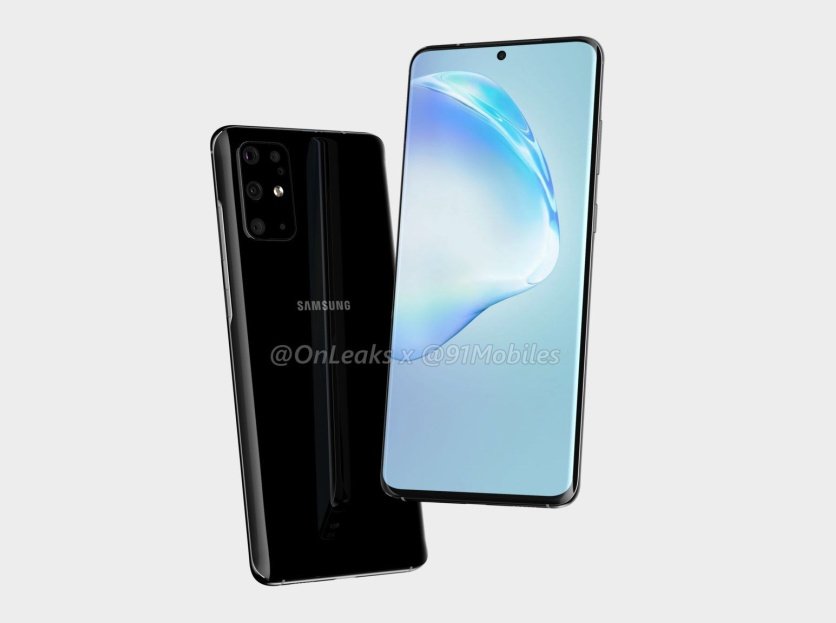
It's officially 2020, which means we're another step closer to Samsung unveiling its first big flagship of the year. This upcoming phone will be the successor to last year's Galaxy S10, and for a while now, we've been referring to it as the Galaxy S11.

However, a new rumor is suggesting that the S11 will actually be branded and marketed as the "Galaxy S20."

Taking a look through the AC forums, a lot of our members have some thoughts about this.

dendron01
12-30-2019 09:43 PM

I don't care what they call it but its looking better by the day. Just a few more months...

Reply
Adam Frix
12-31-2019 12:59 AM

don't care. It will be remembered as...a bad phone. Snapdragon 865 with forced discrete 5G modem? Every such phone will be remembered as "yeah, let's forget that ever existed". And, it will also be remembered as "the year we went too far" with regard to size. "But we were forced to--the 5G chip and bigger battery made us." It doesn't help that midrange phones are really very good now. ...

Reply
fuzzylumpkin
12-31-2019 06:04 AM

It's stupid and pointless and it'll probably be confusing to consumers, but it's ultimately inconsequential to me. It's more concerning that they might get rid of the "e" variant. 2020 may be another year where there isn't a phone I consider to be worth buying.

Reply
1raygin
12-31-2019 03:07 PM

The name won't bother me either way. I have an S10+ so I probably won't get it anyway unless there is a great trade in offer. My upgrade schedule is usually about every other year.

Reply

What say you? What do you think about the Galaxy S11 being called the S20?

Join the conversation in the forums!


from Android Central - Android Forums, News, Reviews, Help and Android Wallpapers https://ift.tt/39vDjg5
via IFTTT

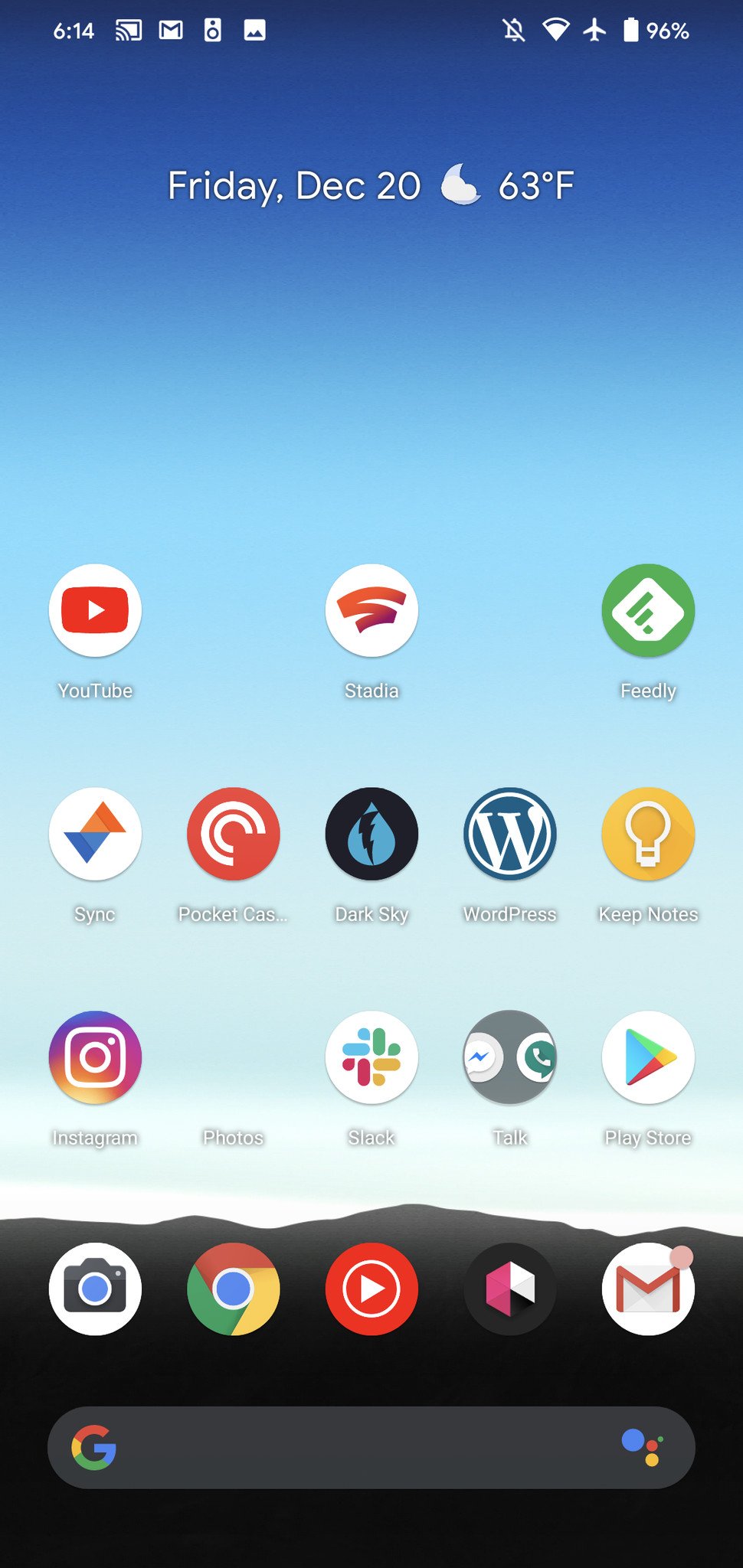
A bizarre Pixel Launcher bug is causing app icons to randomly disappear

The January security update will probably include a fix for the minor bug.

What you need to know

  • An unusual bug with the December security update for Pixel phones is causing app icons to disappear randomly from the homescreen.
  • While the app icons disappear randomly, the app name still remains visible.
  • Even though the issue doesn't appear to be widespread, a fix is expected to be included in the upcoming January security update.

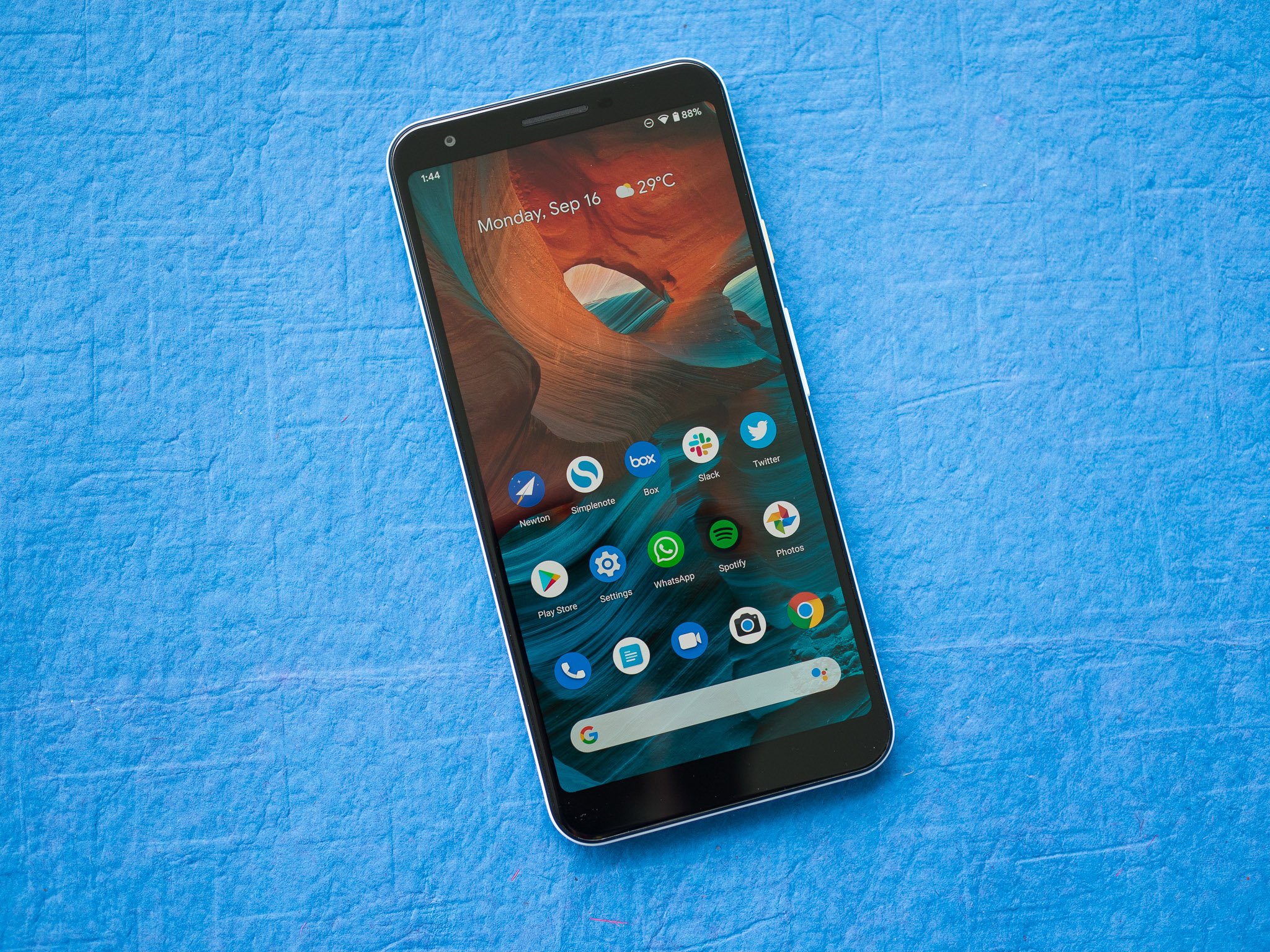
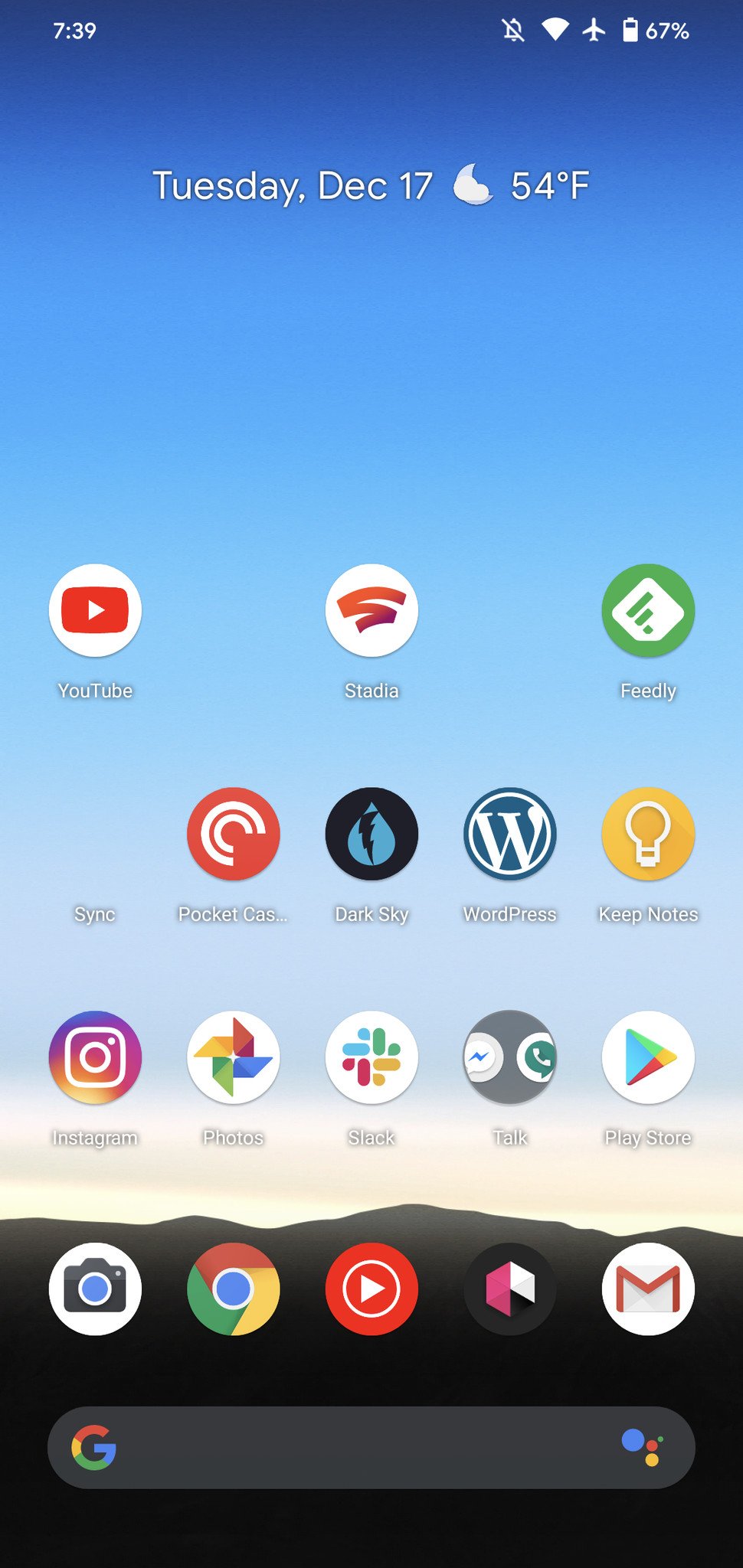
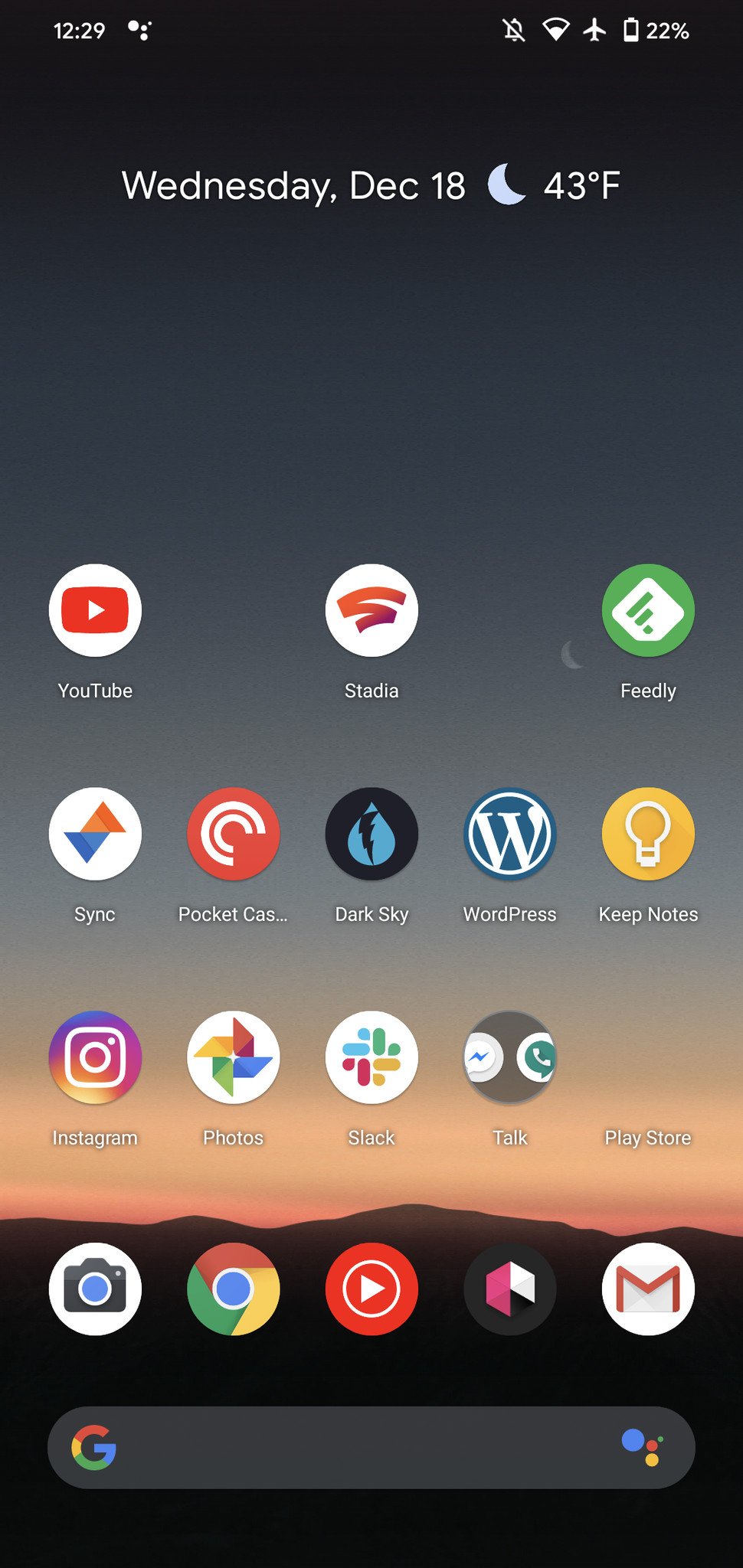
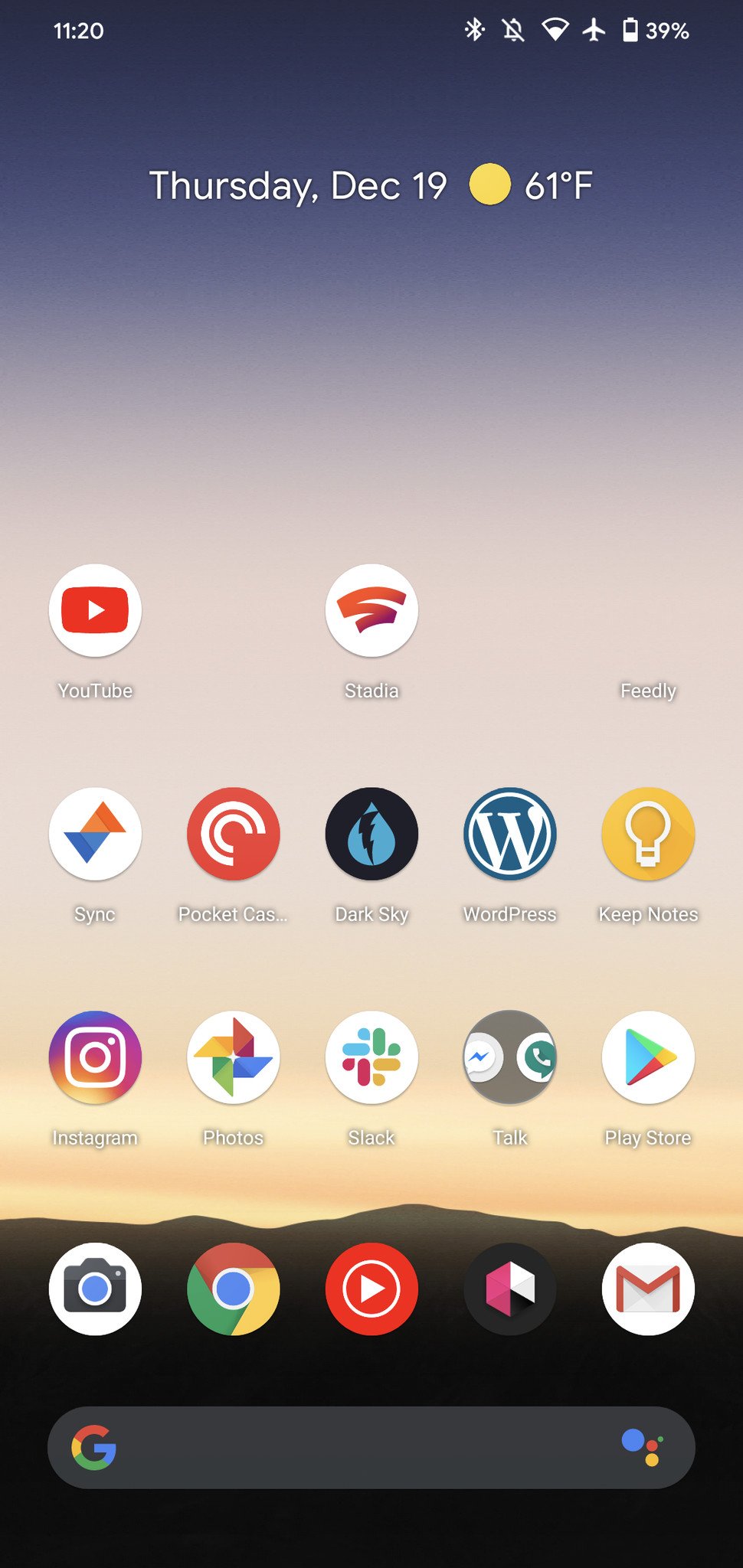
Google rolled out its first Pixel "feature drop" last month, along with the December security patch. Unfortunately, the update also included a minor bug with the Pixel Launcher app, causing apps icons to disappear from the homescreen randomly. The bug appears to have affected some Pixel 2, Pixel 3a, as well as Pixel 4 series phones.

As reported by 9to5Google, the bug with the Pixel Launcher is making app icons randomly become invisible on Pixel phones. After the app icon disappears, users can only see the name of the app on the homescreen. Once users tap on the blank space, however, the app icon gets loaded again and the app is launched as usual. As per a few users on Reddit, the bug can also make folders disappear sometimes.

Even though the issue does not affect all Pixel devices with the December security update, it is possible that Google has a fix ready and will include it in the upcoming January security update that is going to begin rolling out next week. While it remains to be seen if the January security update for the Pixel 4 series will be delayed just like last month, Google has confirmed that a cumulative January and December security update for the Pixel 3 and 3 XL units stuck on November security patch will be rolled out "in the coming days."

Get More Pixel 4

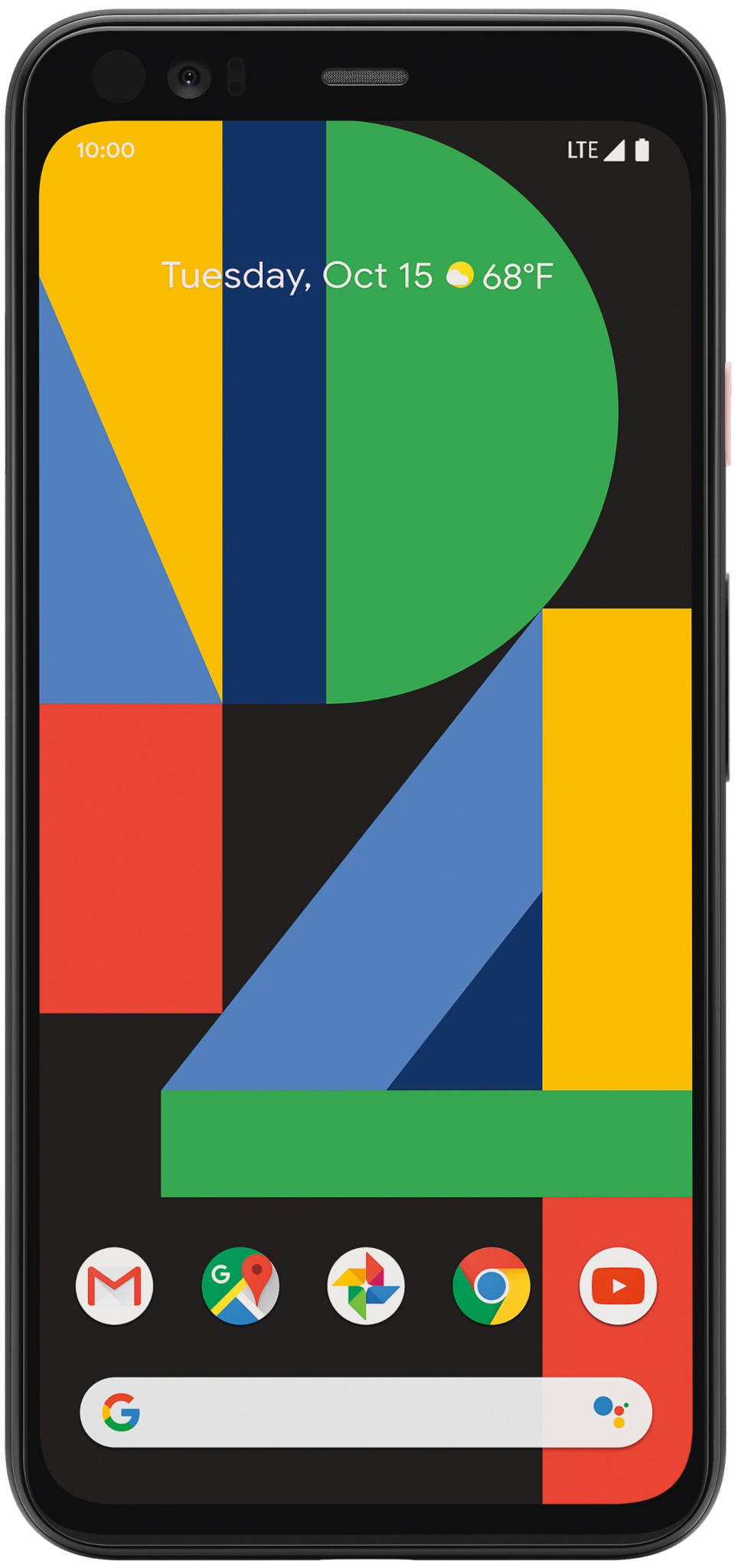
Google Pixel 4 & 4 XL

Pixel 4 From $799 at Amazon Pixel 4 XL From $899 at Amazon


from Android Central - Android Forums, News, Reviews, Help and Android Wallpapers https://ift.tt/2tljTde
via IFTTT

Pixel 3 will soon get a cumulative January and December security update

The update will be released early next week.

What you need to know

  • Google will soon begin rolling out a joint January and December security update for the Pixel 3 and 3 XL.
  • While most Pixel phones started receiving the December security update three weeks back, several Pixel 3 and 3 XL owners did not receive it.
  • The joint December and January security update is expected to be released next Monday.

Google began rolling out the December security update for the Pixel 4 and Pixel 4 XL phones a week after other Pixel phones last month. In addition to the December security update, it also brought a few other improvements to the latest Pixel phones.

Many Pixel 3 and Pixel 3 XL units, however, are yet to receive the December update. Responding to the concerns of several Pixel 3 and 3 XL owners on Twitter, Google has now revealed that it plans to roll out a "joint January and December security update" for the two phones in the coming days.

Since Google usually rolls out the latest security updates for Pixel phones on the first Monday of the month, the joint update is likely to hit the Pixel 3 and 3 XL on January 6. The other Pixel phones, including the Pixel 4 and 4 XL, are also expected to get the latest January security update starting next Monday.

Unfortunately, Google hasn't revealed the exact reason why the December security update was delayed for the Pixel 3 series phones. Google usually releases new security updates for Pixel phones in the first week every month. For the last three months, however, Samsung has actually managed to beat Google to the punch with security updates. While Google hasn't started pushing the January security patch to Pixels yet, a few Samsung Galaxy smartphones have received it already.

Get More Pixel 3a

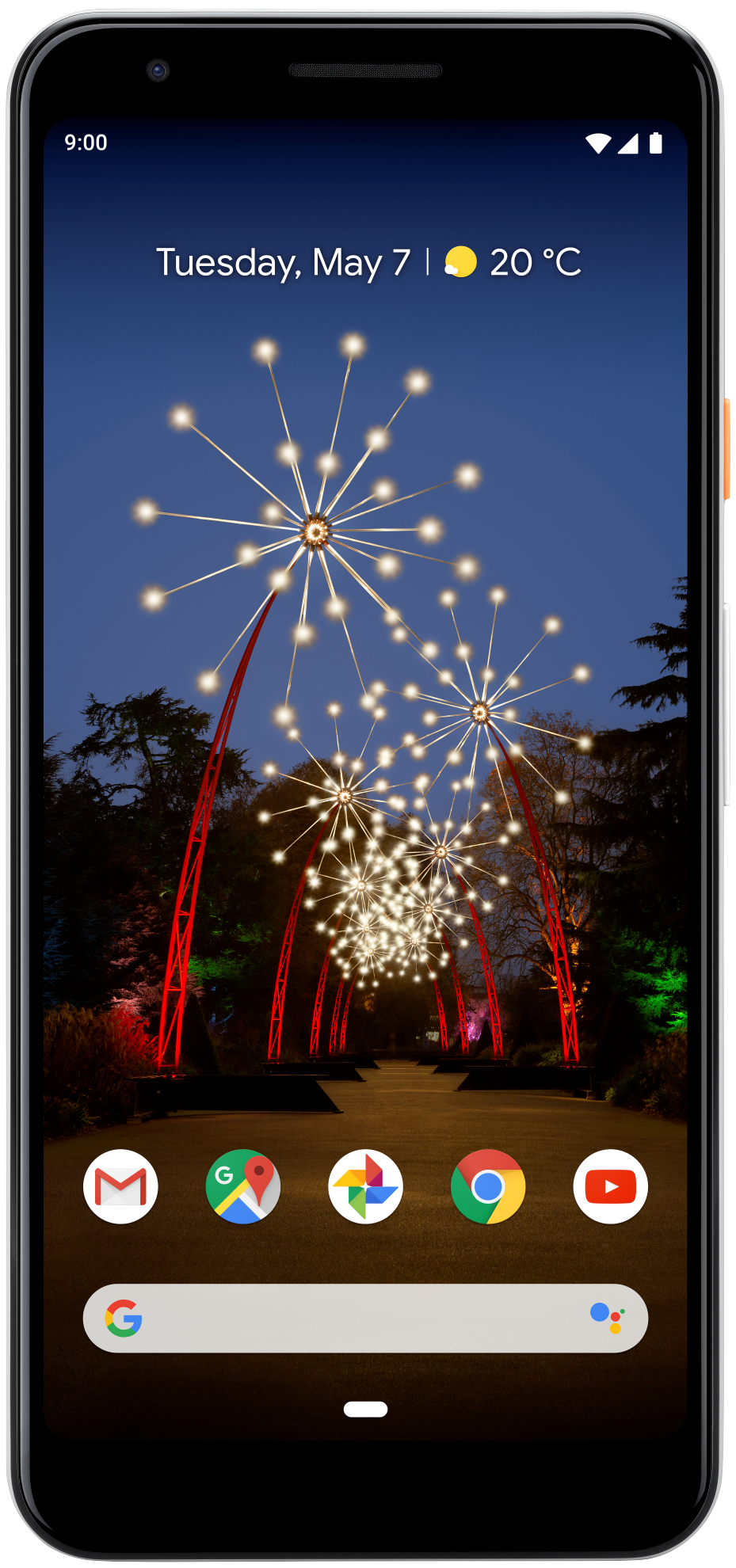
Google Pixel 3a

Pixel 3a From $399 at Amazon Pixel 3a XL From $479 at Amazon


from Android Central - Android Forums, News, Reviews, Help and Android Wallpapers https://ift.tt/36k1cp4
via IFTTT

mercredi 1 janvier 2020

Schedule Test

asdf


from Android Central - Android Forums, News, Reviews, Help and Android Wallpapers https://ift.tt/39ssr2t
via IFTTT

The NVIDIA Shield TV Pro (2019) is my favorite purchase of the year

There's a reason the Shield TV is the best Android TV box.

There's no shortage of smart TV platforms, but in our household, we went all-in on Android TV. It started with a Sony 950D back in 2015, and over the last four years, we amassed three additional TVs that ran Android TV out of the box.

The end result is that I didn't need a standalone Android TV box. I bought a Mi Box S to use with my Xiaomi Mi Laser Projector (the U.S. model comes with Android TV, but not the Chinese variant), but aside from that, there wasn't a good enough reason to get a device like the Shield TV.

That changed earlier this year when I noticed just how laggy Sony's Android TV interface has gotten. The TV still gets security updates from time to time, but it is running Marshmallow. And while the Mi Box S is a decent product for under $50, it doesn't handle 4K content well. That meant I had to look for an alternative, and I inevitably ended up with the Shield TV Pro (2019).

I used the Shield TV for just over two months, and in that time, it has become my favorite purchase of 2019.

NVIDIA Shield TV Pro (2019)

$200 at Amazon $200 at Best Buy

The best streaming media player you can buy today.

With class-leading hardware and continual software updates, the Shield TV Pro (2019) stands tall over other streaming media players. The Shield TV streams all your favorite shows and movies in 4K HDR and Dolby Atmos, you can play several AAA games via GeForce Now, and control your smart home devices with Google Assistant. The fact that it will be updated for four years or more means you won't need another streaming box.

At first glance, the Shield TV doesn't make that much sense. It costs three times as much as Android TV boxes that offer the same set of features, but the difference is in the details. The Shield TV is powered by NVIDIA's Tegra X1+ chipset, and you have to use it to see how much faster it is than any other streaming box or the native user interface on your TV.

I had no idea Android TV could be this responsive.

I had no idea Android TV could be this responsive, and the Shield TV is on an entirely different level when it comes to the hardware side of things. There's a level of immediacy here that you just don't get with any other streaming media player. There are other features that make the Shield TV stand out: it has 4K HDR and Dolby Atmos, and the new AI upscaling mode is a game-changer.

It has all the basics that you're used to seeing from an Android TV box — you can easily talk to Google Assistant for everything from controlling smart home devices to getting weather updates and sports scores. The Shield TV also has your favorite streaming services, with everything from Netflix, Disney+, Hulu, and others included out of the box.

With four years of software updates, the Shield TV basically pays for itself.

But what makes the Shield TV truly stand out is the software updates. The first-gen Shield TV has been updated for over four years, considerably more than any Android phone or tablet. Because NVIDIA uses its custom Tegra chipset in the Shield TV, it is able to work closely with Google to deliver continual updates. So even though you're paying a premium for the streaming box, it pays for itself over the course of four years.

Another great feature with the Shield TV is GeForce Now, NVIDIA's cloud gaming platform. The service is in beta right now, and you can stream a host of free AAA games or link your Steam account to play games that you already own. All you need to do is pair a controller over Bluetooth, and you can jump into your favorite games. The convenience on offer makes the Shield TV the ideal showcase for GeForce Now.

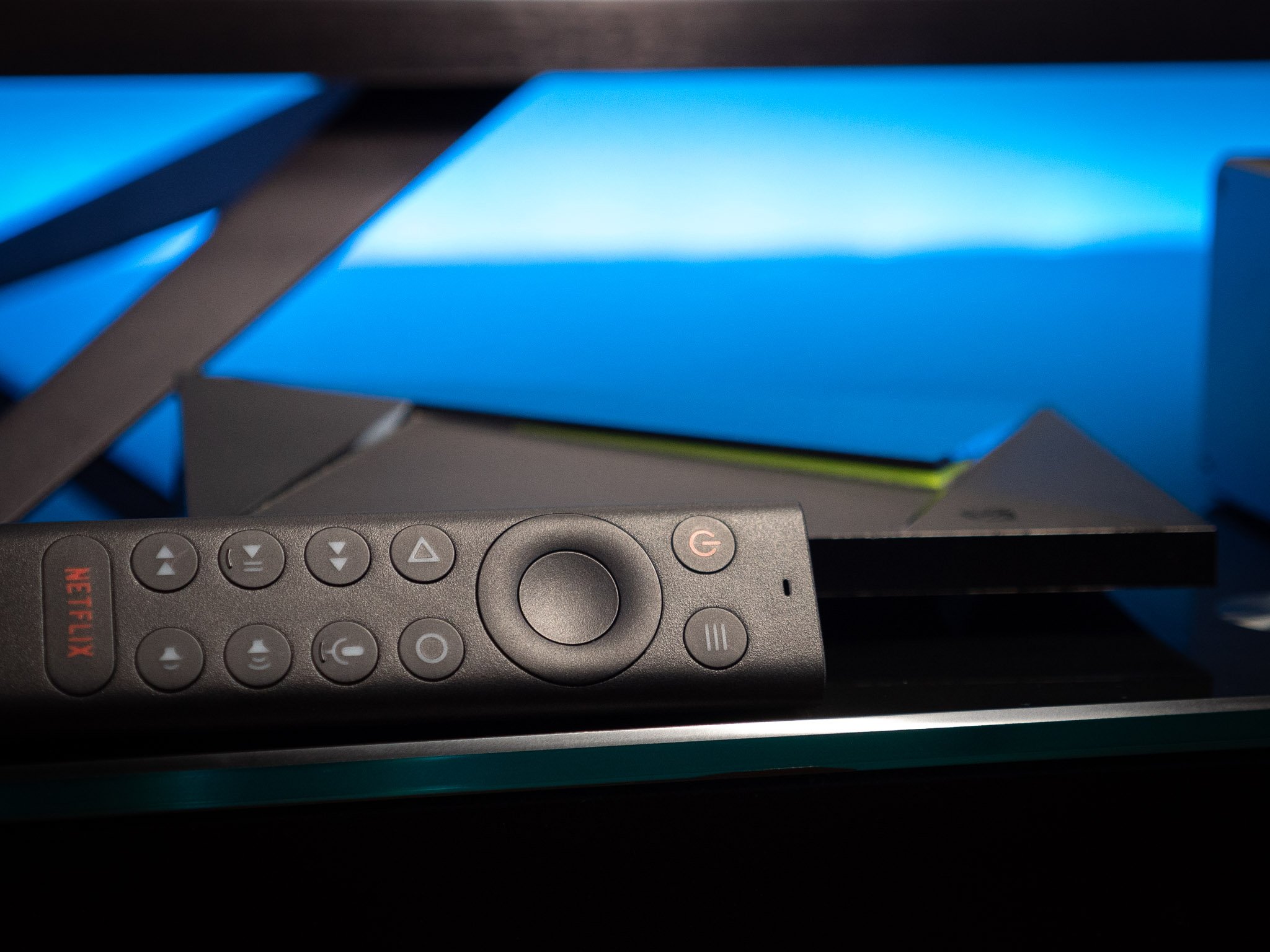
Oh, and the bundled remote is pretty great too. The triangular design makes it easy to hold and use, and there's even a remote finder feature that lets you locate the remote should it go missing.

My coworkers have constantly raved about the Shield TV over the last four years, and I never understood the enthusiasm. But after using it for two months, I now understand that all the praise the streaming box has received is fully justified.

NVIDIA Shield TV Pro (2019)

$200 at Amazon $200 at Best Buy

The best streaming media player you can buy today.

With class-leading hardware and continual software updates, the Shield TV Pro (2019) stands tall over other streaming media players. The Shield TV streams all your favorite shows and movies in 4K HDR and Dolby Atmos, you can play several AAA games via GeForce Now, and control your smart home devices with Google Assistant. The fact that it will be updated for four years or more means you won't need another streaming box.


from Android Central - Android Forums, News, Reviews, Help and Android Wallpapers https://ift.tt/36i445x
via IFTTT

2020 looks to be an excellent year for virtual reality

Virtual reality had a great 2019, and could have an even better 2020.

Virtual reality turned a bit of a corner in 2019. The rise of the Oculus Quest and the announcement of Half-Life: Alyx brought VR more into the mainstream and created a fair bit of buzz. 2020 looks to be another great year for VR, with added functionality for the Oculus Quest, the potential growth of wireless VR, and the release of one of the most anticipated games in VR's history. Additionally, rumors circle a potential PSVR 2, and several other impressive-looking titles are on the way.

The announcement of Half-Life: Alyx was quite a surprise in the gaming industry. People have clamored for a sequel to the Half-Life series for 12 years, but most didn't expect the sequel to come in the form of a VR title; in fact, some people are upset that the title is a VR-exclusive. But in mid-November, Valve shared the news that a Half-Life sequel was on the way.

Half-Life: Alyx looks to continue the feel of previous games, building a story around physics-based puzzles and dynamic shooting. The trailer below shows off some of the gameplay. Valve seems to have integrated the gameplay into VR in a meaningful way, including being able to grab headcrabs off your face and throwing them, as well as digging through shelves to find ammo and items.

One of the major criticisms of VR is that it doesn't have a "flagship" game that's a must-have title. While I disagree with that complaint, it's made frequently, so the release of Half-Life: Alyx might change some people's minds. The game's listing is already up on Steam and is set to come out in March 2020.

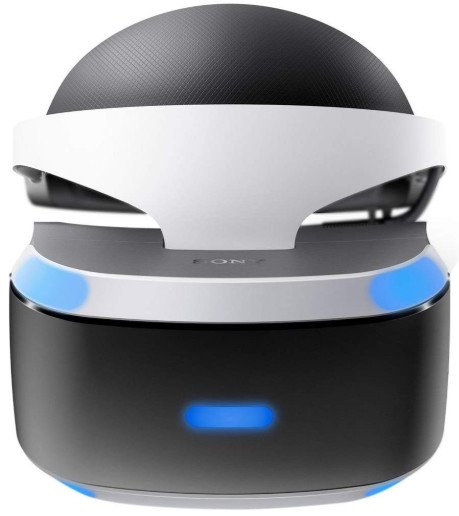
Unfortunately for Playstation VR users, Half-Life: Alyx isn't on the way to the platform yet, but that doesn't mean there aren't exciting things on the way for PSVR. Camouflaj announced in April 2019 that an Iron Man VR game is on the way. The game places you inside an Iron Man helmet and lets you fly through the sky. You navigate by pointing your controllers around as if they were the suit's thrusters and can combat enemies and overcome obstacles.

Camoflaj shows off the game's flying mechanics in the video above, which emphasizes that the game immerses you into an open sandbox that you can zoom through freely. The game comes out on February 28, 2020, and is exclusive to Playstation VR. You can preorder it now through the PlayStation Store.

In addition to waiting for Iron Man VR, PlayStation fans are on the lookout for the next evolution of the platform. While Sony hasn't confirmed anything regarding a PSVR 2, unveiled patents show a potential wireless future for the device. The design shown off in the patent looks similar to the current PSVR but lacks any wires. If this device came to be, it would help the PSVR compete with the likes of the wireless Oculus Quest while also building off the impressive PSVR platform.

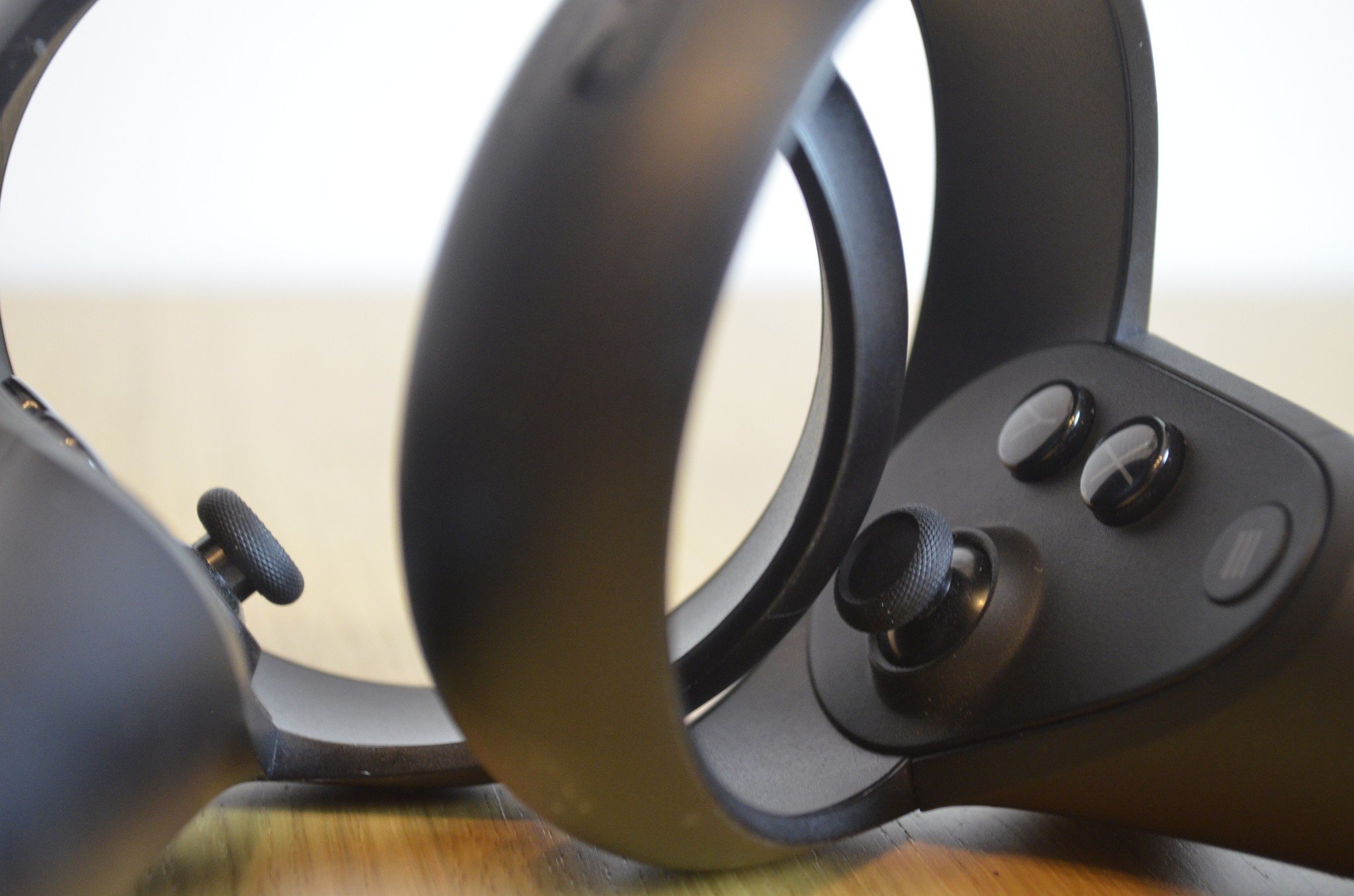
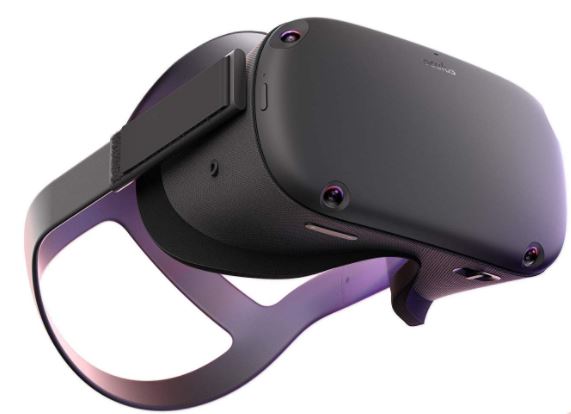
Speaking of the Oculus Quest, Facebook's wireless VR headset is set to have an excellent 2020. The Oculus Quest gained preview support for Oculus Link and hand tracking earlier this year. Both of these should improve in 2020 and likely come out of beta and preview. These features greatly expand the library of games the Oculus Quest can play and the capabilities of the headset.

I don't remember the last time I've seen a device improve this much through software updates, and it was already good to begin with.

Oculus Link allows you to connect your Oculus Quest to a PC to play PCVR games. While the hardware of the Oculus Quest differs from the Oculus Rift S, Oculus Link, in essence, converts your Oculus Quest into a PCVR headset. This blows the doors off the library of games available for Quest users and allows people with a Quest to play powerful PCVR games at home while still having the option to play dedicated Oculus Quest games anywhere. We went hands-on with Oculus Link months ago and followed its progress all the way through its beta release. It's one of the most exciting aspects of the Oculus Quest right now.

Hand tracking is still in its early stages for the Oculus Quest, but it shows promise. The feature is currently limited, but by releasing it in preview, developers can find ways to integrate it into games. Several developers have already started playing with the feature and begun work to integrate it into games or to build games around the feature. We also went hands-on with hand tracking months ago, and have a summary on everything you can do with it right now.

While the internals of the Oculus Quest are a bit dated at this point, Facebook continues to improve the device. I don't remember the last time I've seen a device improve this much through software updates, and it was already good to begin with.

Virtual reality is knocking on the door of becoming mainstream, and 2020 could be the year that it goes through that door. Playstation VR continues to provide a way for console gamers to immerse themselves while Oculus covers mobile and PC-powered VR through the Oculus Quest and Oculus Rift S. The release of Half-Life: Alyx is a major boost to PCVR which needs a flagship title to stand out to more people. Toss in rumors of about a sequel to the PSVR, added functionality to the Oculus Quest, and a growing library of VR games, and you get a promising future for VR in 2020.

Oculus Quest

Truly immersive

$499 at Amazon

A full-VR experience that doesn't require a PC

The Oculus Quest supports six degrees of freedom and tracks both you and your environment. You can play a wide range of games and also enjoy VR and 360-degree video content.

Load up

PlayStation Store Gift Card

From $20 at Amazon

Easy to stock up

PlayStation gift cards are an easy way to grab currency for games, add-ons, themes, and more on the PlayStation Store. They also come in a wide variety of denominations.

Get More PSVR

PlayStation VR

From $237 at Amazon

Get More PlayStation

Sony PlayStation

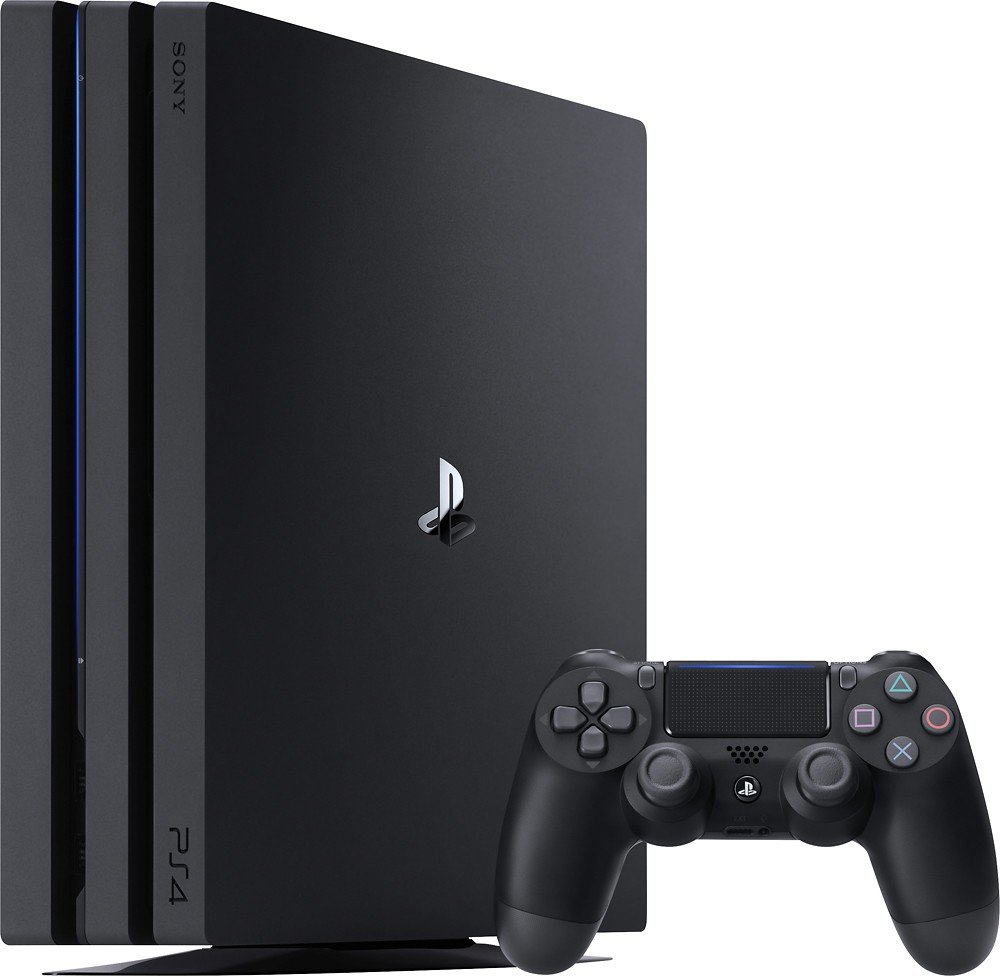
Playstation 4 Pro From $400 at Amazon Playstation 4 Slim From $300 at Amazon


from Android Central - Android Forums, News, Reviews, Help and Android Wallpapers https://ift.tt/36e7ZQR
via IFTTT

mardi 31 décembre 2019

Xiaomi's latest fitness tracker doesn't look like one at all

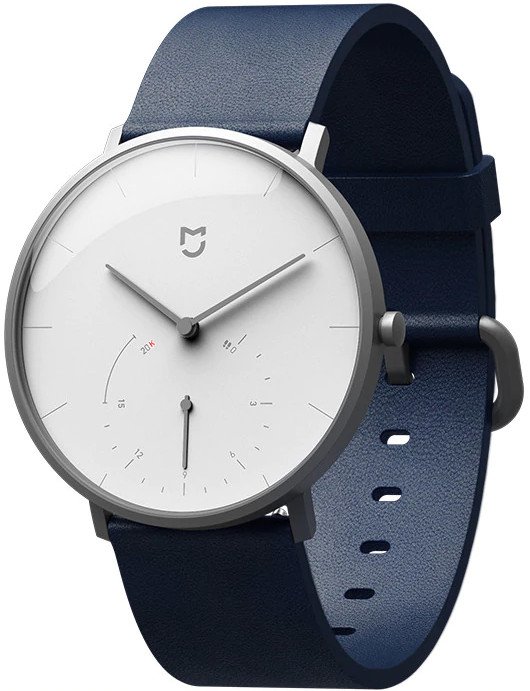
The Mijia Quartz Watch doesn't look like your average fitness tracker, but it is hiding a lot of smarts.

Xiaomi is known primarily for its phones, but the Chinese brand is the second-largest wearable manufacturer in the world. That's down to its affordable line of fitness bands under the Mi Band label, but that's not all Xiaomi makes. It introduced a full-fledged smartwatch last month, and over the years it has launched a few hybrid wearables, like the Mijia Quartz Watch.

As a refresher, Xiaomi uses Mijia branding for devices it sells under its smart home and lifestyle portfolio. These include everything from action and security cameras to razors, desk lights, cordless vacuums, home automation tech, and much more.

Like every other product that Xiaomi makes, affordability is a key trait here. The Mijia Quartz Watch retails for under $50, making it an enticing option if you're looking for a fitness band disguised as a regular watch.

Xiaomi Mijia Quartz Watch

Bottom line: The Mijia Quartz Watch combines classic styling with fitness tracking capabilities, making it an enticing option if you want a fitness tracker that looks like a regular watch. It automatically syncs time with your phone, you can set activity alerts and hourly reminders, and you'll get six months of usage from the battery.

The Good

  • Minimal design
  • Great value
  • Accurate fitness tracking
  • Six-month battery life
  • 3ATM water resistance

The Bad

  • Limited availability
  • Pairs with Mi Home and not Mi Fit

$40 at AliExpress

Xiaomi Mijia Quartz Watch What feels great

The Mijia Quartz Watch looks like a regular watch; in fact, it's hard to tell from a first glance that it can be used for fitness tracking. The design is what sets the watch apart from other fitness trackers, and in this area, Xiaomi is channeling Withings. If you've ever used a Withings watch or even looked at one before, the Mijia Quartz Watch has the same design aesthetic with clean lines and a focus on simplicity.

The Mijia Quartz has a 40mm stainless steel case with a two-hand dial displaying the time in hours and minutes. There's a secondary dial at the bottom with a single hand that tracks daily activity, with the step counter going up to 20,000. The bundled blue band is made out of leather, and you can switch it out if you're interested in using steel links. You can also use any 20mm strap with the watch, and switching out the bands is as straightforward as removing the lugs.

The front of the glass is coated to provide adequate protection against the usual wear and tear, and it also has a coating to resist fingerprint smudges. Xiaomi sells the Mijia Quartz Watch in three options — the black and grey models have matching dials and straps, and the blue variant pictured above has a white dial with a blue leather band. This is the variant that I like the most, and the classic styling goes with a wide range of outfits.

The Mijia Quartz Watch automatically syncs time with your phone, and you get detailed fitness data on the Mi Home app.

The minimalist design extends to the buttons as well, and there's a single button on the right side that's used for pairing the watch with your phone. All you need to do is press the button for five seconds, and the watch goes into pairing mode. Once it's paired, it sets the time to match that of your phone, and the best part about this is that it syncs time automatically, so even if you're traveling, you don't need to manually adjust the time on the Mijia Quartz Watch.

The watch features a motion sensor to track daily activity, and when used side-by-side with a Fitbit Alta HR, it provided nearly identical data. You'll be able to access daily activity statistics as well as activity history from the Mi Home app, and you'll also be able to see calories burned and distance covered. You also have the option of setting hourly activity reminders, with the watch vibrating to notify you to get up and move.

Pairing and syncing data with your phone is done over Bluetooth 4.0 LE, and the watch is powered by a CR2430 battery that lasts up to a year. Not having to worry about charging the watch is liberating, and makes the Mijia Quartz that much more enticing.

Xiaomi Mijia Quartz Watch What feels off

The main issue with the Mijia Quartz Watch is that it doesn't pair with Xiaomi's Mi Fit app. You'll instead have to use the Mi Home app, which is used for smart home products.

You'll have to use the Mi Home app to sync activity from the Mijia Quartz Watch.

The Mijia Quartz is the only Xiaomi wearable that connects to Mi Home, and that's puzzling when you consider the fact that all four Mi Bands, older Amazfit smartwatches, Xiaomi's smart scales, and smart shoes all pair with Mi Fit. Having to use a different app to sync data is irksome, but Mi Home provides the same statistics as Mi Fit.

Honestly, there's little else that's wrong with the watch. You do have to unscrew the back to switch out the battery once every year or so, but that is also straightforward and shouldn't take more than 10 minutes.

Xiaomi Mijia Quartz Watch Should you buy it?

The Mijia Quartz Watch is one of the best fitness trackers around if you're looking for a device with a minimal design aesthetic. Yes, Xiaomi is essentially copying Withings' design here, but the quality on offer is better than what you get with a Withings Move, and you're paying just over half the price.

The 3ATM water resistance means you can take it to the pool without any issues, and the best part about it is that you don't need to charge it weekly or even monthly. That makes it a standout product, and the fact that you can pick it up for $40 is a steal for what you're getting here.

4 out of 5

If you're in the market for a fitness tracker that you can wear with any outfit, the Mijia Quartz Watch is an ideal choice. You won't need to charge it, and you get detailed activity data as well as hourly reminders in a design that looks fantastic.

Xiaomi Mijia Quartz Watch

$40 at AliExpress

A fitness tracker that you can wear anywhere.

The Mijia Quartz Watch combines classic styling with fitness tracking capabilities, making it an enticing option if you want a fitness tracker that looks like a regular watch. It automatically syncs time with your phone, you can set activity alerts and hourly reminders, and you'll get six months of usage from the battery.


from Android Central - Android Forums, News, Reviews, Help and Android Wallpapers https://ift.tt/2STak03
via IFTTT